We’re running low, but fortunately today we have some nice photos from around Hudson Bay, all taken by Ephraim Heller. Ephraim’s captions and IDs are indented, and you can enlarge the photos by clicking on them.
I visited Churchill, Manitoba on Hudson Bay in late October / early November for wildlife photography. This was my second visit to the Churchill area. Neither trip met my expectations for wildlife viewing, but I did get a few good shots to share with WEIT readers.
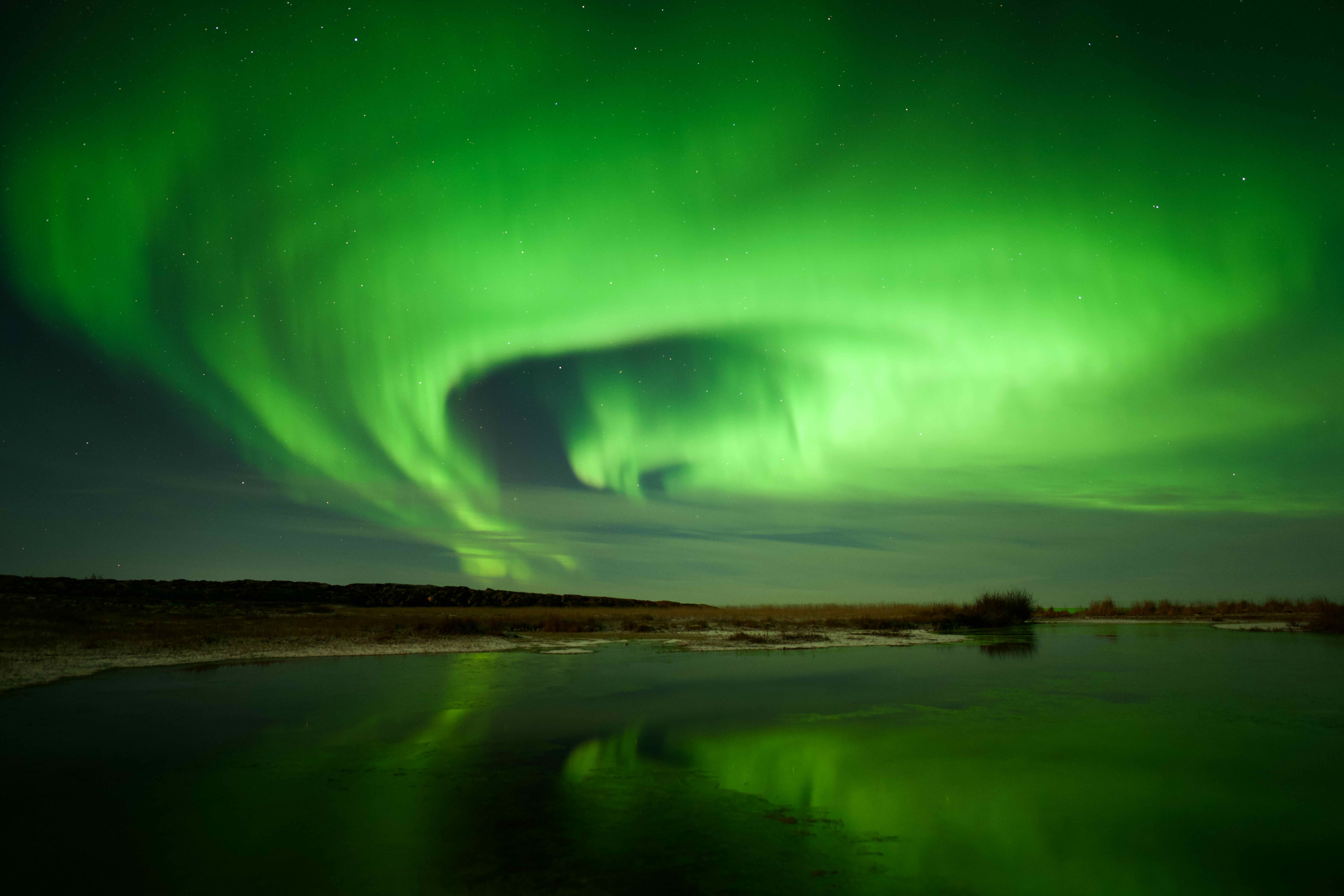
One night was clear and I had a ten minute window to capture the aurora borealis before it faded:
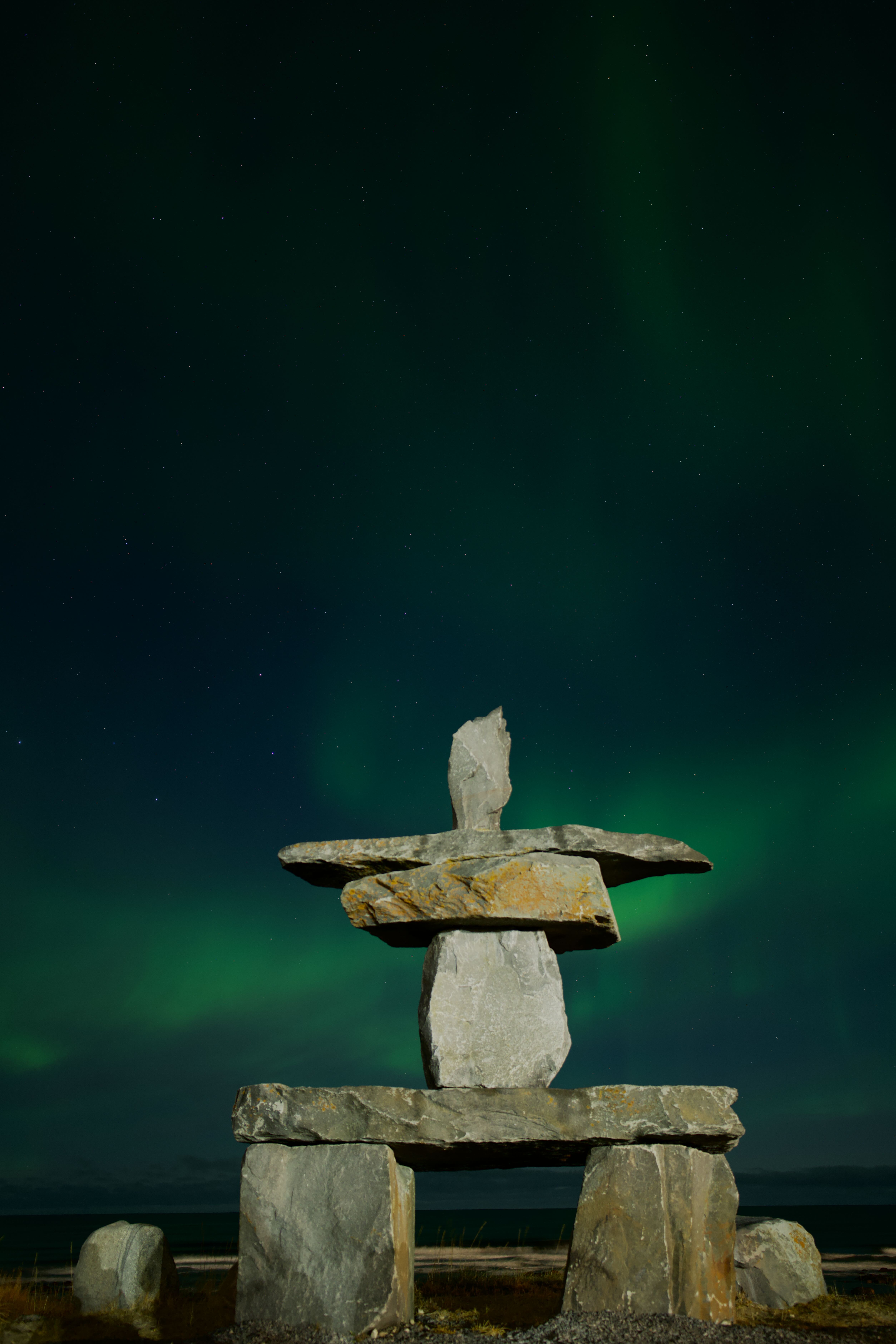
As the aurora faded I shot this Inukshuk, which is a traditional Inuit stone marker used as a navigation aid, marker for travel routes, fishing place, hunting ground, and location of reverence or memorial significance. The word “inukshuk” means “in the likeness of a human.”:
The wreck of the MV Ithaca, which ran aground in 1960:

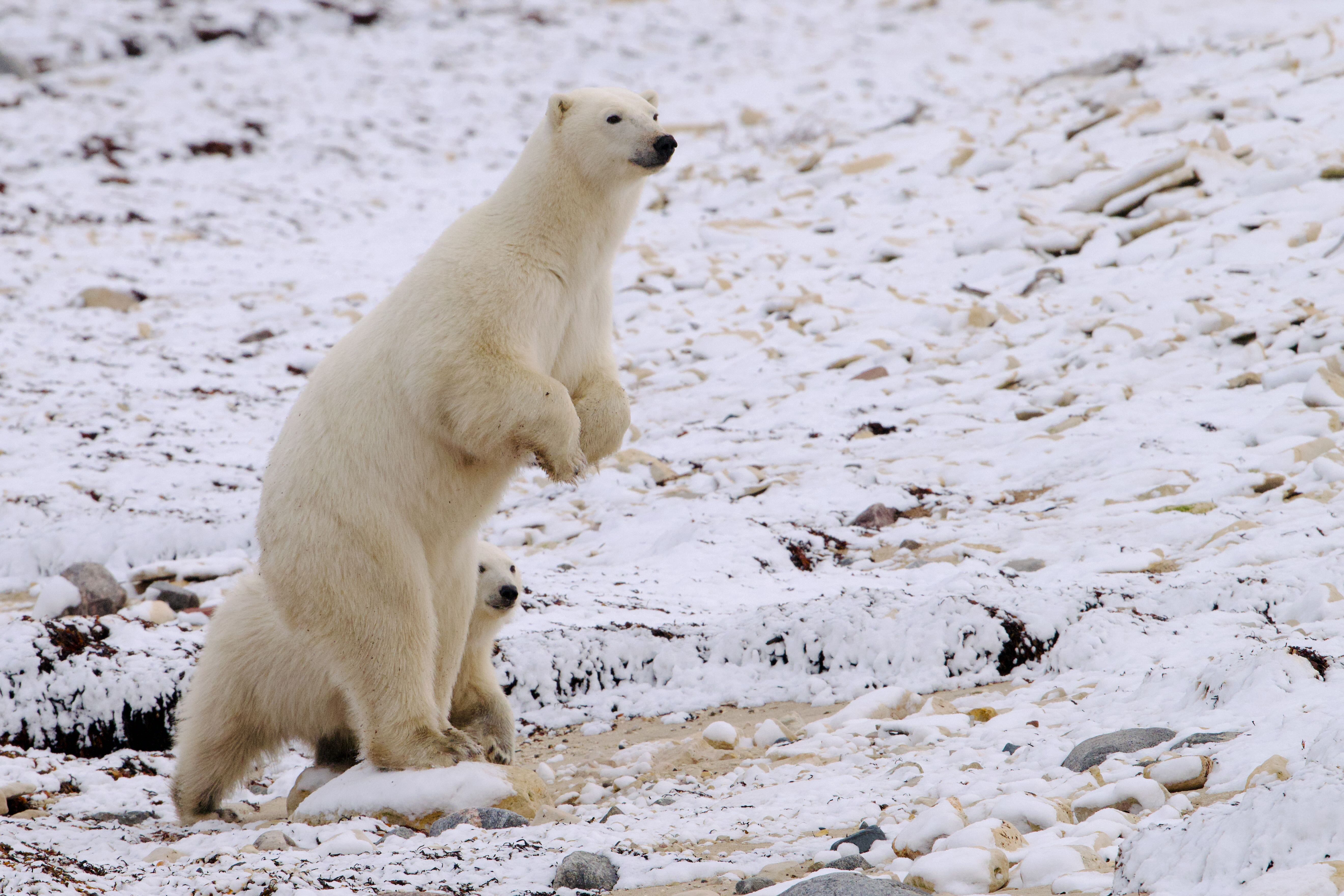
Polar bears (Ursus maritimus) are the reason tourists come to Churchill. The primary food of the Churchill polar bears is ring seals and their primary hunting method is called still-hunting, an ambush tactic where polar bears wait by seal breathing holes in the ice. Ring seals maintain 10 to 15 open breathing holes in the ice throughout the winter by using their sharp claws. They surface every 5 to 15 minutes to breathe. Polar bears use their sensitive sense of smell to locate these holes. Bears wait motionless for many hours for a seal to surface. When a seal pokes its nose up from the water, the bear grabs the seal’s head and… well, you can guess:
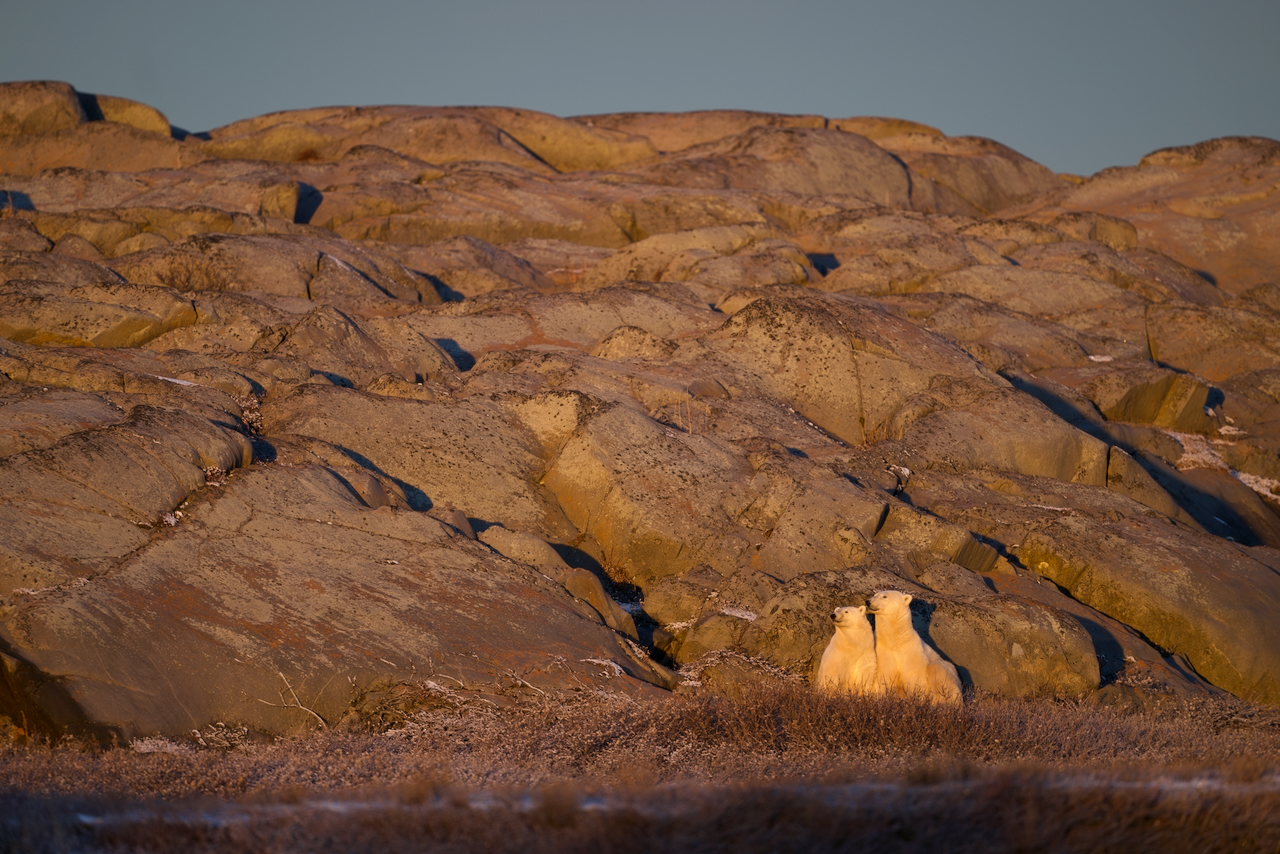
Obviously, still-hunting can only be done on ice. Hudson Bay is one of the Arctic regions where sea ice melts completely each summer, forcing all polar bears ashore for an extended fasting period (other Arctic populations live and hunt on ice year-round). The Western Hudson Bay population experiences one of the longest ice-free periods of any polar bear population, historically lasting 3-4 months from late July through early November. This seasonal pattern creates what researchers describe as a “walking hibernation,” where bears must survive entirely on fat reserves accumulated during their seal-hunting season on the ice:
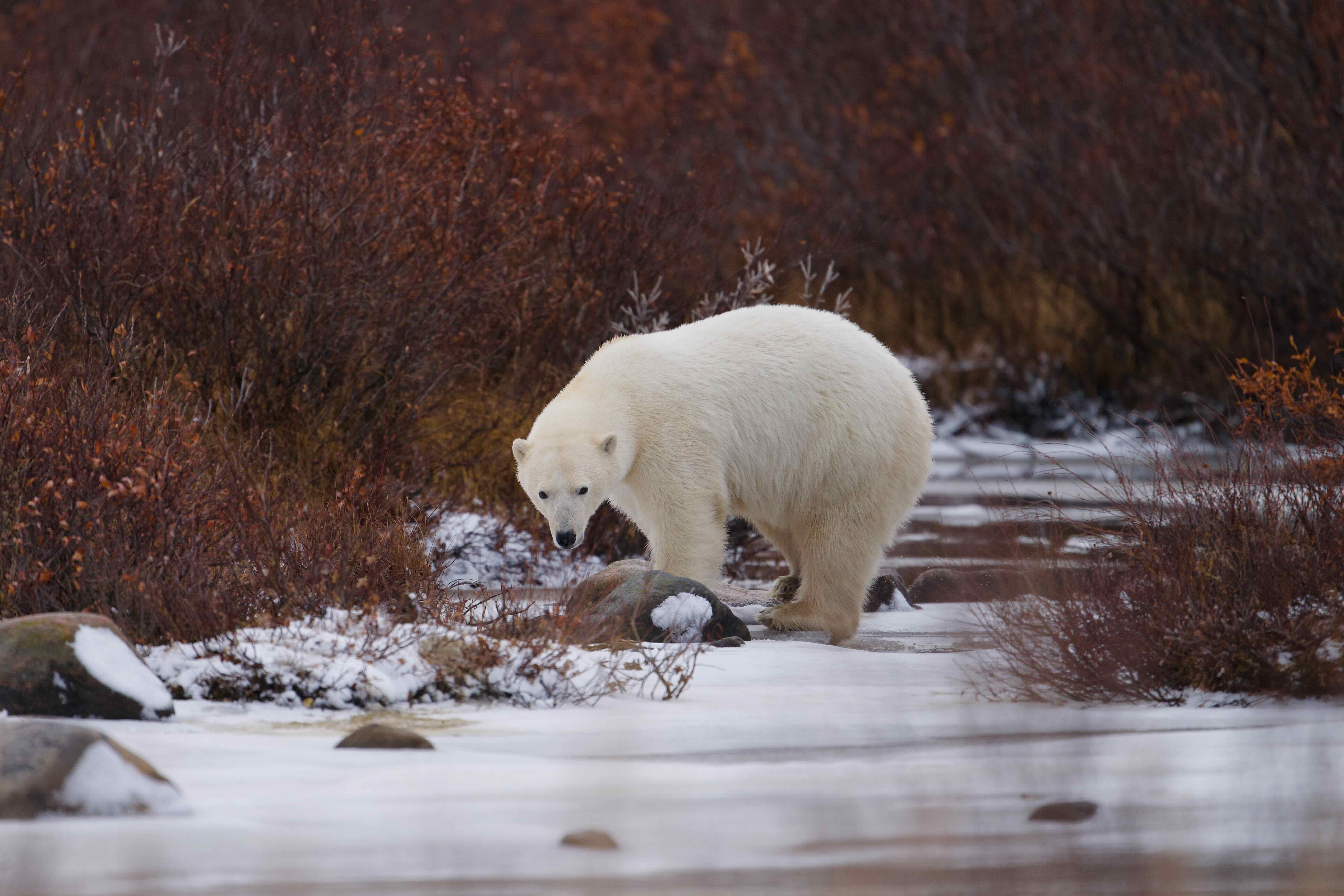
The local Churchill population is in decline. Extended ice-free periods due to climate change and unusual weather are blamed. Particularly hard hit are adult females and cubs, as pregnant females often lack the food necessary to successfully birth and raise cubs:
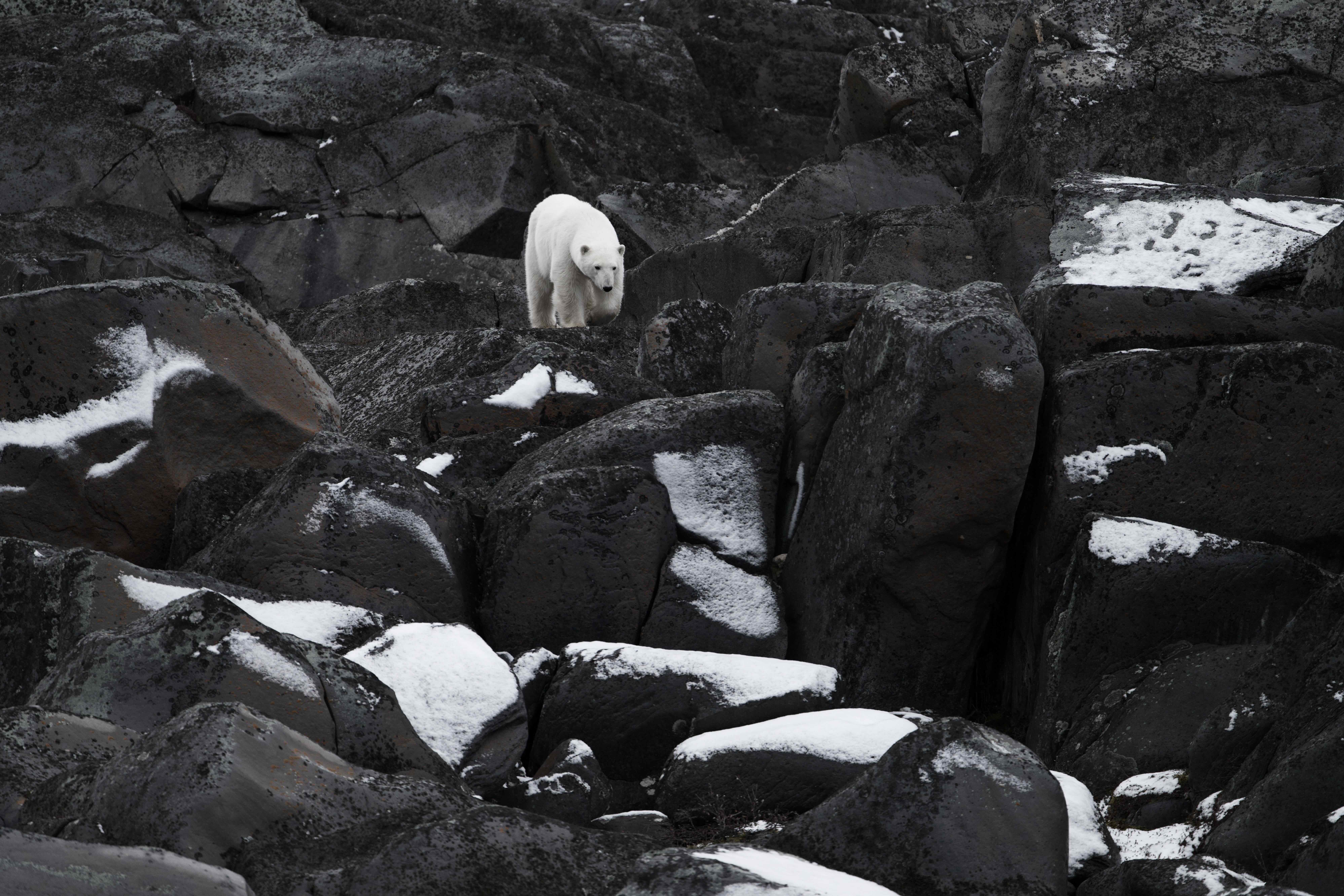
Polar bears congregate around Churchill due to its protrusion into Hudson Bay. The counterclockwise currents in Hudson Bay deposit melting ice along the coast in summer, where most bears come ashore. In autumn, these same currents cause ice floes to accumulate. Additionally, the Churchill, Nelson, and Hayes Rivers discharge freshwater into shallow coastal waters, and since freshwater freezes at higher temperatures than saltwater, ice forms earlier in this location. This early freeze-up attracts hungry bears eager to return to hunting after months of fasting:
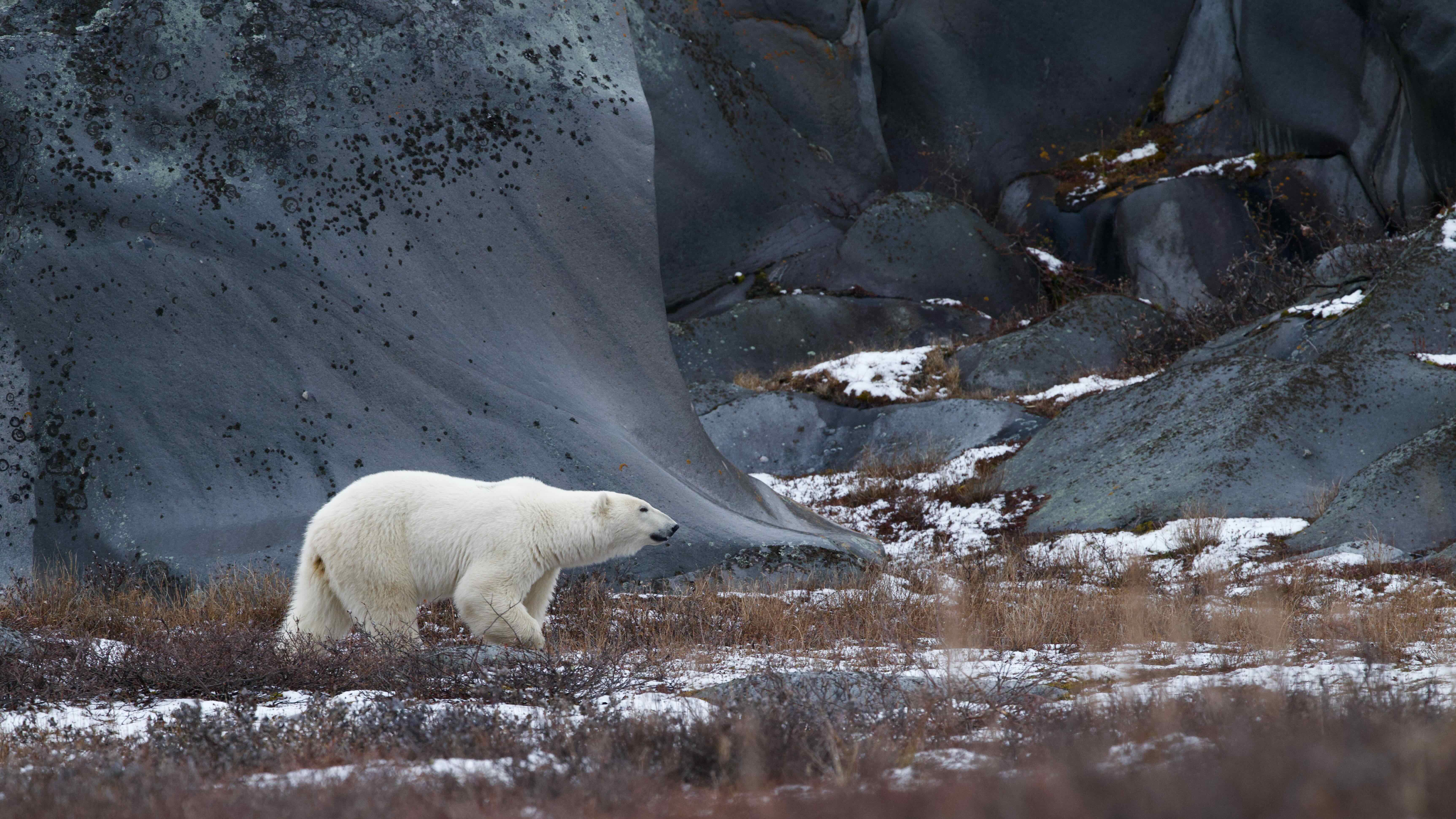
Unfortunately, it is expected that ice-free periods may soon exceed critical fasting thresholds and that extirpation may be inevitable for the Hudson Bay populations that require seasonal ice. 2024 set a record of 198 ice-free days in Southern Hudson Bay:
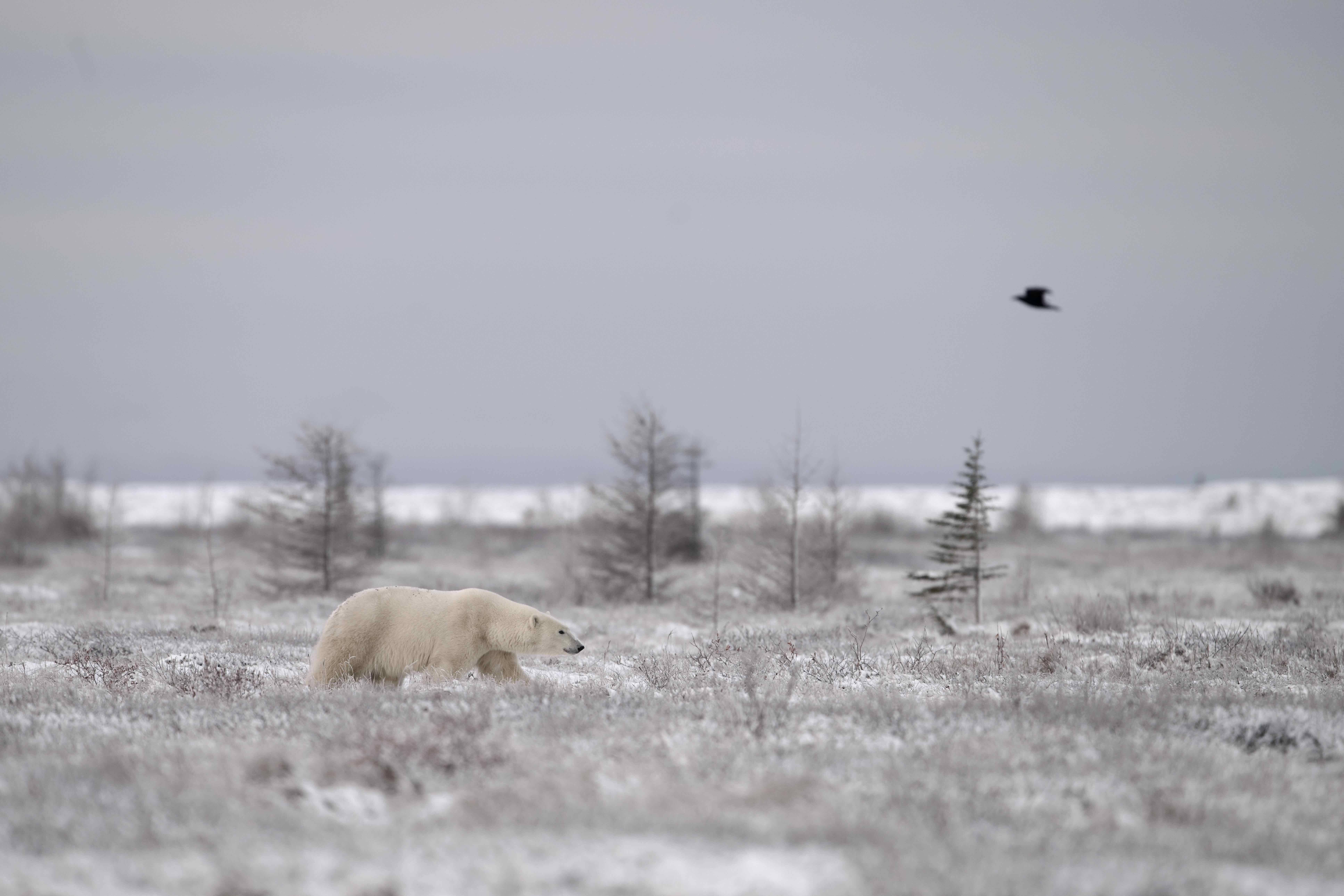
The willow ptarmigan (Lagopus lagopus) undergoes a complete molt from brown in summer to white with black tail in winter:

The genus name Lagopus means “hare-footed,” referring to the feathers that completely cover their feet all the way to the tips of their toes. The feathers on the soles of their feet increase the weight-bearing surface area of their feet, acting as bird snowshoes so that they can walk on top of snow and also providing thermal insulation. Like other grouse, willow ptarmigans excavate snow burrows for roosting:

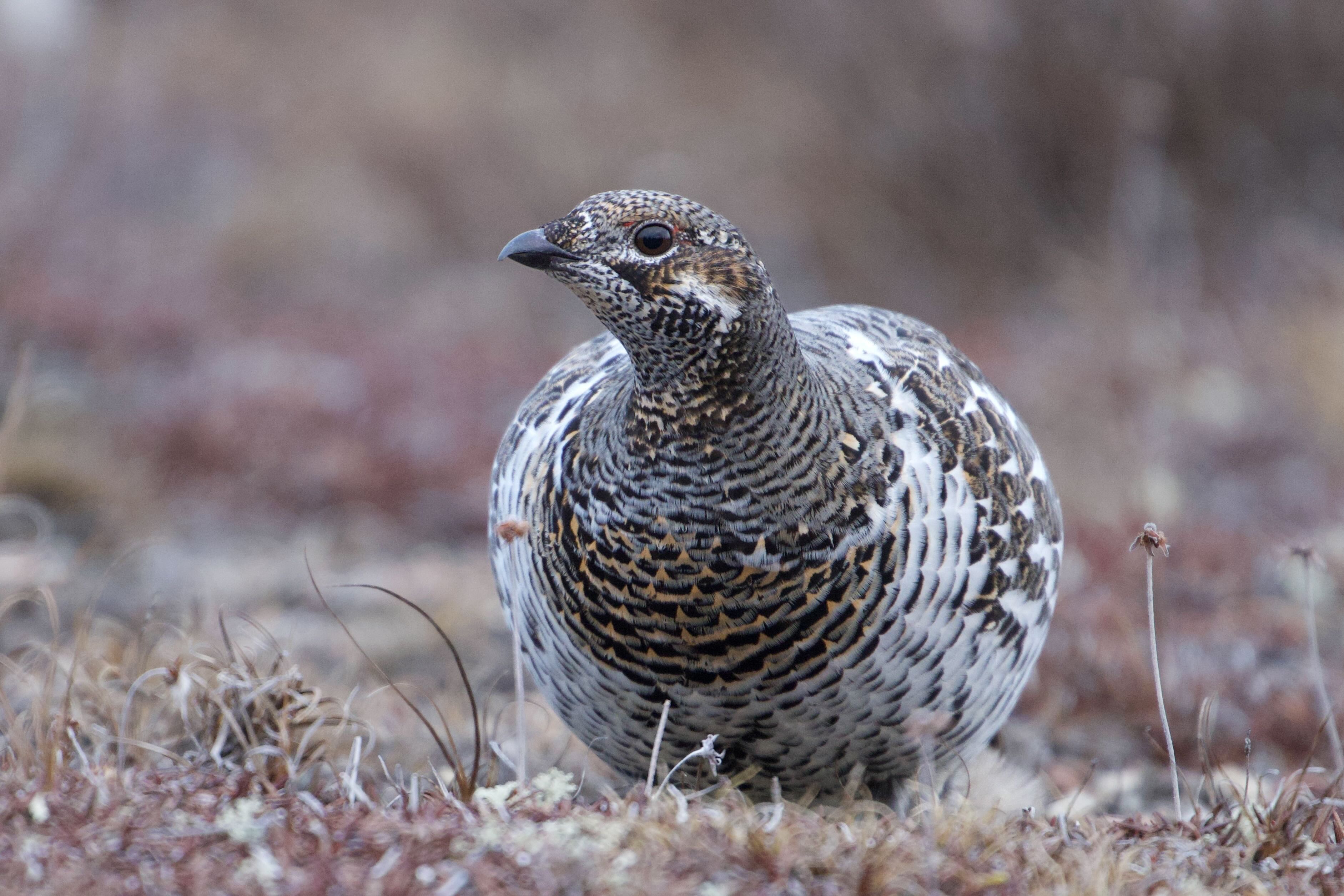
The spruce grouse (Canachites canadensis) survives winter on a diet of conifer needles. These needles are low in protein and extremely difficult to digest due to high cellulose content. To accommodate this diet, the spruce grouse’s digestive system enlarges during the winter:
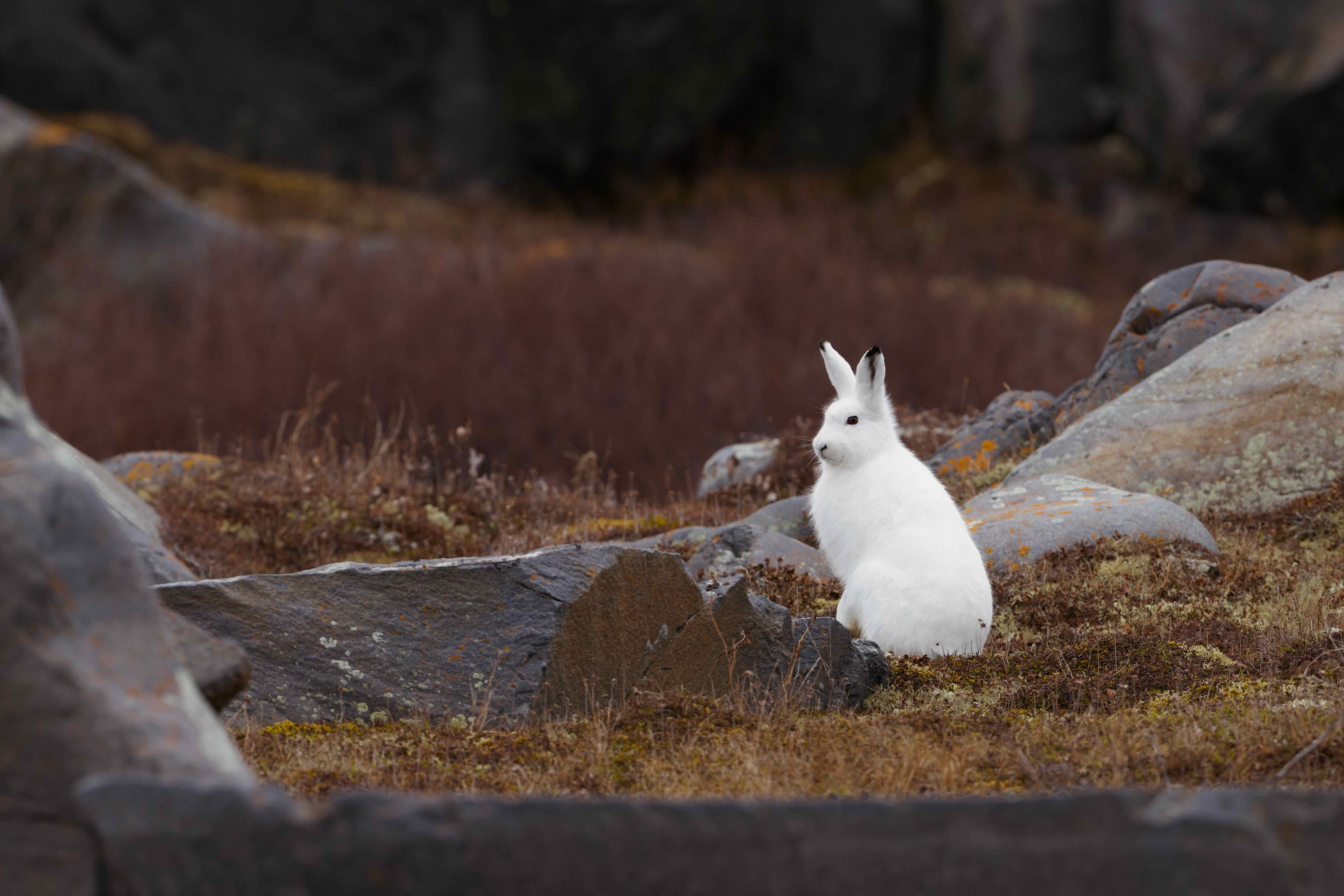
Arctic hares (Lepus arcticus) maintain normal body temperature (38.9°C) during the winter while despite a depressed basal metabolic rate. A reduced surface area to volume ratio through their compact body structure, combined with insulation from their thick fur and ~20 weight % body fat, enables them to maintain homeostasis:
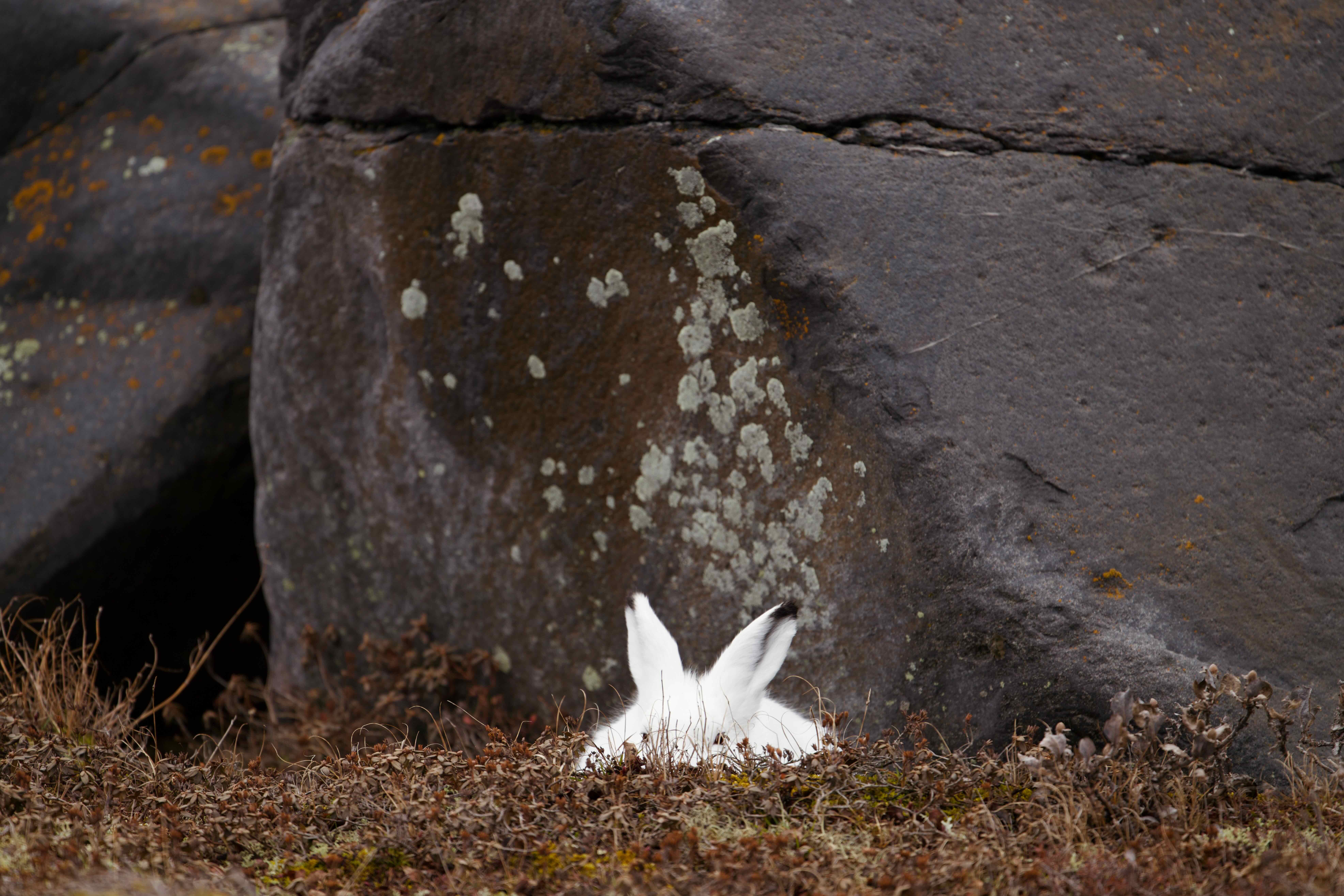
Willows comprise the hares’ primary food source in the barren arctic. They consume every part of willow shrubs, including bark, twigs, roots, leaves, and buds. While generally solitary animals, arctic hares “flock” during winter months. Groups can range from dozens to as many as 3,000 individuals, huddling for warmth and moving as a single body: