Readers’ wildlife photos

October 6, 2025 • 8:20 am

Today we have photos from New Zealand taken by reader Todd: birds, landscapes, and even a tuatara. His captions are indented and you can enlarge the photos by clicking on them.

Here are a few photos from a trip I took earlier this year to New Zealand. It’s a very beautiful country with many unique species of birds (many of which seem to have evolved a spherical body plan).

As you will see from the descriptions I (sadly) have no formal biology training, but I’ll do my best.

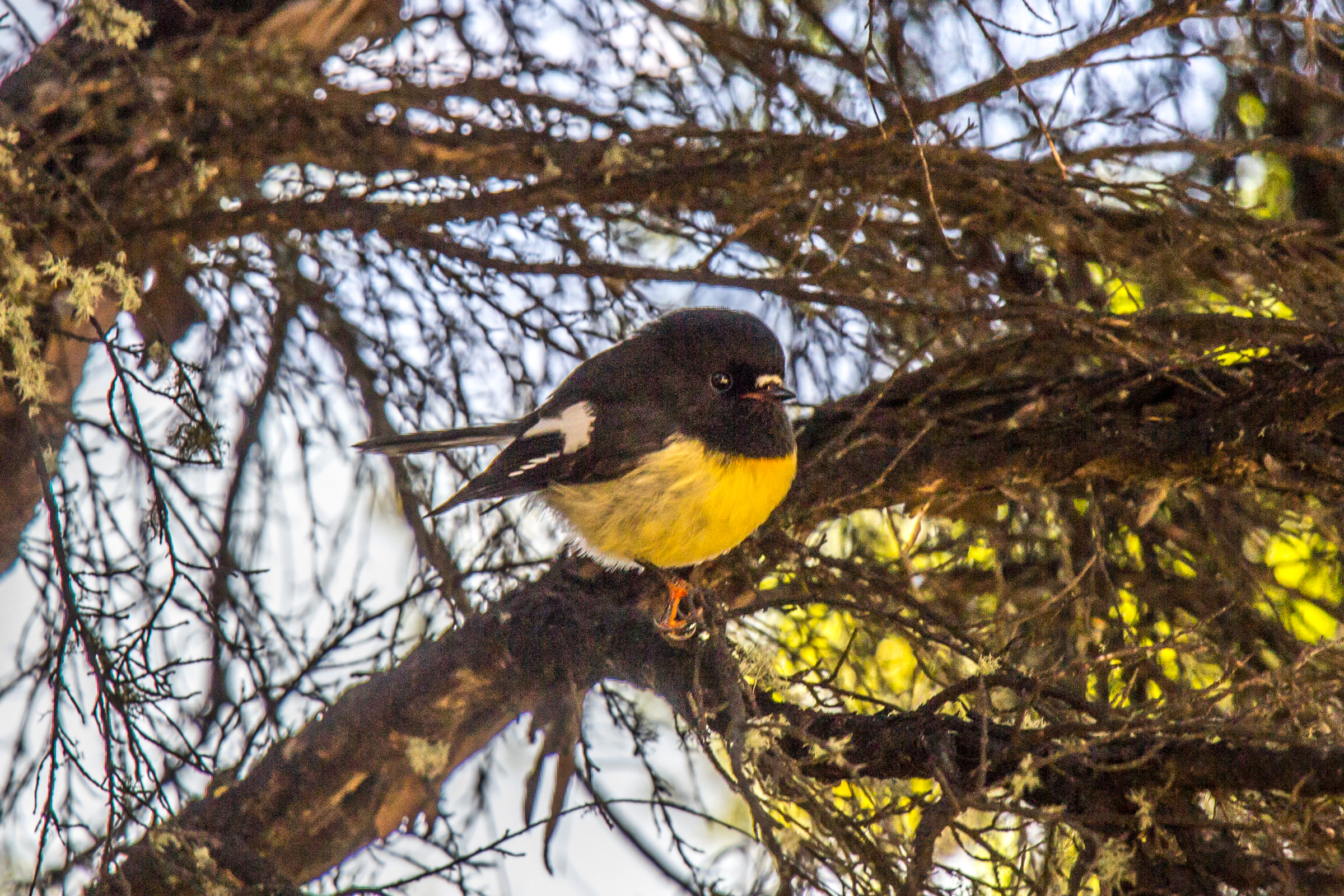
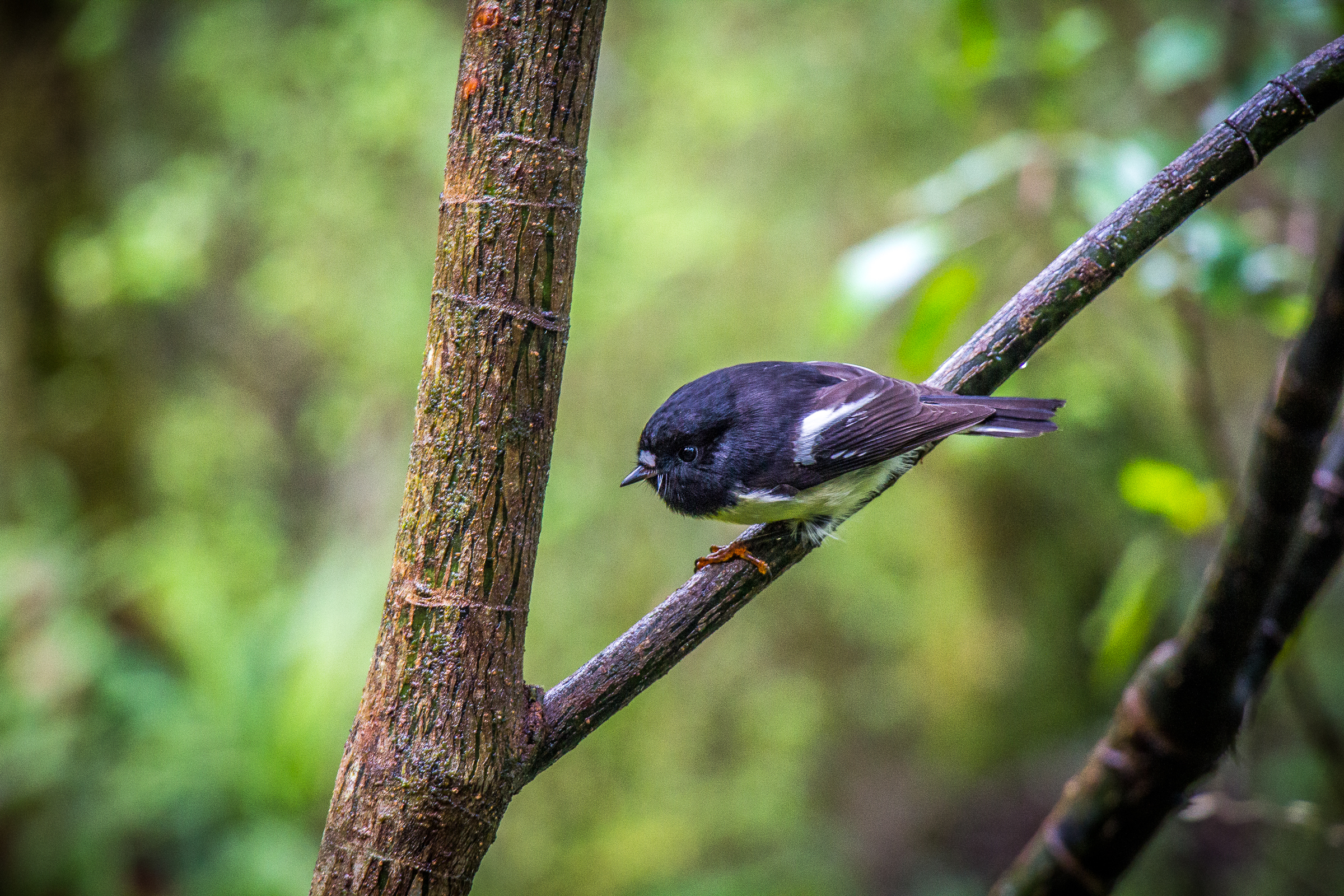
This is a tomtit (Petroica macrocephala). I put it at about a 5 out of 5 on the roundness scale:
These are one of my favorite New Zealand birds (despite being only moderately round) … New Zealand fantails (Rhipidura fuliginosa). They flit around in the manner of butterflies using their tails as air brakes all the while emitting squeaks that sound like someone squeezing a dog toy. The second bird looks angry, but it’s just squeaking:
These potato-shaped birds are Wekas (Gallirallus australis). They can’t fly so they stomp around like they mean business instead. They seem to have no innate fear, which might explain their status as a vulnerable species:

Red-Billed Gulls (Chroicocephalus novaehollandiae scopulinus) on the coast. I’ve included it because I thought the picture was pretty:

The Eurasian Blackbird (Turdus merula) is an introduced species, which probably explains its utter lack of sphericality:

These beautiful parrots are Kākās (Nestor meridionalis). They were photographed at Zealandia an enclosed eco-sanctuary near Wellington (there’s a perimeter fence to keep out the possums, weasels and cats). They are wild birds, but are attracted to the sanctuary thanks to feeders:

I think this is a North Island Robin (Petroica longipes). This tiny orb landed next to me and I was lucky to get its photo before it took off again:

Not the best picture, but I’m pretty sure this is a New Zealand bellbird (Anthornis melanura). I’ll bet it was named before Star Wars came out because its call sounds exactly like the sounds made by R2D2 and not like a bell at all:

I was stopped by the side of the road taking photos of the scenery, when I heard a ‘thunk’ and turned around to find a Kea (Nestor notabilis) on the roof of my Kia. I was initially thrilled, but like a bad house guest who overstays their welcome it soon became clear its true intent was to strip the rental car for parts it could fence on the black market. The Kea is universally described as “mischievous”, but I think people are just trying to be polite:

Tuatara (Sphenodon punctatus) – This reptile looks like a tiny dinosaur, and for good reason … it’s the sole surviving member of a group of ancient reptiles that lived alongside dinosaurs:

A lagniappe, the most famous shrub in all of New Zealand: The Wanaka Tree. The setting shows off the beauty of this wonderful country:

Readers’ wildlife photos

September 20, 2025 • 8:15 am

Well, this is the last batch we have so the feature will be suspended until I get more photos (I’m leaving for a week tomorrow, so hold on to any submissions for a week or so). Thanks.

Today we have the second batch of photos from Borneo by reader Loretta Michaels (her first batch, featuring mammals, is here).  This selection highlights birds and reptiles. Loretta’s IDs and notes are indented, and you can enlarge the photos by clicking on them.

My husband and I just got back from Borneo, a remarkable place for wildlife viewing (once you get over your jetlag from the long journey there…).  Here’s a sampling of the bird and reptile pics.

Stork-billed Kingfisher (Pelargopsis capensis) – Largest of all Kingfishers in Borneo, it was a common sight:

Blue-eared Kingfisher (Alcedo meninting):

Pacific swallow (Hirundo javanica) – this one was a common sight near the first lodge we stayed at in Sepilok:

Rhinoceros Hornbill (Buceros rhinoceros) – these guys are big and loud, with remarkable bills.  This one is the male, with the much larger bill:

White-crowned Hornbill (Berenicornis comatus):

Oriental Pied Hornbill (Anthracoceros albirostris):

Black-crowned Night Heron (Nycticorax nycticorax):

Buffy fish owl (Ketupa ketupu) – the photo quality isn’t great, I’m afraid.  We were having drinks one evening on the deck overlooking the river, when someone spotted this guy getting a drink.  I was taking the pic when someone turned on their flashlight:

Crested Serpent Eagle (Spilornis cheela) – They often feed on snakes, giving them their name and are placed along with the Circaetus snake-eagles in the subfamily Circaetinae:

Saltwater Crocodile (Crocodylus porosus) – Very large, intimidating creatures. to put it mildly:
Bornean Keeled Green Pit Vipers (Tropidolaemus subannulatus)  – Primarily arboreal and nocturnal, highly venomous. Juvenile males have rows of red-and-white bi-colored bars, while young females would sport narrow red-and-white rings.  As the males get older, the red halves of the red-and-white spots fade.  Adult females tend to have a complex pattern comprising a ground colour of cream, with broken bluish, greenish or turquoise bands, and a thick stripe of the same colour on the sides of the head:
Bornean Pit Viper (Craspedocephalus borneensis)? – I’m not sure about this white/silver snake.  Our guide thought it was definitely a viper, but even he wasn’t sure what kind.  It was climbing up the wall of a huge bat cave we were exploring (Gomantang Cave), probably looking for swiftlet nests (which are highly prized and harvested for bird’s nest soup in China).  The Chinese have a huge interest in these nests, as well as the bat guano.  They even have someone who sleeps inside a ramshackle hut in the middle of the cave to make sure guano poachers don’t come in – we had to wear masks just to handle 10 minutes in there because of the guano smell, I can’t imagine sleeping in there!:

Baby Green Sea Turtles (Chelonia mydas)- at the start of our trip, we went to Lankayan Island, which is a small island off of northeast Borneo that hosts a dive center and sits within a large marine reserve.  It’s teeming with sea turtles, and also incubates turtle eggs before releasing them.  Here’s a couple of the youngsters just before release:

Readers’ wildlife videos

September 19, 2025 • 8:15 am

I was about to post the sad news that we have only one batch of photos left, which is true, but then I remembered that Tara Tanaka in Florida gave me permission to show her videos, and she takes good ones. Going to her Vimeo page, I found two new ones that haven’t appeared here. So here they are, with Tara’s captions notes indented. Be sure to enlarge the videos by clicking on them and then on the four arrows at the bottom right.

However, I still need photos if this feature is to survive. I’ll be leaving Monday for a week, so please get some together and send them to me when you can. Thanks!

Tara’s Flickr page is here and her Vimeo page is here.

2025-05-25 Early morning surprise in the swamp – alligators mating

2025-06-12: Male bobcat from the living room window:

Readers’ wildlife photos

September 17, 2025 • 8:30 am

Reader Divy Figueroa and her husband, Ivan Alfonso, run an exotic-animal mobile vet operation in Florida near Orlando. (If you have an exotic animal that needs inspection or treatment, contact them). But they also have a gazillion pets, including several parrots, a dog, two cats (one of which, Jango, has been featured here), and well over a hundred turtles of many species. Divy sent me some pictures of their setup and then some special pictures of “cherry-head” tortoises, an eastern variant of the red-footed tortoise (Chelonoidis carbonarius) from the Amazon basin.

Divy’s captions are indented, and you can enlarge the photos by clicking on them.  It began when I simply asked Divy to send me a photo of their backyard turtle-rearing facilities, and was stunned to get these photos:

Here are some photos of several enclosures and ponds we have on our property. This enclosure houses 4 turtles, all inside the water tub:
These waterland tubs are the most common on our property. They come in 3 different sizes (these are medium). Turtles can come out to dry, bury themselves, or lay eggs.

These are our 4 largest ponds. They house an assortment of turtle species, including soft-shells and hard-shell turtles. As you can see, the first two have vegetation, but the last two do not. This is because we recently introduced some turtles to the last two, and they completely eradicated all the vegetation. The cows! Ivan will be re-seeding the ponds soon, so they have plenty of vegetation for food, but also to protect from the sun and from herons that like to pillage the ponds, searching for fish and possibly baby turtles. 

The turtles are not for sale, but are more or less “pets”. They’ve been acquired over the years as rescues, donations, and some purchases.

And the cherry-heads:

These are some of my cherry-head tortoises. They are completely terrestrial, but they have a shallow trough of water for drinking and wading into. They are very personable, and though they had already eaten, they were coming to see what I had to offer. They are one of my favorites.


All you have to do is walk by their pen, and they just walk over to you! Of course, they’re always hoping for a treat, as they are eating machines. We feed them kale, turnip greens, cactus pads, hibiscus and mulberry leaves, wildflowers, carrots, shredded squash and zucchini. Every so often they get some papaya or other fruit, but only as a treat. We’ll also make them commercial reptile gels for some protein.

We have 6 adults, divided in 2 pens.

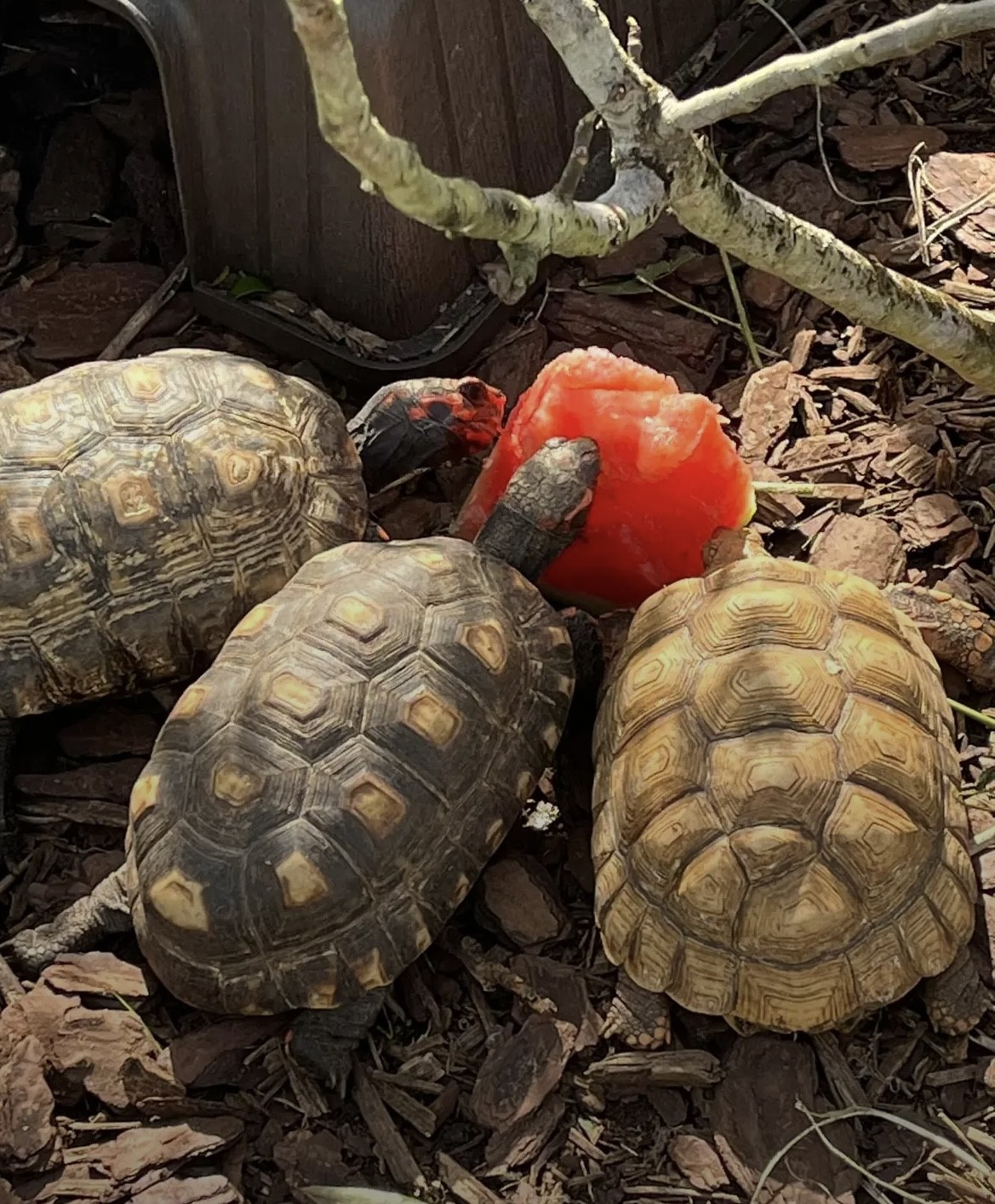
The cherry head on the right is Herschel, the daddy and the only male in the pen. The tortoise on the left is actually a hybrid of a red-footed and a sulcata {an African spurred tortoise, Centrochelys sulcata]. She was gifted to us several years ago, and she is part of the gang. I have never observed Herschel breeding her to date. [JAC: The middle tortoise is a female cherry-head.]

We don’t feed fruit often, but they get every so often as a treat. Here they were enjoying a nice piece of watermelon on a hot summer day.

They see you come by the enclosure, and they will come right over to see if you have any food for them.

We found 3 eggs in one of the pens earlier this year, but only one hatched. Here are pics of the baby, who is now almost 4 months old:

Hatching:

It was so tiny when it hatched. The picture doesn’t capture how tiny it was!  [JAC: note the dime, though, for scale! See here for photos of two other species of tortoises hatching in their care.]

This was taken today. Notice all the red, thus the name, cherry head.  [JAC: taken yesterday].

Divy and Jango:

Spot the viper!

September 14, 2025 • 8:00 am

Here’s a “spot the. . .” photo from reader Stephen Warren. His notes:

See if you can spot the baby viper in here. I think it is a horned desert viper [Cerastes cerastes], but not certain.

It was photographed a couple of days ago in the Fish River Canyon, Namibia. I did the 4-day trek, finishing yesterday, with my daughter Charlotte and two of her friends. I first heard of the trek when I read about it here in WEIT, and I immediately wanted to do it!

Can you spot it? I think it’s a bit harder than medium difficulty.  Click to enlarge it. If you find it, don’t give the location in the comments; just say “I found it” and add any notes you had about how hard it was.

There will be a reveal at 11 a.m. Chicago time.

Readers’ wildlife photos

September 9, 2025 • 8:15 am

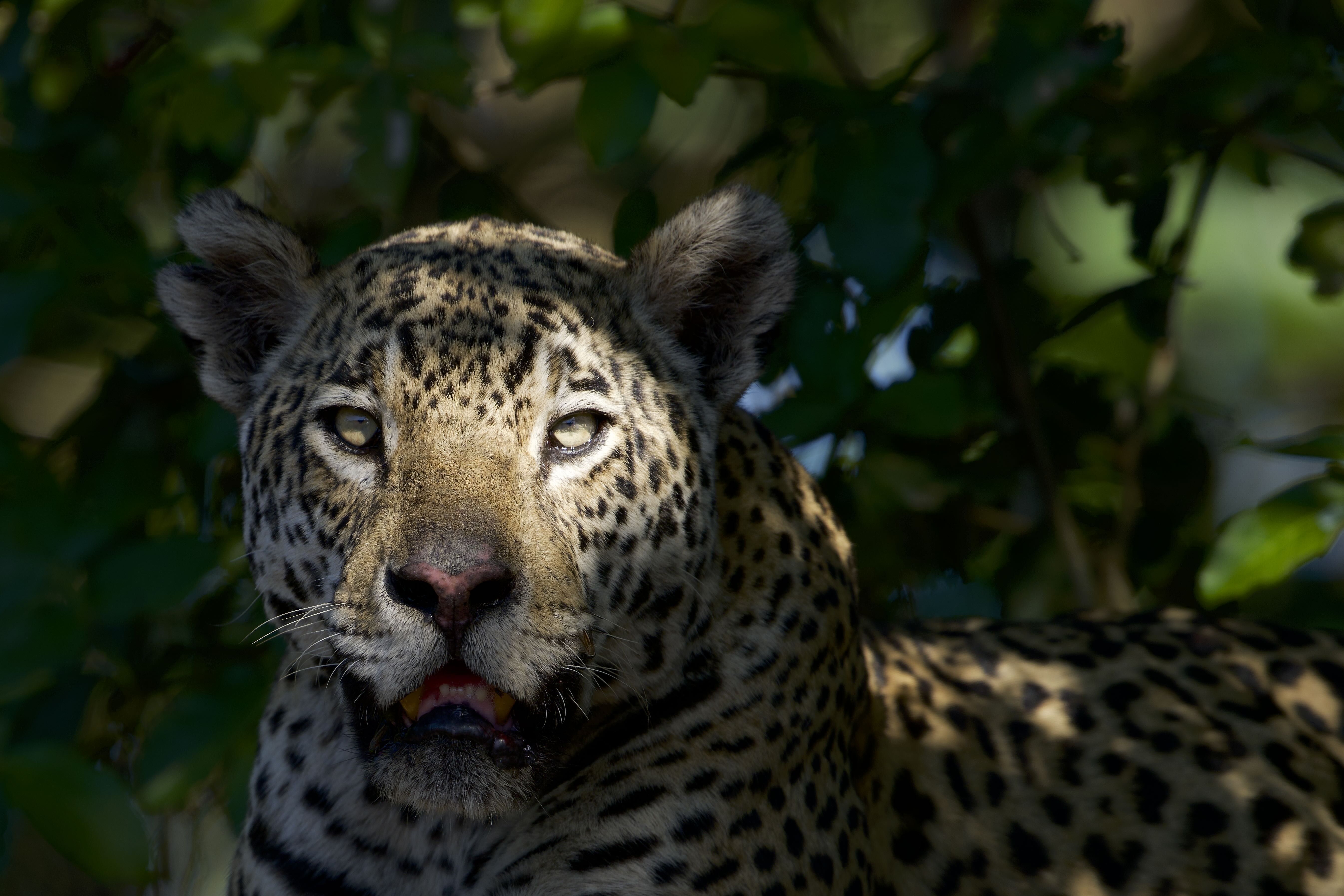
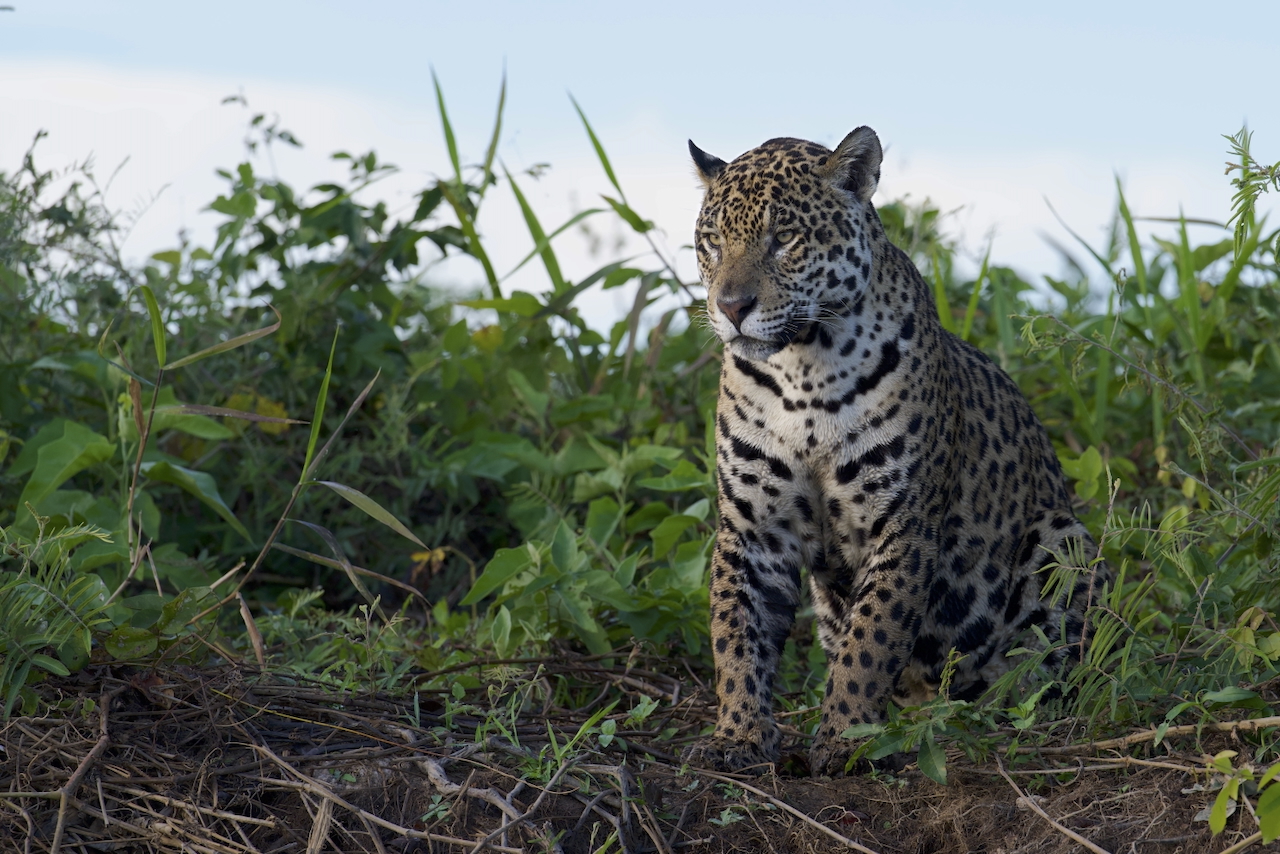
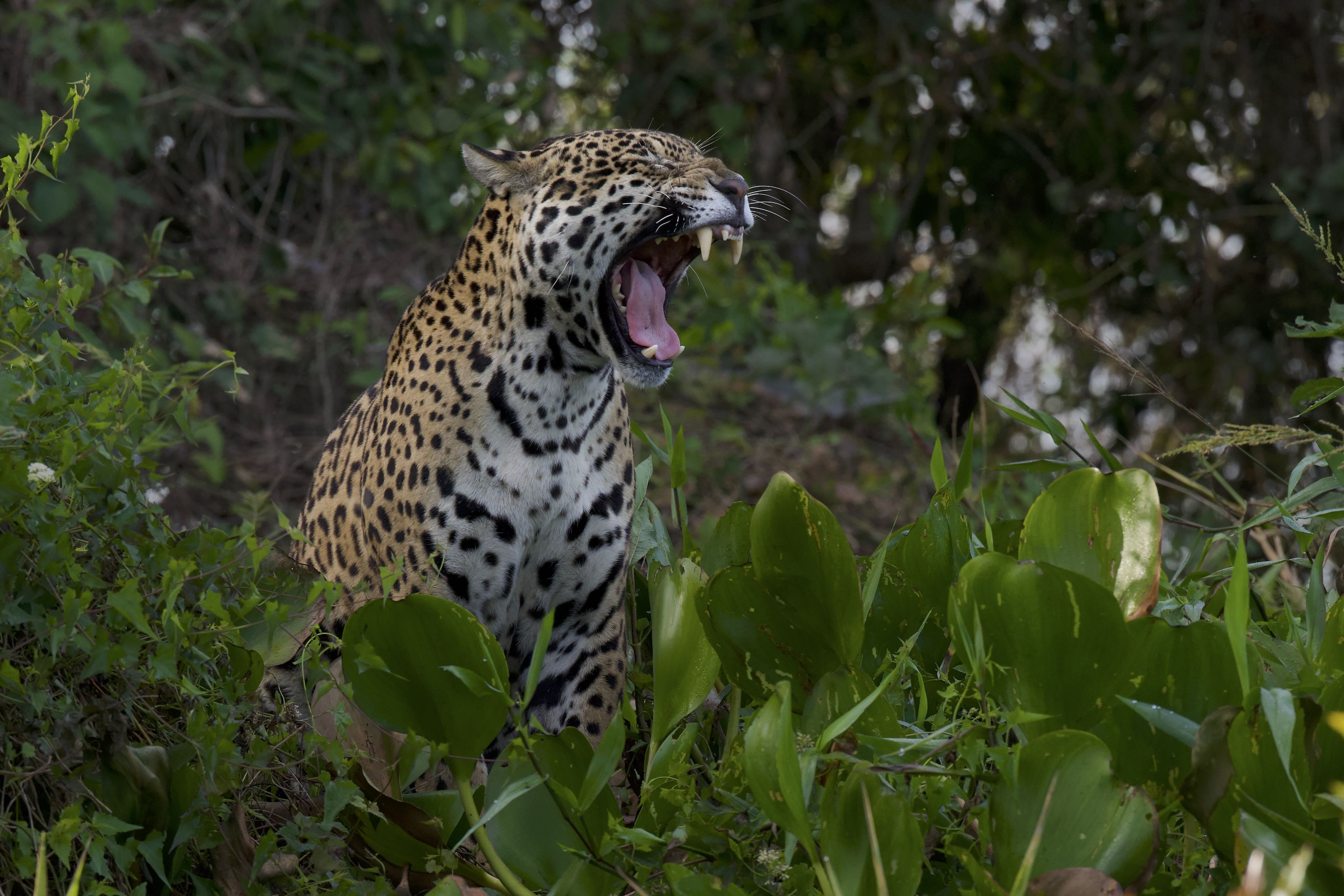
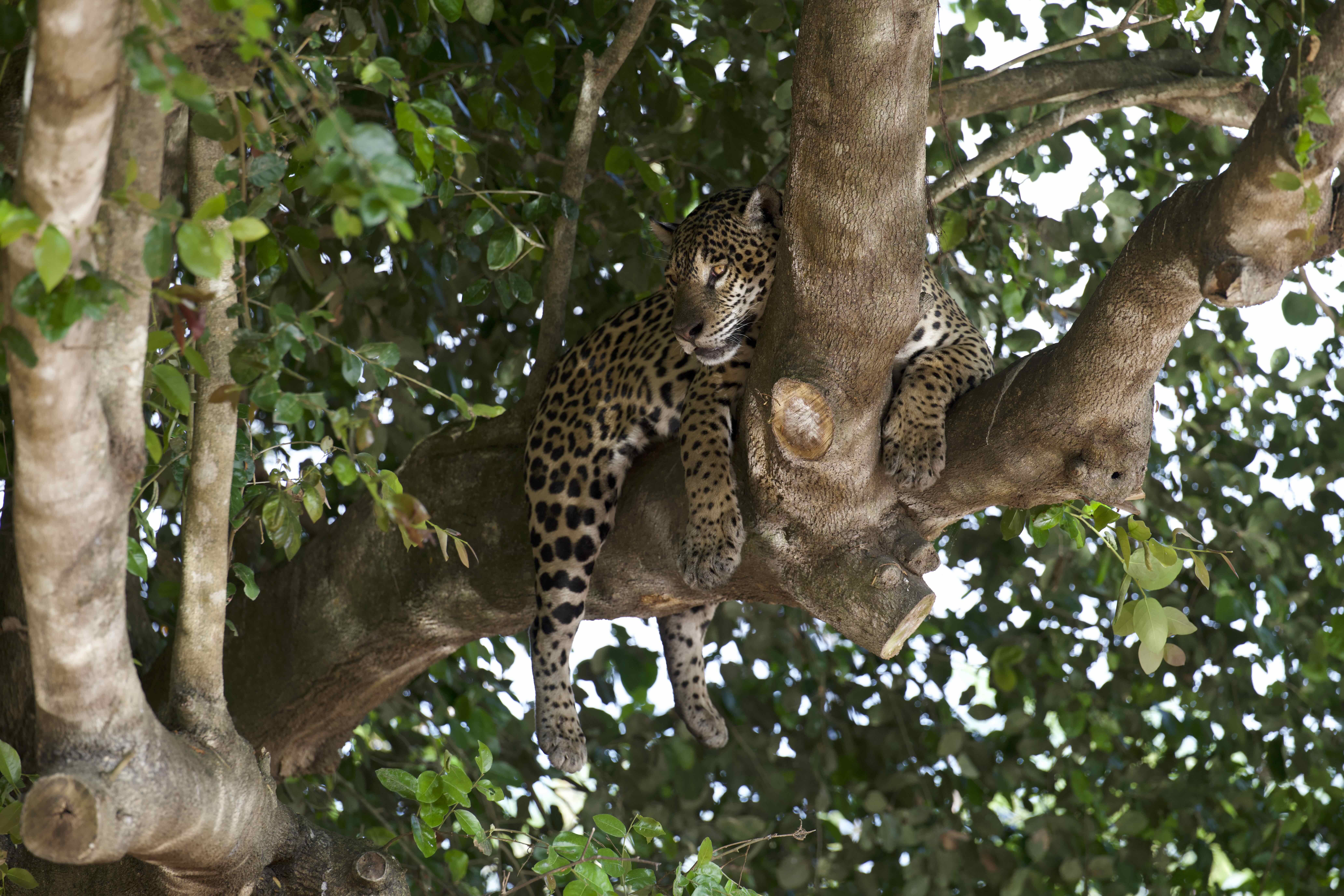
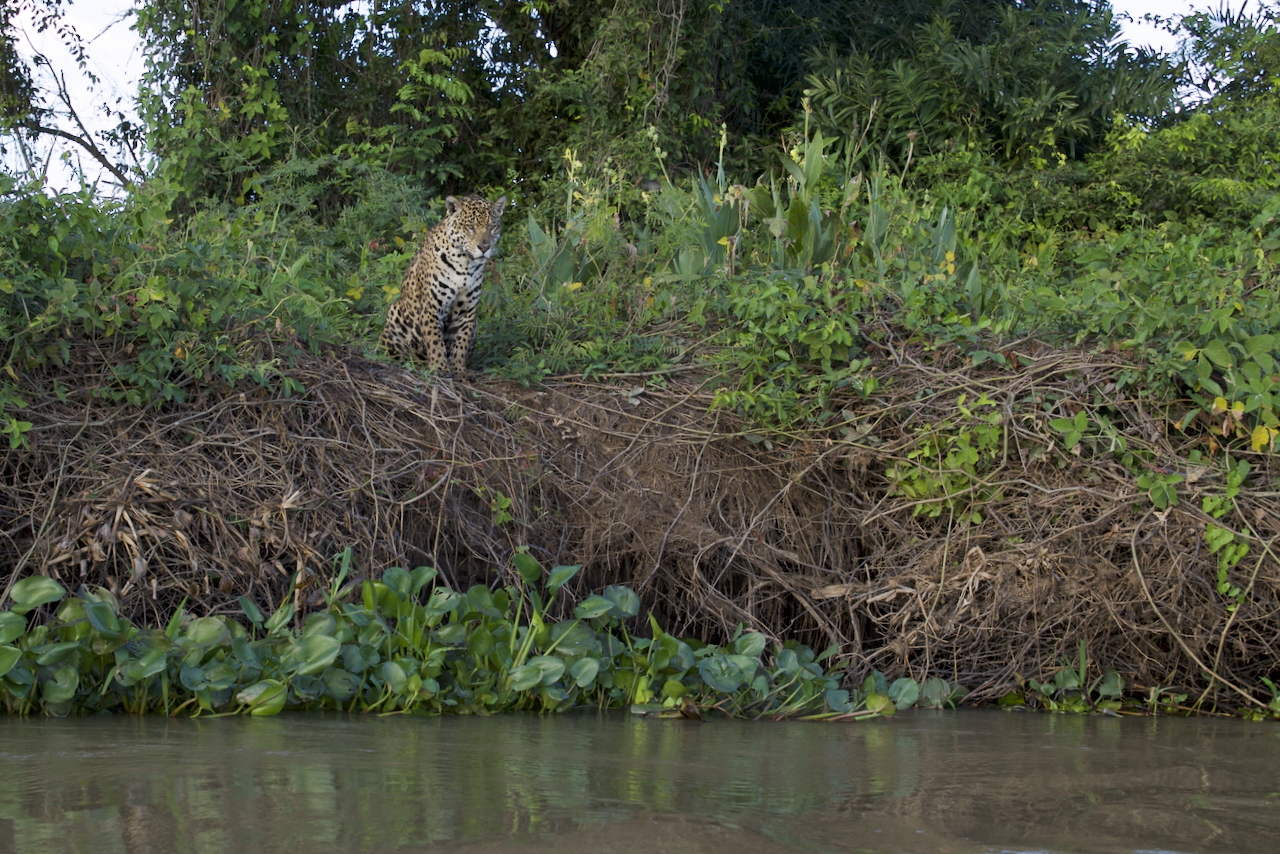
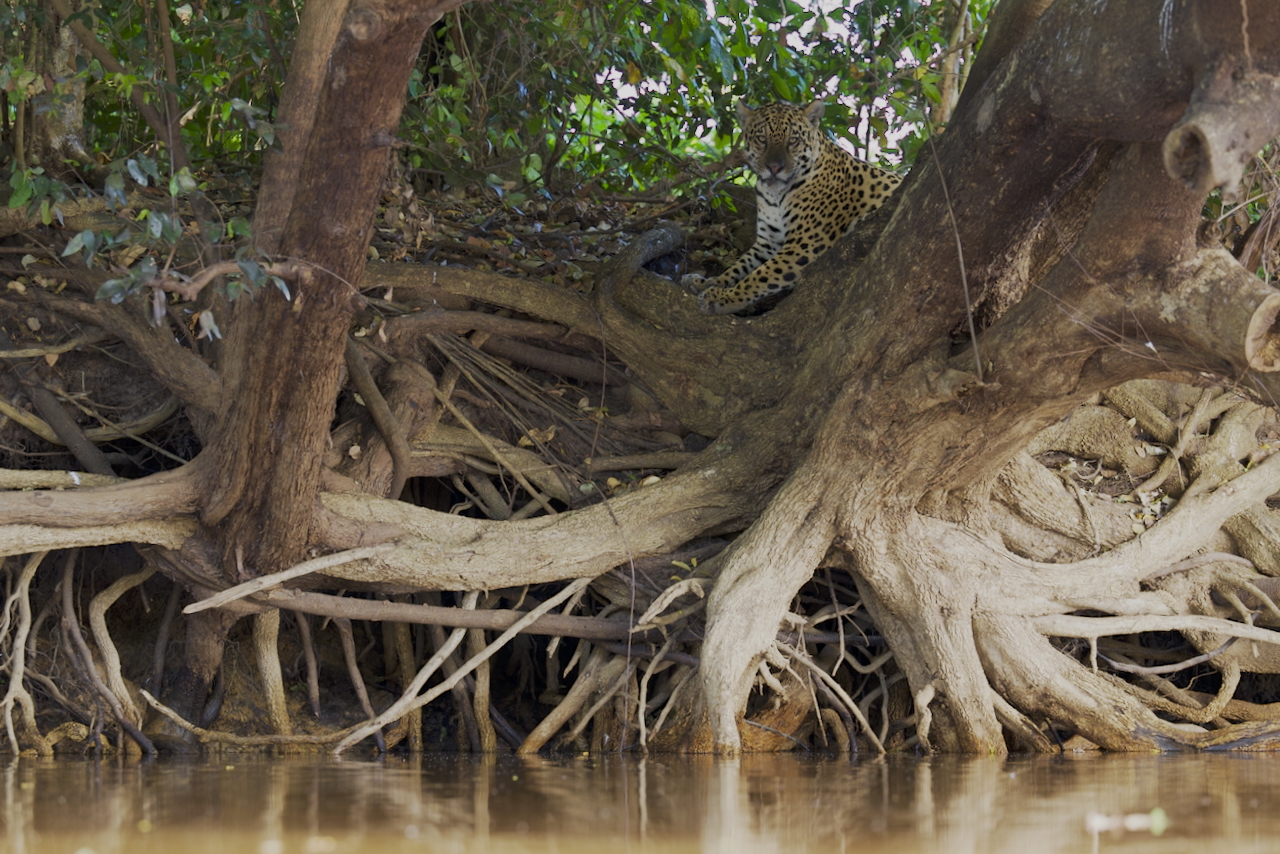
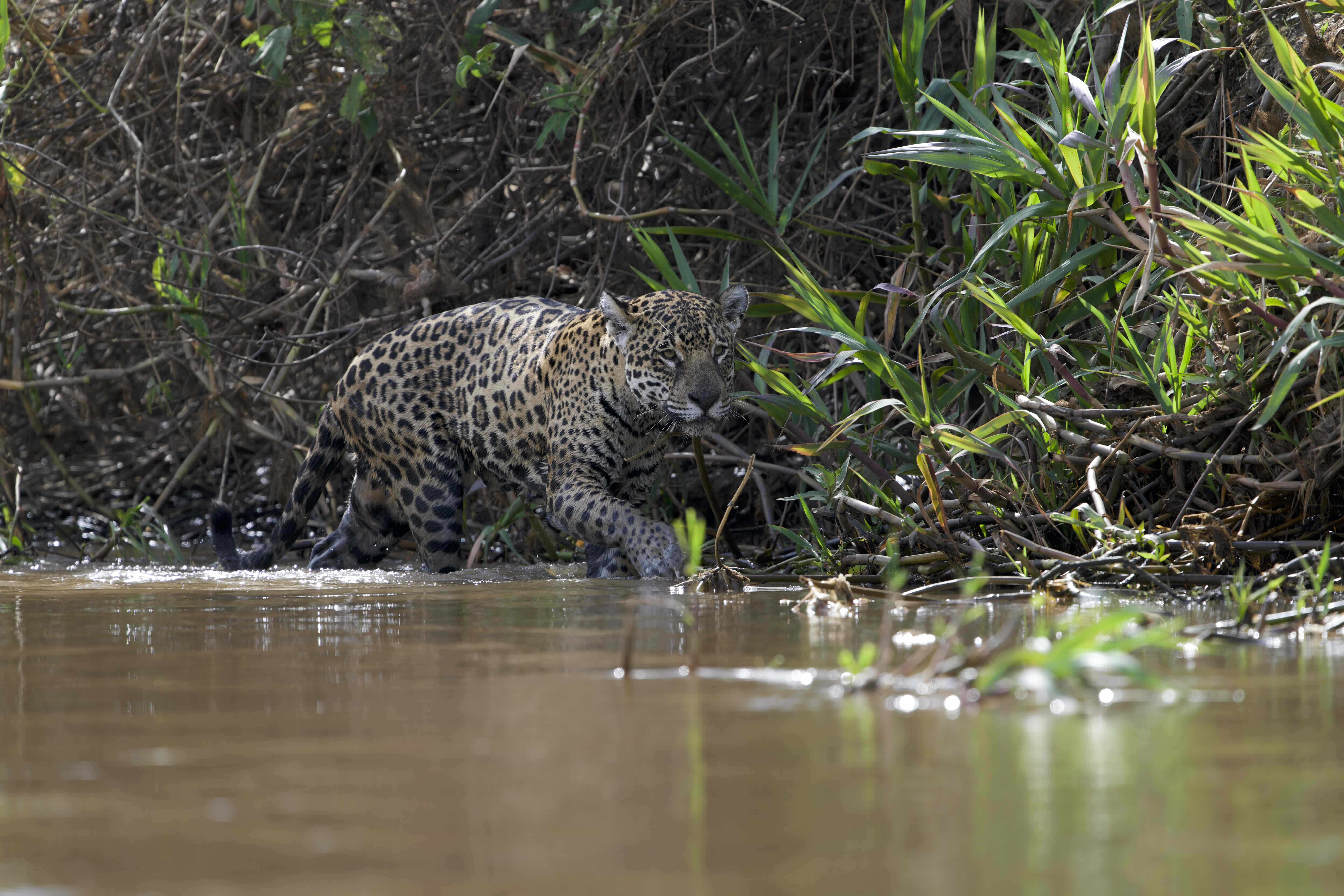
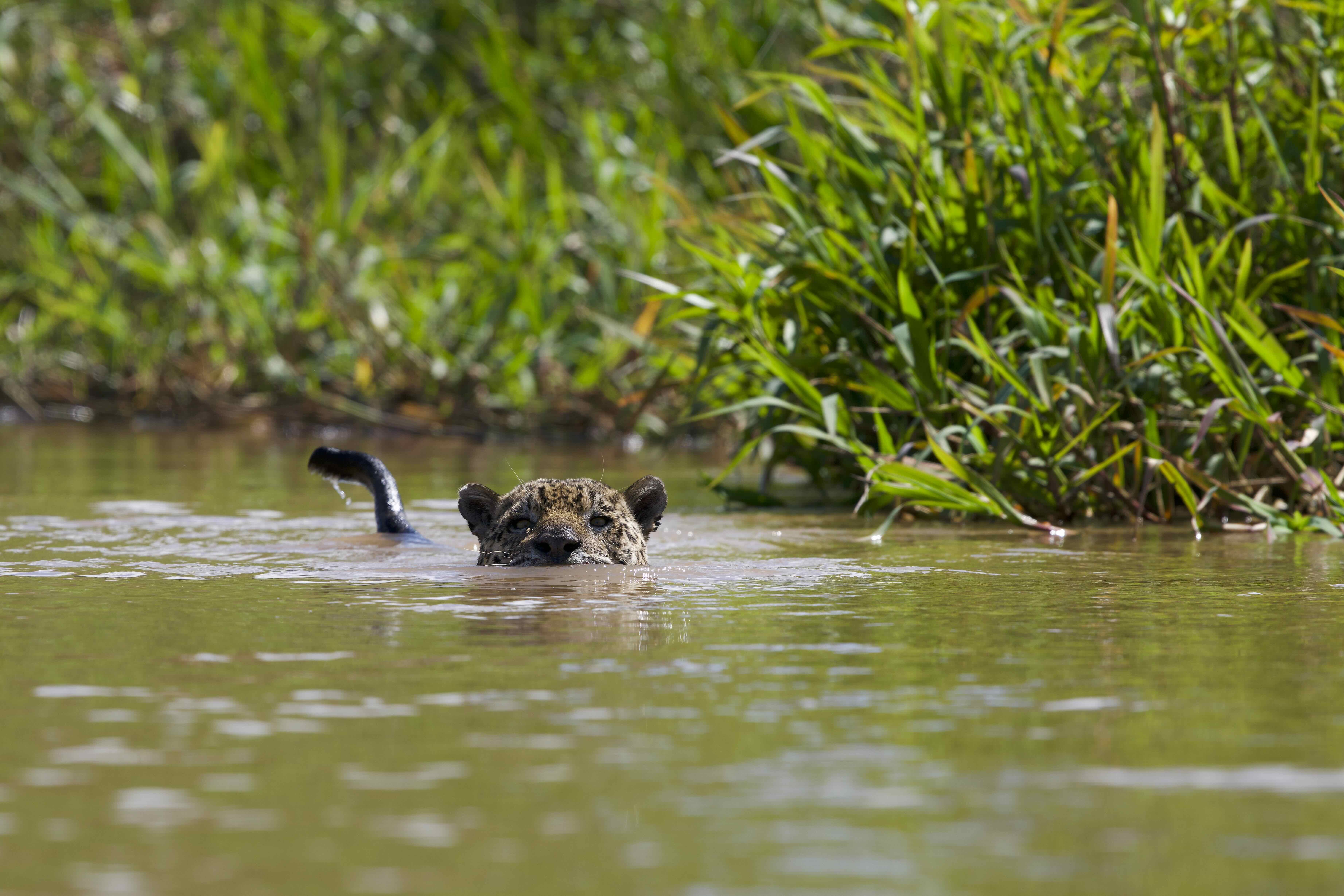
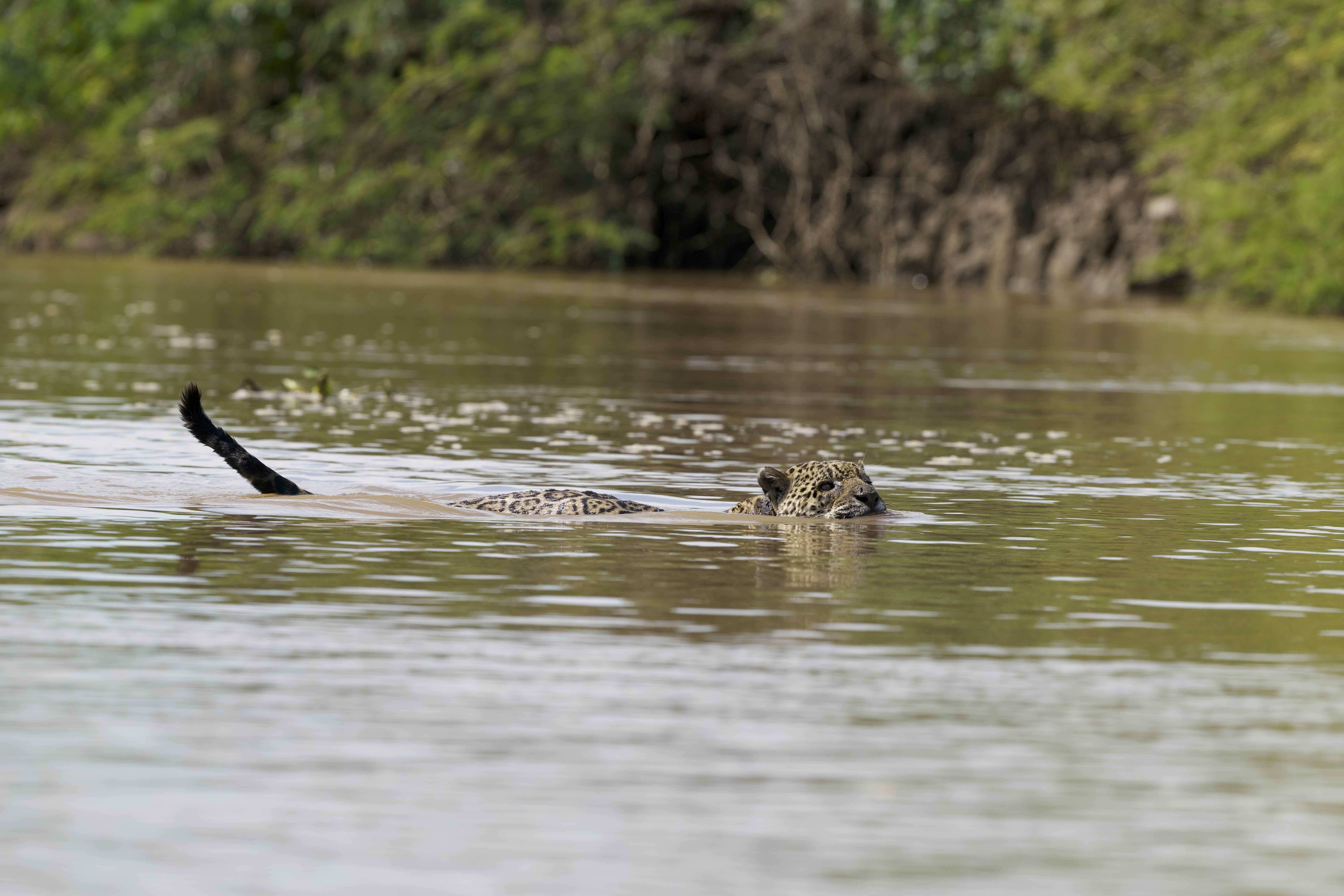
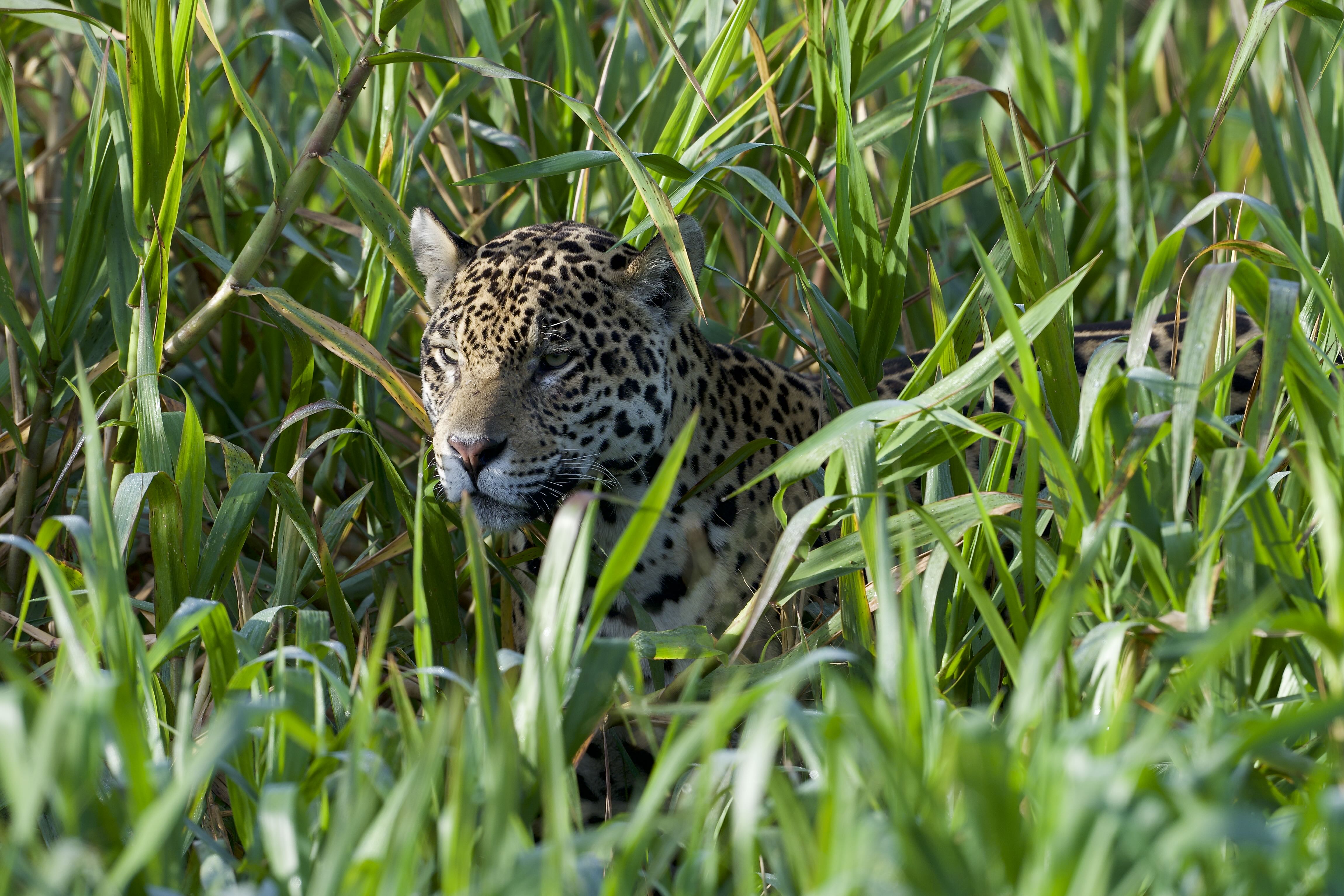
Today Epharim Heller continues his journey through Brazil’s Pantanal region with some photos of jaguars (BIG CATS!) and a reptile. Ephaim’s captions are indented, and you can enlarge the photos by clicking on them.

 These photos are from my July 2025 trip to Brazil’s Pantanal, the world’s largest tropical wetland area and largest flooded grasslands.

After I sent out my last batch of Pantanal photos a good friend wrote me: “That’s enough with the bird shots. Send the Jaguar photos already!” I can read the crowd.

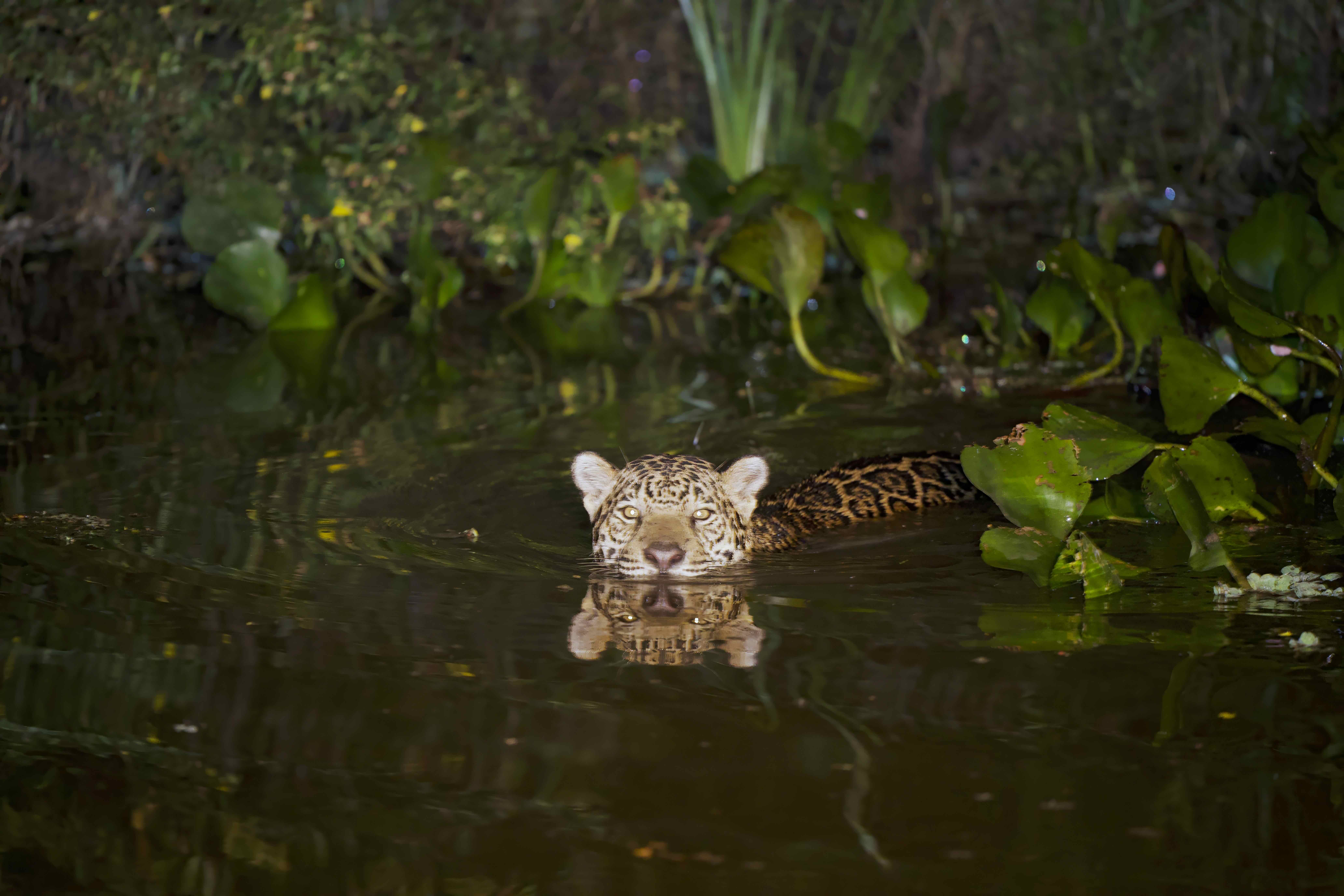
Brazil hosts the largest jaguar (Panthera onca) population globally, with roughly 80,000 individuals. The Amazon basin accounts for approximately 90% of the world’s jaguar population. The Brazilian Pantanal has only about 5,000 individuals, but it has the highest density of jaguars anywhere. Hence the Pantanal jaguars are easier to observe and photograph than those dwelling in the Amazon rainforests. All but one of the photos below were taken from small outboard motorboats on the rivers of the Pantanal.

The Pantanal encompasses an estimated 140,000-195,000 square kilometers. Its defining characteristic is its annual flood-drought cycle. During the wet season (November-April), approximately 80% of the Pantanal floods. This seasonal inundation results in behaviors that are unique among both jaguars and felids generally.

Not surprisingly, the size of a jaguar’s home range varies seasonally. What is surprising is that the location of the home range does not: jaguars have adapted to exploit flooded forest habitats rather than migrating to higher ground. For example, in some areas of the Pantanal jaguars spend up to four months living in trees, where they hunt, mate, and raise cubs.


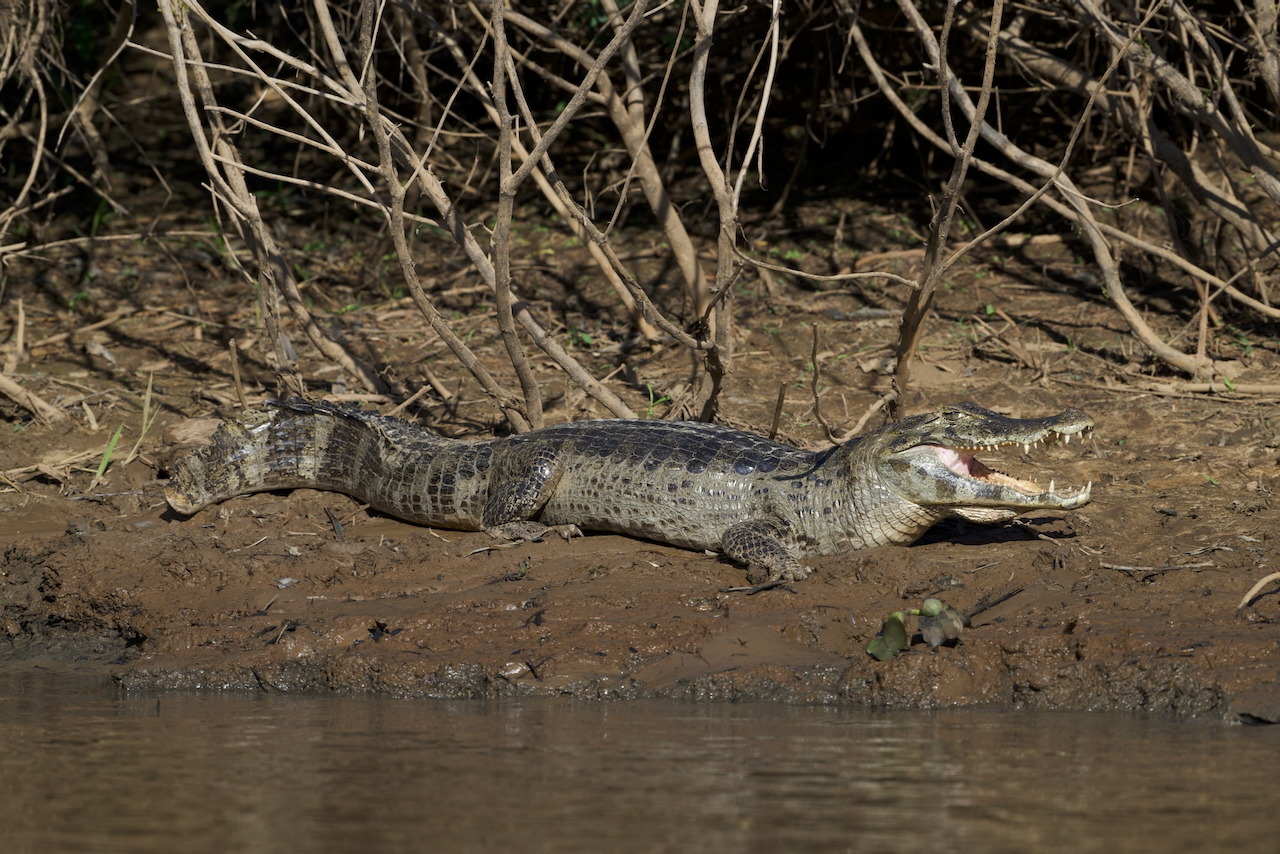
Pantanal jaguars have also adapted their diets, with aquatic prey comprising a larger proportion of their diet than terrestrial mammals. Caimans (Caiman yacare) represent a primary prey species, with the jaguars having evolved specialized hunting techniques. They are ambush predators and kill large caiman by biting the back of their necks and piercing their skulls.

In some areas fish comprise nearly 50% of their diet. Their terrestrial menu includes armadillos, peccaries, capybaras, and birds.

Unlike jaguars in other regions that must maintain large territories to secure sufficient terrestrial prey, Pantanal jaguars can meet their energy requirements in smaller areas due to the plentiful food in and along the rivers. This has led to behavioral adaptations. Contrary to the solitary nature typical of jaguars, Pantanal populations exhibit high social tolerance and cooperative behaviors including overlapping home ranges, joint territorial patrols, and cooperative hunting. Camera traps have documented male jaguars engaging in joint territory marking, collaborative chasing of rival males, and prey sharing. Some male coalitions have persisted for over seven years.

There are multiple threats to the Pantanal’s jaguar population. Most dramatically, climate change has intensified Pantanal wildfire frequency and severity. The catastrophic 2020 fires burned 31% of the Pantanal and affected an estimated 45% of the jaguar population. Recovery from such large-scale disturbances takes years to decades.

Cattle ranching occupies approximately 80% of the Pantanal, creating conflict between jaguars and livestock. Conservative estimates suggest 200-300 jaguars are killed annually by ranchers in the Pantanal. The good news is that ranchers increasingly recognize the economic value of jaguars for tourism – we stayed in two agritourism hotels located on cattle ranches.