
Today Epharim Heller continues his journey through Brazil’s Pantanal region with some photos of jaguars (BIG CATS!) and a reptile. Ephaim’s captions are indented, and you can enlarge the photos by clicking on them.
These photos are from my July 2025 trip to Brazil’s Pantanal, the world’s largest tropical wetland area and largest flooded grasslands.
After I sent out my last batch of Pantanal photos a good friend wrote me: “That’s enough with the bird shots. Send the Jaguar photos already!” I can read the crowd.
Brazil hosts the largest jaguar (Panthera onca) population globally, with roughly 80,000 individuals. The Amazon basin accounts for approximately 90% of the world’s jaguar population. The Brazilian Pantanal has only about 5,000 individuals, but it has the highest density of jaguars anywhere. Hence the Pantanal jaguars are easier to observe and photograph than those dwelling in the Amazon rainforests. All but one of the photos below were taken from small outboard motorboats on the rivers of the Pantanal.
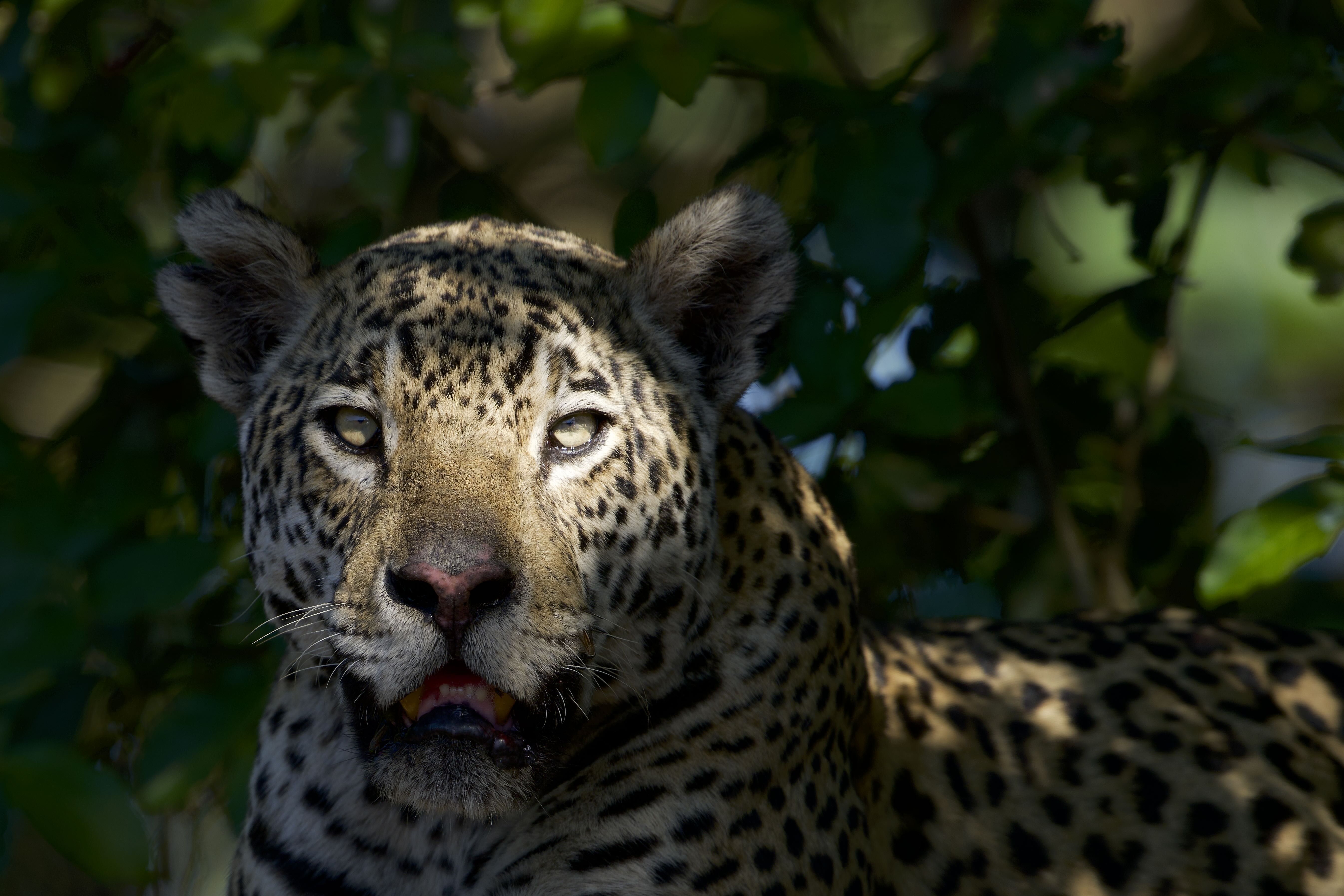
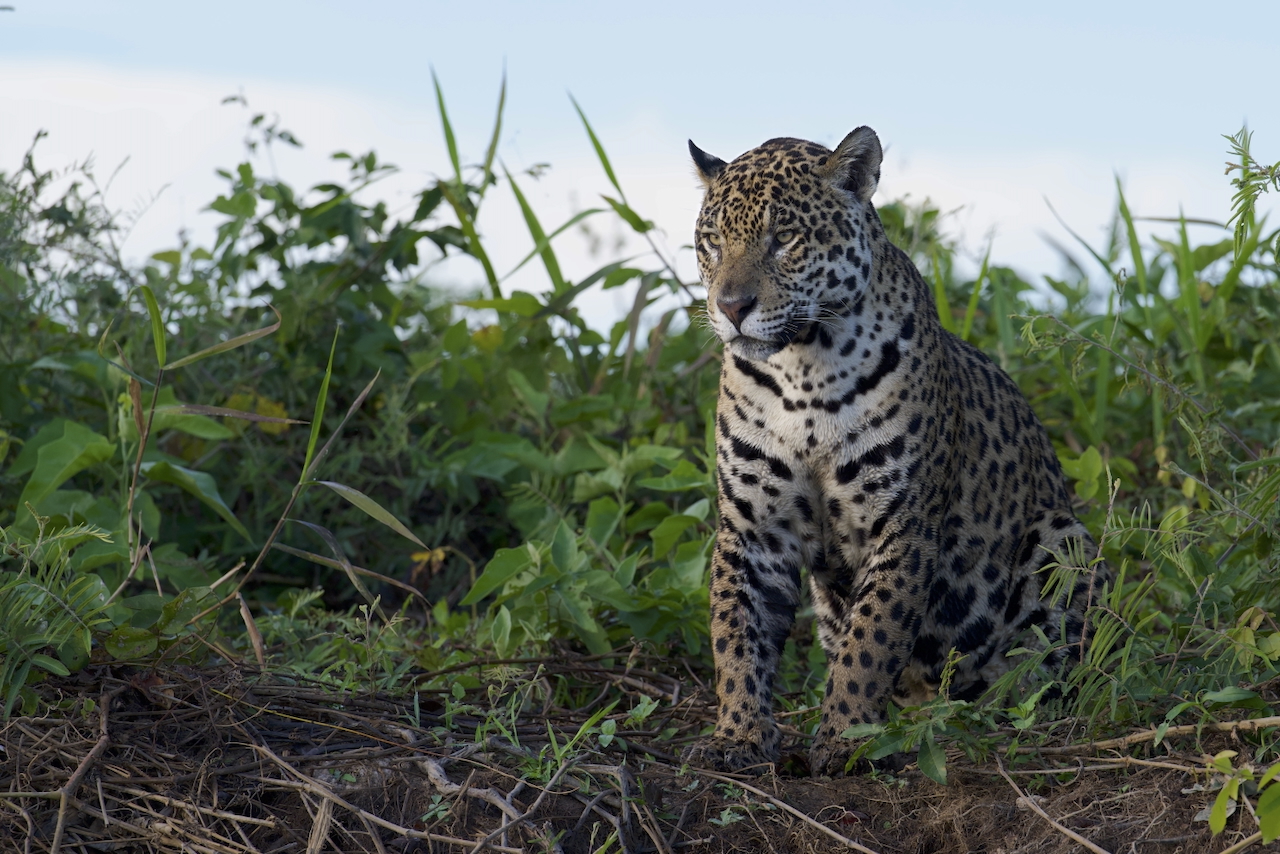
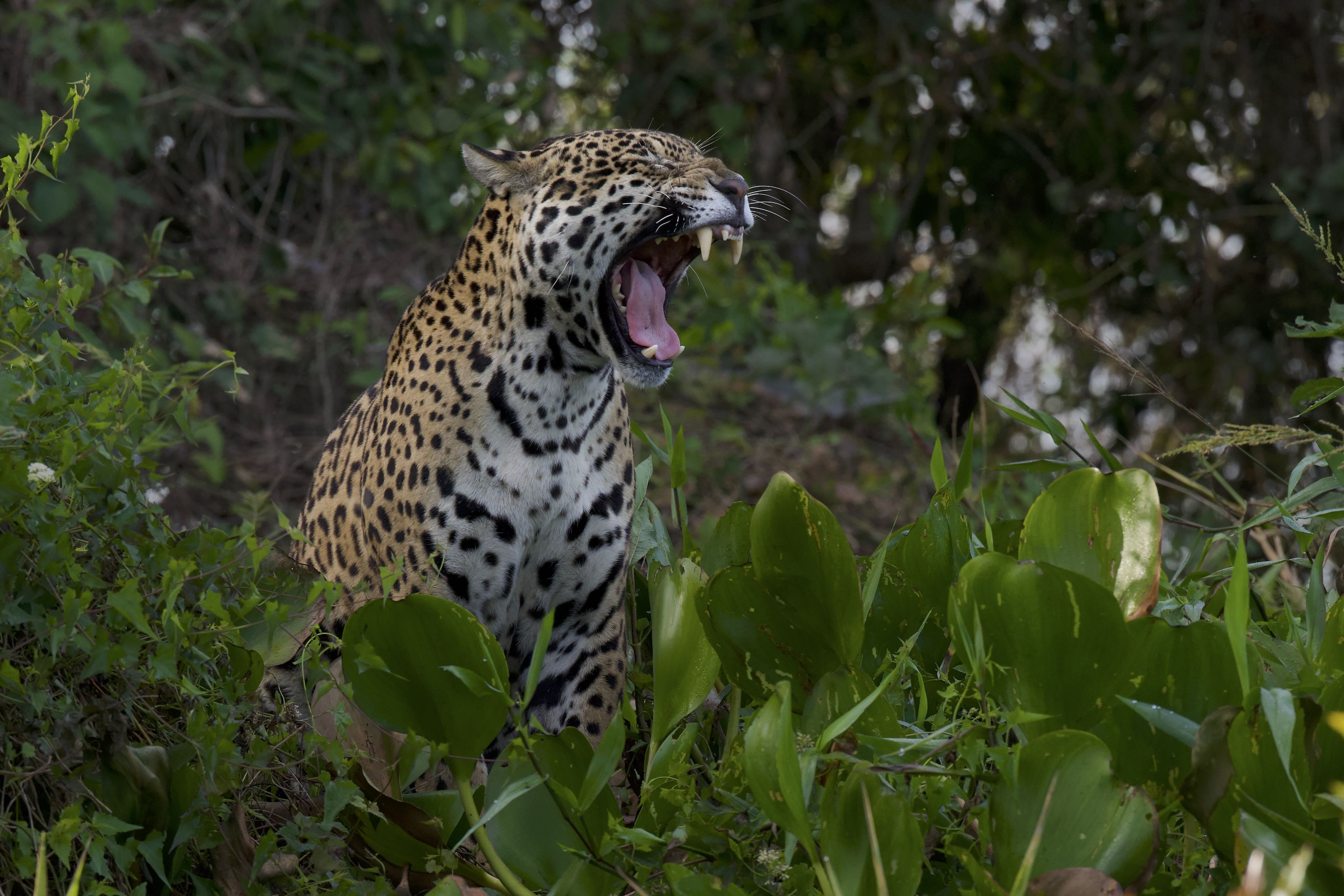
The Pantanal encompasses an estimated 140,000-195,000 square kilometers. Its defining characteristic is its annual flood-drought cycle. During the wet season (November-April), approximately 80% of the Pantanal floods. This seasonal inundation results in behaviors that are unique among both jaguars and felids generally.

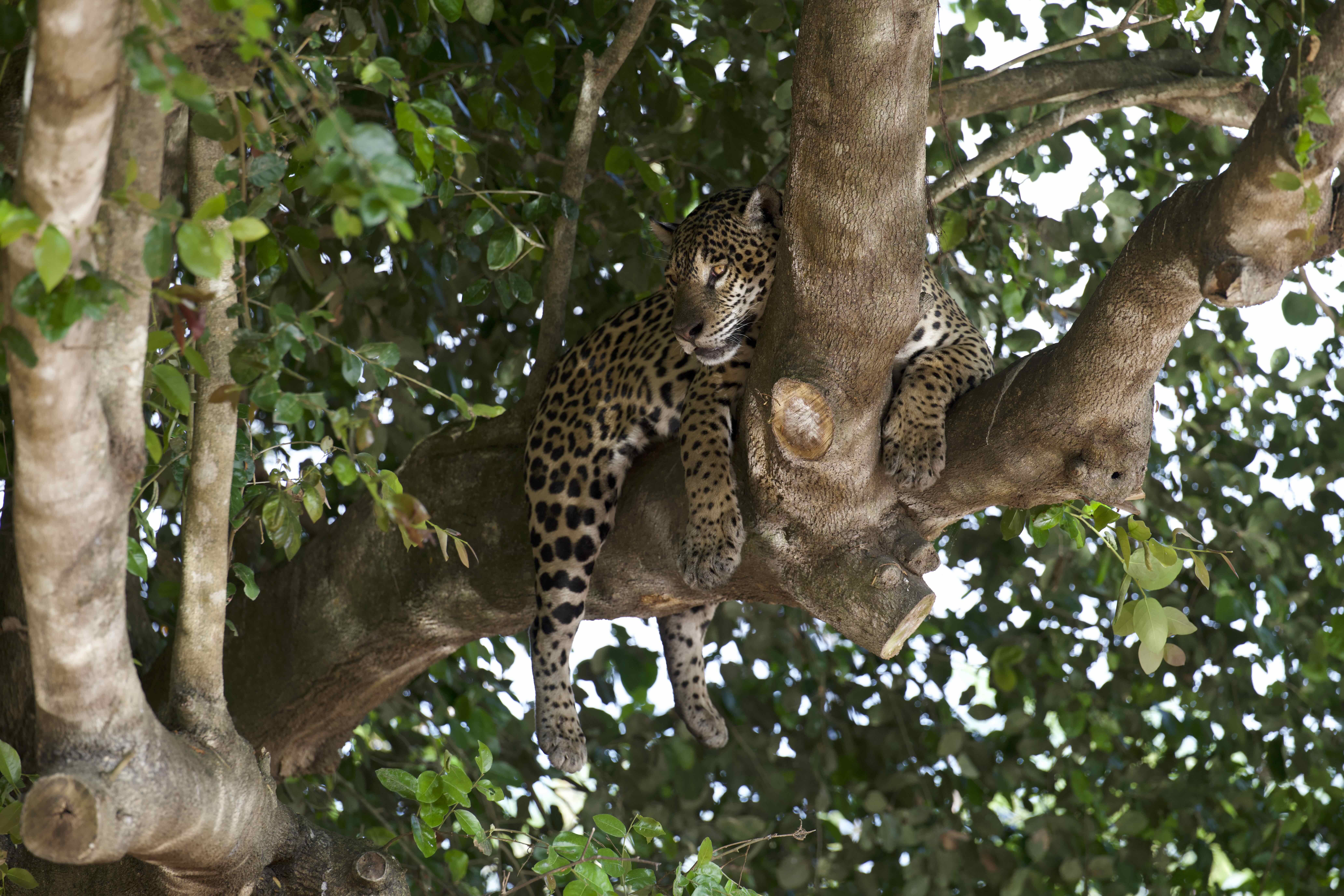
Not surprisingly, the size of a jaguar’s home range varies seasonally. What is surprising is that the location of the home range does not: jaguars have adapted to exploit flooded forest habitats rather than migrating to higher ground. For example, in some areas of the Pantanal jaguars spend up to four months living in trees, where they hunt, mate, and raise cubs.
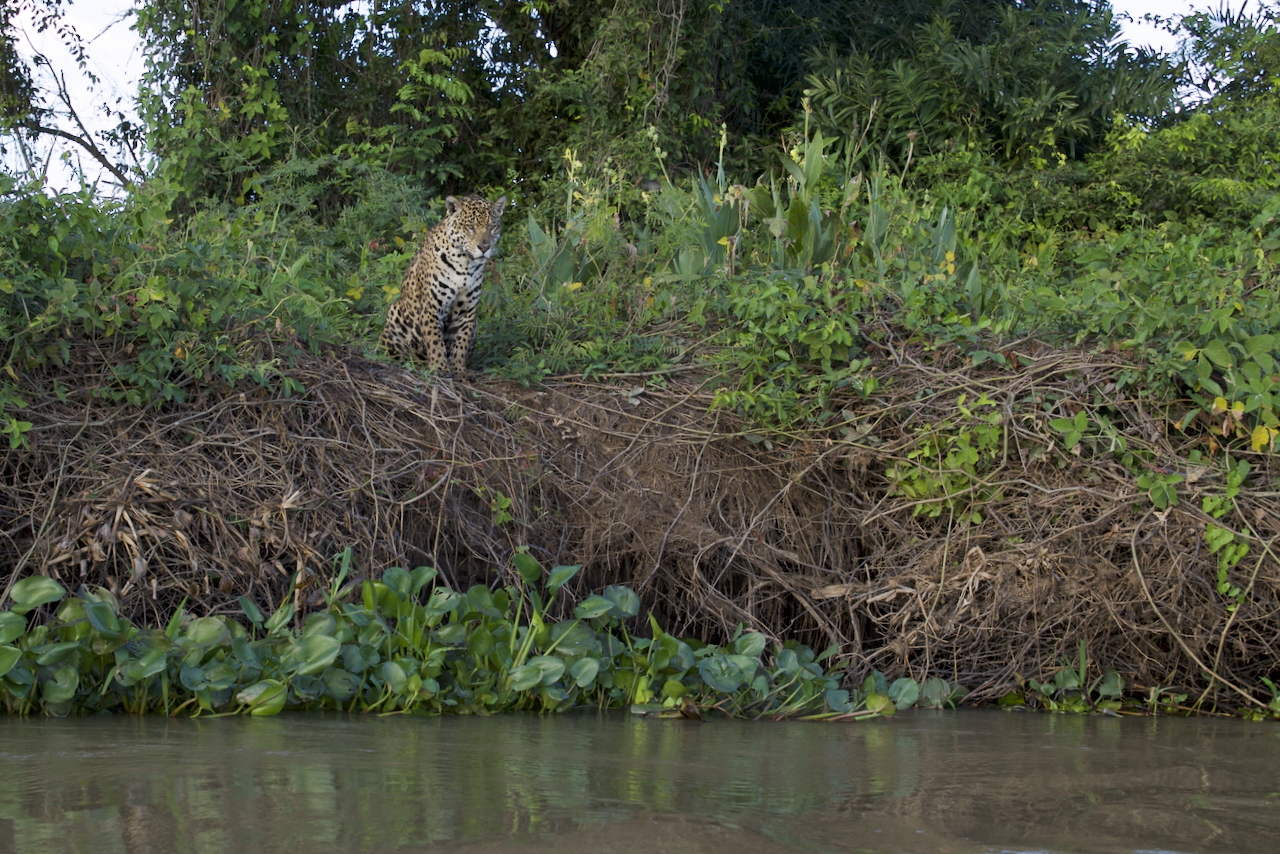
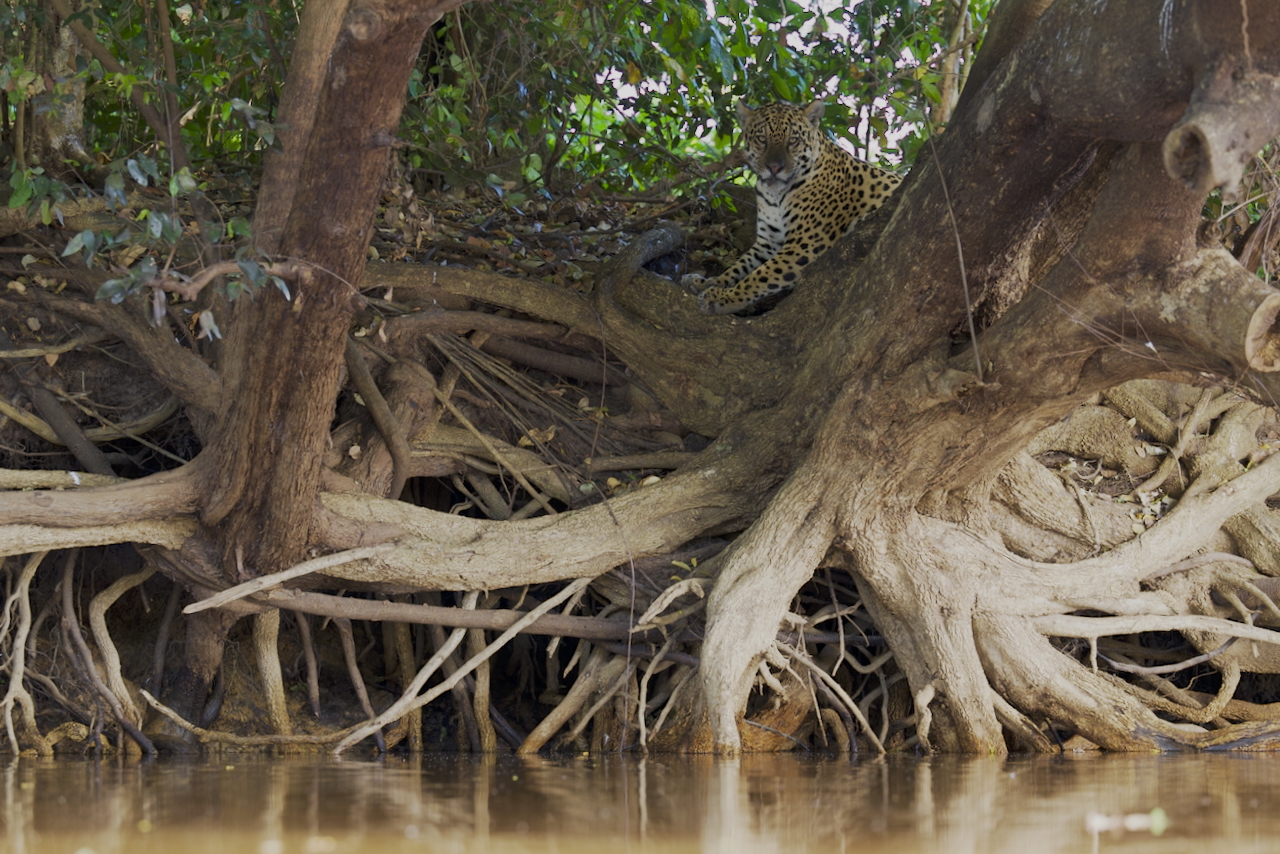
Pantanal jaguars have also adapted their diets, with aquatic prey comprising a larger proportion of their diet than terrestrial mammals. Caimans (Caiman yacare) represent a primary prey species, with the jaguars having evolved specialized hunting techniques. They are ambush predators and kill large caiman by biting the back of their necks and piercing their skulls.
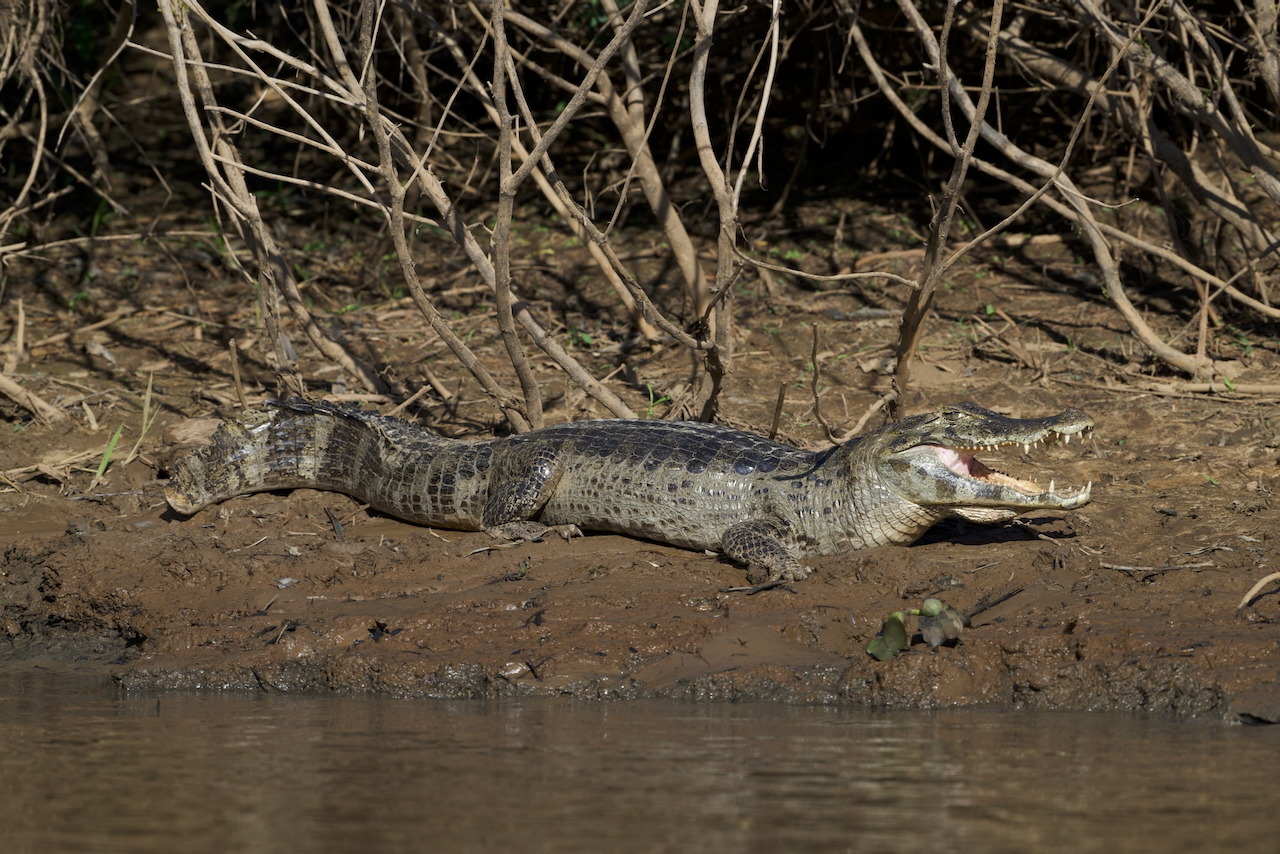
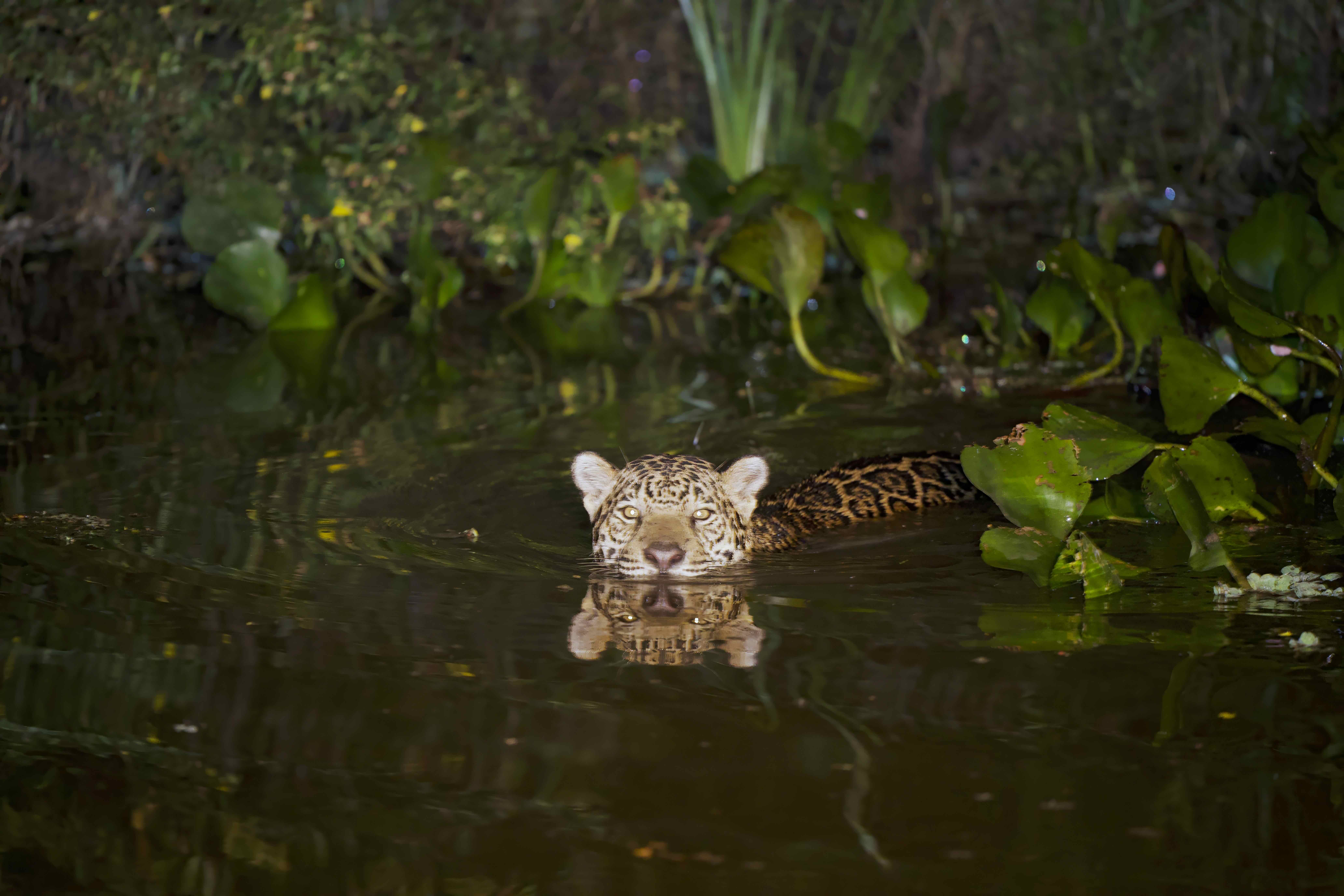
In some areas fish comprise nearly 50% of their diet. Their terrestrial menu includes armadillos, peccaries, capybaras, and birds.
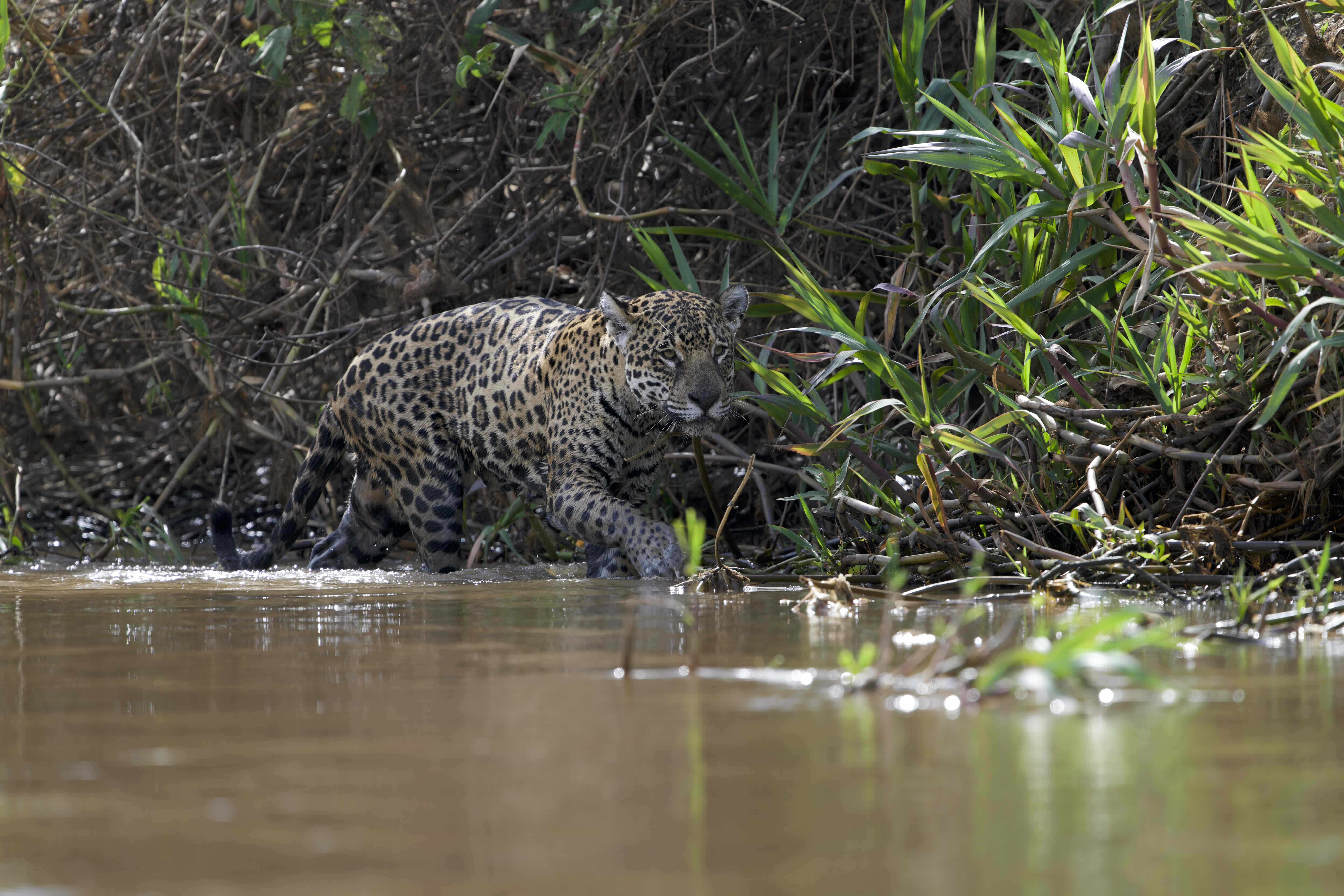
Unlike jaguars in other regions that must maintain large territories to secure sufficient terrestrial prey, Pantanal jaguars can meet their energy requirements in smaller areas due to the plentiful food in and along the rivers. This has led to behavioral adaptations. Contrary to the solitary nature typical of jaguars, Pantanal populations exhibit high social tolerance and cooperative behaviors including overlapping home ranges, joint territorial patrols, and cooperative hunting. Camera traps have documented male jaguars engaging in joint territory marking, collaborative chasing of rival males, and prey sharing. Some male coalitions have persisted for over seven years.
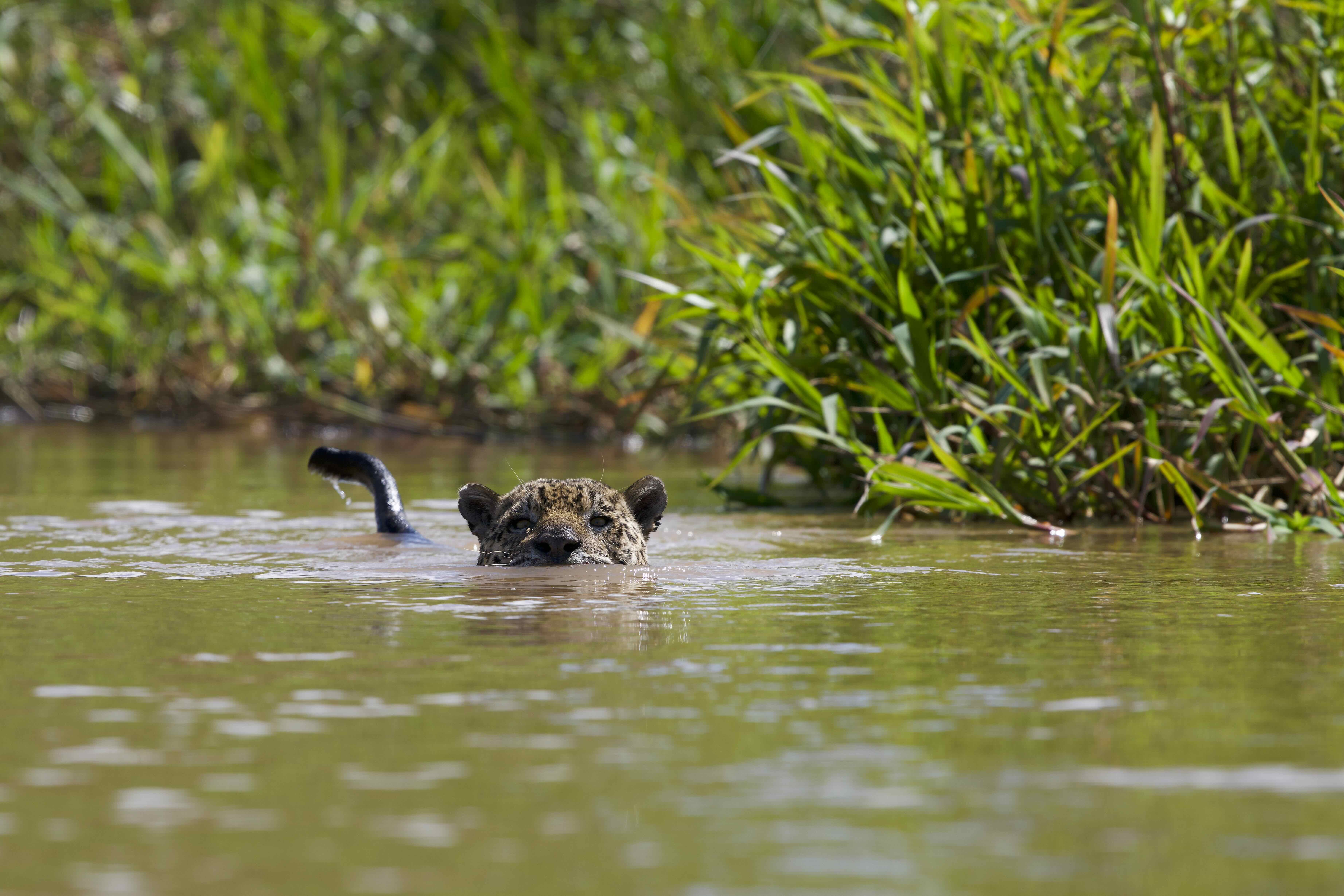
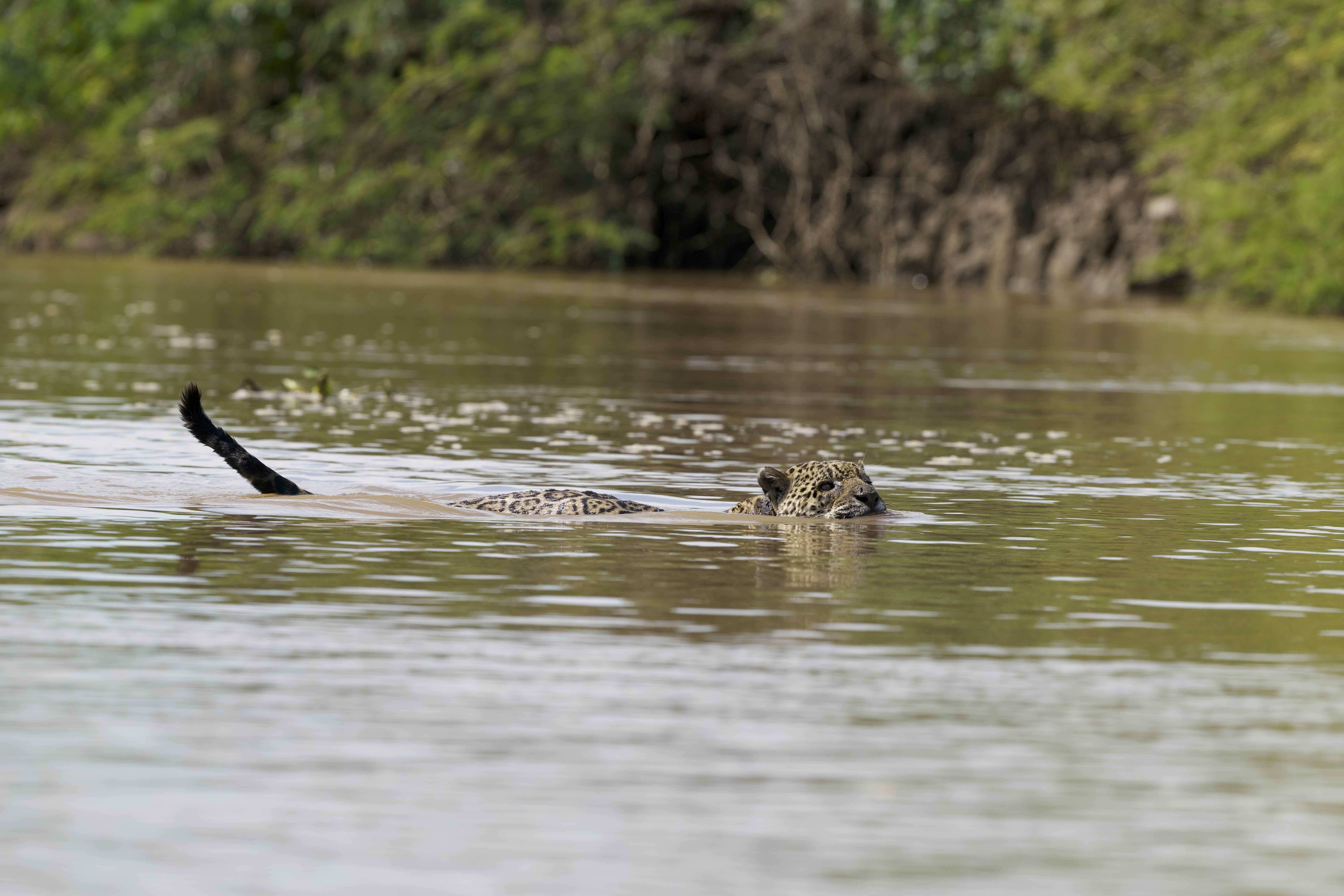
There are multiple threats to the Pantanal’s jaguar population. Most dramatically, climate change has intensified Pantanal wildfire frequency and severity. The catastrophic 2020 fires burned 31% of the Pantanal and affected an estimated 45% of the jaguar population. Recovery from such large-scale disturbances takes years to decades.
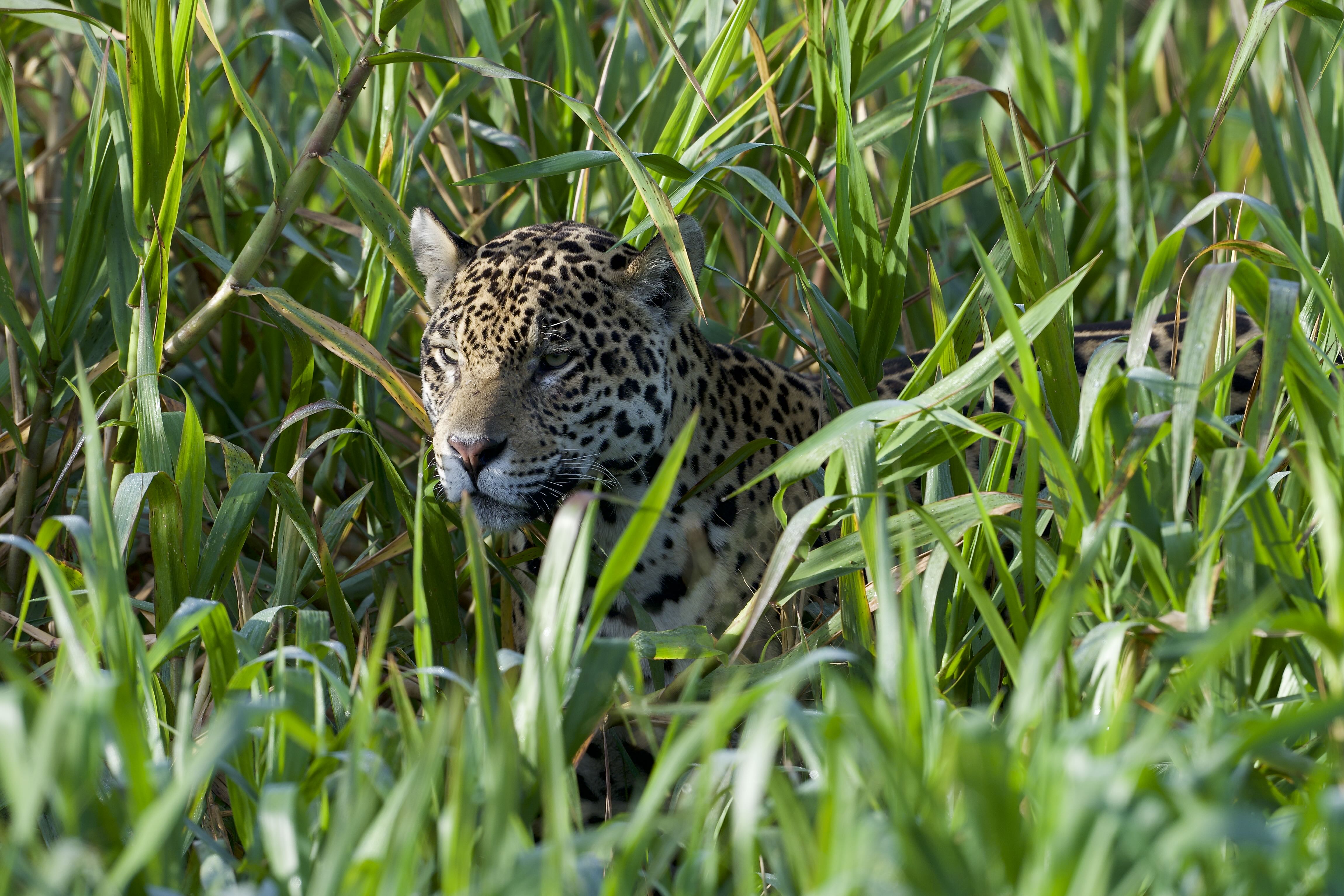
Cattle ranching occupies approximately 80% of the Pantanal, creating conflict between jaguars and livestock. Conservative estimates suggest 200-300 jaguars are killed annually by ranchers in the Pantanal. The good news is that ranchers increasingly recognize the economic value of jaguars for tourism – we stayed in two agritourism hotels located on cattle ranches.

Great shots😻
Lovely.
Beautiful!
My favorite post.
Excellent!! And I certainly did not know about the flexibility of Jaguar behavior. Thank you for sharing!
Thank you for these. Jaguars are my favorite of the big cats.
Wow! Thank you for so many photos of this gorgeous cat. Great documentation. I would love to see a a jaguar that close. I watched an incredible video put out by Panthera. They are working with the ranchers to put electric shocks on the fences of the cattle that don’t kill the jaguars but just scare them off.
Panthera and Snow Leopard Trust have been working with the locals to help them save their herds and save the big cats at the same time. Both do great work. Tourism to see these big cats brings in money. In Brazil, they are trying to do tourism so it does not disturb the cats but brings in the dollars. At least according to Panthera.
Awesome!
Thanks for this post.
Thank you so much for the large cats! Unlike your friend, I would love to see more birds–but also more of anything from vegetation to large animals and everything in between.
Cat heaven!!! Thank you for this beautiful set.
Impressive animals! Thanks.
Jaguars! Thank you for these.
Thanks for these photos.
Spectacular!