Did you find the moggy in this morning’s “spot the cat” post. It’s pretty much where you’d expect a cat to be in hot weather, and the reveal (and an enlargement) are circled below.

x

Why Evolution is True is a blog written by Jerry Coyne, centered on evolution and biology but also dealing with diverse topics like politics, culture, and cats.

Did you find the moggy in this morning’s “spot the cat” post. It’s pretty much where you’d expect a cat to be in hot weather, and the reveal (and an enlargement) are circled below.
x
Matthew is in Shanghai for a week at some conference, and complaining that it’s blood hot. But while wandering about, he spotted a cat. Here’s his photo; can you find the cat? I rate this “medium hard”. Click on the photo to enlarge it.
Reveal at 11 a.m. Chicago time.

Charles Dunlop sent some photos with a short intro. His brief IDs (without species names) are below, and click to enlarge the photos. (I’ve linked to species when I can identify them, but readers can help in the comments.)
Attached are some photos that I took in Costa Rica in 2019.

Blue Morpho butterfly:

Big Cats, La Paz:

Jaguar, La Paz:

Frog, La Paz:


Crab:

Iguana sp.:


I was about to post the sad news that we have only one batch of photos left, which is true, but then I remembered that Tara Tanaka in Florida gave me permission to show her videos, and she takes good ones. Going to her Vimeo page, I found two new ones that haven’t appeared here. So here they are, with Tara’s captions notes indented. Be sure to enlarge the videos by clicking on them and then on the four arrows at the bottom right.
However, I still need photos if this feature is to survive. I’ll be leaving Monday for a week, so please get some together and send them to me when you can. Thanks!
Tara’s Flickr page is here and her Vimeo page is here.
2025-05-25 Early morning surprise in the swamp – alligators mating
2025-06-12: Male bobcat from the living room window:
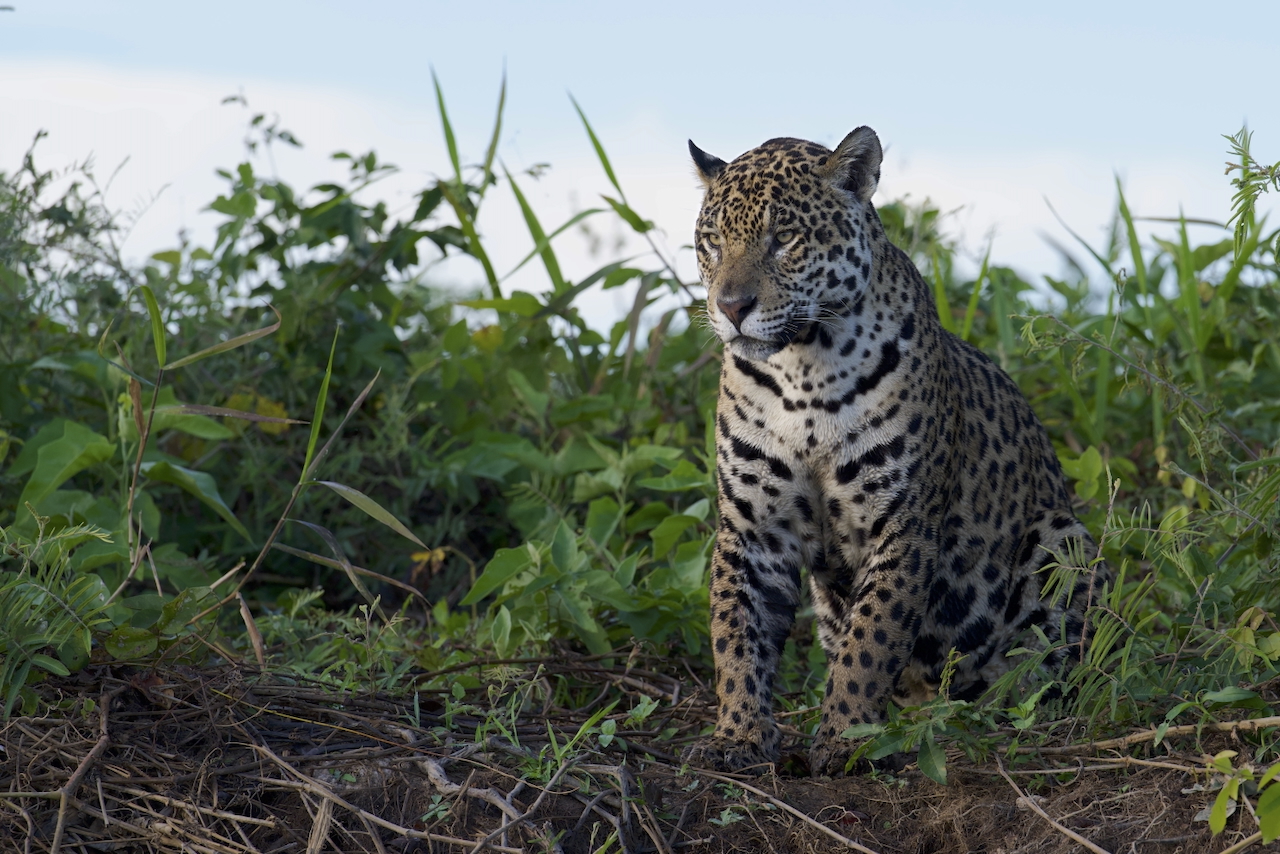
Today Epharim Heller continues his journey through Brazil’s Pantanal region with some photos of jaguars (BIG CATS!) and a reptile. Ephaim’s captions are indented, and you can enlarge the photos by clicking on them.
These photos are from my July 2025 trip to Brazil’s Pantanal, the world’s largest tropical wetland area and largest flooded grasslands.
After I sent out my last batch of Pantanal photos a good friend wrote me: “That’s enough with the bird shots. Send the Jaguar photos already!” I can read the crowd.
Brazil hosts the largest jaguar (Panthera onca) population globally, with roughly 80,000 individuals. The Amazon basin accounts for approximately 90% of the world’s jaguar population. The Brazilian Pantanal has only about 5,000 individuals, but it has the highest density of jaguars anywhere. Hence the Pantanal jaguars are easier to observe and photograph than those dwelling in the Amazon rainforests. All but one of the photos below were taken from small outboard motorboats on the rivers of the Pantanal.
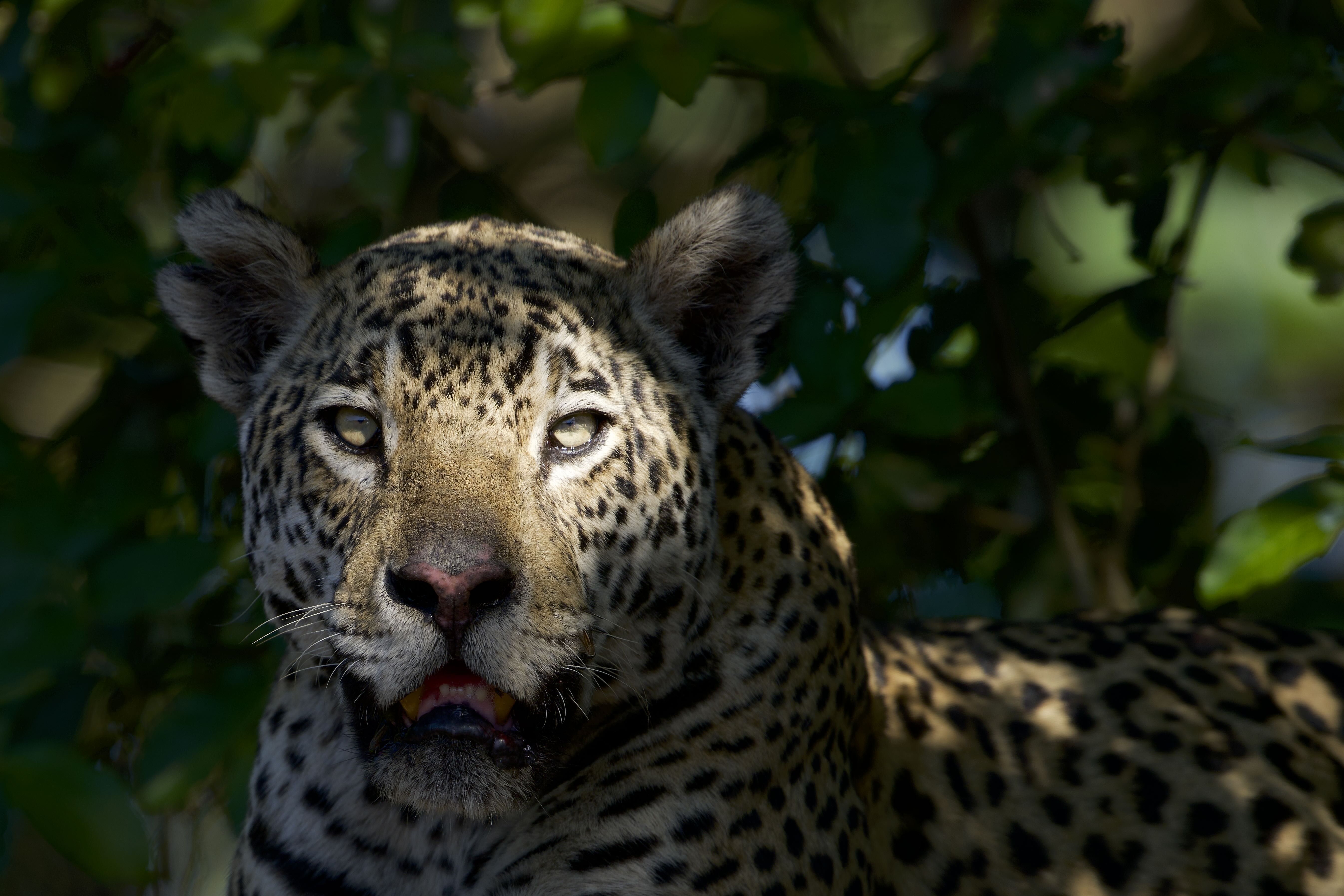
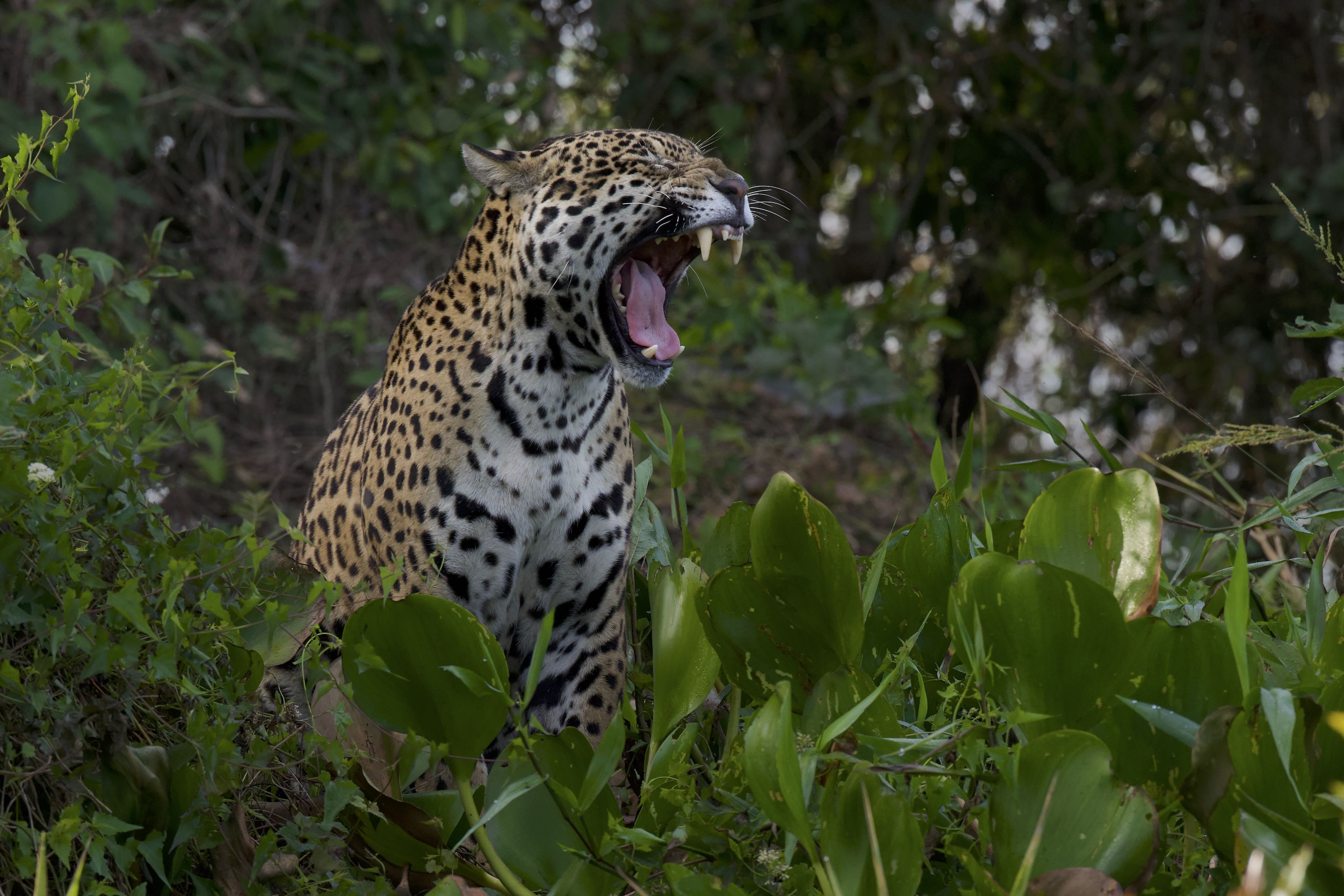
The Pantanal encompasses an estimated 140,000-195,000 square kilometers. Its defining characteristic is its annual flood-drought cycle. During the wet season (November-April), approximately 80% of the Pantanal floods. This seasonal inundation results in behaviors that are unique among both jaguars and felids generally.

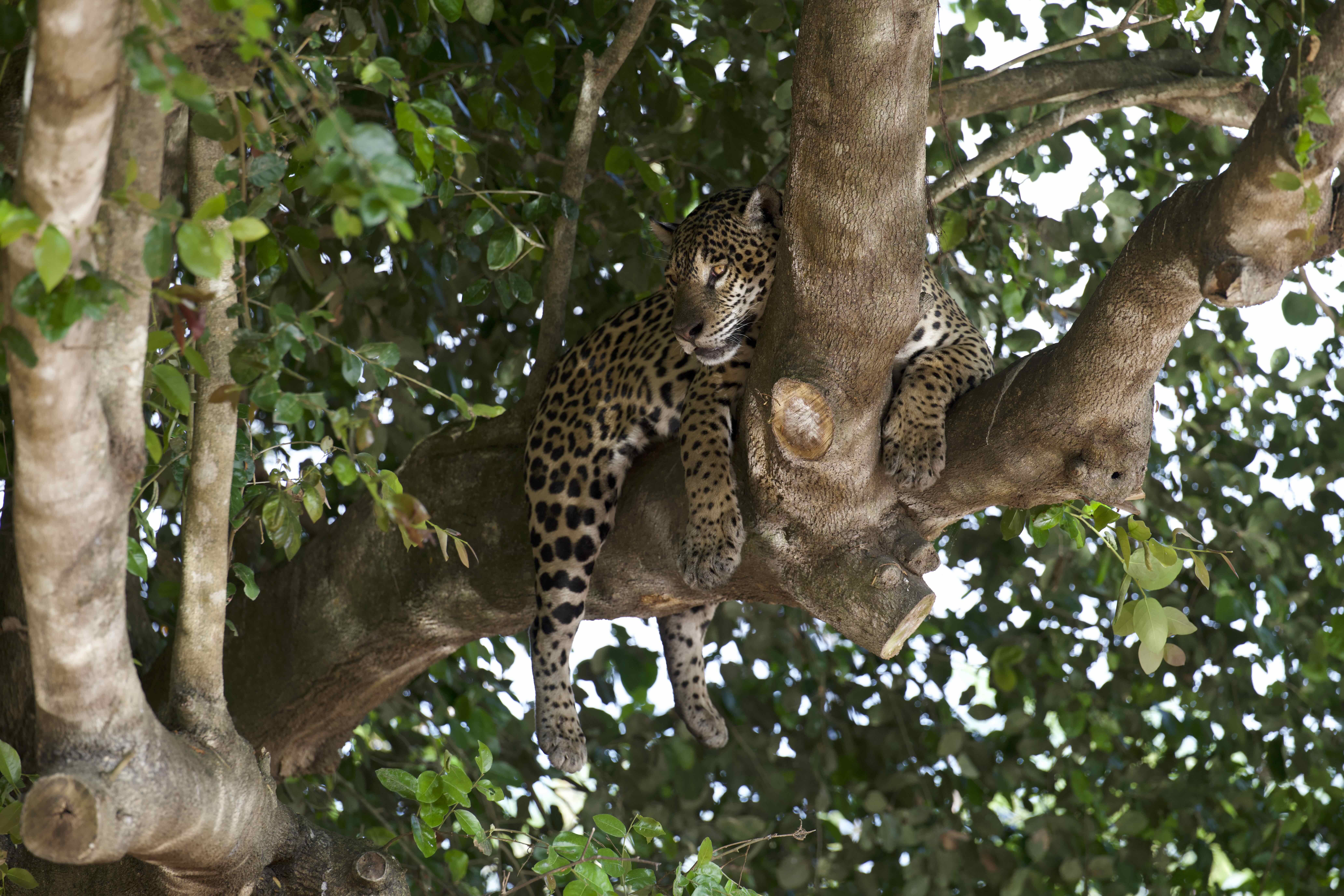
Not surprisingly, the size of a jaguar’s home range varies seasonally. What is surprising is that the location of the home range does not: jaguars have adapted to exploit flooded forest habitats rather than migrating to higher ground. For example, in some areas of the Pantanal jaguars spend up to four months living in trees, where they hunt, mate, and raise cubs.
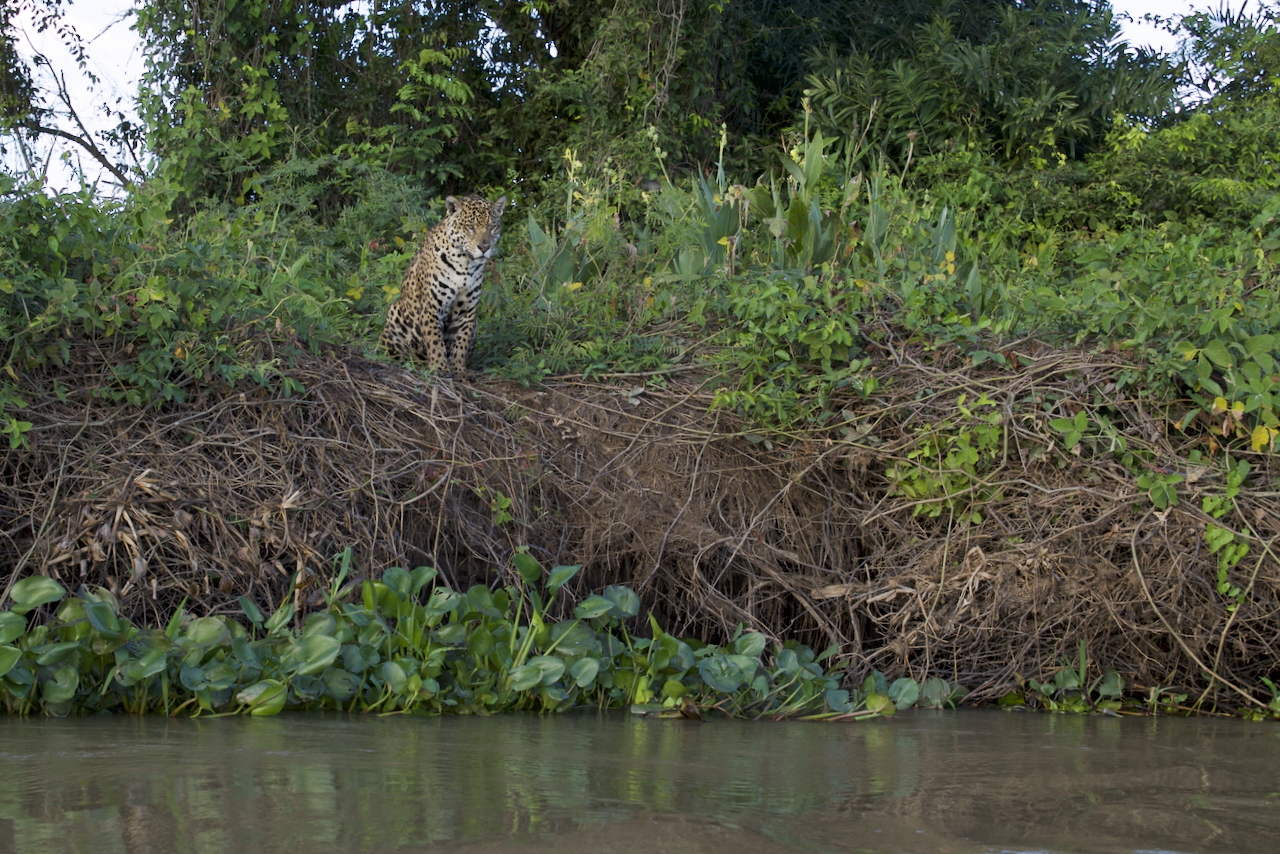
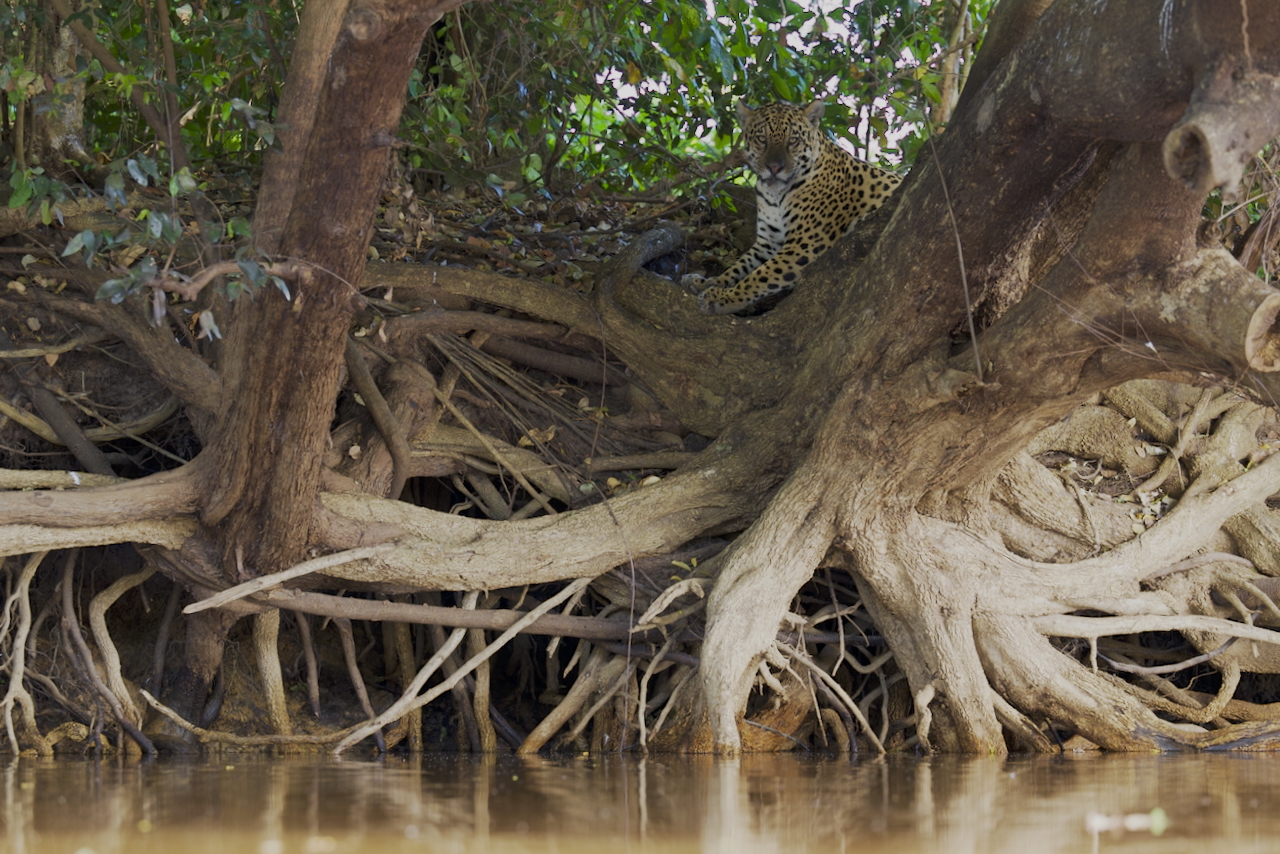
Pantanal jaguars have also adapted their diets, with aquatic prey comprising a larger proportion of their diet than terrestrial mammals. Caimans (Caiman yacare) represent a primary prey species, with the jaguars having evolved specialized hunting techniques. They are ambush predators and kill large caiman by biting the back of their necks and piercing their skulls.
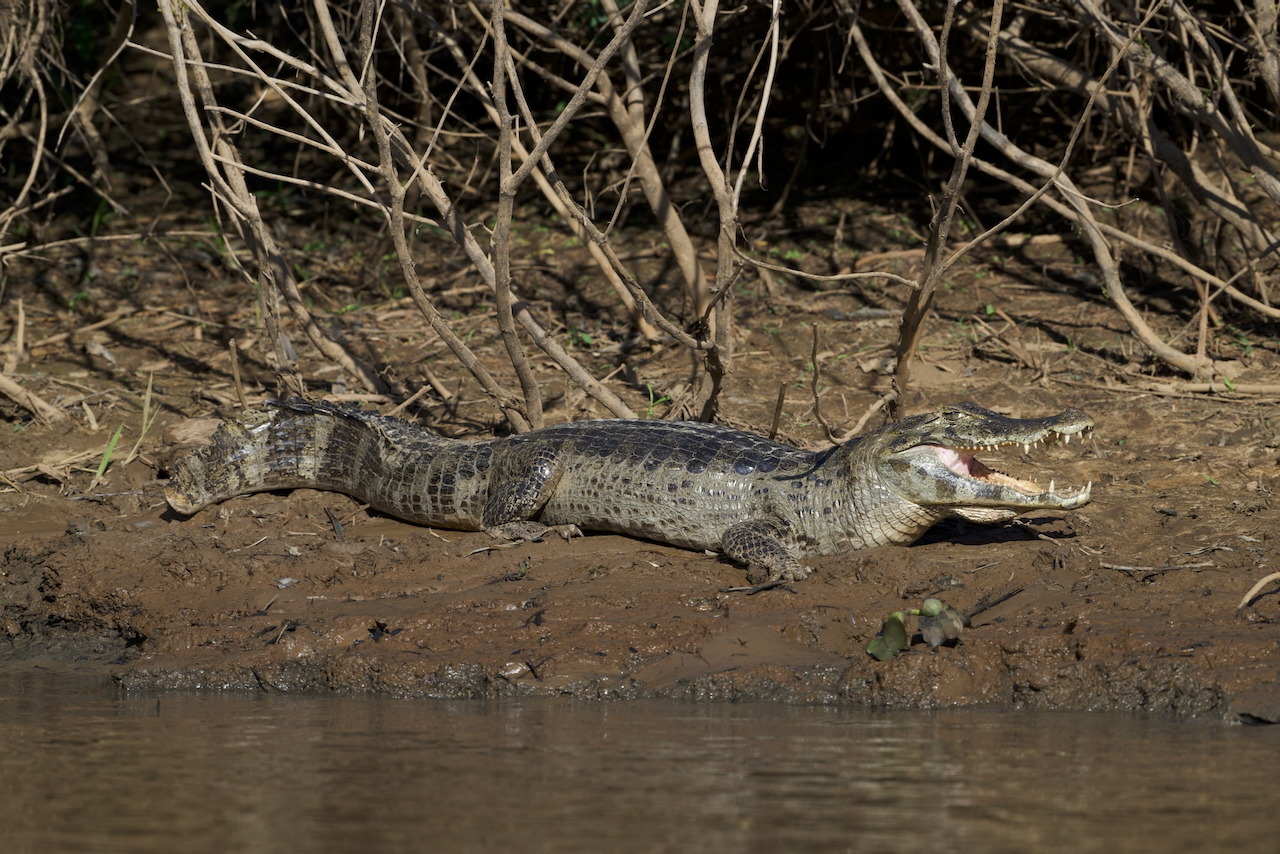
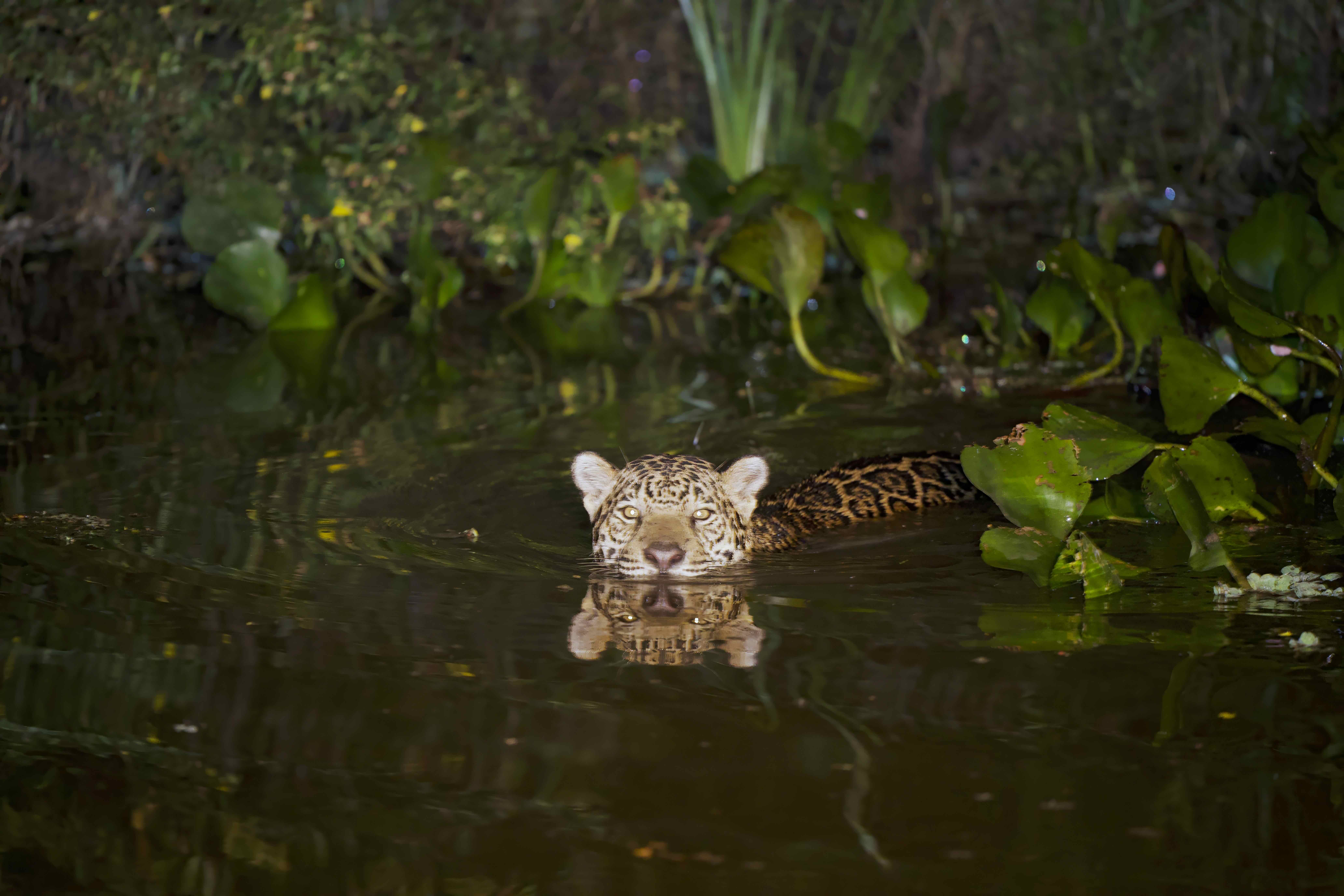
In some areas fish comprise nearly 50% of their diet. Their terrestrial menu includes armadillos, peccaries, capybaras, and birds.
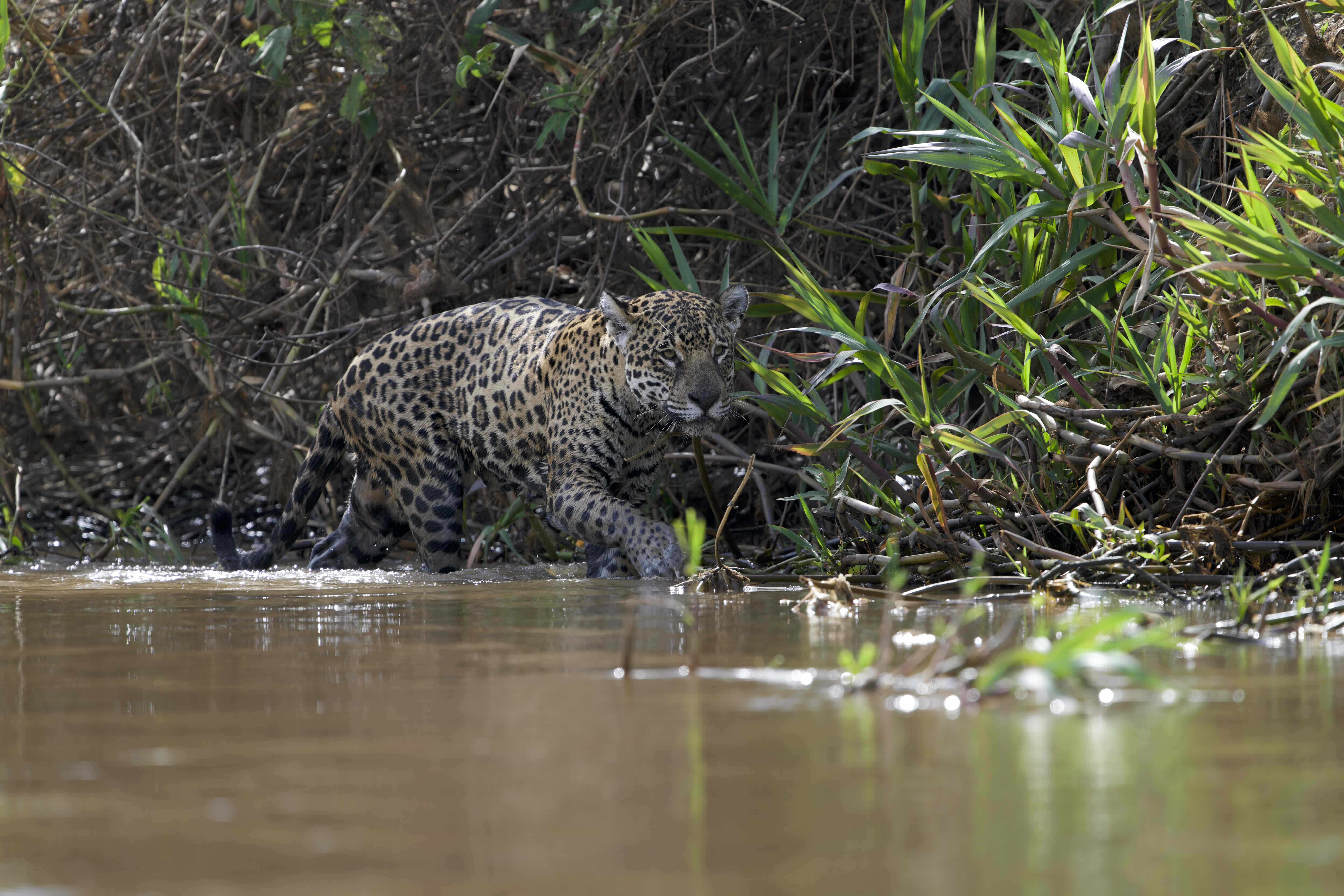
Unlike jaguars in other regions that must maintain large territories to secure sufficient terrestrial prey, Pantanal jaguars can meet their energy requirements in smaller areas due to the plentiful food in and along the rivers. This has led to behavioral adaptations. Contrary to the solitary nature typical of jaguars, Pantanal populations exhibit high social tolerance and cooperative behaviors including overlapping home ranges, joint territorial patrols, and cooperative hunting. Camera traps have documented male jaguars engaging in joint territory marking, collaborative chasing of rival males, and prey sharing. Some male coalitions have persisted for over seven years.
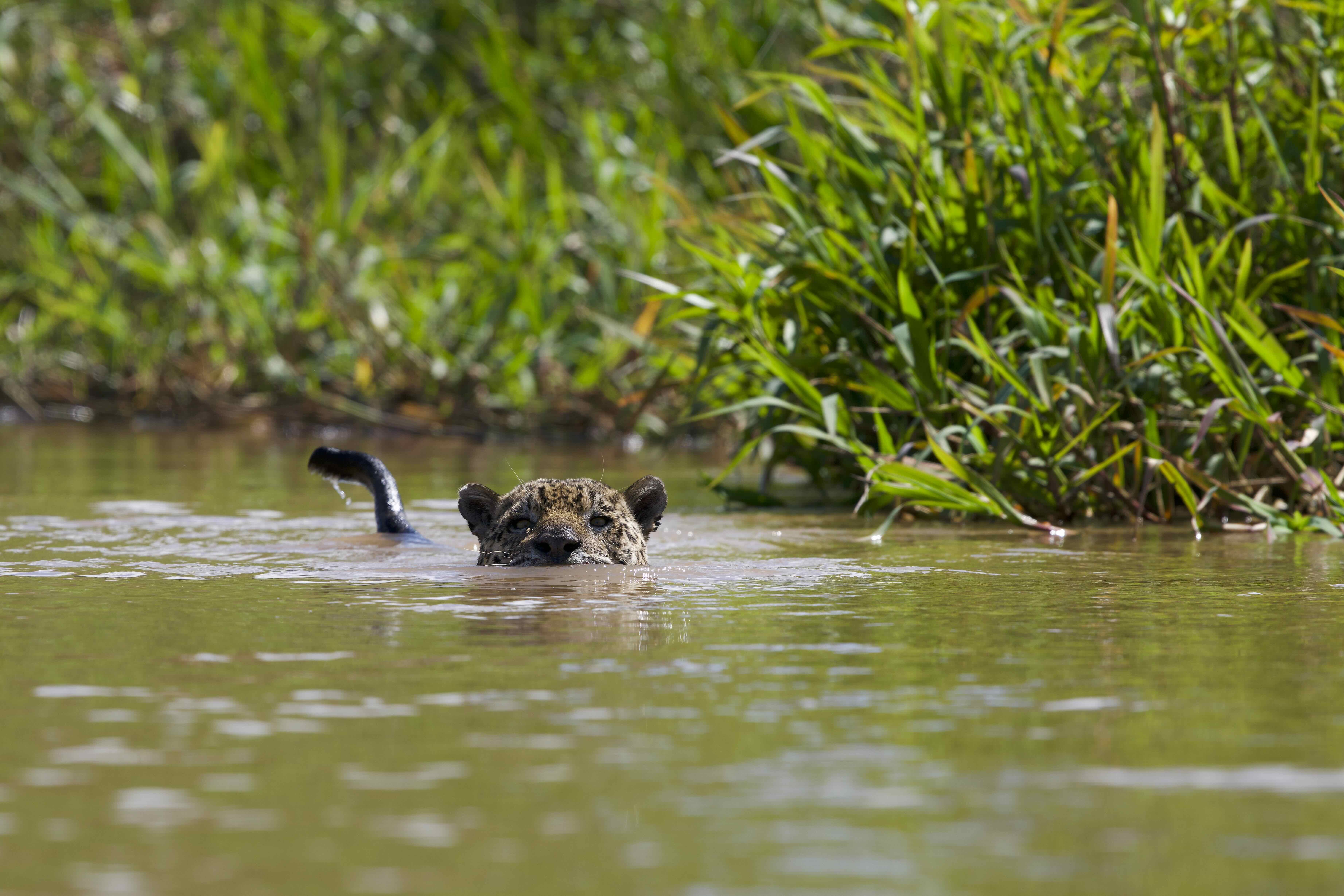
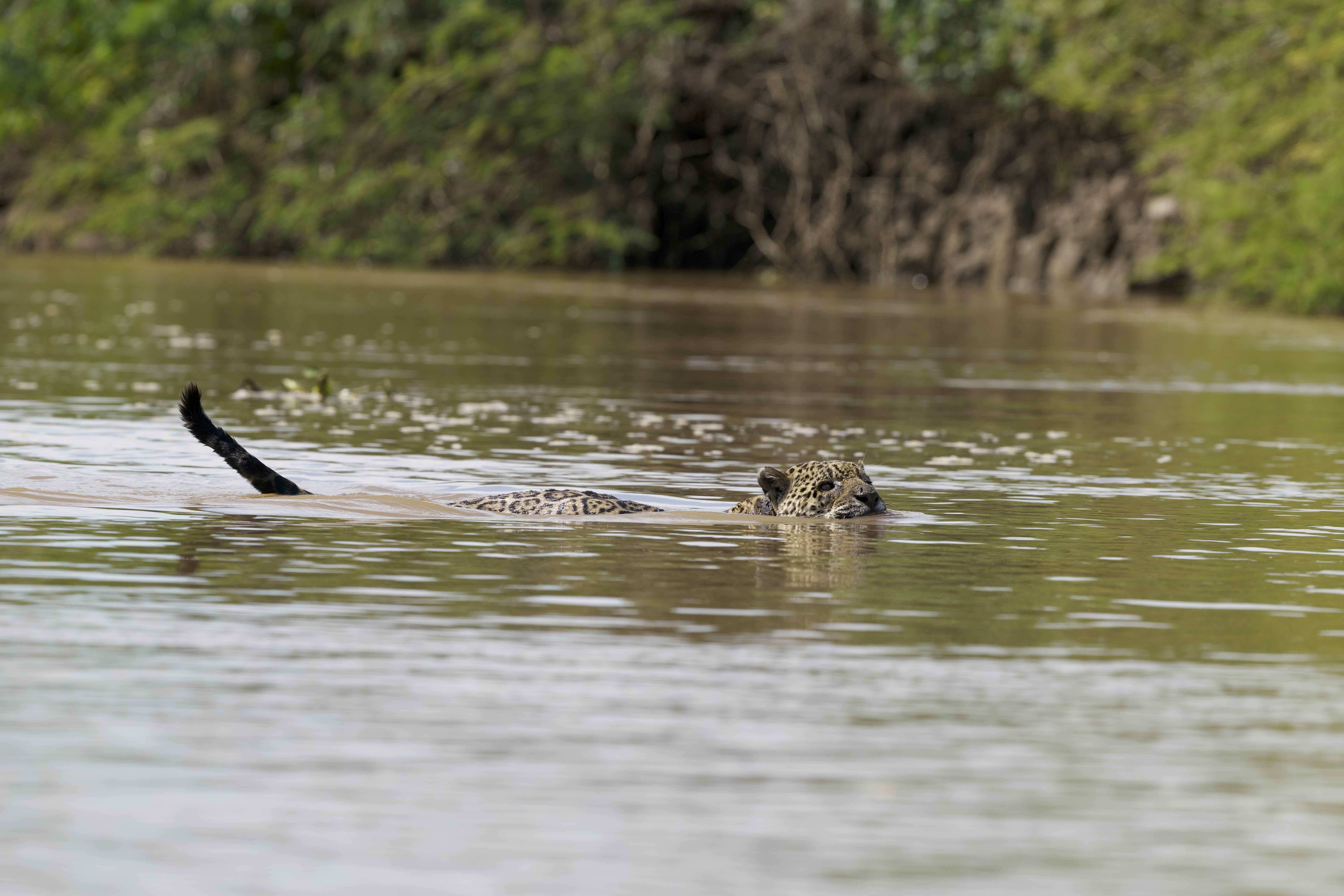
There are multiple threats to the Pantanal’s jaguar population. Most dramatically, climate change has intensified Pantanal wildfire frequency and severity. The catastrophic 2020 fires burned 31% of the Pantanal and affected an estimated 45% of the jaguar population. Recovery from such large-scale disturbances takes years to decades.
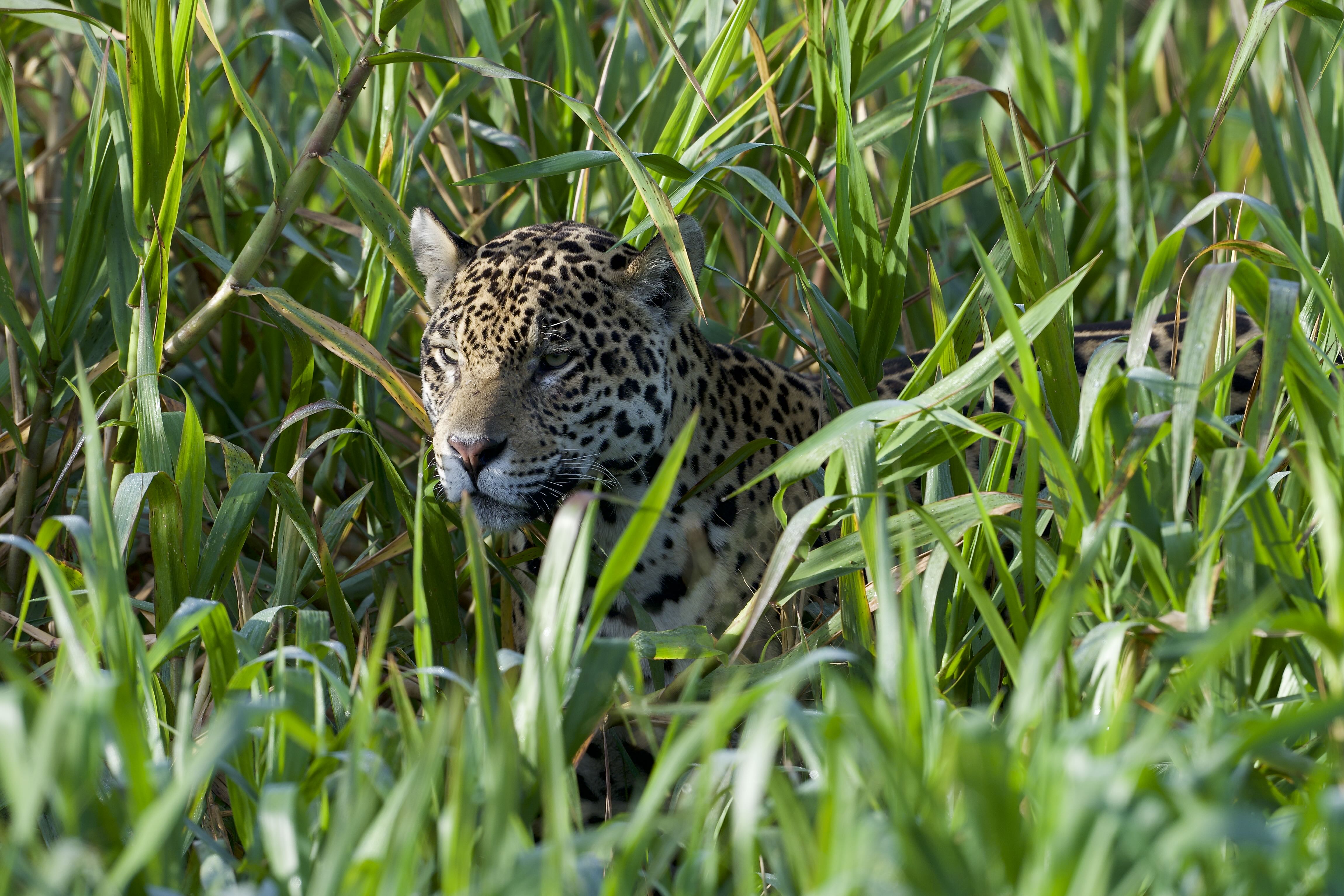
Cattle ranching occupies approximately 80% of the Pantanal, creating conflict between jaguars and livestock. Conservative estimates suggest 200-300 jaguars are killed annually by ranchers in the Pantanal. The good news is that ranchers increasingly recognize the economic value of jaguars for tourism – we stayed in two agritourism hotels located on cattle ranches.

You may not like Jordan Peterson, but his advice to always pet a cat you come across is very good. And today I met Oliver, whose name was on his collar. I know he is not lost because I encountered him once before on the sidewalk and called the number on his collar to see if he was lost. He was not; his owner lets him roam outside (but they thanked me for calling).
Today I saw him again, and of course I could not resist a hearty petting session. He especially enjoyed scritches on the chin and neck.
It is a beautiful day in Chicago: sunny and about 73° F, and an encounter with this lovely boy was just the ticket.
Oliver!

Getting his pets:

Did you find the fourth cat in this morning’s picture?
I’m not absolutely sure about this. But I’ve circled what looks like a tail, and some people say in the original post that the other part of this cat (the head) is behind the top right cat. At any rate, the top left cat cannot have two tails, and that orange bit I’ve circled is stippled like a tabby, and is not similar to the orange bits in the rest of the cover.
I may of course be wrong, but this is my best guess. And of course there might be only three cats. The camouflage is clever, of course.