Readers’ wildlife photos

February 14, 2026 • 8:30 am

These are the last photos I have, and I’ve gathered singletons in a potpourri of photos. Please send me any good wildlife photos you have—otherwise there will be a LACUNA tomorrow. Captions are indented, and you can enlarge the photos by clicking on them.

From Pratyaydipta Rudra in Oklahoma.

This is a Pine Squirrel [Tamiascirus sp.], photographed in Rocky Mountain National Park, CO.

From Adrian:

Here’s a picture of a European Pine Marten (Martes martes) from the shores of Loch Duich, near the Isle of Skye, Scotland:

From Guy:

Taken in Lake Saint Clair Metropark in Michigan a few years back by my 12 year old son Nolan at a bird-banding station where we volunteer. I think it’s a Blackpoll Warbler (Setophaga striata) with the image taken in the fall (so I don’t really know if it’s male or female):

From Robert Lang, whose house and studio burned to the ground during the California fires last year; both are being rebuilt:

Our gardener found this California native tarantula (Aphonopelma sp.) while clearing some fire debris at my former studio and, knowing that my wife had a pet tarantula and was helping the Eaton Canyon Nature Center in its fire recovery, he left it for us at our temporary home in a little plastic bottle. (Umm…the tarantula was in a little plastic bottle. Not our home.) After we determined that ECNC didn’t have a place for one yet, we released it locally, but I took this picture before it wandered away.
When we got home from the release, there was another plastic bottle on the porch with another tarantula inside.

A Hummingbird Moth (species unknown) from Marty Riddle:

The Hawk Moths, aka Hummingbird Moth, love the nectar in resident maintained gardens at Brooksby Village Peabody, Massachusetts:

And a cat/bird encounter from Barry Lyons:

For years now, I’ve had mourning doves  [Zenaida macroura] alight on my air conditioner. Some of them are regulars, and what interests me is that they haven’t taken the next obvious step: pecking at the window.
What I mean is that a dove arrives and then stares into my apartment, sometimes moving its head back and forth: “Are you in there? Ah, there you are!” And then I get up from my chair and go feed them.
But when will a dove start pecking at the window to alert me that he’s there? Why hasn’t it figured out that it’s something it can do? And at no cost to his safety because he can still fly away.
And look at this photo. The dove seems to understand windows. Every time a cat goes to the window (I don’t own a cat; I cat-sit) it flares its wings instead of flying off, as if to say, “Ha ha, you can’t get me. I’m out here, you idiot.”

Readers’ wildlife photos

February 13, 2026 • 8:15 am

Well, this is the last batch of photos I have, and it’s very sad that the tank is empty. Please send some in if you have them. Don’t make me beg!

Today we have photos of ducks—or rather, one female duck— rom Aussie reader Keira McKenzie in Perth. Keira’s captions are indented, and you can enlarge her photos by clicking on them.

Here is a series of photos I took of a lone Pacific Black Duck [Anas superciliosis] from this afternoon [Feb. 11] at the park. Since the islands in the ponds have been completely cleared of all vegetation (the western island) and all the undergrowth cleared from the eastern island (this is because of the devastation throughout Perth’s trees from the polyphagous shothole borer), moat of the waterbirds have left for areas where they can roost & nest. 

The photos are taken in Hyde Park, Perth, Western Australia, on a hot humid afternoon.

I am very fond of them. I rescued one when it flew into the electric wires on the other side of the road one night. I carried it back across the road and into the park, putting it near the water’s edge. It was a pond-smelling little bundle, seemed uninjured and was very calm, and waddled off into the water and sailed into the night.

What a beautiful hen! It makes me eager for Duck Season to arrive at Botany Pond. Keira also sent a picture of her cat:

I shall sign off with a pic of my little Baba (currently zooming around the place for no apparent reason) slothing in the armchair in the heat with one of her favourite toys (the other is a wombat).

Readers’ wildlife photos

February 11, 2026 • 8:30 am

We have only one batch of photos remaining, a special batch for Darwin Day tomorrow, so again I’m stealing some e great photos by Scott Ritchie, who hails from Carirns, Australia. Scott’s captions and IDs are indented, and you can enlarge his photos by clicking on them. But please  send in your good wildlife photos. His bird today is itself a marvel of natural selection for cryptic coloration and behavior: the Papuan frogmouth.

FROGMOUTH FUNNIES

A Papuan Frogmouth chick [Podargus papuensis] sparked my interest in bird photography 7 years ago. This is a large bird that mimics a dead tree stump or broken branch. Grey and brown mottled camo, and sites still. Carefully watching you through its slit eye. In Nov. 2019, I was thrilled to see Papuan Frogmouths nest in a tree in my front yard. The chick was so cute! I followed it until it fledged a month later.

Ever since this time, I’ve wanted to recapture the magic that a young frogmouth chick brings to the viewer. Large, intense eyes on a fluffy white downy head. CUTE. And they never nested in our tree again.

This year I finally captured a frogmouth chick as it grew, and successfully fledged (i.e., left the nest) near the Cairns Botanic Gardens. Here are some pictures of the growing bird, and my silly stories. I hope you get a kick out of them, and wish them well

My first Papuan Frogmouth chick. Nov. 2019, my yard. The bird that sparked my passion. Max cuteness!:

Fast forward, Dec. 2025. A PFM nests near the Cairns Botanic Gardens.:

A few weeks later, the egg hatches. And a little chick is born. A bit scrawny now. Max cuteness in 1-2 weeks:

In late January, the mozzies [Australian for “mosquitoes”] are fierce. “Dad, there’s a mosquito trying to bite me. Do something!” Max cuteness!:
Dad laughs. “Get used to it. You’re in north Queensland son!”:

Come on Dad! Be a sport:

A week later, max cuteness is past. And a surely teenage frogmouth realises he has to put up with his home a bit longer:

But he’s good humoured about it. Can’t beat ’em, join him!:

And finally the time has come to leave the nest. Dad and son are now roosting in a nearby tree. He’s still a cute puffball. But has a lot to learn:

“Son, comb your bloody feathers! You’ll never convince anyone that you’re a tree stump with that ragtop!”:

Readers’ wildlife photos and video

February 9, 2026 • 8:30 am

Posting will be light today as I have three meetings/events to attend. I am supposed to be retired!

Those of you with photos please send them along, as I have about three more batches before Armageddon hits. Thank you!

Today we have the second batch of photos from Sri Lanka contributed by reader MichaelC—and one video (his earlier batch on the flora is here).  Michael’s captions and IDs are indented, and you can enlarge the photos by clicking on them.

Sri Lankan Fauna! 

Unlike the orchids and Angel’s Trumpets, which kindly stayed still for me, most of the animals did not. So few of my critter photos are well focused. Even so, some are interesting.

An Indian Elephant (Elephas maximus indicus) snorkeling its way across a lake! Right behind this fella were two cows and a young one, also snorkeling:

Here’s the big fella coming out of the lake….:

….to join a herd of some thirty other elephants. We were in an open vehicle on a tour of Wasgamuwa National Park. This is a close up showing a newborn calf. There were a number of Sri Lankan biologists there in other vehicles documenting the little one, which they said was only four days old:

These are all wild elephants who are accustomed to gawking tourists. Nevertheless, our guides were very stern about never leaving the vehicle. Elephants tolerate people, but they don’t like us. That’s by design. Sri Lankans value their elephants and don’t want to cull them in order to keep them from destroying crops. They do not kill elephants unless they become a threat to people. So farmers use what are essentially paint ball guns to shoot them. Stings like hell, but does no harm. The elephants learn to avoid people, but the process makes them cranky and unpredictable. Indeed, my soon-to-be-wife and I (and a bunch of other guests) were chased off a dinner set up on a beach in Yala National Park by a cranky bull elephant. The resort had “spotters” positioned around the resort watching for elephants. A familiar, bad-tempered bull decided he didn’t want any humans on his beach, so the spotters came running. 

This is a Brahminy Kite (Haliastur indus). They follow the herds and gobble up things they stir from the grass.

Two Many-lined Sun Skinks (Eutropis multifasciata) caught in flagrante delicto:

A Sri Lankan Wild Boar (Sus scrofa cristatus), a subspecies of the Indian Wild Boar (Sus scrofa):

Some sort of Agama, maybe the Ground Agama (Agama aculeata)?:

Chital or Sri Lankan Spotted deer (Axis axis ceylonensis):

A Snowy Egret (Egretta thula) going for a ride on a Water Buffalo (Bubalis bubalis):

A Red-wattled Lapwing (Vanellus indicus) standing in her nest:

Asian Green Bee-eater (Merops orientalis) the birds are welcome visitors to Sri Lankan, migrating in from India (I suppose) part of the year. They are very pretty and have a wonderfully beautiful song:

A Little Egret (Egretta garzetta) with a disappointed Mugger Crocodile (Crocodylus palustris). This was the last in a series of shots of the two. The croc tried to sneak up on the egret, but the bird saw him the whole time. It was hilarious because the croc thought it was being so stealthy but the bird just carried on fishing and was like; “dude, you know I can see you, right?”.:

Common Green Forest Lizard (Calotes calotes) displaying mating green:

These Hanuman langurs (Semnopithecus sp.?) are notorious thieves. But this guy was part of a small troop who completely ignored us:

Bengal monitor (Varanus bengalensis). This guy was more than a meter long!:

Lagniappe! A short video of immature bull elephants working out the pecking order. Or maybe just showing off. The young males spent a lot of time jousting like this. Surely it must be important behavior because otherwise, instead of spending their time and energy doing this, they could be eating and growing:

Readers’ wildlife photos

February 8, 2026 • 8:15 am

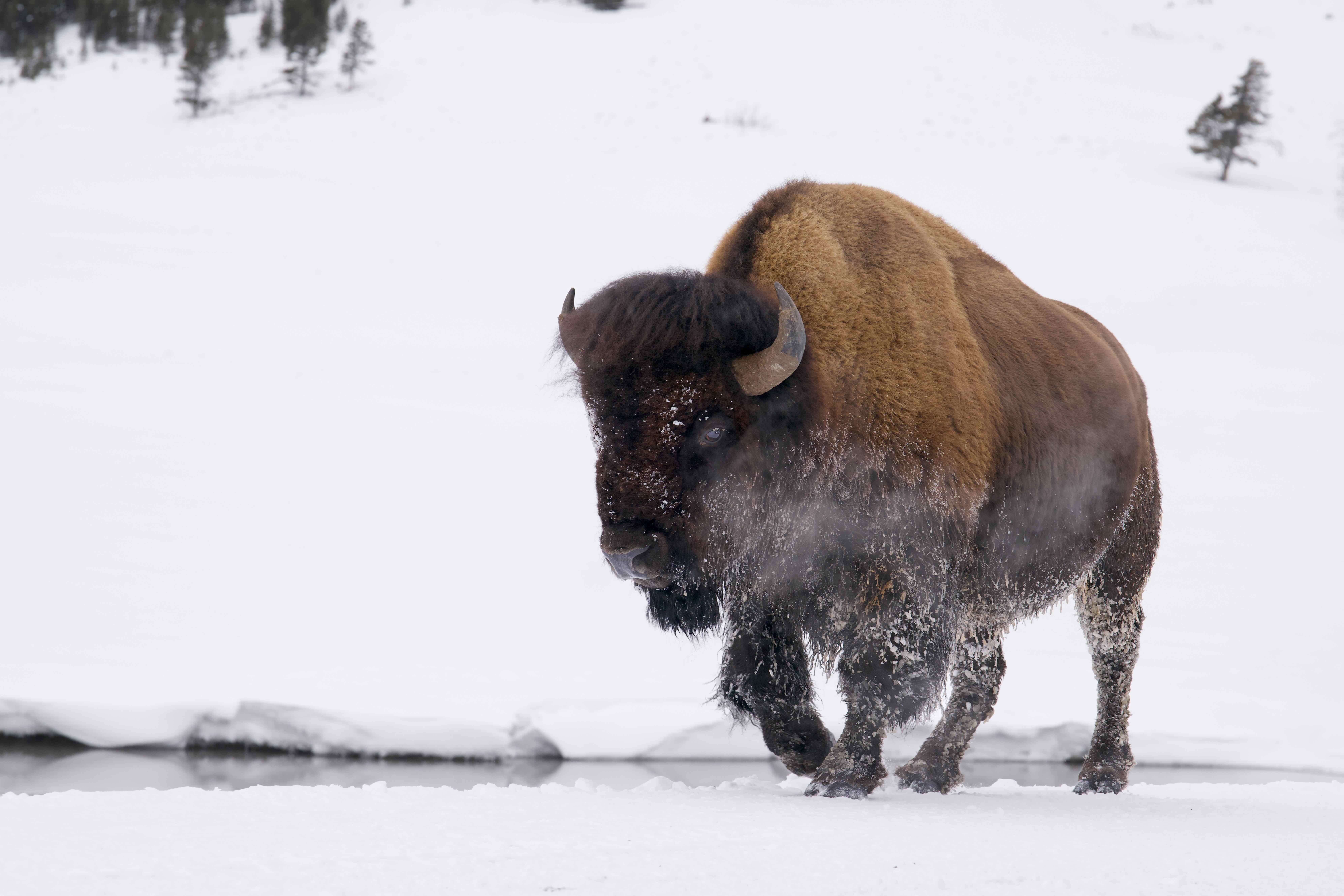
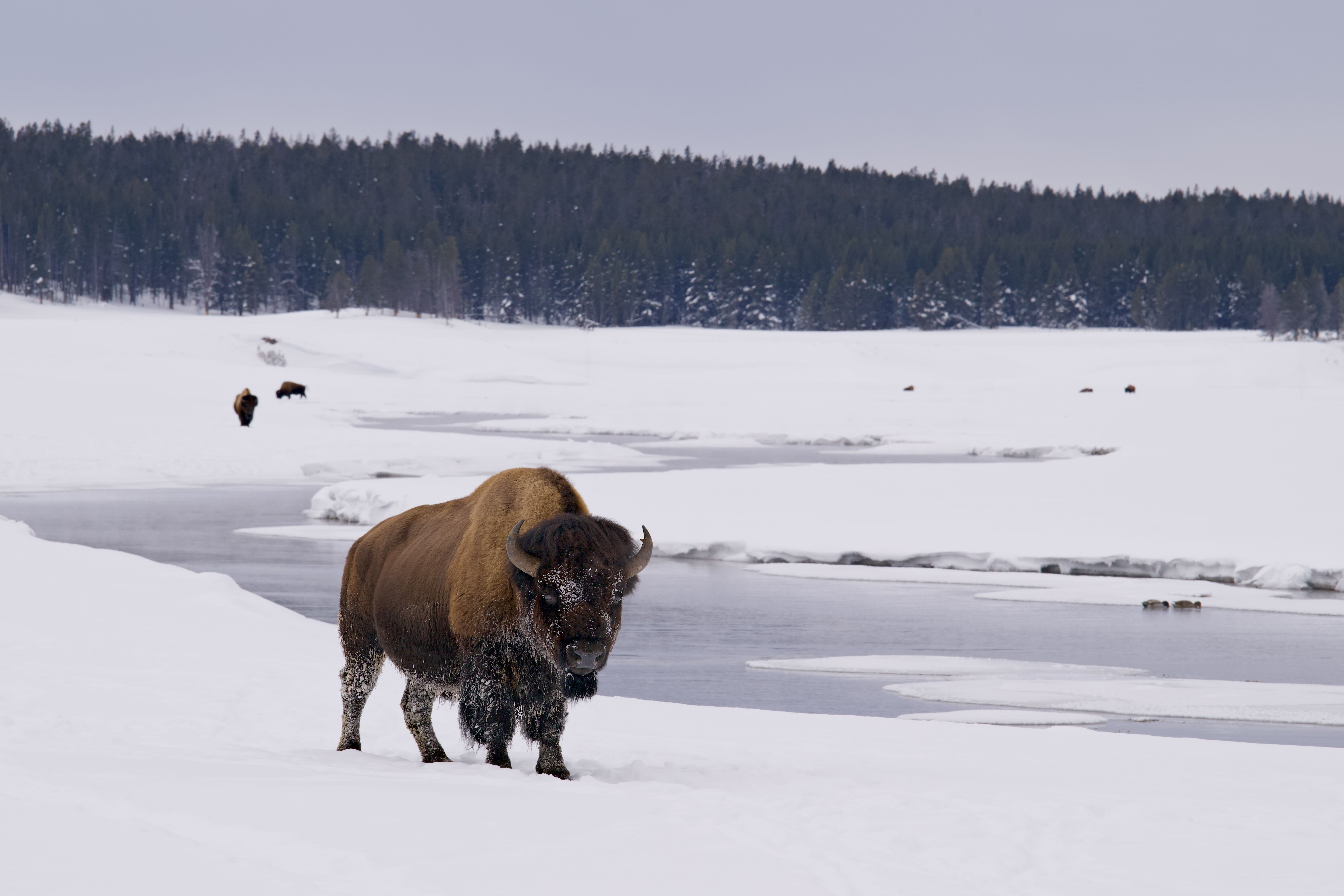
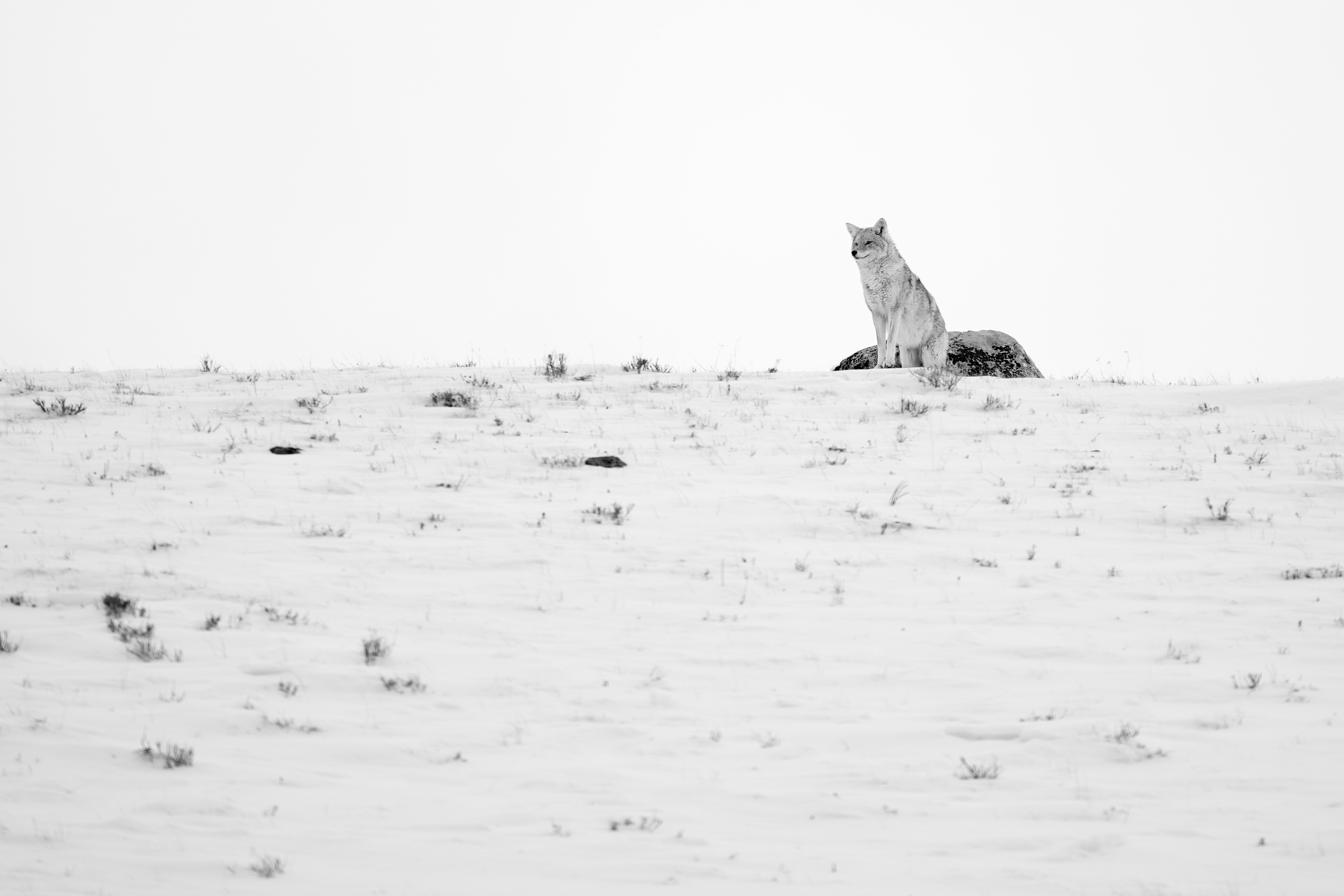
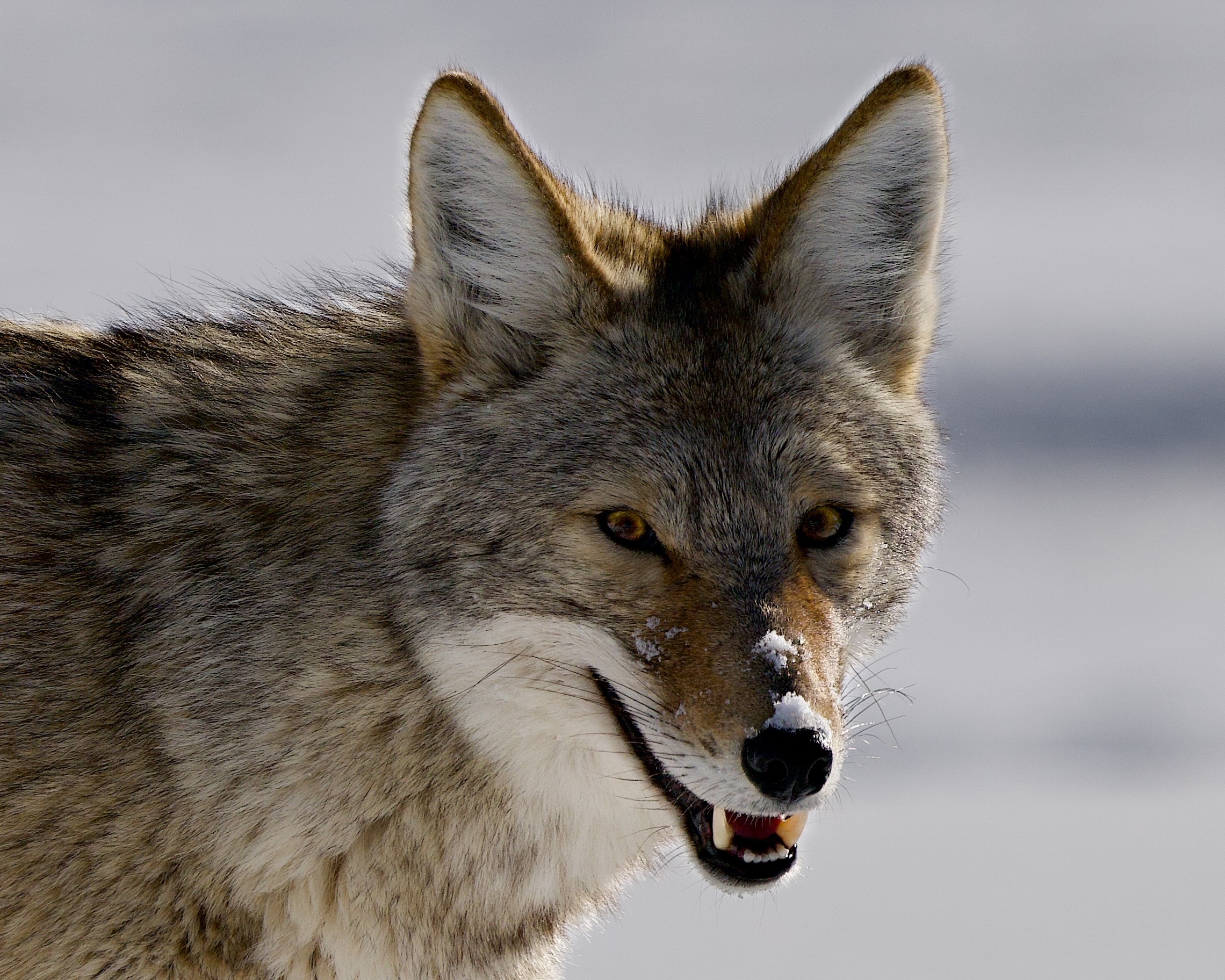
Today’s photos come from Ephraim Heller, who took photos at Yellowstone. Ephraim’s captions and IDs are indented, and you can enlarge his photos by clicking on them.

I spent the last week of January in Yellowstone National Park hoping to photograph a wide variety of wildlife. It was a surprisingly unsuccessful trip. While the bison and coyotes cooperated, I never spotted any other mammals. Absent were foxes, wolves, otters, martens, ermine, bobcats, mountain lions, bighorn sheep, and mountain goats. I suspect that it was due to a combination of bad luck and the least snow in everyone’s memory, so (a) it was harder to spot wildlife in the sagebrush, and (b) animals were up in the hills rather than in the valleys and on the roads. Too bad!

American Bison (Bison bison):

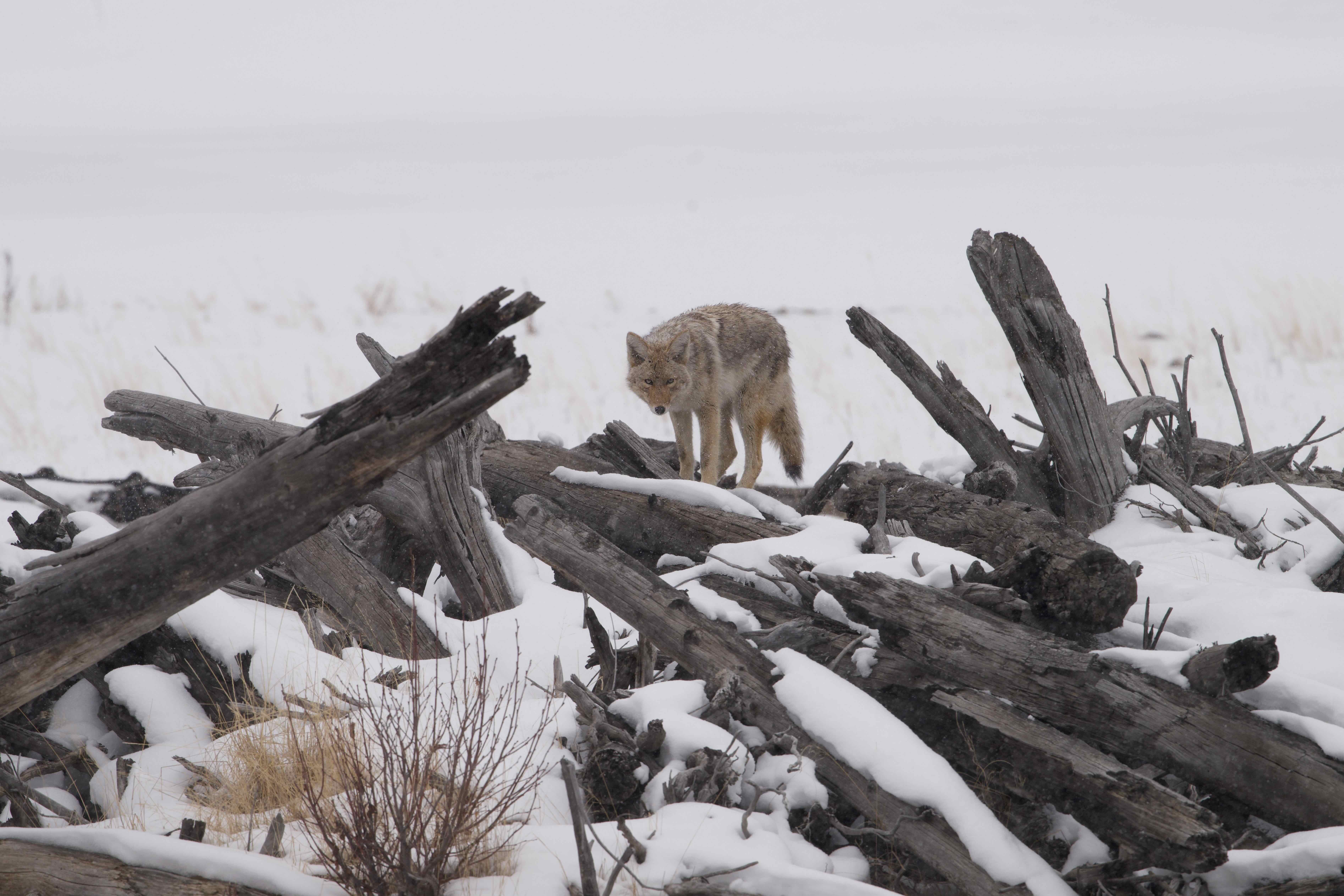
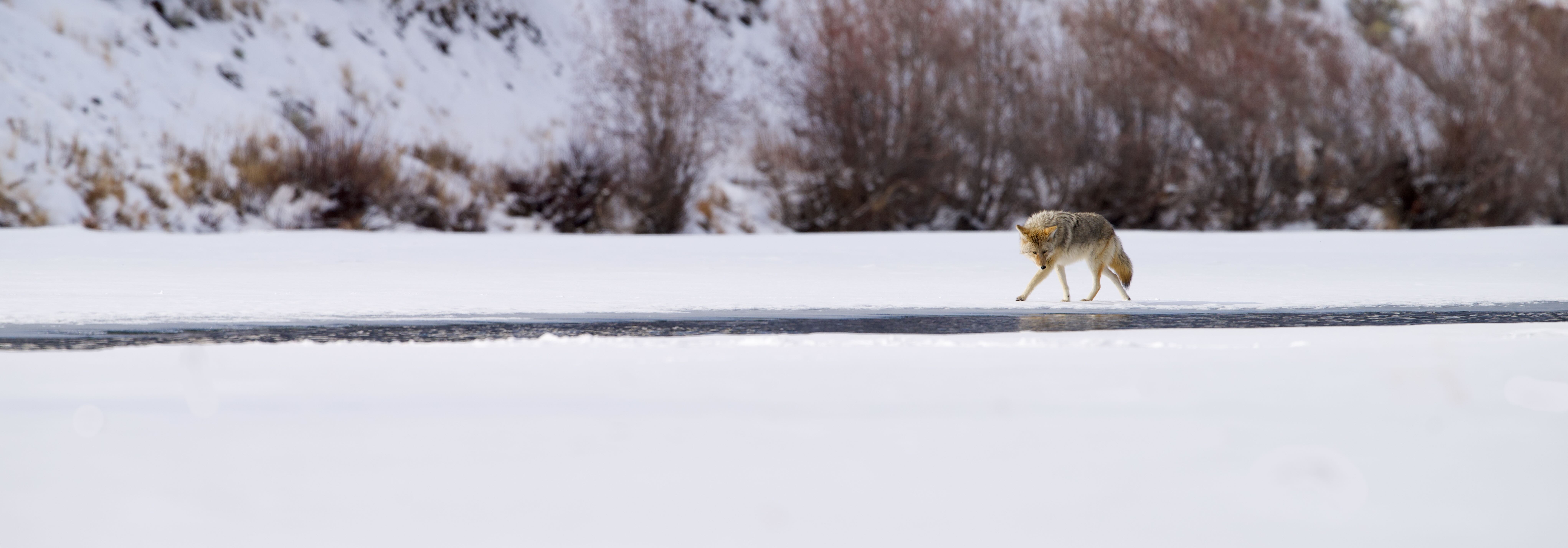
Coyotes (Canis latrans):

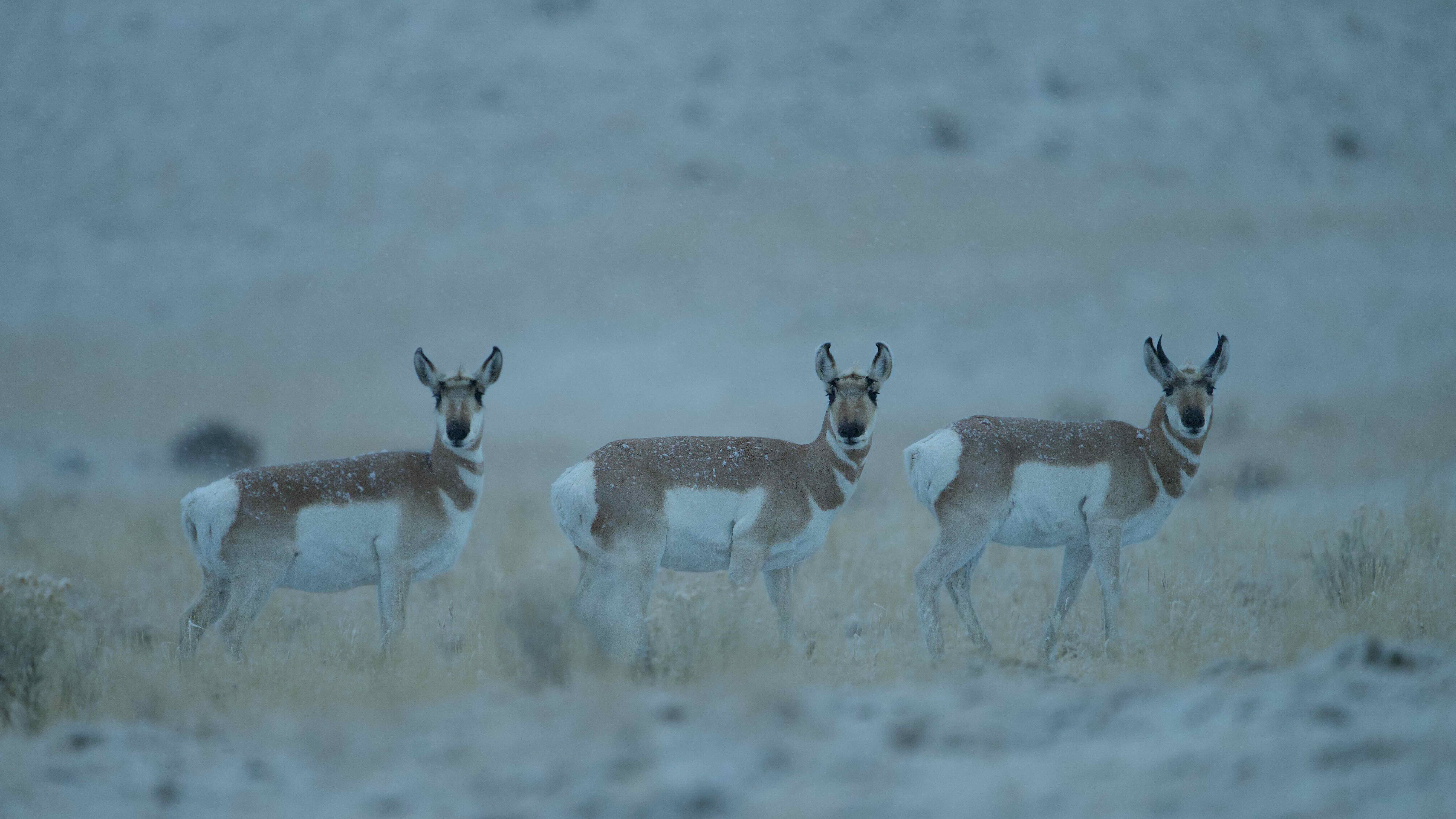
Pronghorn (Antilocapra americana) during blue hour, after sunset:

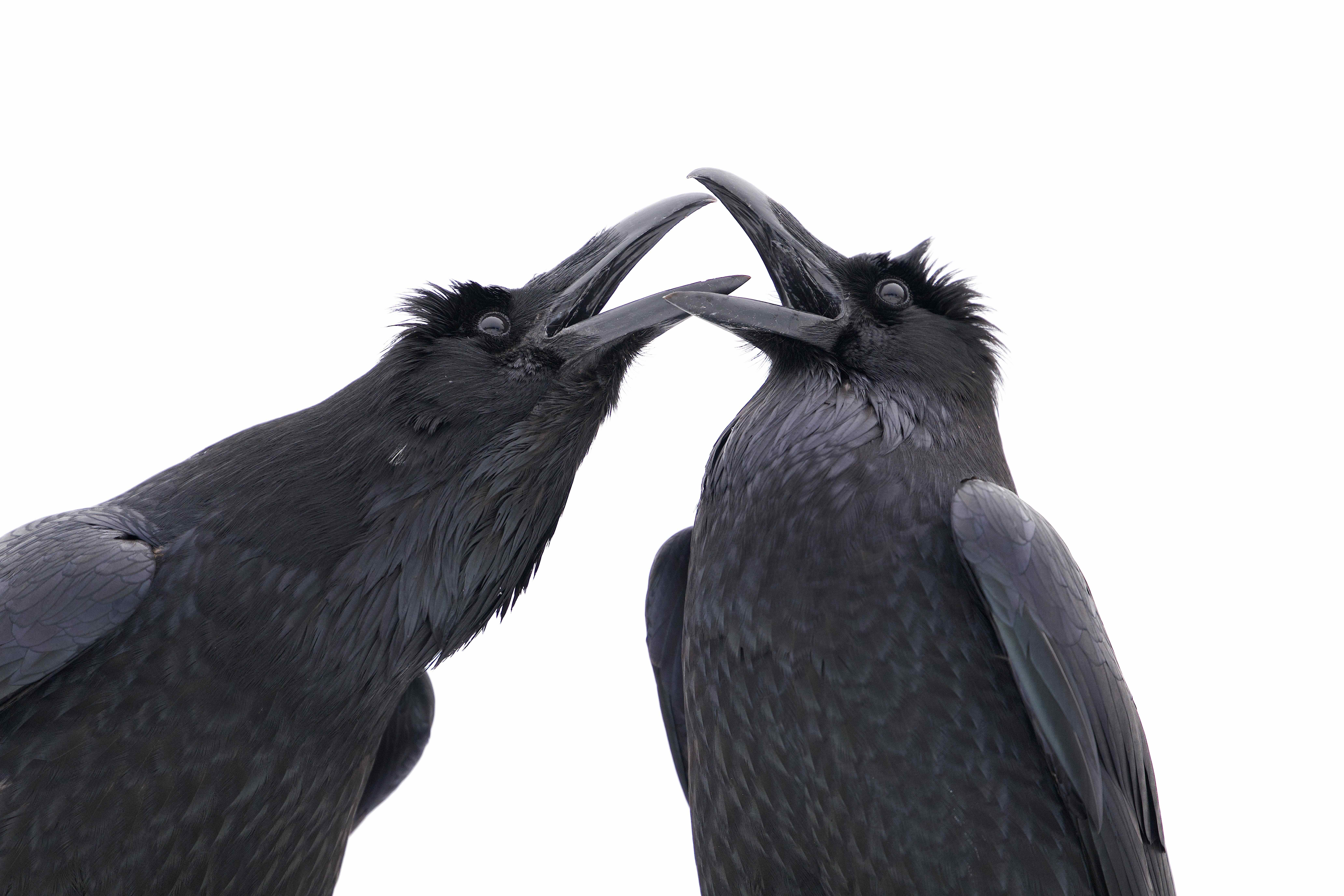
Common ravens (Corvus corax) discussing politics:

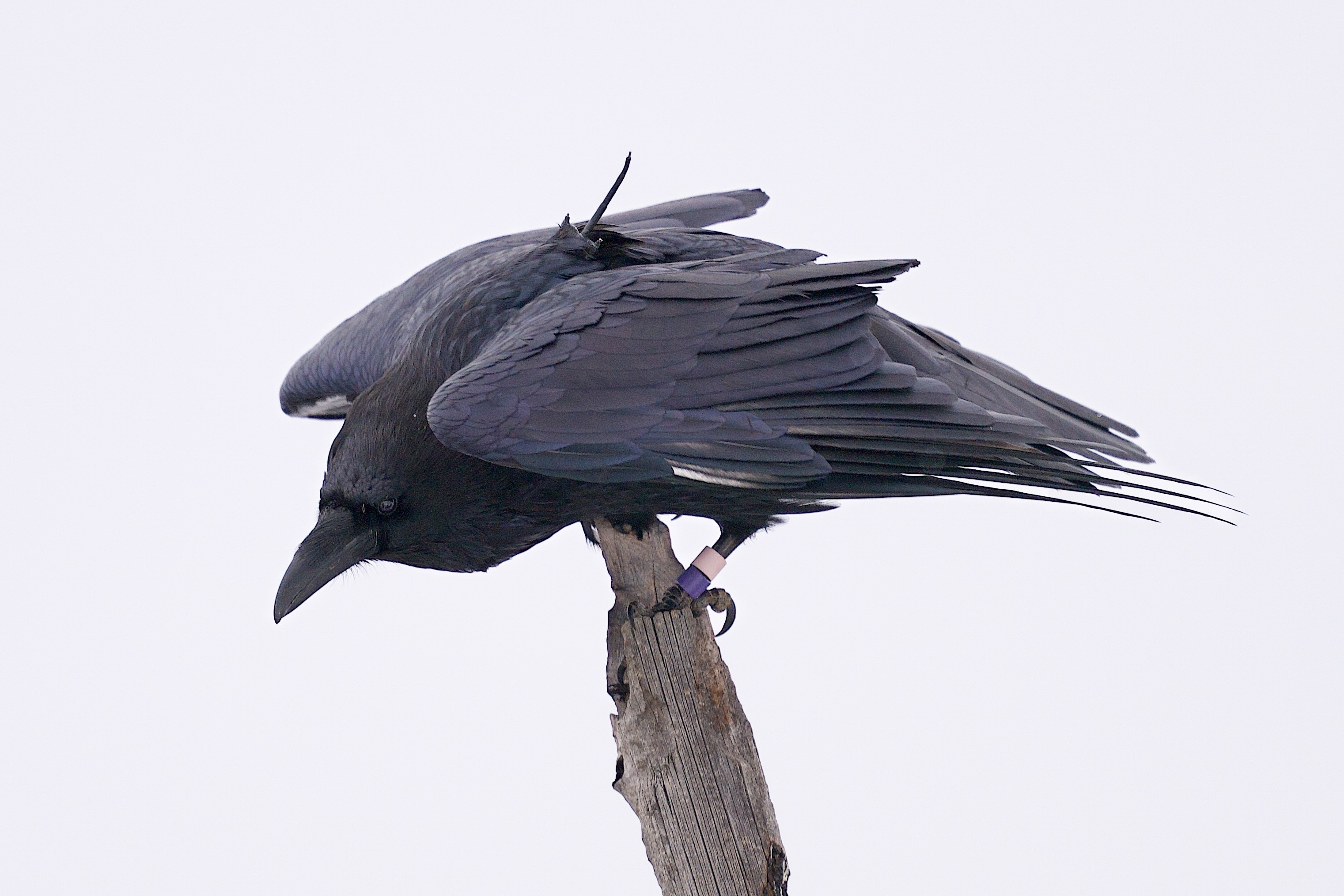
Elon Musk’s new Robo-Raven? Raven Model X? Or just another banded raven wearing a transmitter to stay connected to social media?:

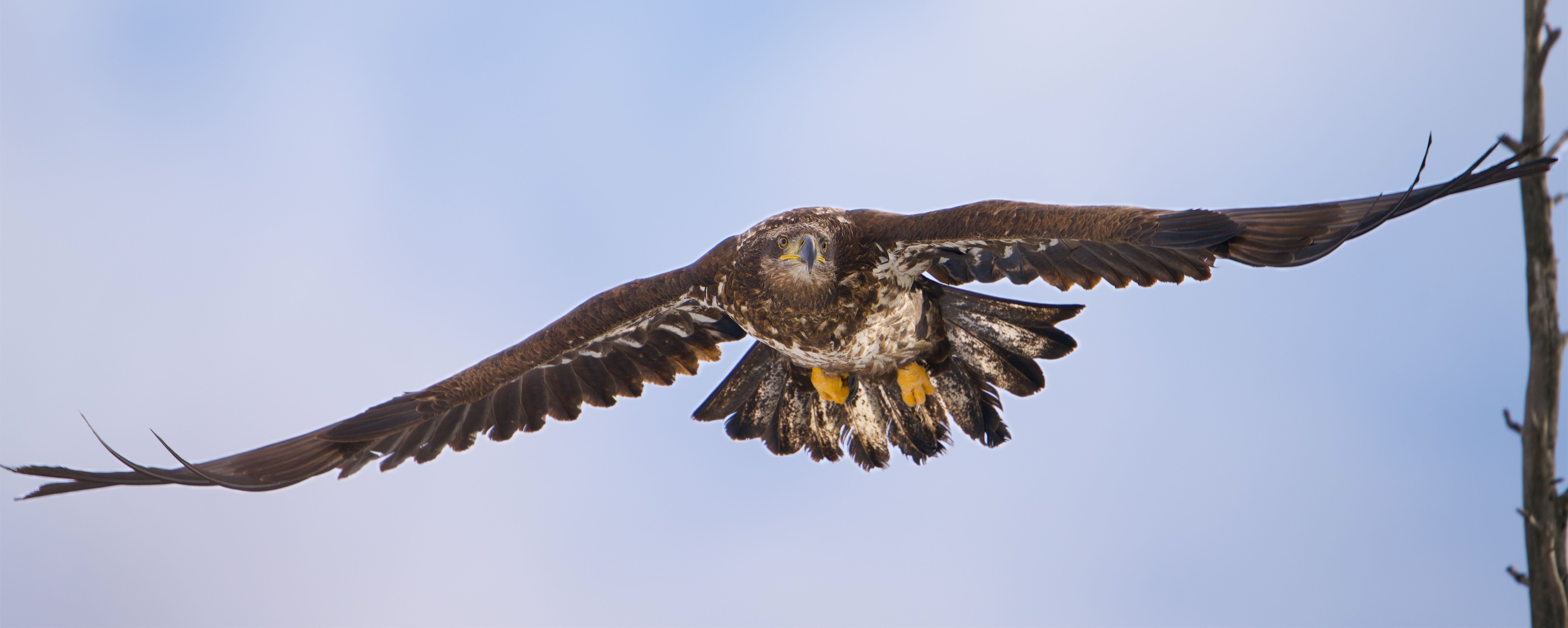
A bald eagle (Haliaeetus leucocephalus):

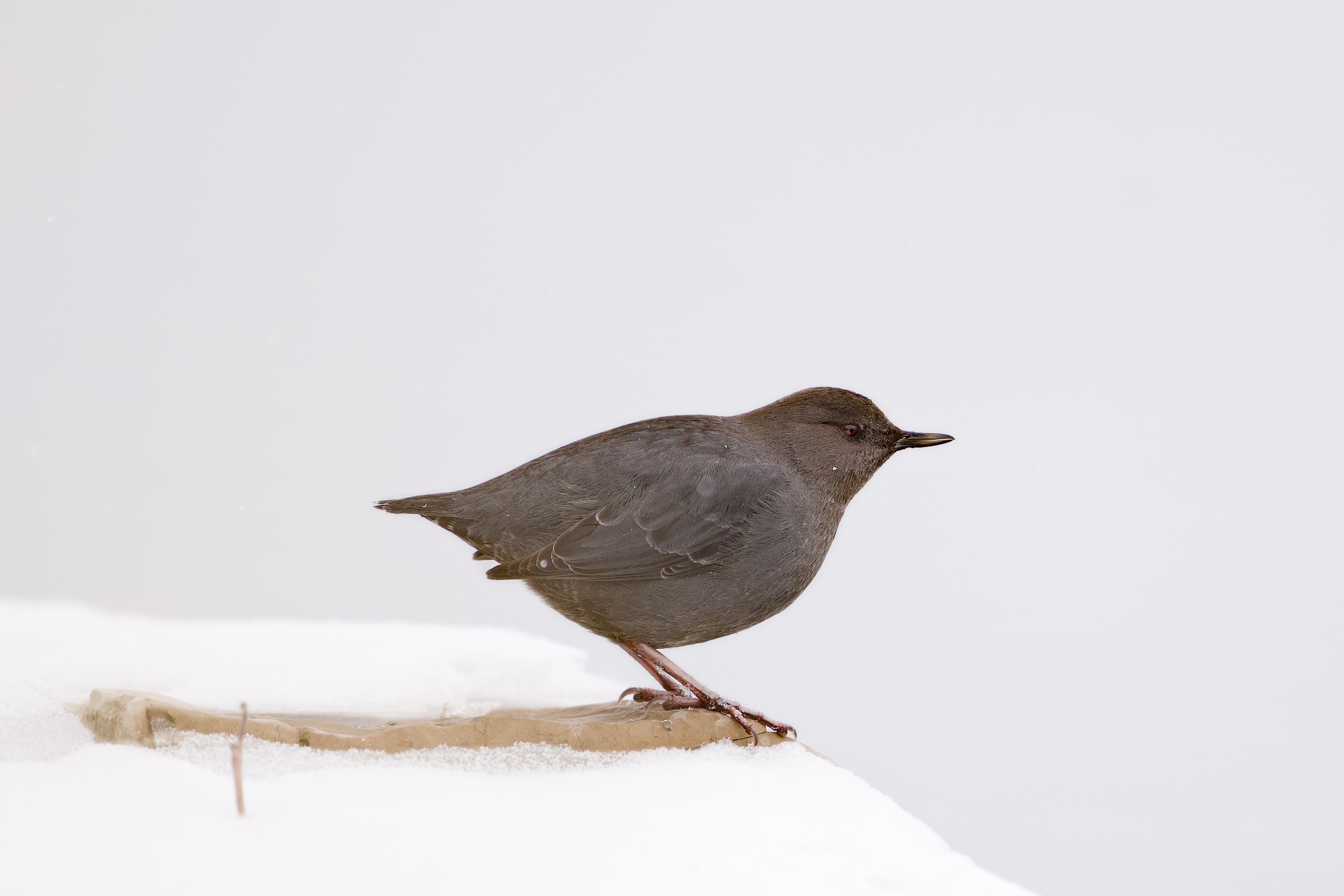
American dipper (Cinclus mexicanus):

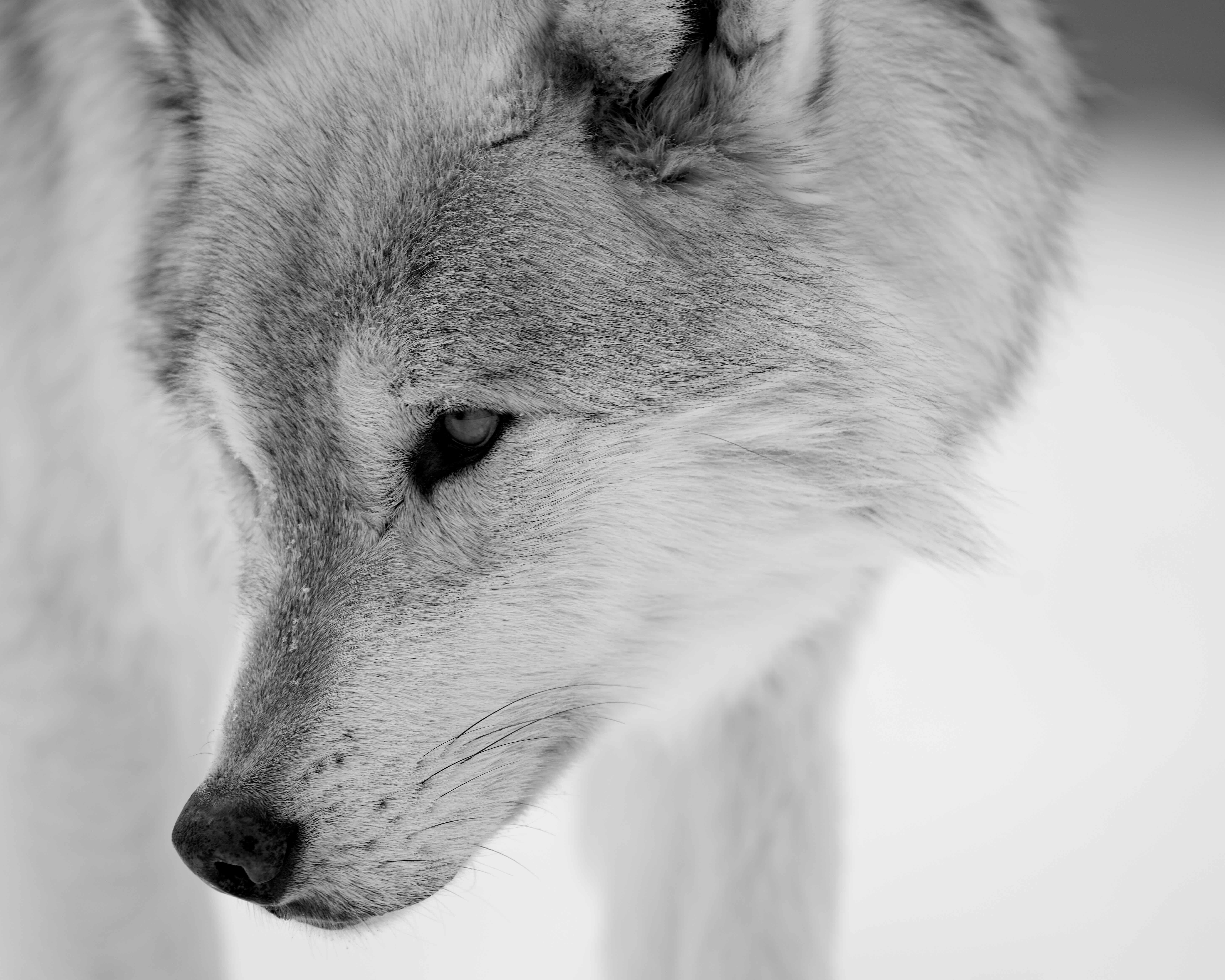
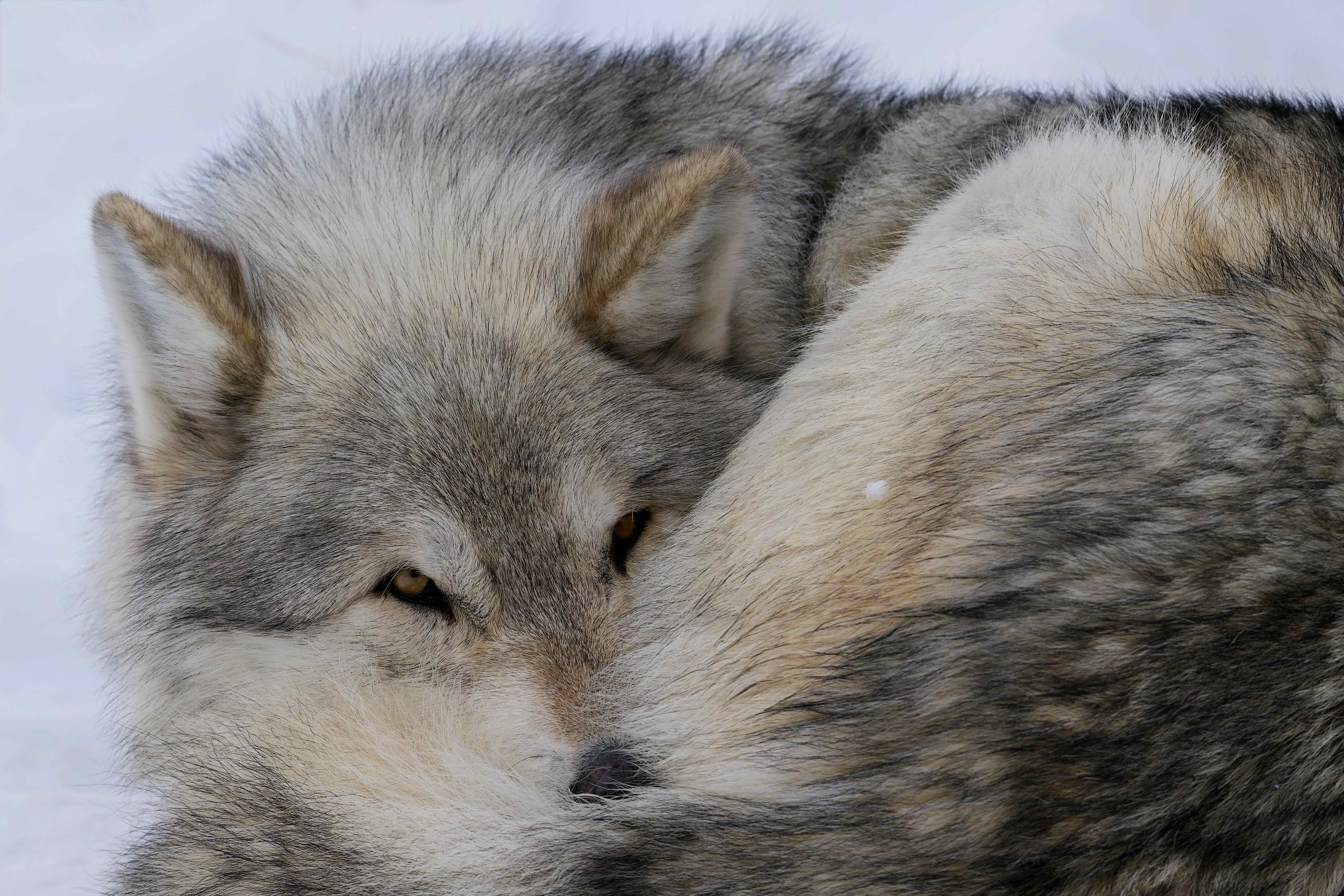
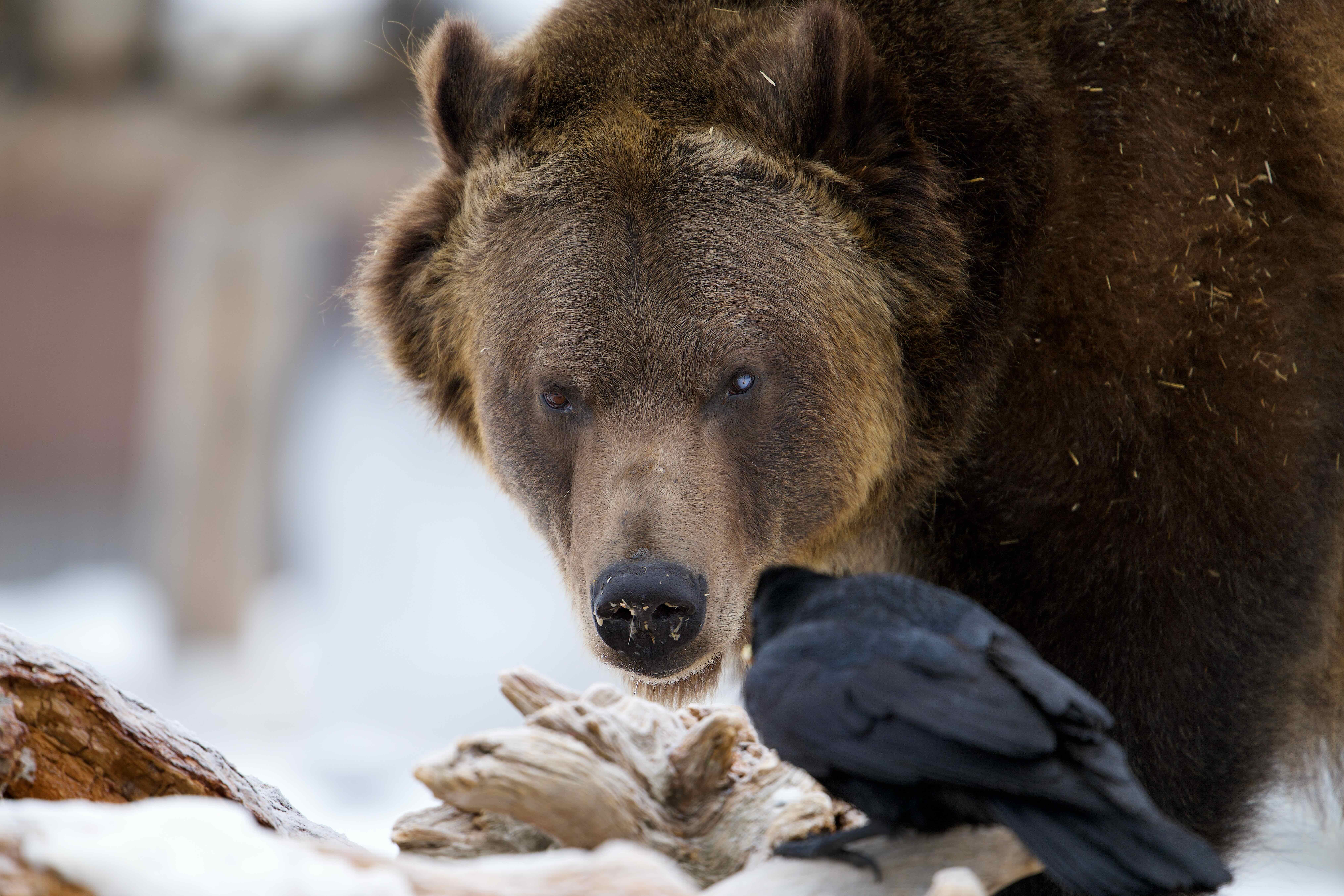
The folks with whom I was traveling wanted to visit the Grizzly & Wolf Discovery Center, a nonprofit wildlife park located in the town of West Yellowstone. I normally don’t photograph animals in zoos. It’s like shooting fish in a barrel, which is a poor metaphor because shooting fish in a barrel with a camera would be quite challenging. So the wolves (Canis lupus) and grizzly bear (Ursus arctos horribilis) in the following photos are not wild.

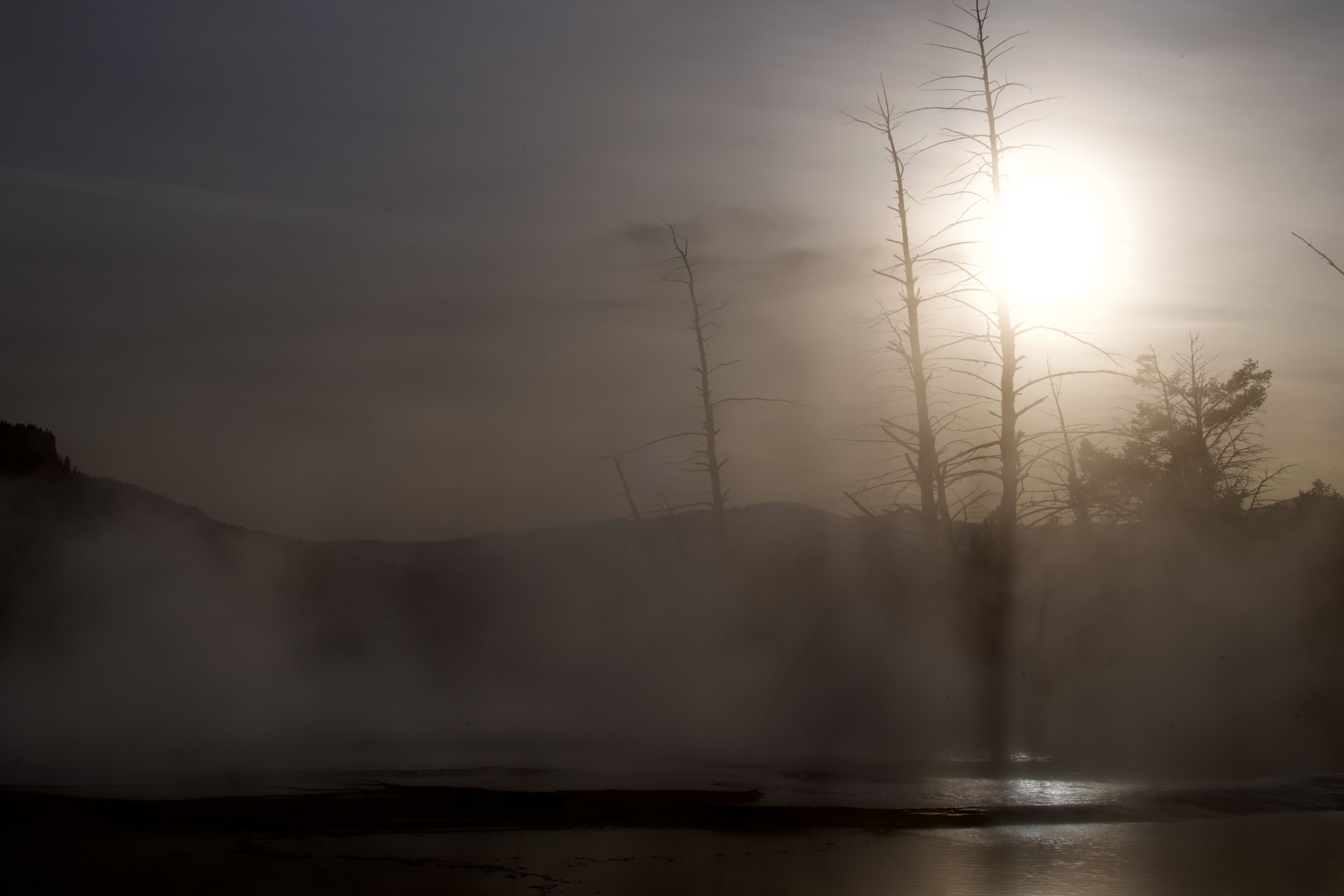
I also normally don’t shoot landscapes, but I liked the mood of the morning steam rising from this pool at the Mammoth Hot Springs:

Readers’ wildlife photos

February 7, 2026 • 8:30 am

Today we have urban wildlife, from Marcel van Oijen in Edinburgh.  His notes are indented, and you can enlarge the photos by clicking on them.

Urban wildlife in Scotland: Vertebrates

Marcel van Oijen


We live in Edinburgh South and our back garden borders a small woodland. The following pictures were all taken in the garden over a number of years, but I sorted them by month, from January to November.

Foxes (Vulpes vulpes) are among the first visitors to our garden each year. They have become very common in British cities. There are about 400,000 foxes in the U.K., and roughly one third are city-dwellers.

Magpies (Pica pica) come in droves to our garden. They are fascinating to watch but tend to frighten off the songbirds and steal their food:

Occasionally we see sparrowhawks (Accipiter nisus) plucking pigeons apart until what is left is small enough to fly away with. The magpies resent the sparrowhawks invading their territory, and gang up against them:

Carrion crows (Corvus corone) usually come in pairs; this one was an exception. The way it walked, paused, looked around, nodded its head, inspecting everything – it all suggested confidence and cleverness:

We do not often see Great Spotted Woodpeckers (Dendrocopos major), but regularly hear them pecking away when walking in the woodland behind the garden:

The mammals we see the most are our American friends, the Grey Squirrels (Sciurus carolinensis). They tend to chase ach other away, but these two were friendly, maybe young siblings:

We are always surprised to see amphibians because there is not much open water in our neighbourhood. This summer visitor is a Common Frog (Rana temporaria):

Wood mice (Apodemus sylvaticus) are almost as acrobatic as the squirrels, and we see them climbing up the stems of plants and jumping onto the birdfeeders:

We don’t see hedgehogs (Erinaceus europaeus) often enough – we would like them to eat more of the slugs that invade our house from the garden:

This is the more common behaviour of the Grey Squirrels (Sciurus carolinensis): entering supposedly squirrel-proof birdfeeders and being nasty to each other:

We often see pheasants (Phasianus colchicus) around the golf course one kilometer away, but last November was the first time one came to see us:

Readers’ wildlife photos

February 5, 2026 • 8:15 am

Well, I still have no new wildlife photos, but so you can see your daily organism, I’m stealing another batch of photos from Scott Ritchie of Cairns, Australia.  Scott’s captions are indented and you can enlarge his photos by clicking on them. You can find Scott’s Facebook page here.

And please send in your own pictures!

The first leg of my Melbourne to Sydney tour is finished. While I dipped on the Lyrebird (winter is their season!), I did see many other cool birds. Here is the 1st leg on the Victoria Gippsland trip, birds captured on a brief stopover and walk in the Dandenongs. It was amusing stumbling across a Swiss nature photographer that I follow on Youtube. I’m sure Fabian Fopp was equally alarmed that some old fart came out of the blue and said “You’re Fabian Fopp!”

Anyway, it was fun chatting, and photographing parrots with him. I’ll get the lyrebird next winter!

Crimson Rosella [Platycercus elegans] at close range:

. . . while hopping amongst the grass, hoping we feed him:

Nearby a sentinel looks for danger in a nearby tree. He calls, and flashes and shakes his tail, to tell the others “watch out, humans are coming!”:

A Sulphur-crested Cockatoo [Cacatua galerita] hears the warning too…:

. . . And takes flight:

In the deep forest, Crimson Rosellas can be seen playing in the gum bark:

Seemingly enjoying a cigar:

The ever-present Australian Magpie [Gymnorhina tibicen] keeps a keen watch!: