Readers’ wildlife photos

February 11, 2026 • 8:30 am

We have only one batch of photos remaining, a special batch for Darwin Day tomorrow, so again I’m stealing some e great photos by Scott Ritchie, who hails from Carirns, Australia. Scott’s captions and IDs are indented, and you can enlarge his photos by clicking on them. But please  send in your good wildlife photos. His bird today is itself a marvel of natural selection for cryptic coloration and behavior: the Papuan frogmouth.

FROGMOUTH FUNNIES

A Papuan Frogmouth chick [Podargus papuensis] sparked my interest in bird photography 7 years ago. This is a large bird that mimics a dead tree stump or broken branch. Grey and brown mottled camo, and sites still. Carefully watching you through its slit eye. In Nov. 2019, I was thrilled to see Papuan Frogmouths nest in a tree in my front yard. The chick was so cute! I followed it until it fledged a month later.

Ever since this time, I’ve wanted to recapture the magic that a young frogmouth chick brings to the viewer. Large, intense eyes on a fluffy white downy head. CUTE. And they never nested in our tree again.

This year I finally captured a frogmouth chick as it grew, and successfully fledged (i.e., left the nest) near the Cairns Botanic Gardens. Here are some pictures of the growing bird, and my silly stories. I hope you get a kick out of them, and wish them well

My first Papuan Frogmouth chick. Nov. 2019, my yard. The bird that sparked my passion. Max cuteness!:

Fast forward, Dec. 2025. A PFM nests near the Cairns Botanic Gardens.:

A few weeks later, the egg hatches. And a little chick is born. A bit scrawny now. Max cuteness in 1-2 weeks:

In late January, the mozzies [Australian for “mosquitoes”] are fierce. “Dad, there’s a mosquito trying to bite me. Do something!” Max cuteness!:

Dad laughs. “Get used to it. You’re in north Queensland son!”:

Come on Dad! Be a sport:

A week later, max cuteness is past. And a surely teenage frogmouth realises he has to put up with his home a bit longer:

But he’s good humoured about it. Can’t beat ’em, join him!:

And finally the time has come to leave the nest. Dad and son are now roosting in a nearby tree. He’s still a cute puffball. But has a lot to learn:

“Son, comb your bloody feathers! You’ll never convince anyone that you’re a tree stump with that ragtop!”:

Readers’ wildlife photos

February 10, 2026 • 8:15 am

Today we have some urban arthropod photos taken in Scotland by Marcel van Oijen. Marcel’s IDs and captions are indented, and you can enlarge his photos by clicking on them.

Urban wildlife in Scotland: 11 insects and 1 spider

Marcel van Oijen

This website recently hosted pictures of vertebrates in our Edinburgh garden. This time we show some of our favourite arthropod visitors. Unlike the vertebrates, which we see year-round, insects in Scotland are easiest to spot in the summer, followed by spiders in autumn. The following pictures were taken between mid-July and mid-September.

When we walk on the grass in summer, we see small bits of straw rising up and landing a meter or so away. Those are Straw Grass Moths (Agriphila straminella), one of the 2500 moth species in the UK. Grass moths are micromoths of about 1 cm length. When they land on the grass, they immediately freeze and allow themselves to be photographed from up close:

Once or twice a year we put out the moth trap to see what lives in our garden. The trap is just an open box with a lamp above. The moths fly toward the light and hide in the box, allowing us to admire them the next morning. Mornings are relatively cold, so most boxed moths hesitate to fly away even when we carefully take them out and take pictures. It is still not fully clear why moths are drawn to artificial light, but flight analysis suggests they treat lamps and natural light sources in the same way . We see Orange Swift Moths (Triodia sylvina) quite often. They are doing well, populations are increasing and expanding further into Scotland, but they are yet to reach Ireland.

Scalloped Oak Moth is another common species (Crocallis elinguaria):

There are 57 species of butterfly in the U.K. of which 35 breed in Scotland. We see Comma butterflies (Polygonia c-album) more and more each year:

There are two insects in this picture! Notice the huge size difference between the Buff-Tailed Bumblebee (Bombus terrestris) and the Highland Midge (Culicoides impunctatus). The cute little midge is the reason why we don’t go wild camping in the Scottish Highlands in the summer, but in Edinburgh they are still fairly rare:

This is the most common hoverfly species in the U.K. (Helophilus pendulus):

The Peacock (Aglais io) is found all across Eurasia, and we see it very often. It is beautiful (but we like the moths more):

Like many larger butterflies, the Red Admiral (Vanessa atalanta) lets itself easily be photographed if you slowly move toward it, staying as low as you can:

The macromoth species that we see the most is the Large Yellow Underwing (Noctua pronuba). You can see that this one is nearing the end of its lifetime:

I find it difficult to take pictures of flies, so was happy to see this Common Siphona Fly (Siphona geniculata) land on the flower that I had just focused on:

The Eyed Ladybird (‘Ladybug’ in American) (Anatis ocellata) is one of the prettiest aphid-eaters:

And this is the only spider for today: a subadult of the Lesser Garden Spider (Metellina segmentata). Seeing it is a sign that autumn has come:

Readers’ wildlife photos and video

February 9, 2026 • 8:30 am

Posting will be light today as I have three meetings/events to attend. I am supposed to be retired!

Those of you with photos please send them along, as I have about three more batches before Armageddon hits. Thank you!

Today we have the second batch of photos from Sri Lanka contributed by reader MichaelC—and one video (his earlier batch on the flora is here).  Michael’s captions and IDs are indented, and you can enlarge the photos by clicking on them.

Sri Lankan Fauna! 

Unlike the orchids and Angel’s Trumpets, which kindly stayed still for me, most of the animals did not. So few of my critter photos are well focused. Even so, some are interesting.

An Indian Elephant (Elephas maximus indicus) snorkeling its way across a lake! Right behind this fella were two cows and a young one, also snorkeling:

Here’s the big fella coming out of the lake….:

….to join a herd of some thirty other elephants. We were in an open vehicle on a tour of Wasgamuwa National Park. This is a close up showing a newborn calf. There were a number of Sri Lankan biologists there in other vehicles documenting the little one, which they said was only four days old:

These are all wild elephants who are accustomed to gawking tourists. Nevertheless, our guides were very stern about never leaving the vehicle. Elephants tolerate people, but they don’t like us. That’s by design. Sri Lankans value their elephants and don’t want to cull them in order to keep them from destroying crops. They do not kill elephants unless they become a threat to people. So farmers use what are essentially paint ball guns to shoot them. Stings like hell, but does no harm. The elephants learn to avoid people, but the process makes them cranky and unpredictable. Indeed, my soon-to-be-wife and I (and a bunch of other guests) were chased off a dinner set up on a beach in Yala National Park by a cranky bull elephant. The resort had “spotters” positioned around the resort watching for elephants. A familiar, bad-tempered bull decided he didn’t want any humans on his beach, so the spotters came running. 

This is a Brahminy Kite (Haliastur indus). They follow the herds and gobble up things they stir from the grass.

Two Many-lined Sun Skinks (Eutropis multifasciata) caught in flagrante delicto:

A Sri Lankan Wild Boar (Sus scrofa cristatus), a subspecies of the Indian Wild Boar (Sus scrofa):

Some sort of Agama, maybe the Ground Agama (Agama aculeata)?:

Chital or Sri Lankan Spotted deer (Axis axis ceylonensis):

A Snowy Egret (Egretta thula) going for a ride on a Water Buffalo (Bubalis bubalis):

A Red-wattled Lapwing (Vanellus indicus) standing in her nest:

Asian Green Bee-eater (Merops orientalis) the birds are welcome visitors to Sri Lankan, migrating in from India (I suppose) part of the year. They are very pretty and have a wonderfully beautiful song:

A Little Egret (Egretta garzetta) with a disappointed Mugger Crocodile (Crocodylus palustris). This was the last in a series of shots of the two. The croc tried to sneak up on the egret, but the bird saw him the whole time. It was hilarious because the croc thought it was being so stealthy but the bird just carried on fishing and was like; “dude, you know I can see you, right?”.:

Common Green Forest Lizard (Calotes calotes) displaying mating green:

These Hanuman langurs (Semnopithecus sp.?) are notorious thieves. But this guy was part of a small troop who completely ignored us:

Bengal monitor (Varanus bengalensis). This guy was more than a meter long!:

Lagniappe! A short video of immature bull elephants working out the pecking order. Or maybe just showing off. The young males spent a lot of time jousting like this. Surely it must be important behavior because otherwise, instead of spending their time and energy doing this, they could be eating and growing:

Readers’ wildlife photos

February 8, 2026 • 8:15 am

Today’s photos come from Ephraim Heller, who took photos at Yellowstone. Ephraim’s captions and IDs are indented, and you can enlarge his photos by clicking on them.

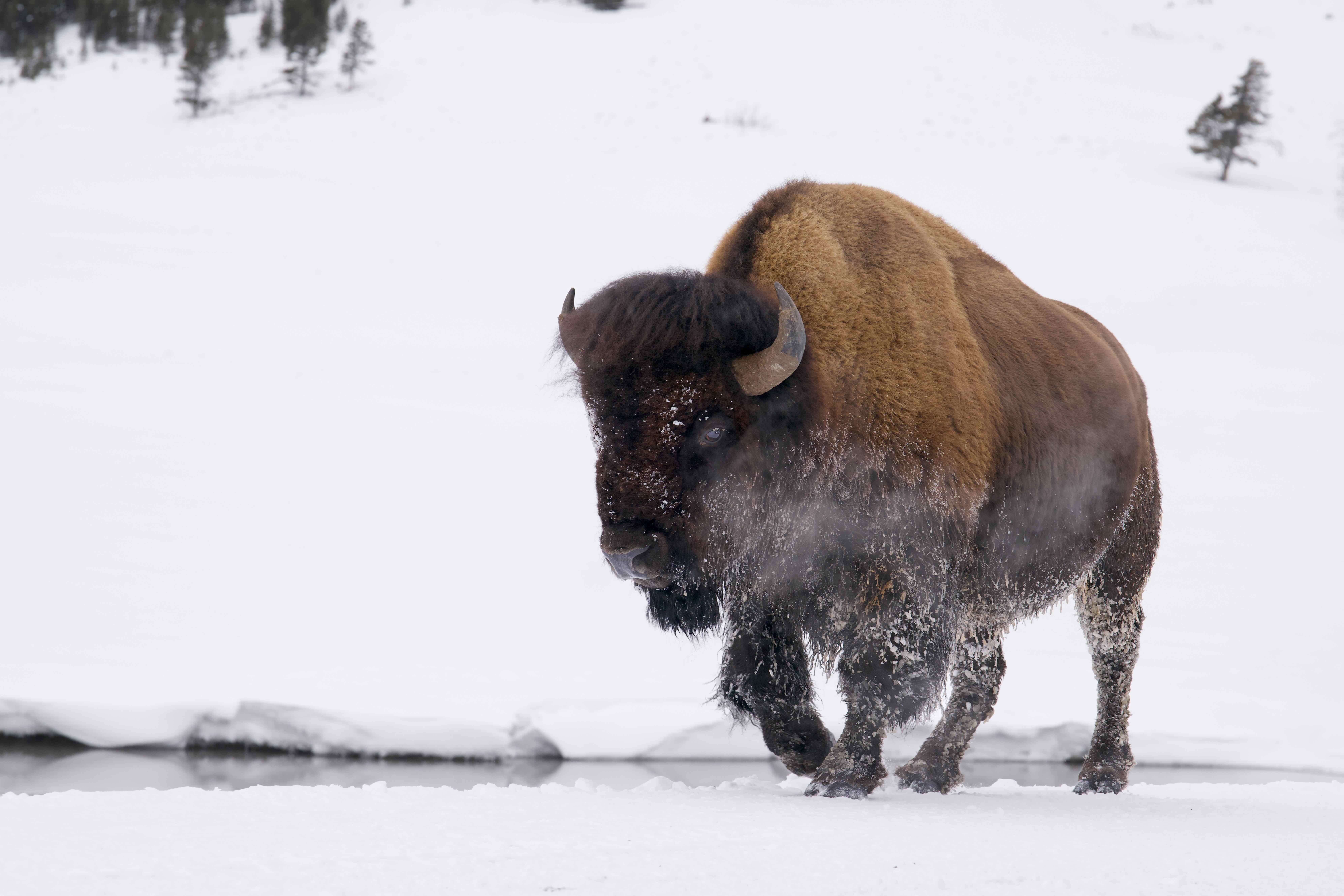
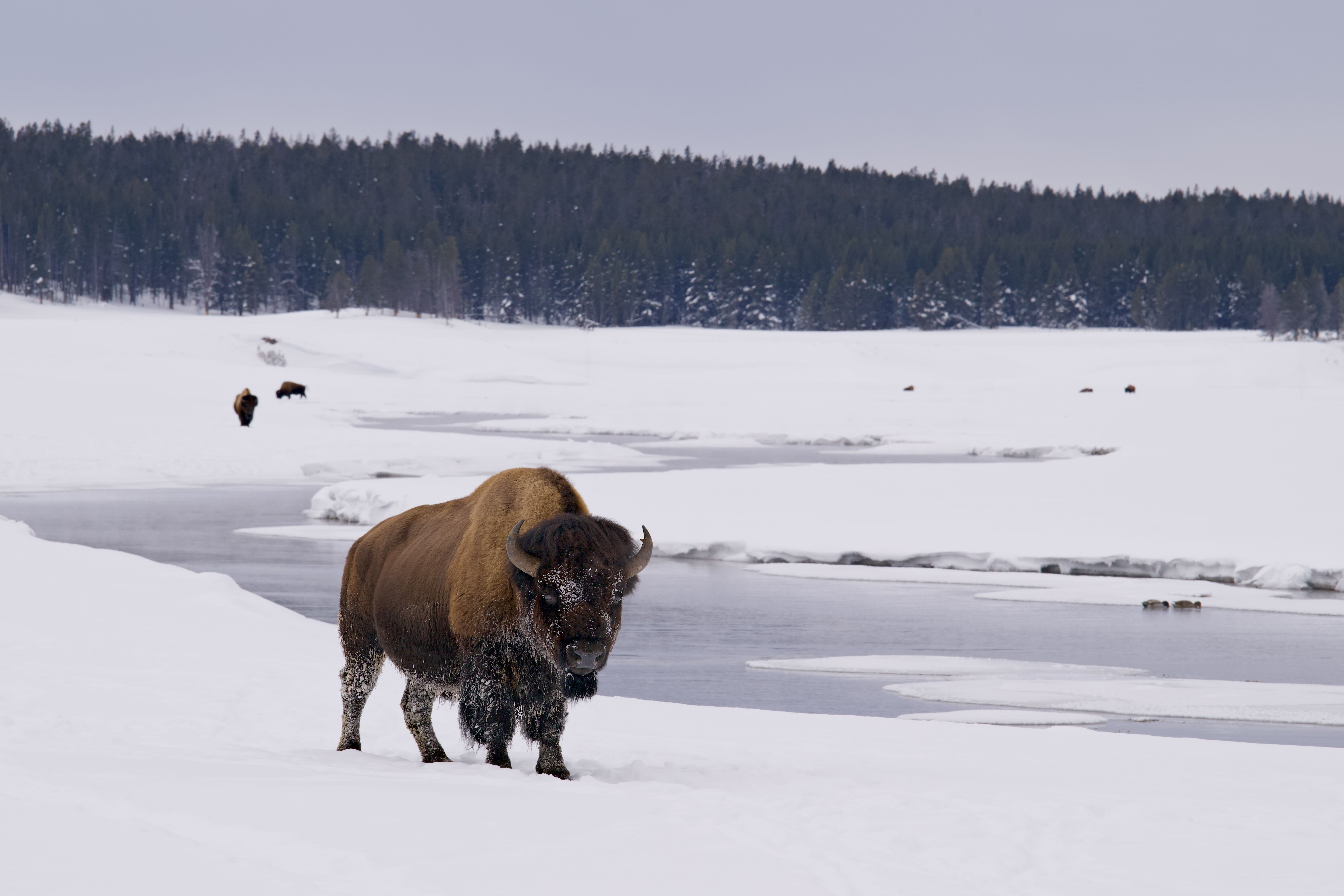
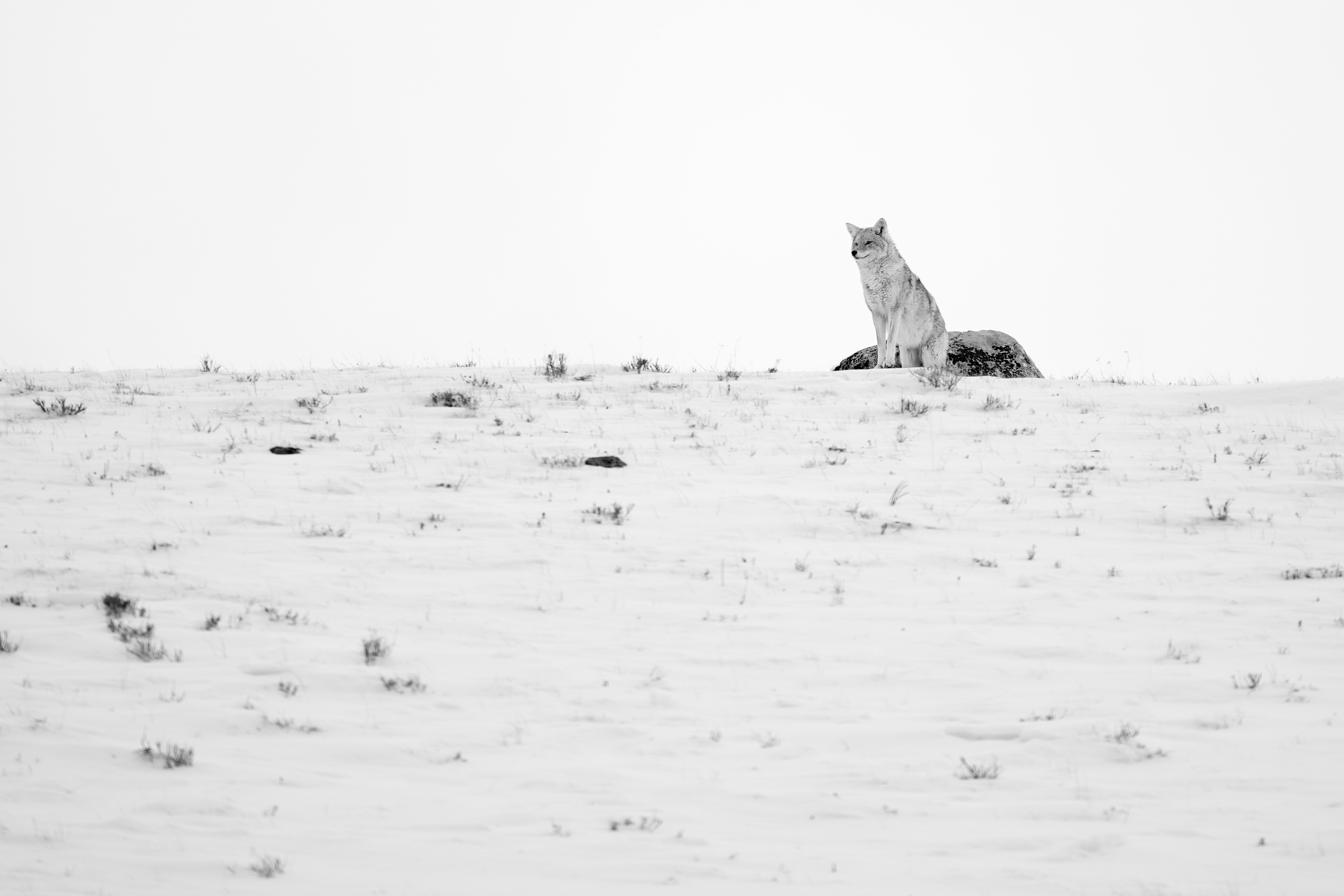
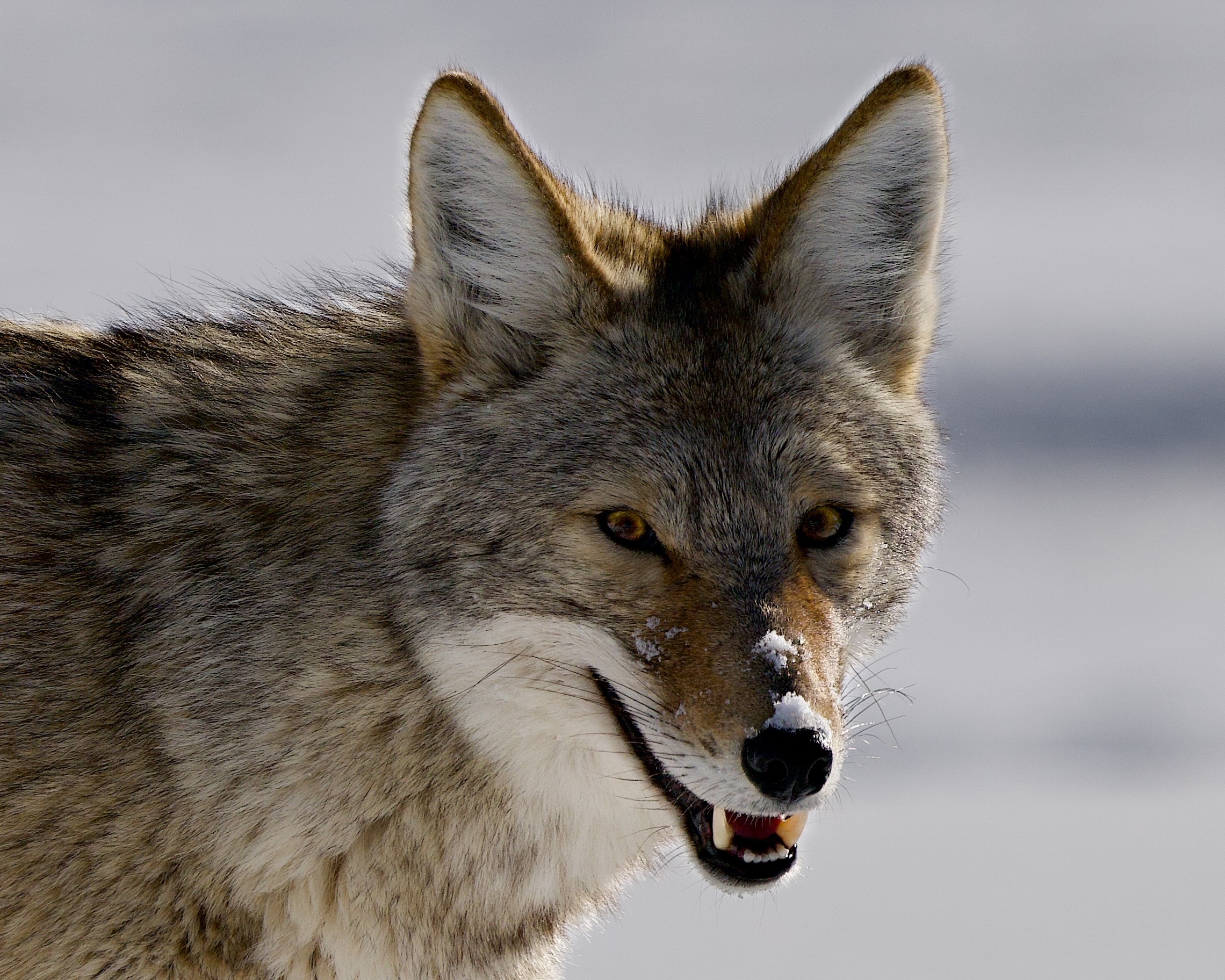
I spent the last week of January in Yellowstone National Park hoping to photograph a wide variety of wildlife. It was a surprisingly unsuccessful trip. While the bison and coyotes cooperated, I never spotted any other mammals. Absent were foxes, wolves, otters, martens, ermine, bobcats, mountain lions, bighorn sheep, and mountain goats. I suspect that it was due to a combination of bad luck and the least snow in everyone’s memory, so (a) it was harder to spot wildlife in the sagebrush, and (b) animals were up in the hills rather than in the valleys and on the roads. Too bad!

American Bison (Bison bison):

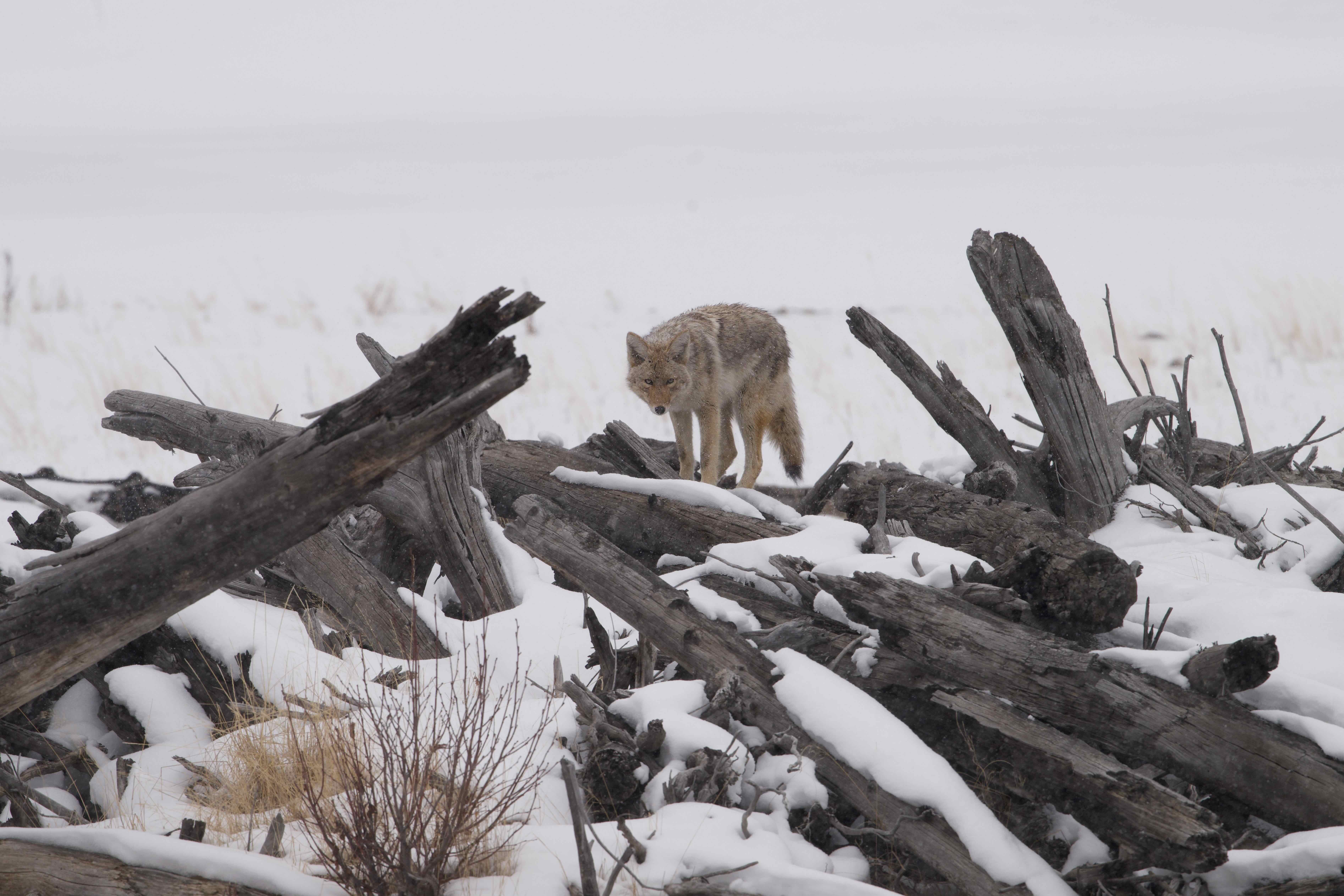
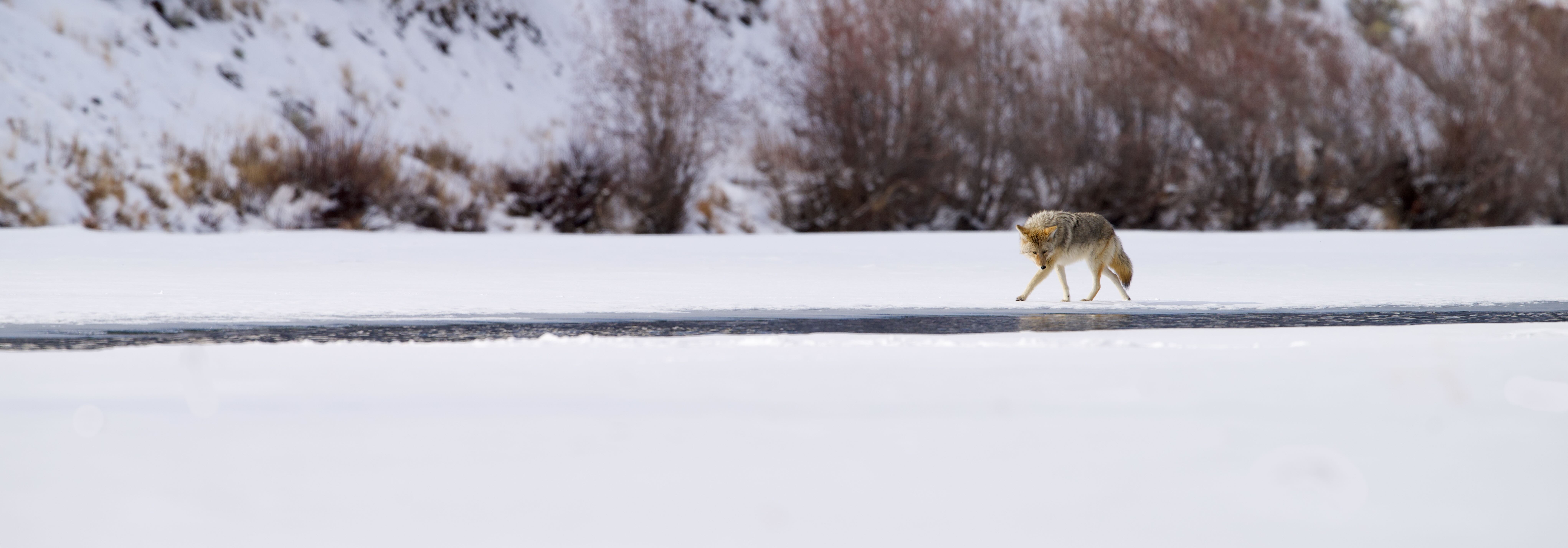
Coyotes (Canis latrans):

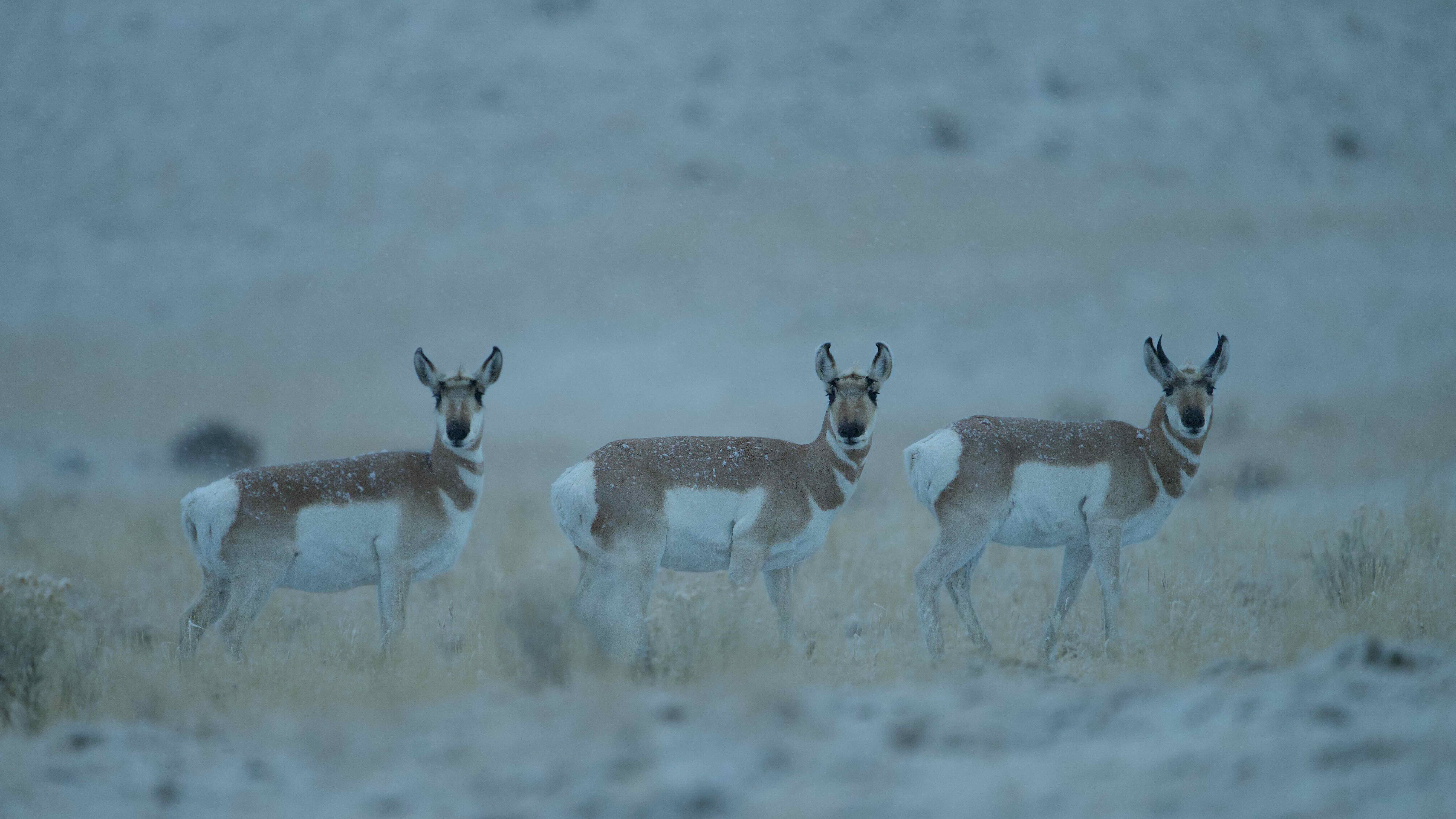
Pronghorn (Antilocapra americana) during blue hour, after sunset:

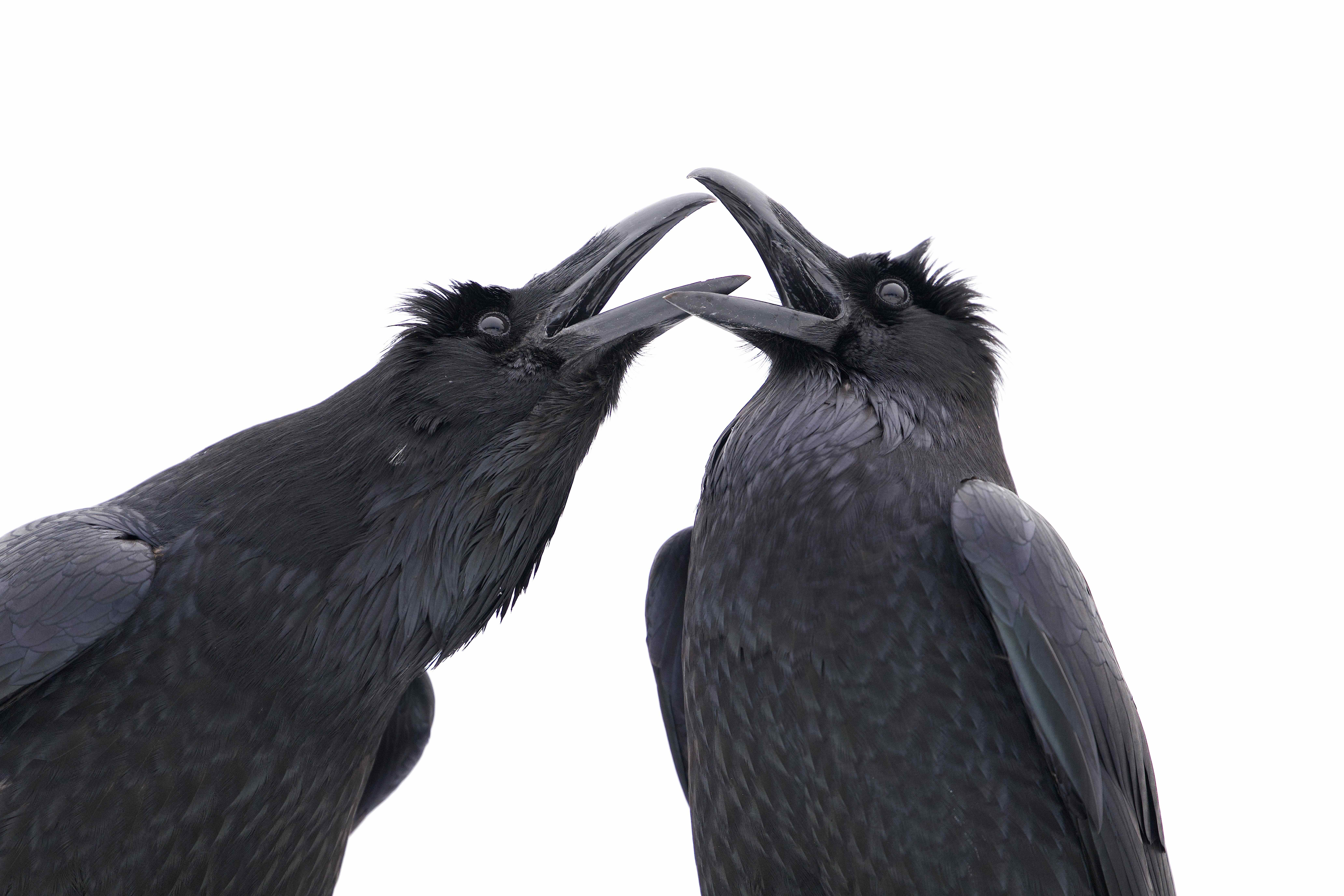
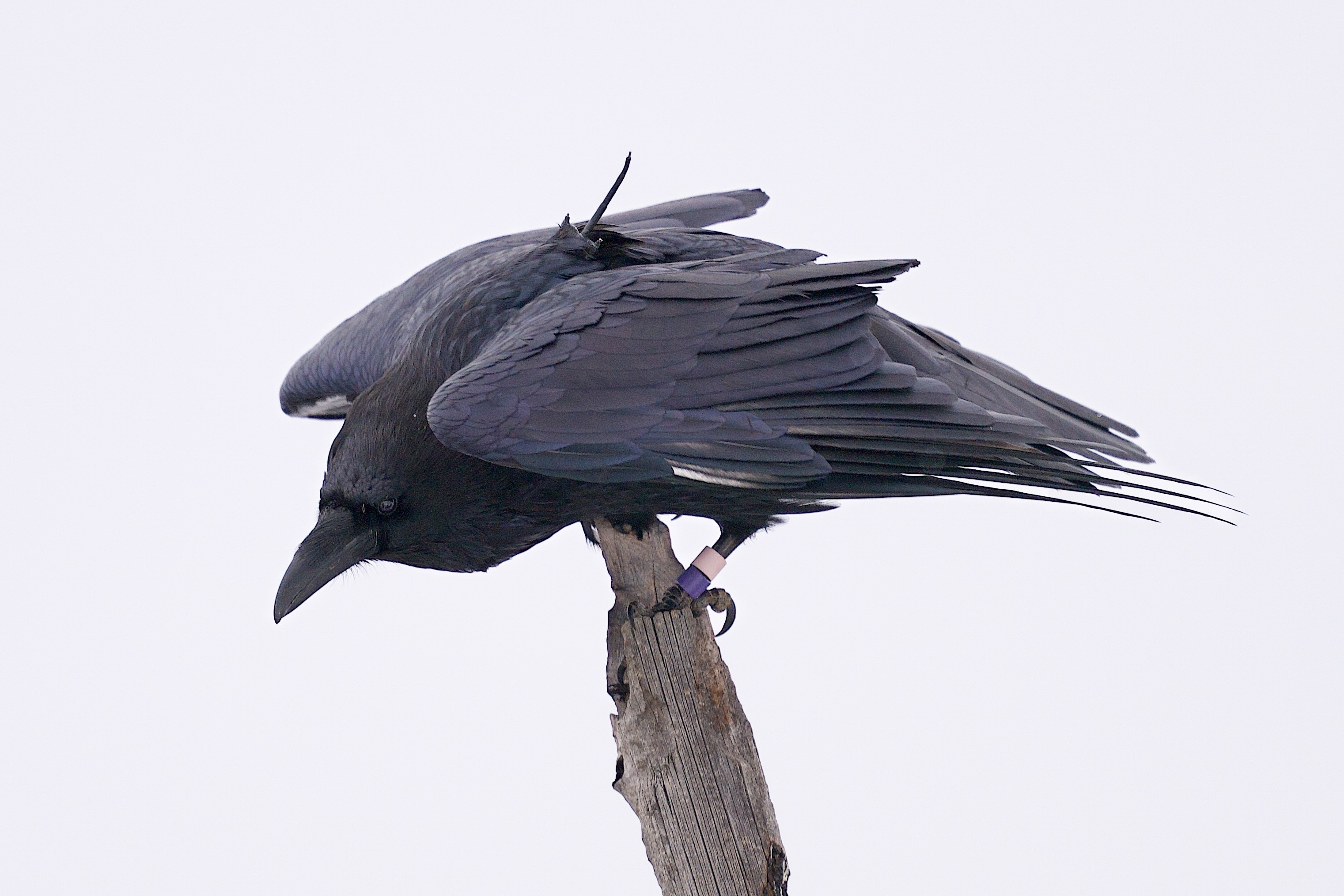
Common ravens (Corvus corax) discussing politics:

Elon Musk’s new Robo-Raven? Raven Model X? Or just another banded raven wearing a transmitter to stay connected to social media?:

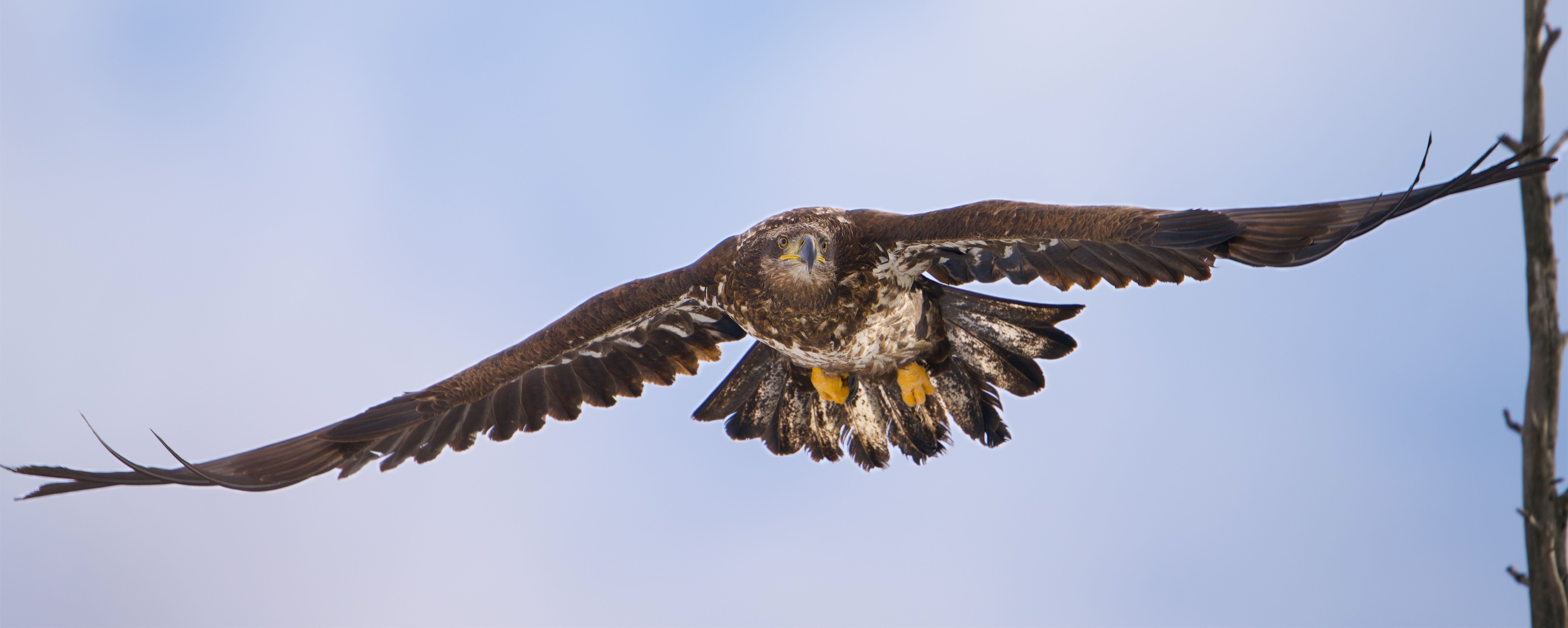
A bald eagle (Haliaeetus leucocephalus):

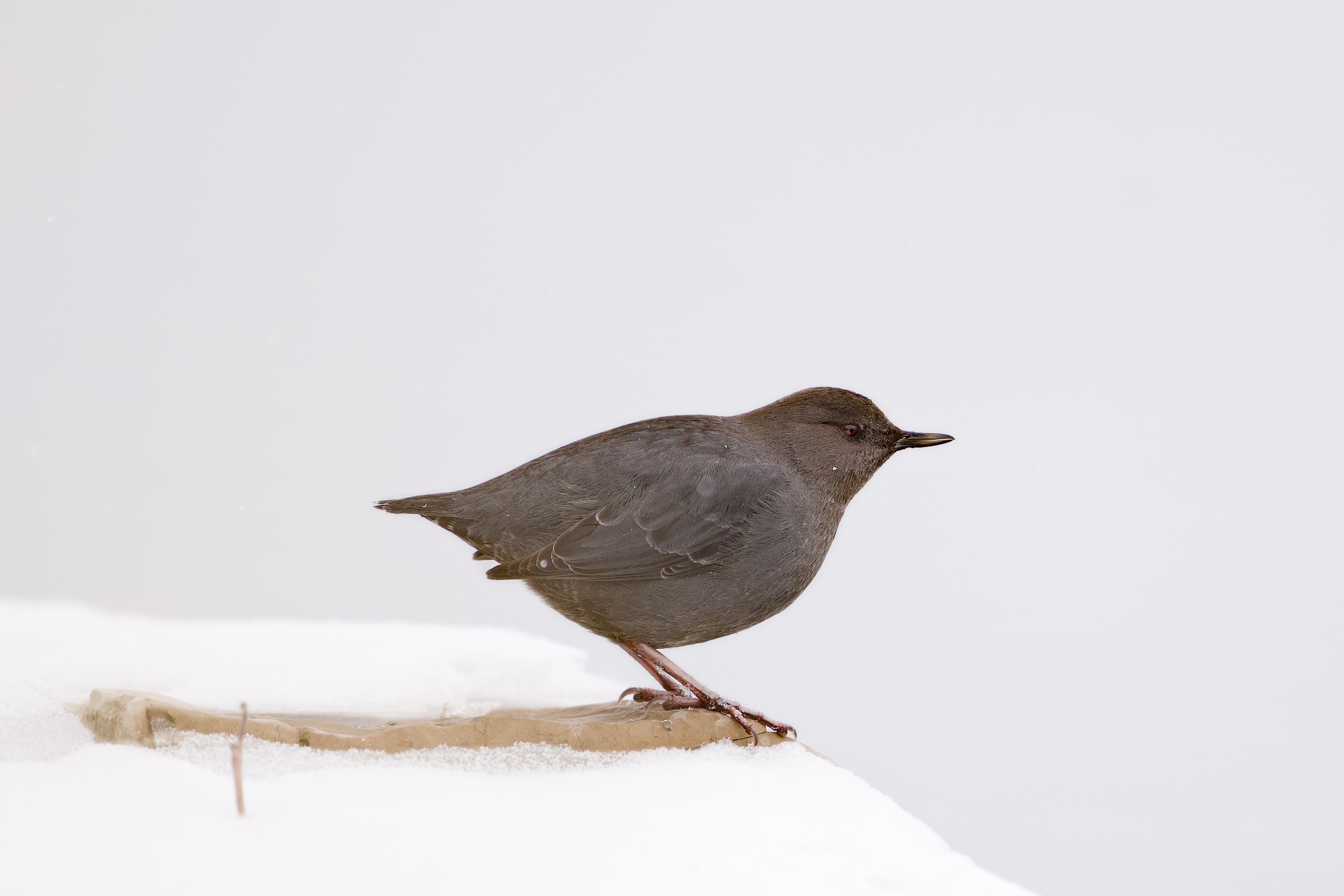
American dipper (Cinclus mexicanus):

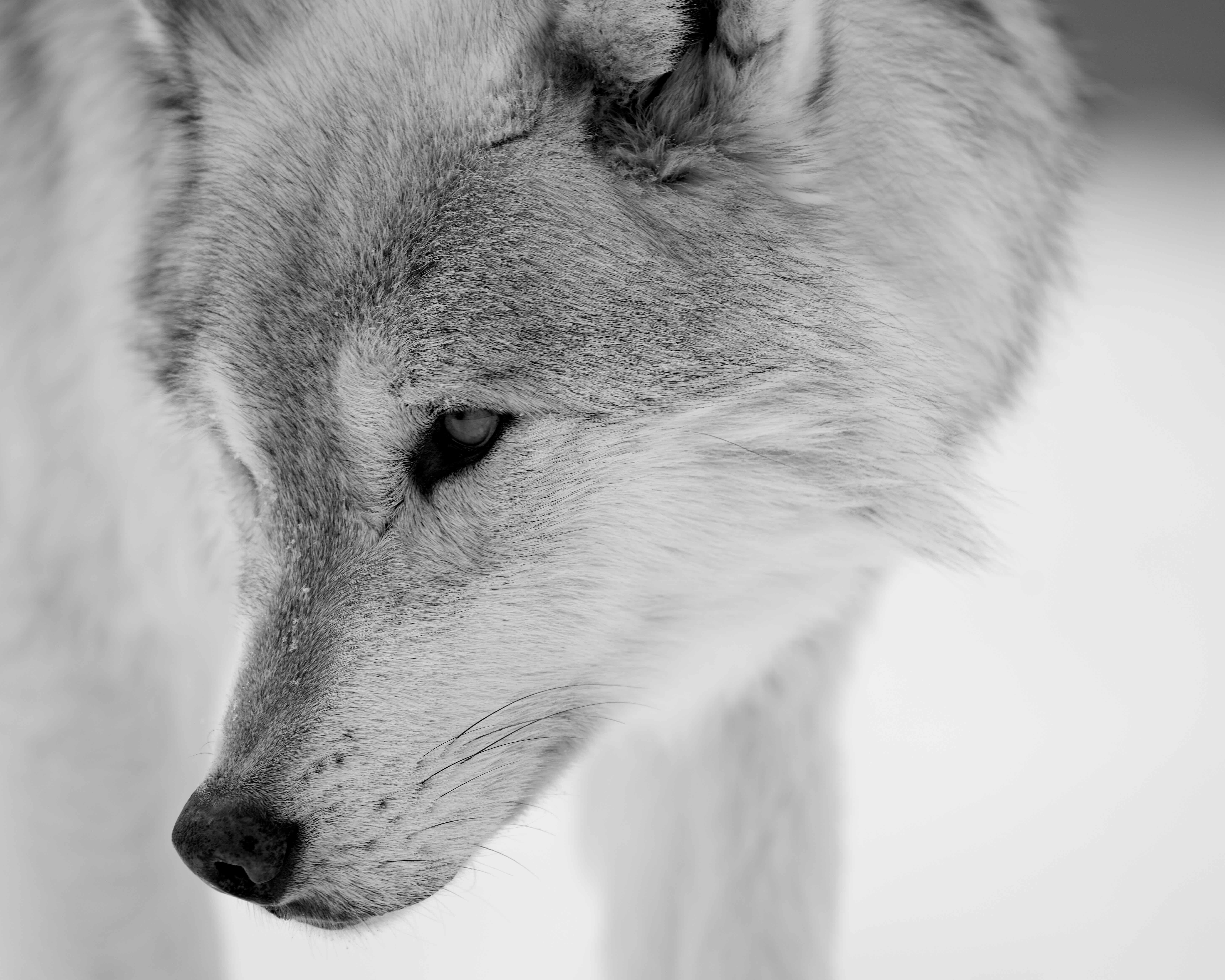
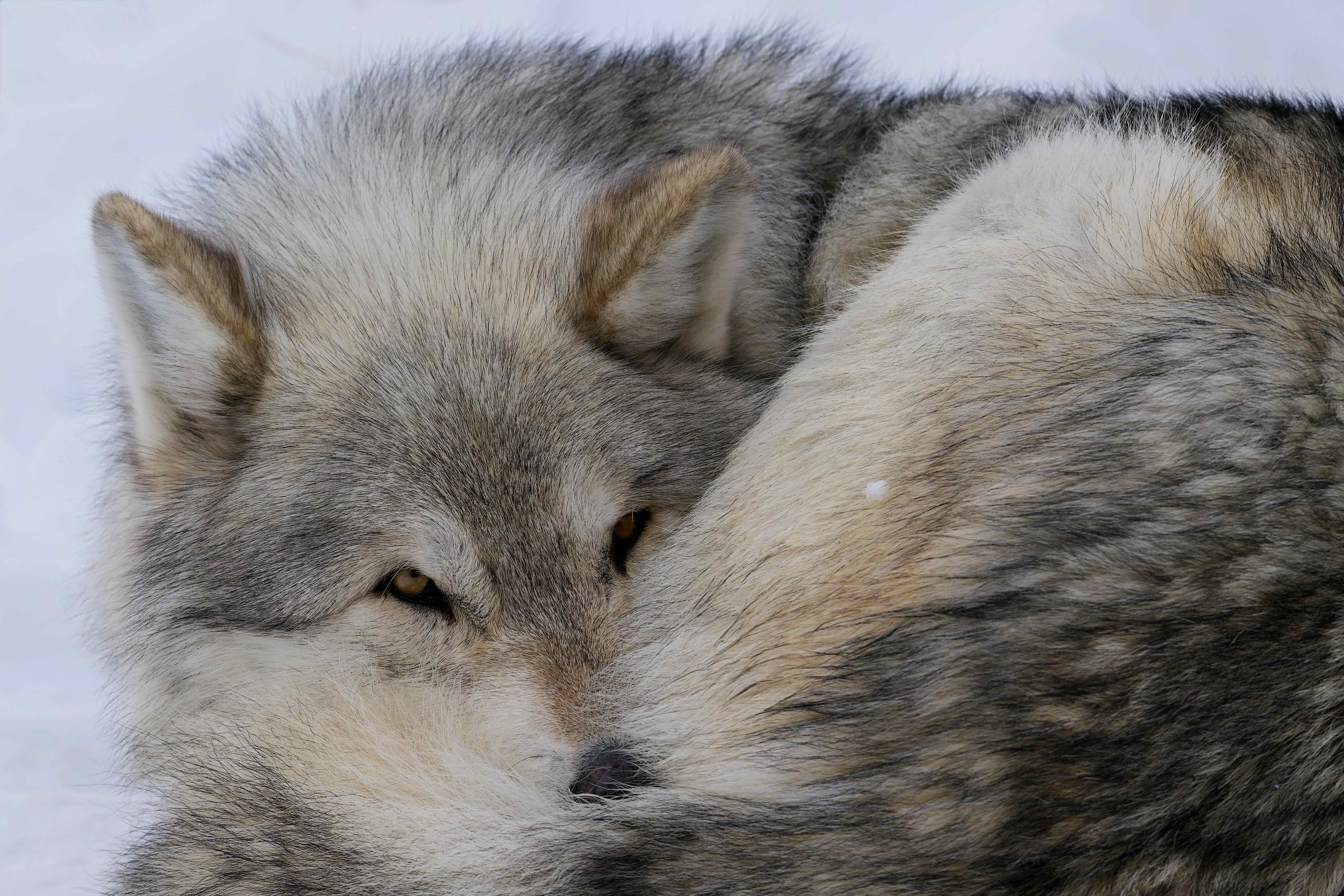
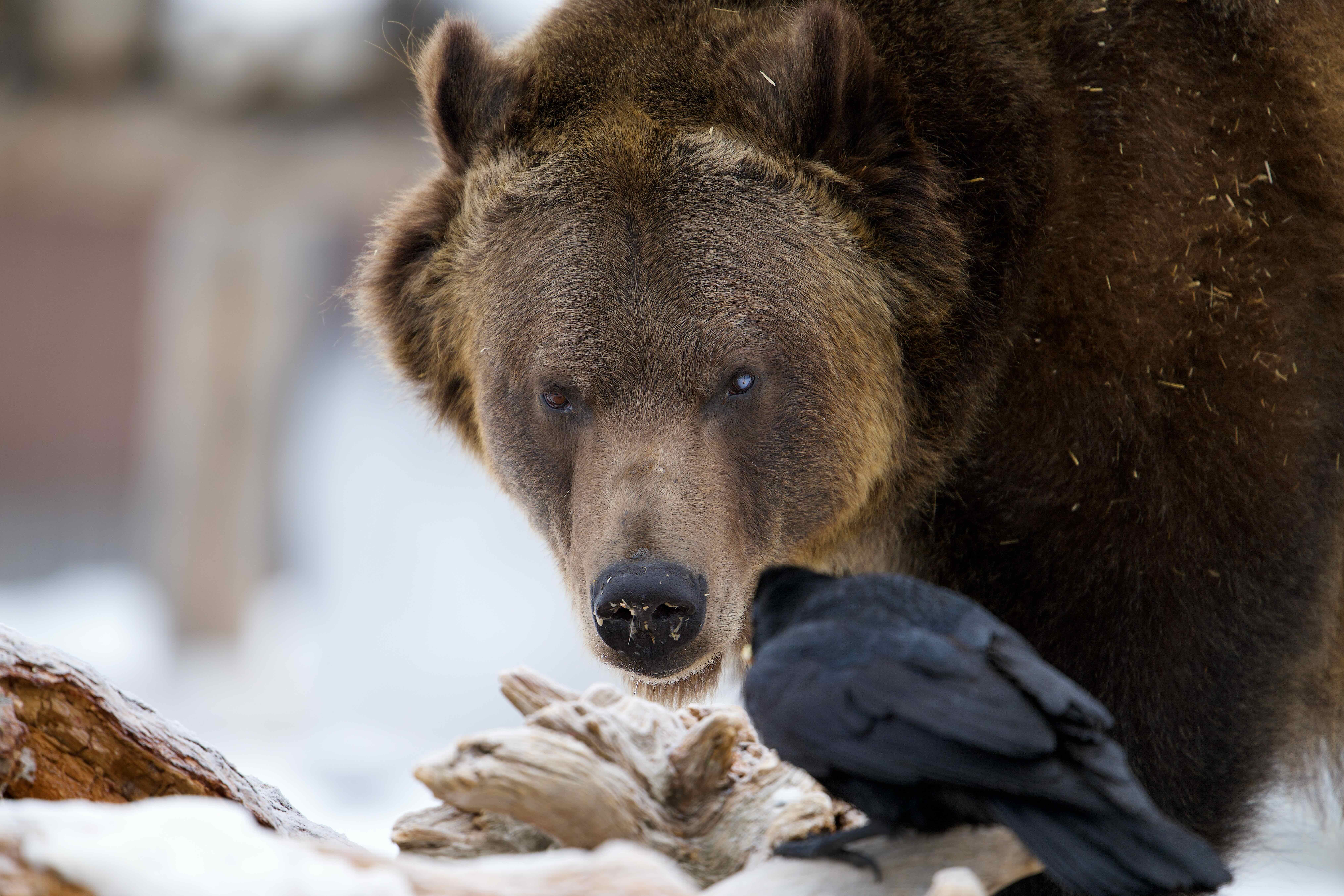
The folks with whom I was traveling wanted to visit the Grizzly & Wolf Discovery Center, a nonprofit wildlife park located in the town of West Yellowstone. I normally don’t photograph animals in zoos. It’s like shooting fish in a barrel, which is a poor metaphor because shooting fish in a barrel with a camera would be quite challenging. So the wolves (Canis lupus) and grizzly bear (Ursus arctos horribilis) in the following photos are not wild.

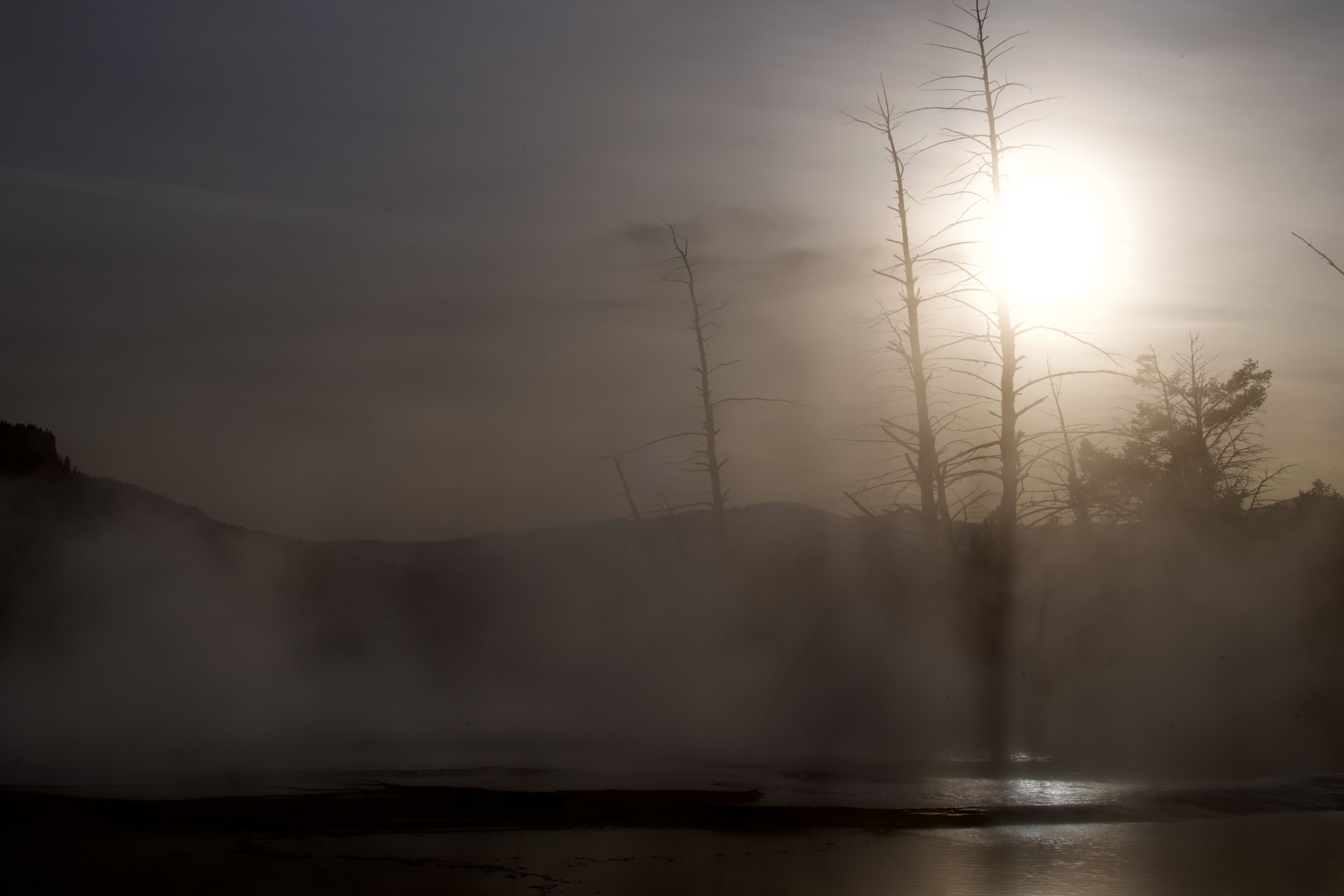
I also normally don’t shoot landscapes, but I liked the mood of the morning steam rising from this pool at the Mammoth Hot Springs:

Readers’ wildlife photos

February 7, 2026 • 8:30 am

Today we have urban wildlife, from Marcel van Oijen in Edinburgh.  His notes are indented, and you can enlarge the photos by clicking on them.

Urban wildlife in Scotland: Vertebrates

Marcel van Oijen


We live in Edinburgh South and our back garden borders a small woodland. The following pictures were all taken in the garden over a number of years, but I sorted them by month, from January to November.

Foxes (Vulpes vulpes) are among the first visitors to our garden each year. They have become very common in British cities. There are about 400,000 foxes in the U.K., and roughly one third are city-dwellers.

Magpies (Pica pica) come in droves to our garden. They are fascinating to watch but tend to frighten off the songbirds and steal their food:

Occasionally we see sparrowhawks (Accipiter nisus) plucking pigeons apart until what is left is small enough to fly away with. The magpies resent the sparrowhawks invading their territory, and gang up against them:

Carrion crows (Corvus corone) usually come in pairs; this one was an exception. The way it walked, paused, looked around, nodded its head, inspecting everything – it all suggested confidence and cleverness:

We do not often see Great Spotted Woodpeckers (Dendrocopos major), but regularly hear them pecking away when walking in the woodland behind the garden:

The mammals we see the most are our American friends, the Grey Squirrels (Sciurus carolinensis). They tend to chase ach other away, but these two were friendly, maybe young siblings:

We are always surprised to see amphibians because there is not much open water in our neighbourhood. This summer visitor is a Common Frog (Rana temporaria):

Wood mice (Apodemus sylvaticus) are almost as acrobatic as the squirrels, and we see them climbing up the stems of plants and jumping onto the birdfeeders:

We don’t see hedgehogs (Erinaceus europaeus) often enough – we would like them to eat more of the slugs that invade our house from the garden:

This is the more common behaviour of the Grey Squirrels (Sciurus carolinensis): entering supposedly squirrel-proof birdfeeders and being nasty to each other:

We often see pheasants (Phasianus colchicus) around the golf course one kilometer away, but last November was the first time one came to see us:

Readers’ wildlife photos

February 6, 2026 • 8:15 am

Today we have some flower photos from reader MichaelC.  His captions and IDs are indented, and you can enlarge the photos by clicking on them.

Sri Lanka Flora!


Recently I sent WEIT some photos from the Dambulla cave temples in Sri Lanka. My wife and I took a “pre-honeymoon” there (we took our honeymoon before the wedding; we’re olde so rules don’t apply to us!) and I have a large number of photos of Sri Lankan flora.  [Today we have the flora.]

I hope some of the ones I’ve selected are new to readers. I have tried to identify them, some I’m sure of, others not so much, and some I don’t know at all. The countryside in Sri Lanka is bursting with color; there are flowers everywhere. And birdsong! If you don’t like singing birds, Sri Lankan is not a place for you. Most of the flowers are probably familiar to people – I’ve seen many myself. These were mostly taken at the Royal Botanical Gardens or on the estate of the Dilmah Tea Plantation.

A Vanda orchid, possibly Vanda suksamran?

Black Bat flower (Tacca chantrieri). I know some Goth friends of my son who I bet would like this plant!:

Some type of rose. St. Nicholas’ Damask, maybe?:

Scarlet Sage (Salvia splendens):

Bachelor’s buttons (Centratherum punctatum or Centratherum intermedium?):

The familiar Hanging Lobster Claw (Heliconia rostrata):

There were a large variety of Angels trumpets (Brugmansia spp.) in parks, gardens, and jungles all over Sri Lanka. Here are a few;

Some kind of orchid (my notes say it’s a Dendrobium orchid):

Egyptian Starcluster (Pentas lanceolata):

Star of Bethlehem (Hippobroma longiflora):

Readers’ wildlife photos

February 5, 2026 • 8:15 am

Well, I still have no new wildlife photos, but so you can see your daily organism, I’m stealing another batch of photos from Scott Ritchie of Cairns, Australia.  Scott’s captions are indented and you can enlarge his photos by clicking on them. You can find Scott’s Facebook page here.

And please send in your own pictures!

The first leg of my Melbourne to Sydney tour is finished. While I dipped on the Lyrebird (winter is their season!), I did see many other cool birds. Here is the 1st leg on the Victoria Gippsland trip, birds captured on a brief stopover and walk in the Dandenongs. It was amusing stumbling across a Swiss nature photographer that I follow on Youtube. I’m sure Fabian Fopp was equally alarmed that some old fart came out of the blue and said “You’re Fabian Fopp!”

Anyway, it was fun chatting, and photographing parrots with him. I’ll get the lyrebird next winter!

Crimson Rosella [Platycercus elegans] at close range:

. . . while hopping amongst the grass, hoping we feed him:

Nearby a sentinel looks for danger in a nearby tree. He calls, and flashes and shakes his tail, to tell the others “watch out, humans are coming!”:
A Sulphur-crested Cockatoo [Cacatua galerita] hears the warning too…:
. . . And takes flight:

In the deep forest, Crimson Rosellas can be seen playing in the gum bark:

Seemingly enjoying a cigar:

The ever-present Australian Magpie [Gymnorhina tibicen] keeps a keen watch!: