Readers’ wildlife photos

February 8, 2026 • 8:15 am

Today’s photos come from Ephraim Heller, who took photos at Yellowstone. Ephraim’s captions and IDs are indented, and you can enlarge his photos by clicking on them.

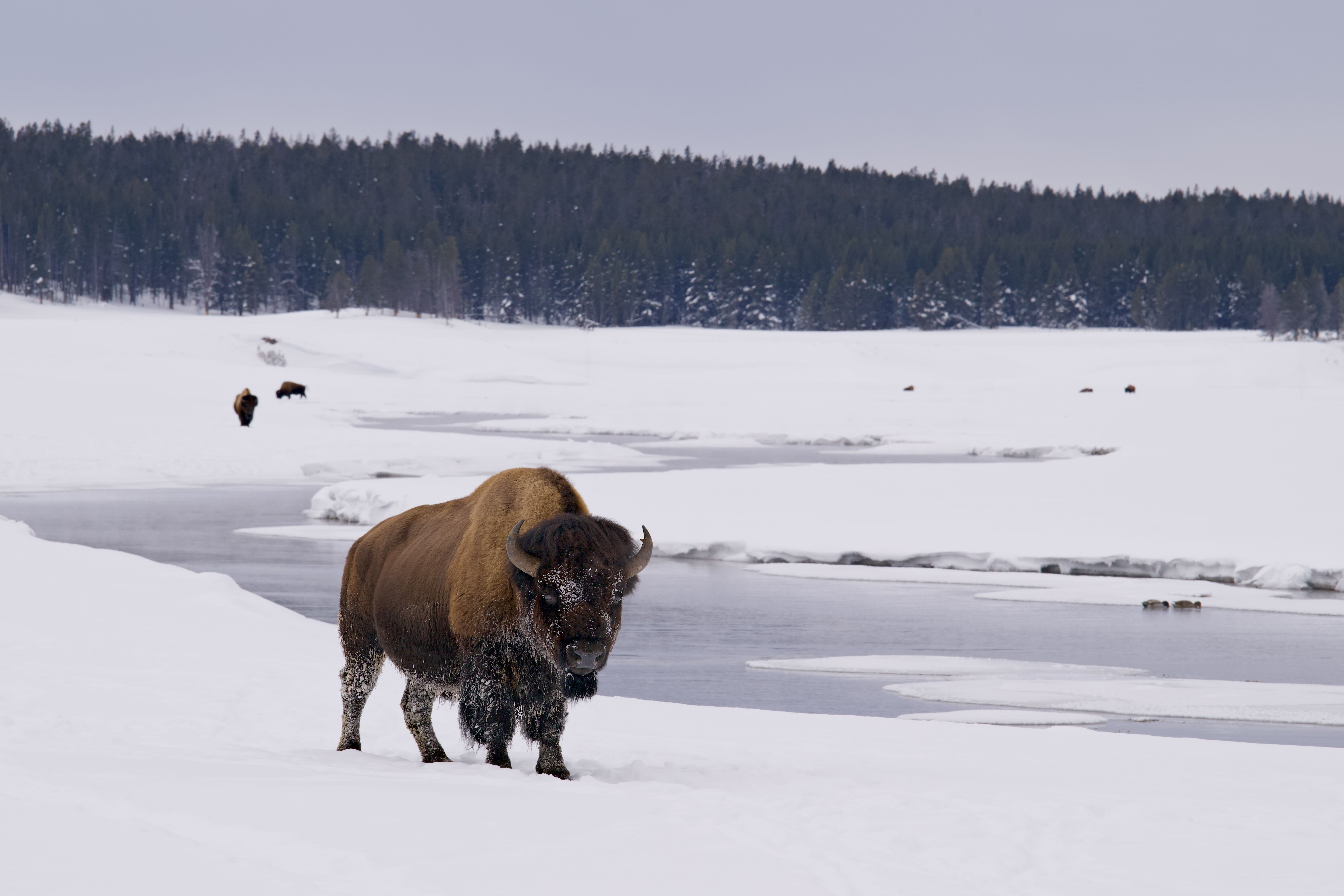
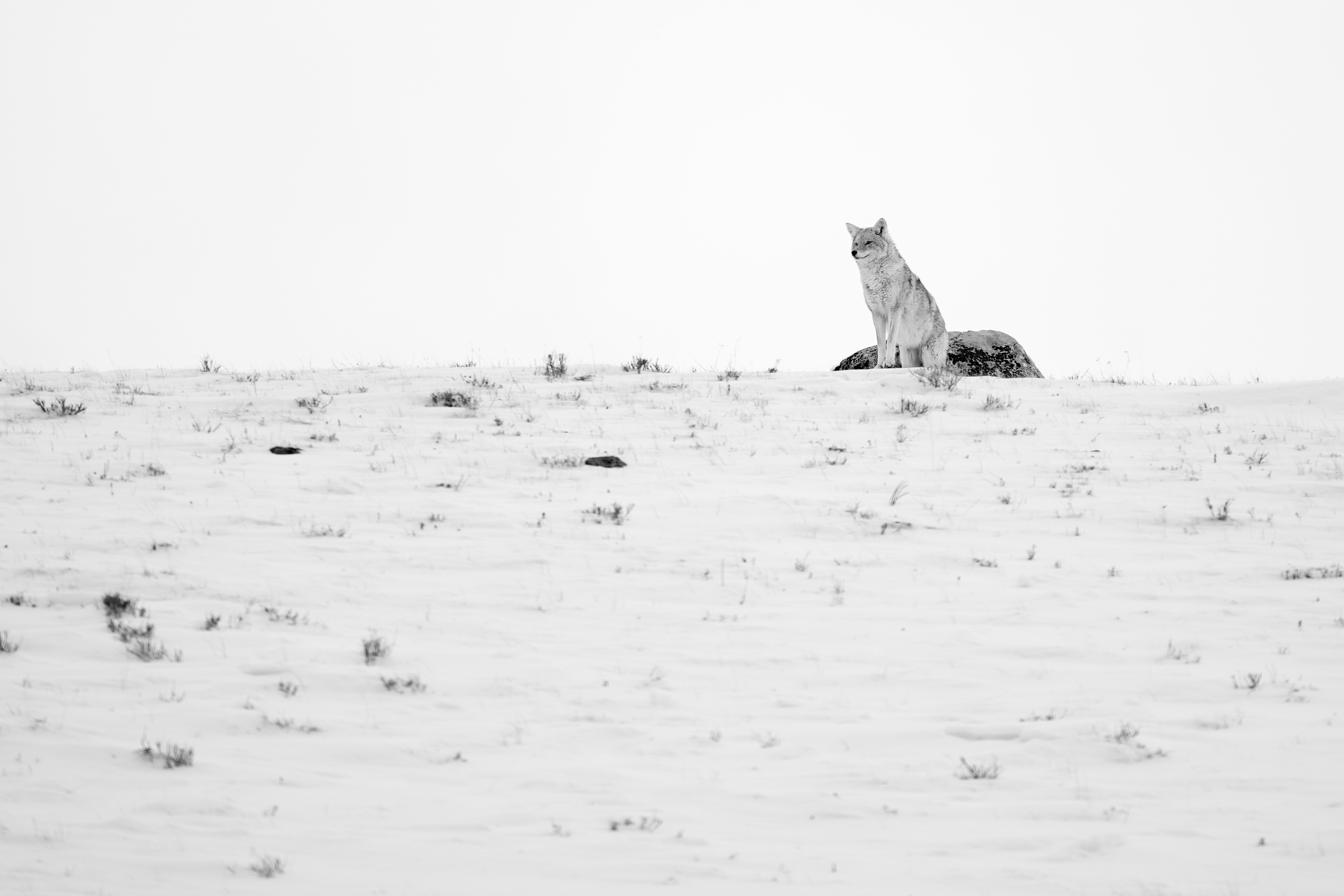
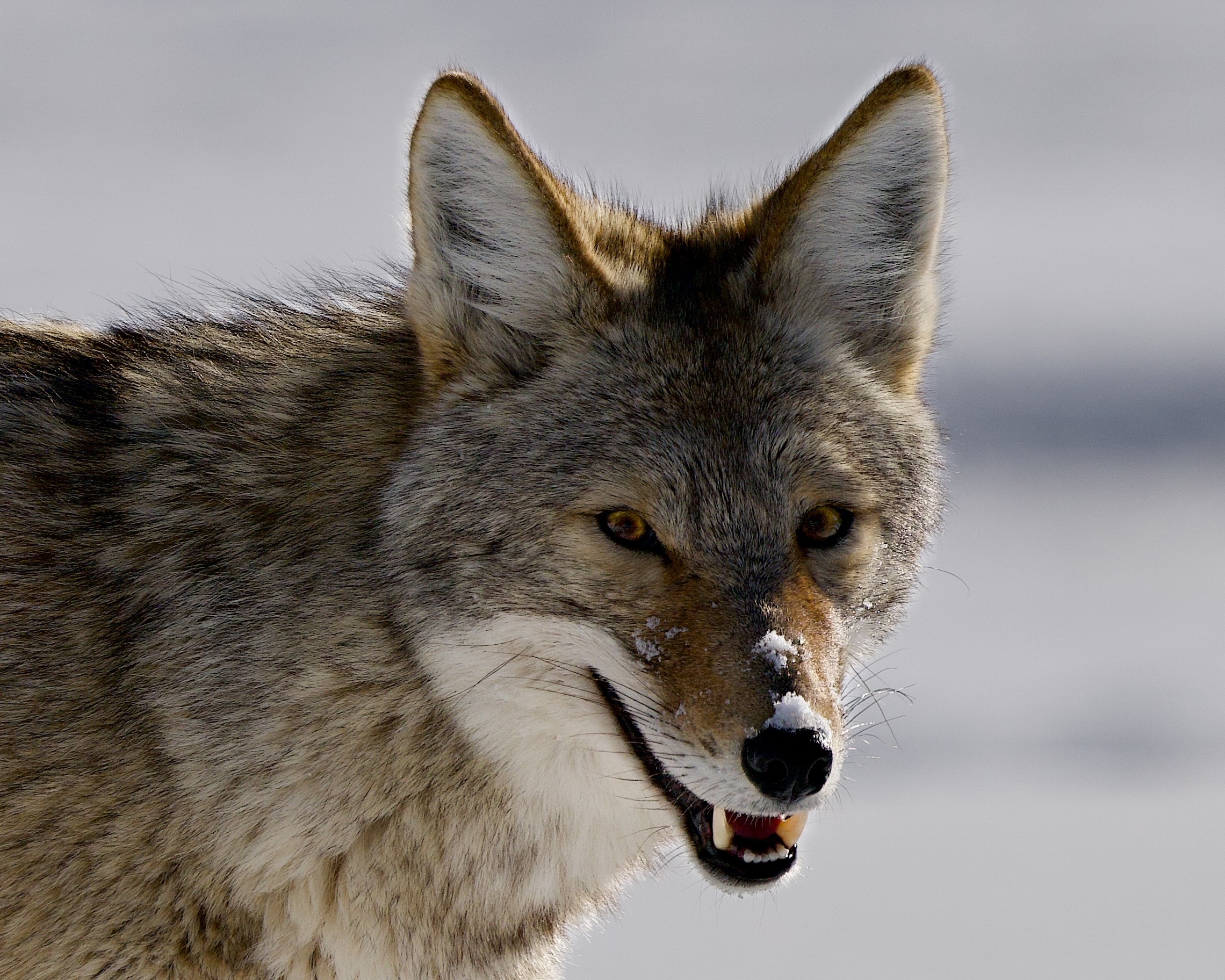
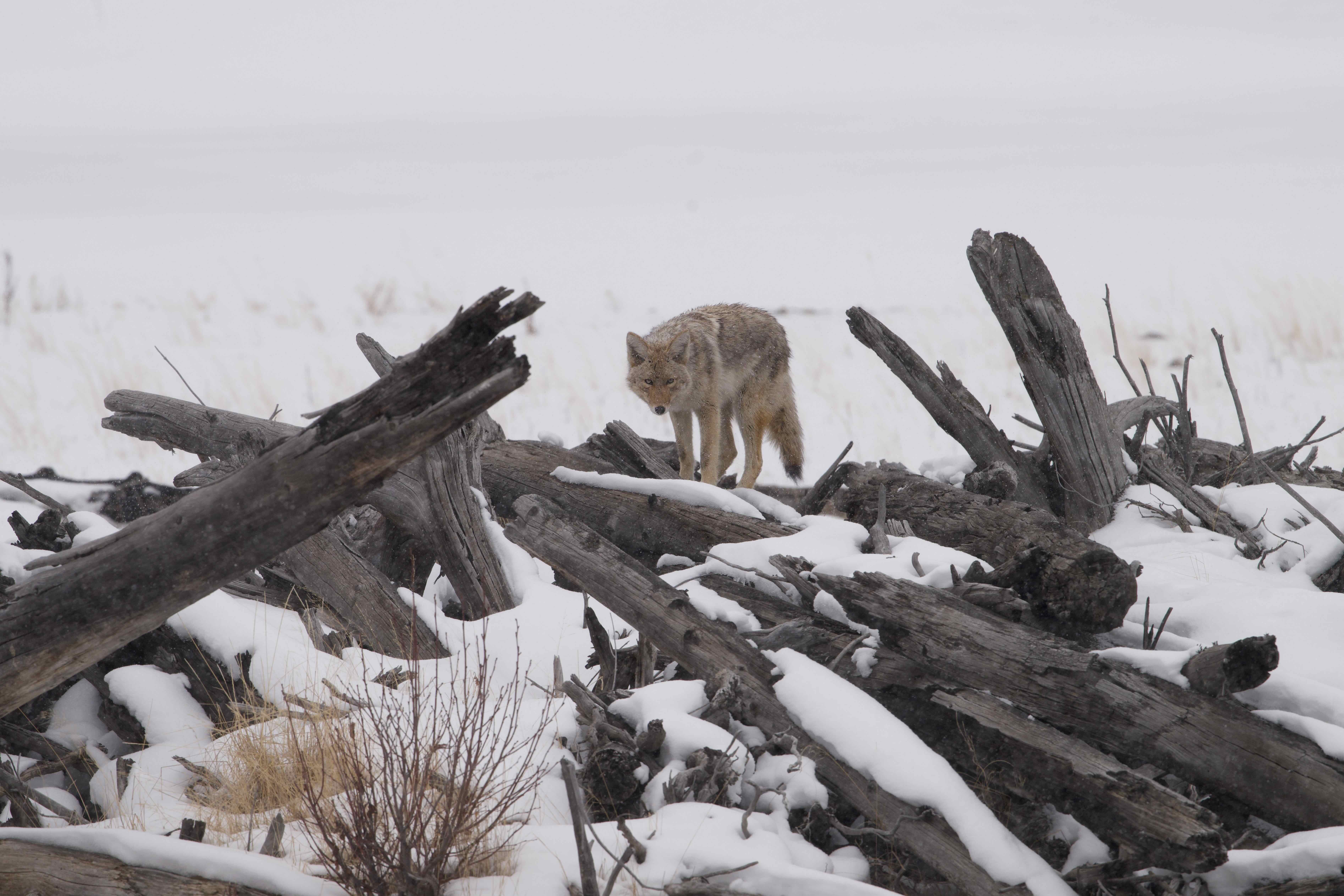
I spent the last week of January in Yellowstone National Park hoping to photograph a wide variety of wildlife. It was a surprisingly unsuccessful trip. While the bison and coyotes cooperated, I never spotted any other mammals. Absent were foxes, wolves, otters, martens, ermine, bobcats, mountain lions, bighorn sheep, and mountain goats. I suspect that it was due to a combination of bad luck and the least snow in everyone’s memory, so (a) it was harder to spot wildlife in the sagebrush, and (b) animals were up in the hills rather than in the valleys and on the roads. Too bad!

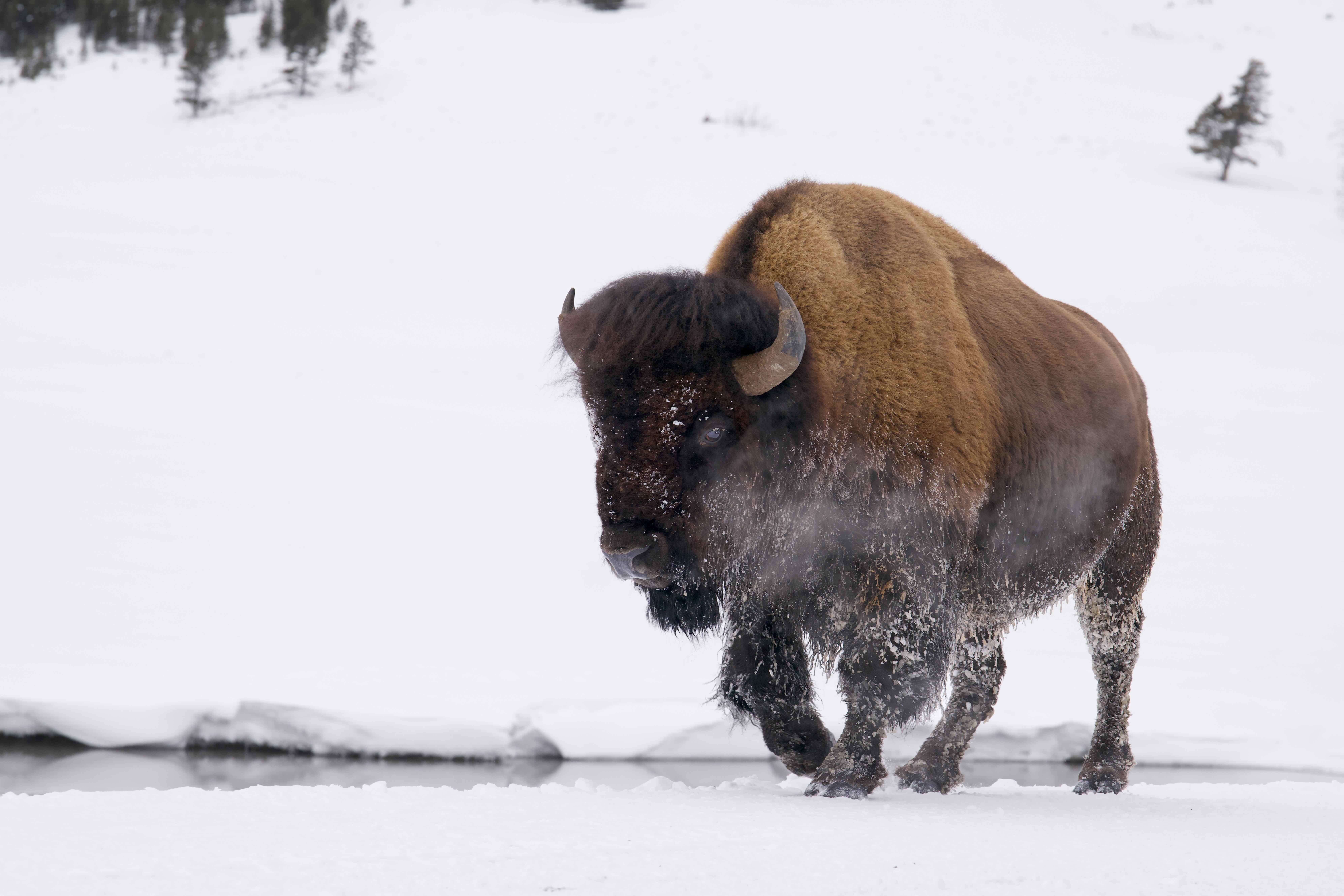
American Bison (Bison bison):

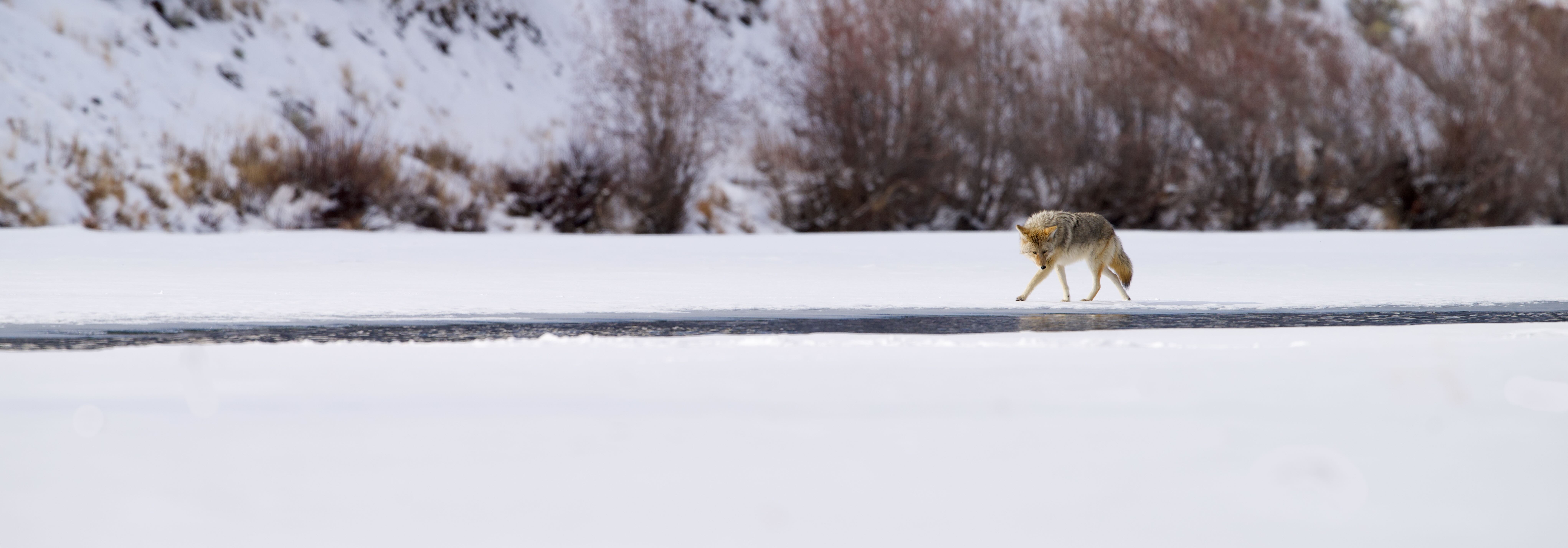
Coyotes (Canis latrans):

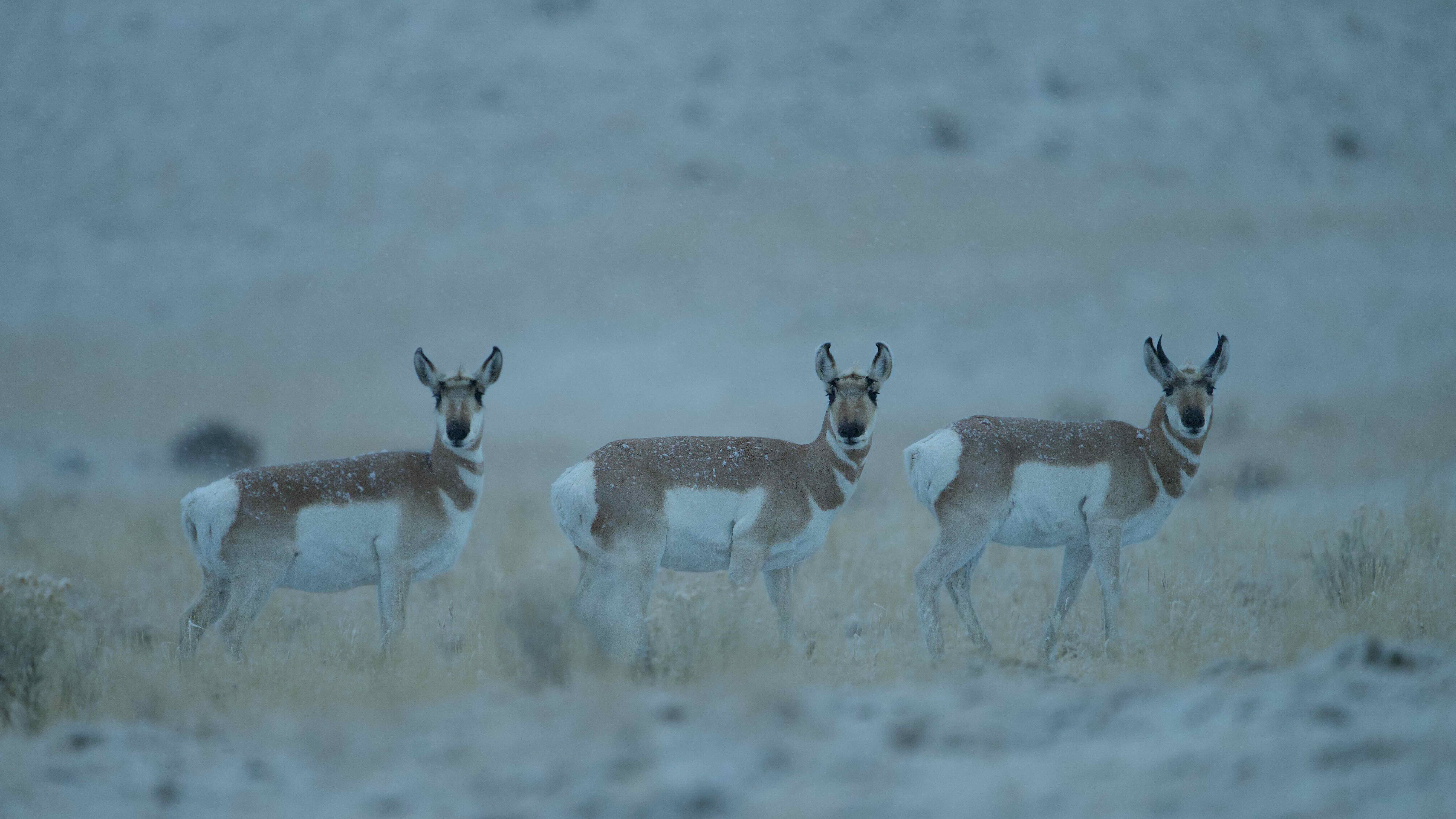
Pronghorn (Antilocapra americana) during blue hour, after sunset:

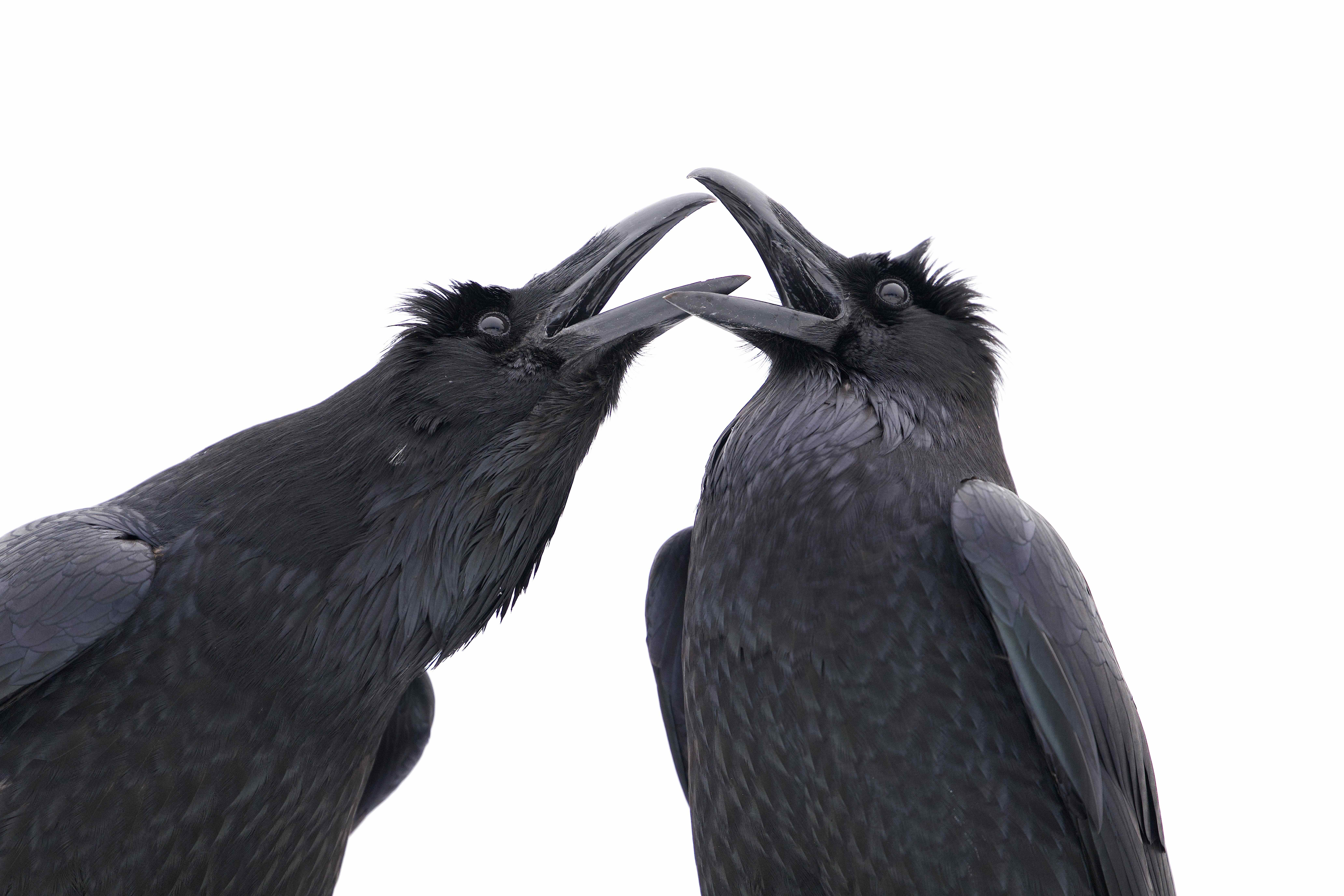
Common ravens (Corvus corax) discussing politics:

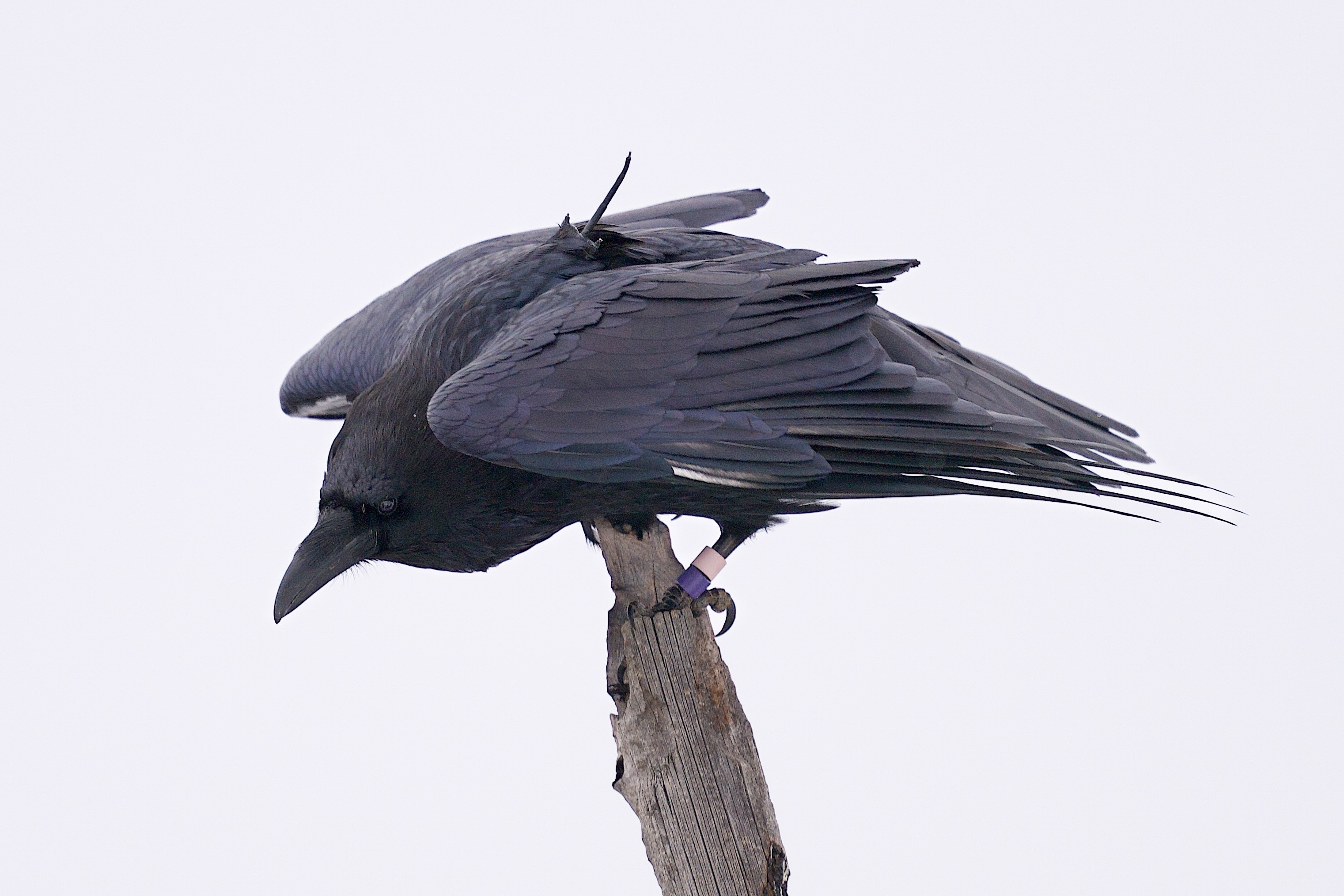
Elon Musk’s new Robo-Raven? Raven Model X? Or just another banded raven wearing a transmitter to stay connected to social media?:

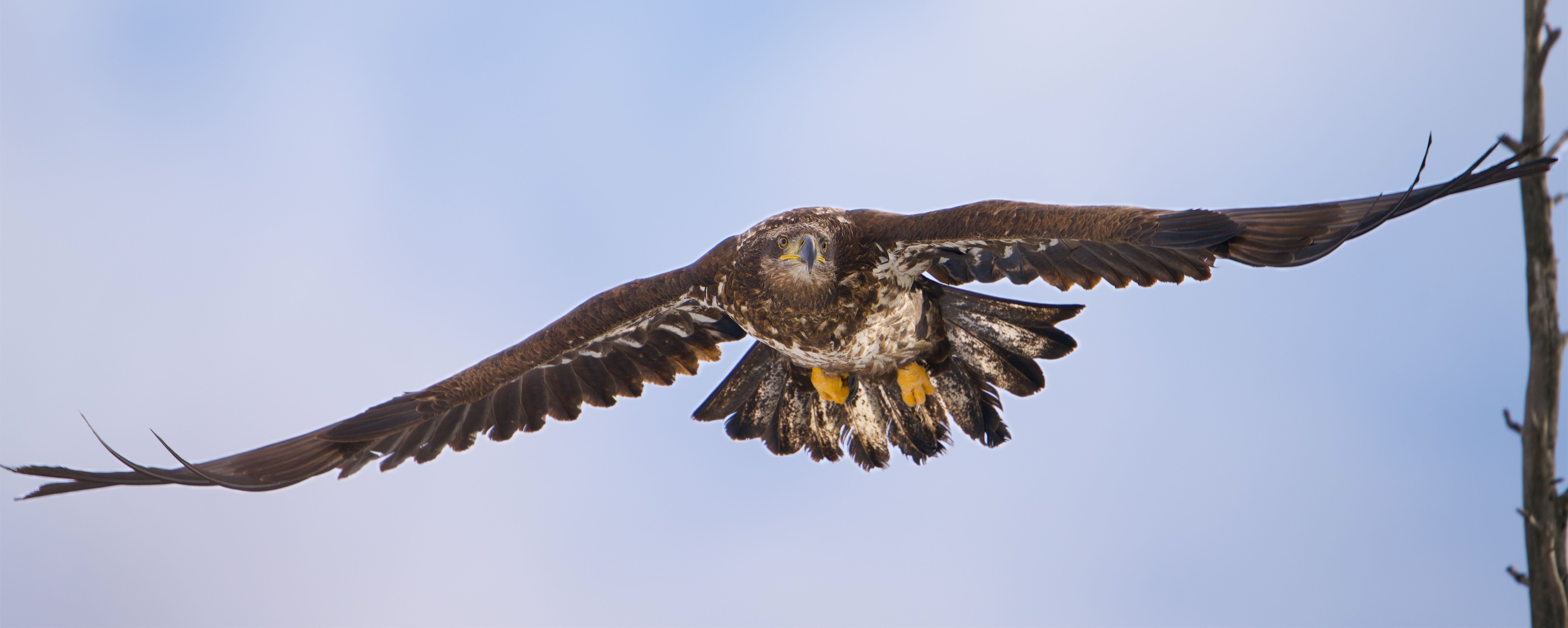
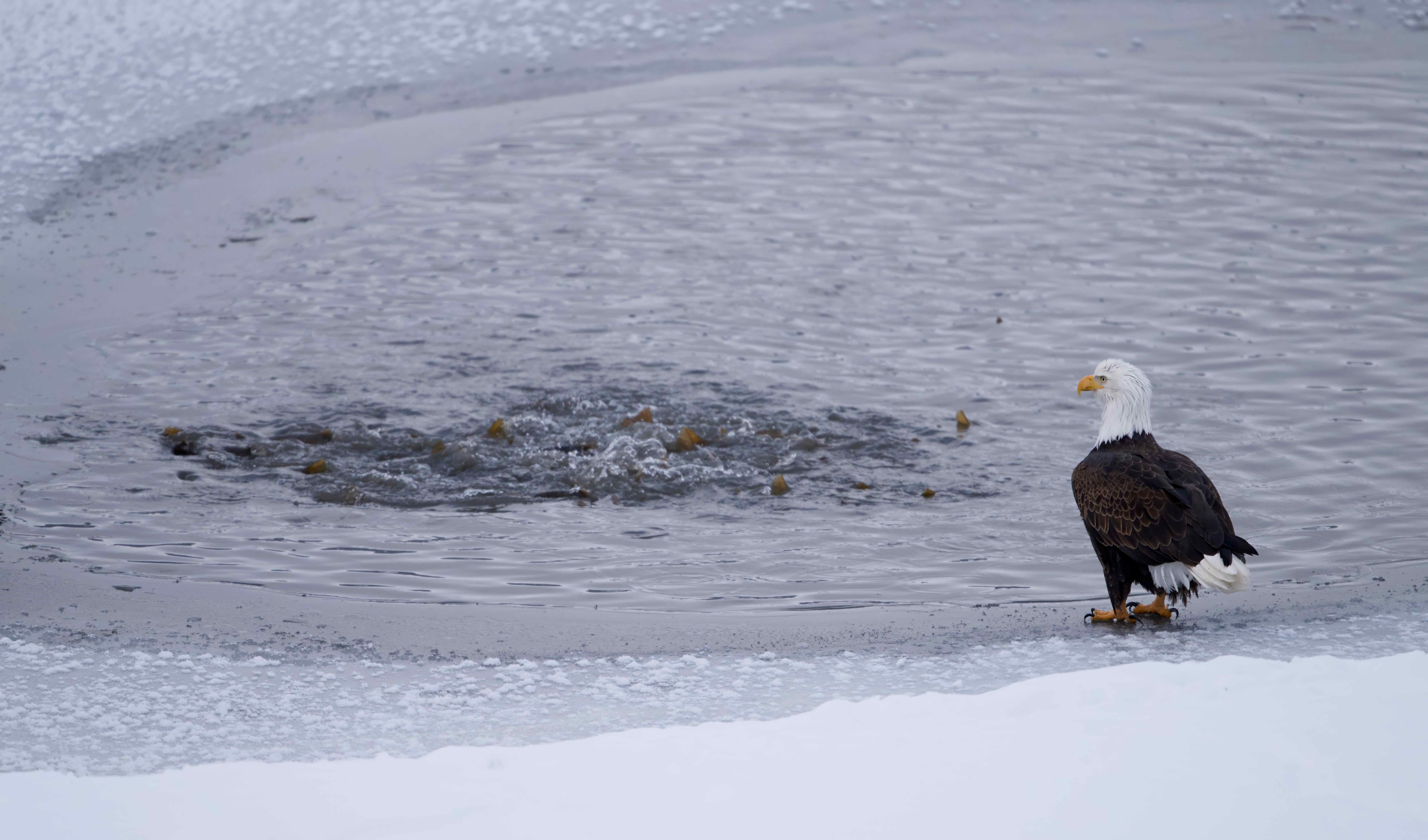
A bald eagle (Haliaeetus leucocephalus):

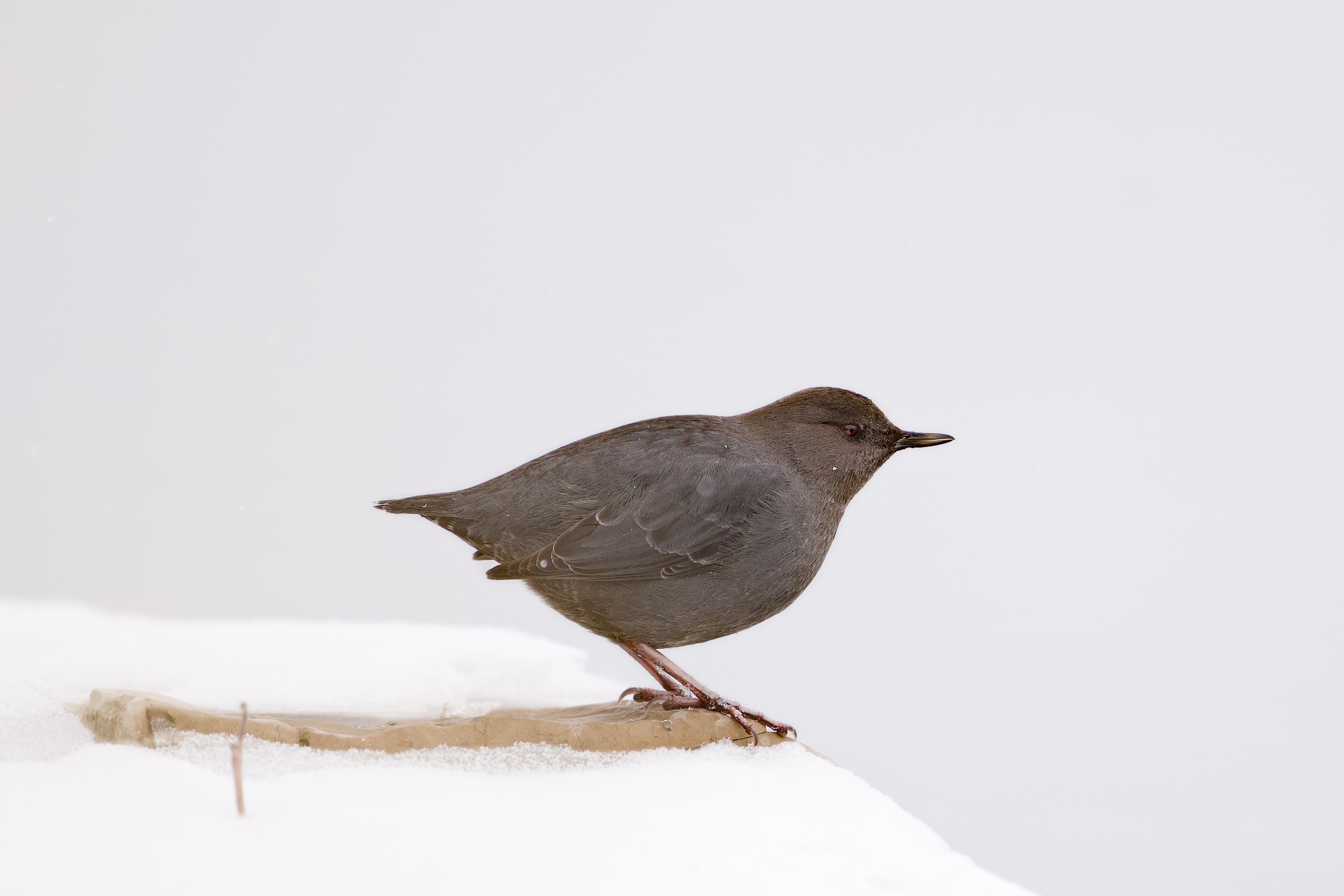
American dipper (Cinclus mexicanus):

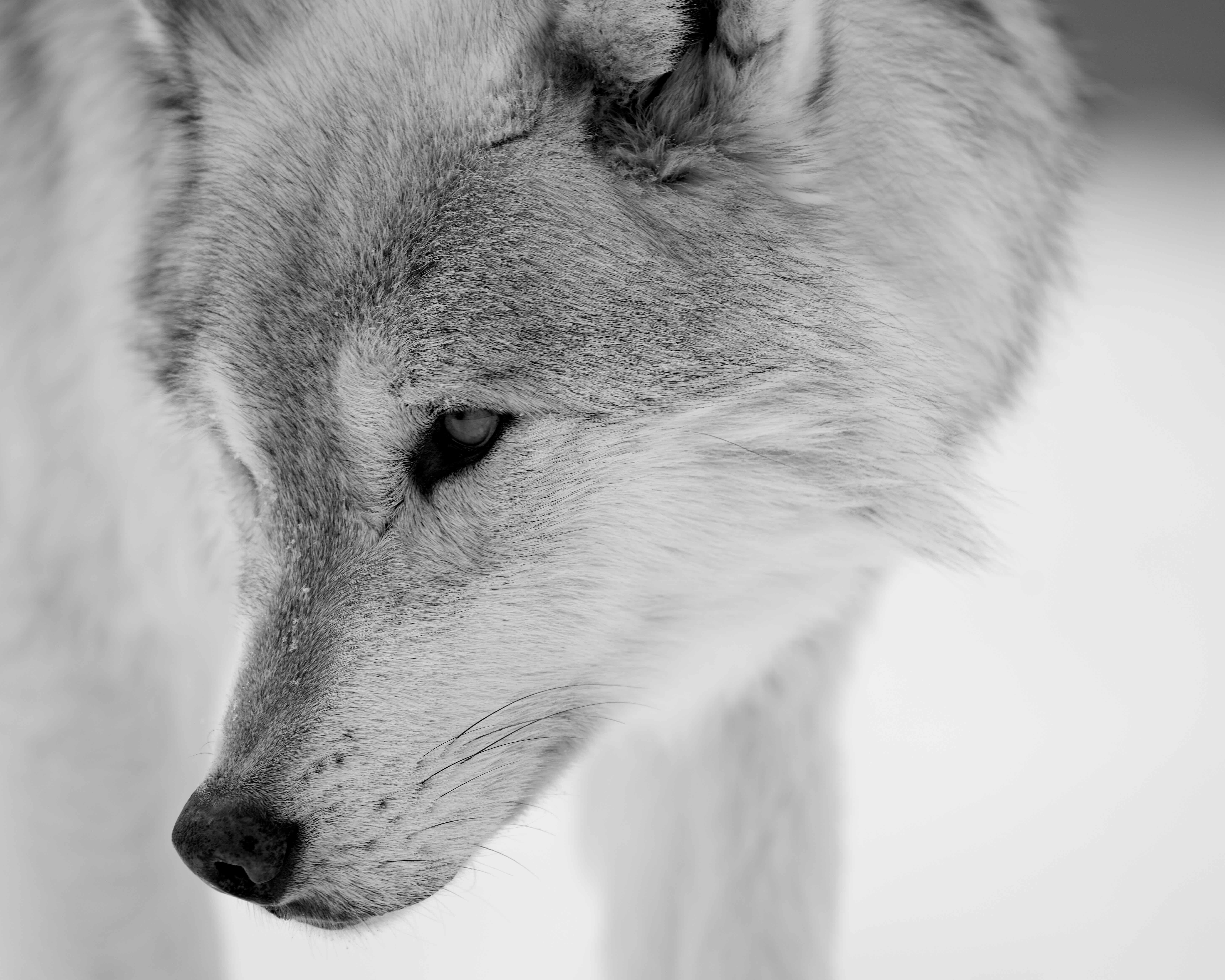
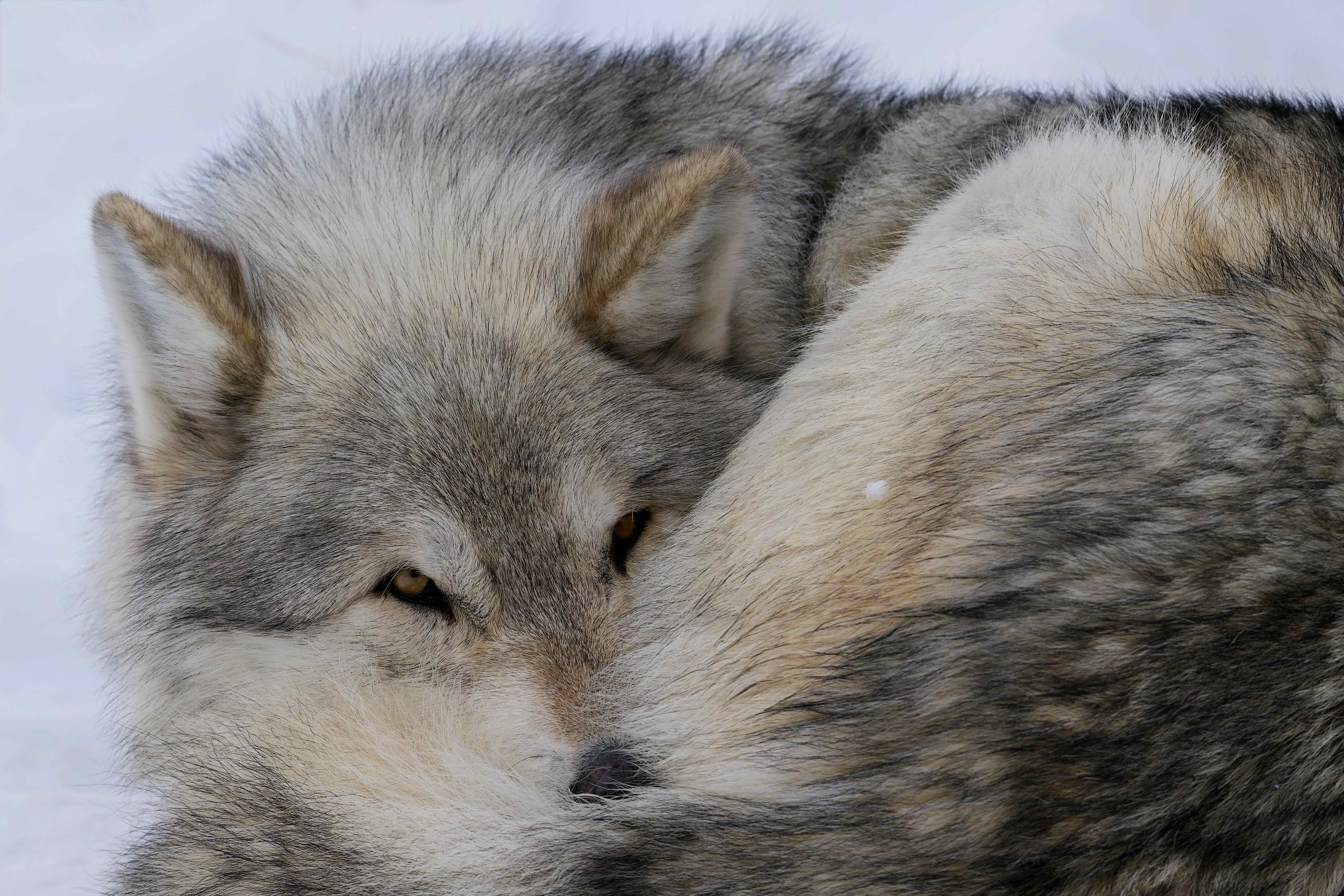
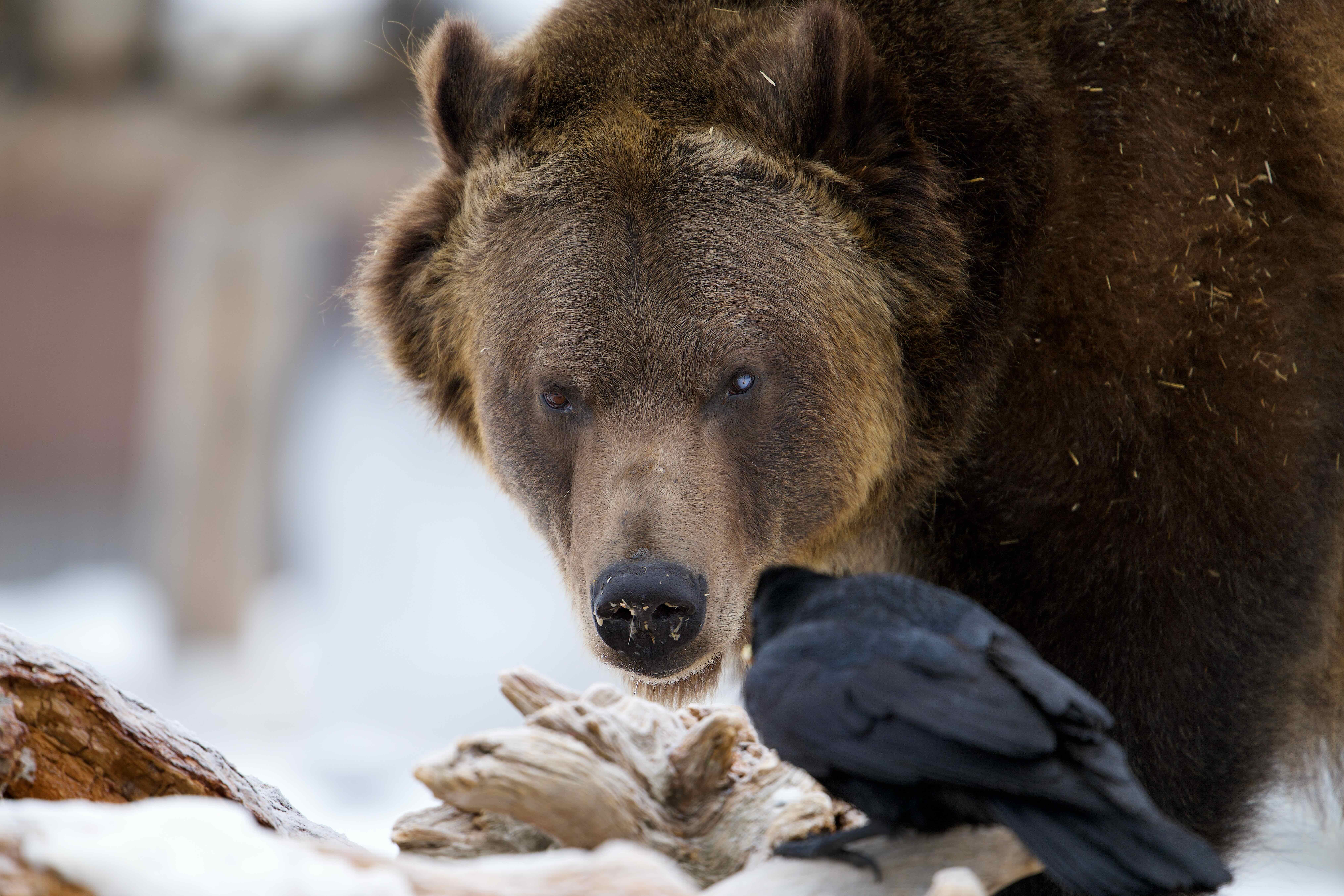
The folks with whom I was traveling wanted to visit the Grizzly & Wolf Discovery Center, a nonprofit wildlife park located in the town of West Yellowstone. I normally don’t photograph animals in zoos. It’s like shooting fish in a barrel, which is a poor metaphor because shooting fish in a barrel with a camera would be quite challenging. So the wolves (Canis lupus) and grizzly bear (Ursus arctos horribilis) in the following photos are not wild.

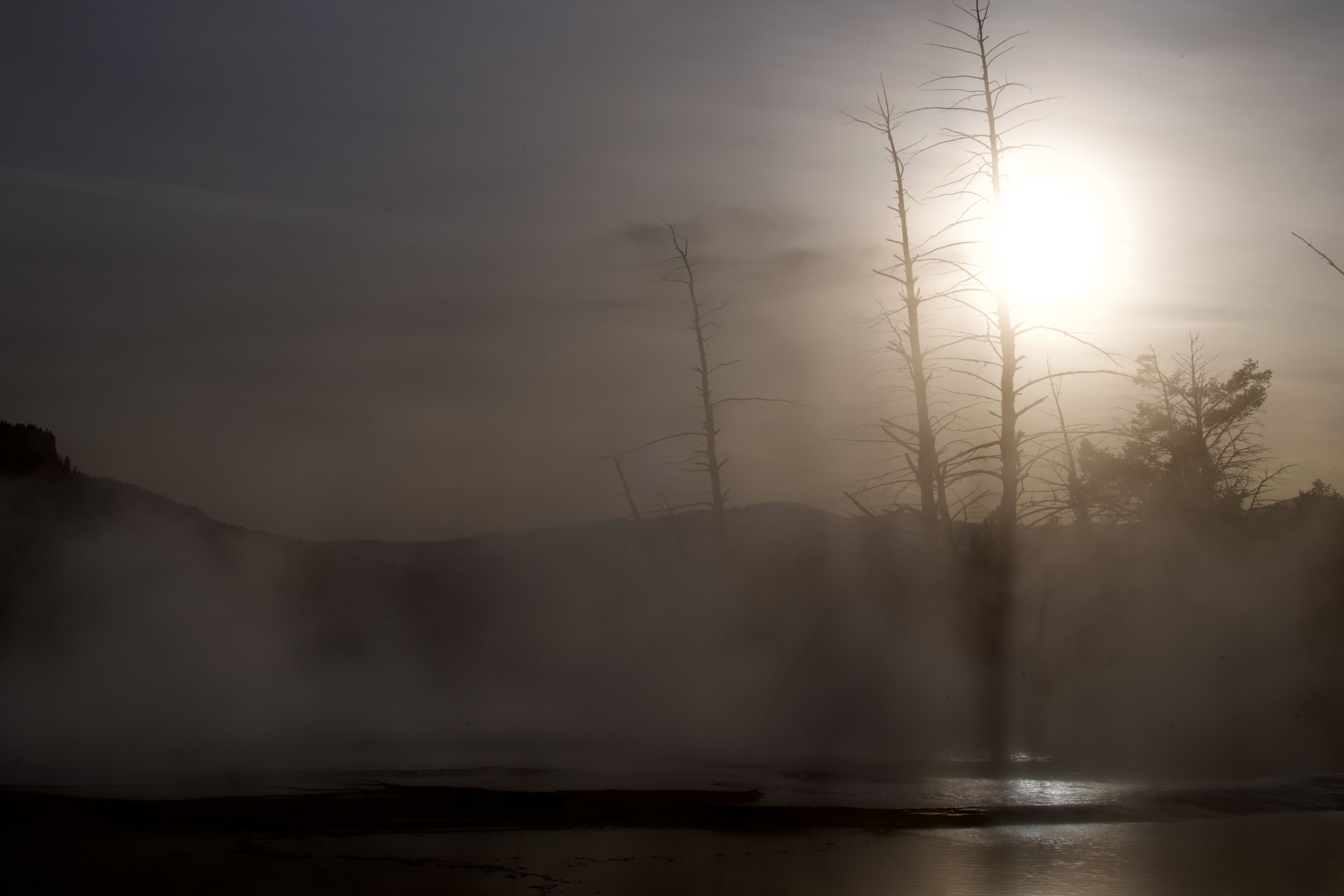
I also normally don’t shoot landscapes, but I liked the mood of the morning steam rising from this pool at the Mammoth Hot Springs:

Readers’ wildlife photos

February 7, 2026 • 8:30 am

Today we have urban wildlife, from Marcel van Oijen in Edinburgh.  His notes are indented, and you can enlarge the photos by clicking on them.

Urban wildlife in Scotland: Vertebrates

Marcel van Oijen


We live in Edinburgh South and our back garden borders a small woodland. The following pictures were all taken in the garden over a number of years, but I sorted them by month, from January to November.

Foxes (Vulpes vulpes) are among the first visitors to our garden each year. They have become very common in British cities. There are about 400,000 foxes in the U.K., and roughly one third are city-dwellers.

Magpies (Pica pica) come in droves to our garden. They are fascinating to watch but tend to frighten off the songbirds and steal their food:

Occasionally we see sparrowhawks (Accipiter nisus) plucking pigeons apart until what is left is small enough to fly away with. The magpies resent the sparrowhawks invading their territory, and gang up against them:

Carrion crows (Corvus corone) usually come in pairs; this one was an exception. The way it walked, paused, looked around, nodded its head, inspecting everything – it all suggested confidence and cleverness:

We do not often see Great Spotted Woodpeckers (Dendrocopos major), but regularly hear them pecking away when walking in the woodland behind the garden:

The mammals we see the most are our American friends, the Grey Squirrels (Sciurus carolinensis). They tend to chase ach other away, but these two were friendly, maybe young siblings:

We are always surprised to see amphibians because there is not much open water in our neighbourhood. This summer visitor is a Common Frog (Rana temporaria):

Wood mice (Apodemus sylvaticus) are almost as acrobatic as the squirrels, and we see them climbing up the stems of plants and jumping onto the birdfeeders:

We don’t see hedgehogs (Erinaceus europaeus) often enough – we would like them to eat more of the slugs that invade our house from the garden:

This is the more common behaviour of the Grey Squirrels (Sciurus carolinensis): entering supposedly squirrel-proof birdfeeders and being nasty to each other:

We often see pheasants (Phasianus colchicus) around the golf course one kilometer away, but last November was the first time one came to see us:

Readers’ wildlife photos

January 24, 2026 • 8:15 am

Today Friend of the Website Greg Mayer contributes some photos from Britain.

by Greg Mayer

Since we’re awaiting a recharge of the tank of Readers’ Wildlife Photos, I thought I’d add a few wildlife photos from a recent trip to England. I did not bring my good camera with a telephoto lens, since the visit was focused on museums in London, and the photos reflect this constraint.

The only mammal we saw in London was the introduced Gray Squirrel, but in Oxfordshire we saw molehills (made by the European MoleTalpa europea) in and near the churchyard of St. Margaret of Antioch in Binsey. American moles most prominently make much less elevated runs or tracks, not distinct hillocks like these, so the phrase “making a mountain out of a molehill” makes more sense to me now.

Part of Oxford University, Wytham Woods (a famed area for ecological studies) had some Sheep (Ovis aries) in an enclosure. These are domesticated, and the species was brought to Britain thousands of years ago.

In London, we encountered two more corvids. The Carrion Crow (Corvus corone corone) is the most like what is, to an American, a “normal” crow. (During a brief stop in Copenhagen on the way to England, we also saw a Hooded Crow, Corvus corone cornix, which has a gray body, and has a long hybrid zone with the Carrion Crow, )

The other corvid was the Eurasian Magpie (Pica pica), which is much more “crow-y” looking than the jays in America (which are also corvids). We also saw Rooks (Corvus fragileus) on the trip, but got no photos.

Note the blue on the wings of this Magpie.

Like the Carrion Crow above, also on the Victoria Embankment was a Black-headed Gull (Chroicocephalus ribundus); this is an adult in winter plumage. We saw quite a few gulls all around London. Most were larger than this (Larus sp. or spp.), but we could not ID them.

On the way to Greenwich by boat on the Thames, we saw Mute Swans (Cygnus olor), which I include here to show the great tidal range of the Thames, ca. 7 m, evident from the algal growth on the bulkhead behind the pair of swans.

Also on the Thames we saw Great Cormorants (Phalacrocorax carbo), including a pale-bellied juvenile.

We were struck by how the apartments along the south bank of the Thames resembled scenes from movies, for example A Fish Called Wanda, and sure enough, the building at the left of the photo above is indeed where the Cleese-Curtis “canoodling” rendezvous took place!

The bird we saw more of than any other in England was the pigeon. Not the Common Wood Pigeon (Columba palumbus), like this one in Greenwich, which we saw a fair number of. . .

. . . but the Feral Pigeon or “rock dove” (Columba livia), which was everywhere, both city and country.  There were many of the highly variable domestic color forms, such as this one

. . . . and some of the “wild type”, which is the color pattern of the ancestral wild Rock Doves.

Wild Rock Doves persist in Scotland and western Ireland; all the pigeons we saw in London and Oxfordshire were feral.

Readers’ wildlife photos

January 22, 2026 • 9:15 am

Well, we’ve run out of photos from readers and I am heartbroken again. BUT we still have the third and final batch of photos from Cairns resident Scott Ritchie, summarizing his best photos of 2025.  Scott’s captions are indented, and you can enlarge the photos by clicking on them.  Scott’s Facebook page is here.

Warning cuteness ahead! Here’s a couple of mammals from my Western Australia trip. A Honey Possum [Tarsipes rostratus] feeding on a Scarlet Banksia at Cheynes Beach.

It even more cuteness. A numbat [Myrmecobius fasciatus] searches for his nest hollow. This was taken it Dryandra Forest National Park, Western Australia:

I like my ducks and he’s not the prettiest one, but I love his weirdness. The Musk Duck [Biziura lobata]. This male has this weird leather pouch under his chin and the tail feathers like a crown of the Statue of Liberty. And he likes laying on his back like a sea otter. Very cool beast. This was taken in Albany, Westerrn Australia:

I love my fairywrens. They’re usually extremely beautiful but before they grow up, they’re sort of brownish birds designed to blend in with the bush. This is a young male Splendid Fairywren [Malurus splendens] in eclipse phase, just starting to grow his beautiful blue feathers. You can just see them around his eye. This photo gives us a hint of what’s to come. Pemberton Western Australia:

And here’s the Splendid Fairyrwen in full eclipse mode singing is heart out. I love the blue and gray patchwork. It reminds me of a flannel shirt I have:

“in case you’re wondering what I look like in full costume, here it is!” Male Splendid Fairywren, Nannup, Western Australia.

I was really fortunate to run across a group of Baudin’s Black Cockatoos [Zanda baudinii] near Pemberton. A very endangered and magnificent parrot:

A Yellow-tailed Black Cockatoo [Zanda funerea] navigates through the forest. This bird was part of a group that had been warned to flee in response to an incoming sea-eagle. Most cockatoos post sentries to stand guard while the others feed:

A sentry male Crimson Rosella [Platycercus elegans] in a Gumtree forest in the Dandenong Ranges in Victoria:

I really taken to capturing wider views, “birdscapes”. They allow you to appreciate the birds and their natural environment. Here’s a group of Great Knots [Calidris tenuirostris] and a Great Egret [Ardea alba] at sunrise on the Cairns Esplanade:

I really love Red-tailed Black Cockatoos [Calyptorhynchus banksii]. It was great to get this male in flight with his tail spread so that you can appreciate his lovely red panels. It was also cool to get him flying across the rainforest in the rain. An iconic north Queensland moment:

Spring is rebirth. And here a group of Radjah Shelducks [Radjah radjah], mother, father and their nine little ducklings, cruise across Freshwater Lake in Cairns. I call this a duck love train:

And finally, our local Rufus Owls, after several nest failures, managed to produce a chick. This young fledgling Rufous Owl [Ninox rufa] cautiously sticks his head out the late evening light, looking for his parents to come and feed him. These birds had survived harassment by waves of Sulphur-crested Cockatoos that wanted to take over the nesting hollow. However, the owls were staunch in their defense, and eventually the chick fledged and left the nest. A end of year treat for all us local birders!:

Readers’ wildlife photos

January 21, 2026 • 8:15 am

Well, this is the last batch of photos I have, so you know what to do.

Today’s contribution is from Ephraim Heller, this time with photos from America rather than Brazil. Ephraim’s captions and IDs are indented, and you can enlarge the photos by clicking on them.

It has been a busy January on the Snake River in Grand Teton National Park.

After a warm early winter, a few weeks ago we finally had a hard freeze. A branch of the Snake River froze solid. However, there is a location where a warm spring feeds into the branch and this inlet stayed open. Hundreds of Utah sucker fish (Catostomus ardens) were trapped in this area of open water surrounded by ice, isolated from the main body of the Snake River. Naturally, this provided a smorgasbord for the local bald eagles and coyotes.

As I observed the Utah suckers at various times of day, I noticed that in the late afternoon they would all rise to the surface and expose their dorsal fins. Intrigued, I queried my AI which informed me that this is a matter of oxygen dynamics:

  • The warm water holds less oxygen than cold water, and thermal springs typically have low dissolved oxygen content due to high temperatures.
  • In confined areas with high fish density, oxygen is rapidly depleted.
  • Fish respond to low oxygen levels by “piping” or “aquatic surface respiration” (ASR) when oxygen levels drop below critical thresholds. This behavior involves positioning at the water surface with mouths/dorsal fins exposed to access the oxygen-rich surface layer. This behavior indicates that the fish are stressed.

However, the AI also stated that “Aquatic plants produce oxygen through photosynthesis during daylight, with peak production in late afternoon. At night, plants consume oxygen through respiration. Dissolved oxygen levels are highest in late afternoon and lowest just before dawn.” This doesn’t seem consistent with the timing I observed.

I don’t know how much of this is true vs. AI hallucination, but it sounds plausible to me. I’d appreciate it if the ichthyologists and limnologists among the readers would confirm or refute this story.

Now for the photos:

Here are the Utah sucker fish at the surface of the open water pool in the evening, trapped by the surrounding ice:

Here is a close up of the fish at the surface:

Every so often the fish would go into a frenzy at the surface. I don’t know why. It was unrelated to anything I saw happening at the surface. Here is a bald eagle (Haliaeetus leucocephalus) watching the frenzy and assessing his menu options:

Having made up his mind, the eagle helps himself to a serving of fresh fish:

The common ravens (Corvus corax) have found a lovely rotting fish. Instead of exerting the effort to catch a fresh fish, this eagle has decided that it is easier to steal the carrion:

Bald eagles are kleptoparasites, so when an eagle with energy and initiative catches a fish the other eagles won’t let him dine in peace:

Ravens are smart birds. This one is surely thinking “If those eagle ignoramuses can catch a fish then surely I can do it better.” Unfortunately for him, the fish got away:

In spite of their inability to fish, common ravens are handsome birds:

To my surprise, the North American river otters (Lontra canadensis) who live half a mile downstream have not been dining at the buffet. I think it is because this branch of the river is frozen solid and the otters don’t like traveling on the ice surface for long distances without the safety of accessible water. So I donned my cross country skis and visited them at another, unfrozen branch of the Snake River. They, too, were feasting on Utah suckers:

Also on the river are trumpeter swans (Cygnus buccinator) in the morning mist:

Trumpeters need a long runway to take off. These four are just starting to accelerate:

Once airborne they are graceful:

Finally, this old-time general store sits adjacent to the Snake River in Grand Teton National Park. In this star trail time lapse, the stars are, of course, circling Polaris, the north star. The Tetons are to the left of the store:

Readers’ wildlife photos

January 17, 2026 • 8:15 am

Thank Ceiling Cat that two readers came through with photos yesterday. Today’s batch includes not butterflies but vertebrates, and is from  Pratyaydipta Rudra, a statistics professor at Oklahoma State University, and his wife Sreemala. The pair share a big bird-and-butterfly website called Wingmates. Their captions and IDs are indented, and you can enlarge the photos by clicking on them.

The river otter images from a recent reader’s wildlife photos section inspired me to put together this batch of photos from our fall trip to Southeast Oklahoma when we stumbled upon a group of river otters. Otters, in general, are my favorites due to their fun characters and cool behaviors. However, I was never been able to see North American river otters (Lontra canadensis) close enough to get good enough photos until this encounter.

We (my wife Sreemala and I) were hiking along the river just after sunrise with the hope of finding some cool critters while also enjoying the beautiful foggy atmosphere and the fall foliage. Only a few other people were out at that time. A lady who was coming back greeted us, and noticing our long telephoto lenses, told us that she saw some animals floating on the water that looked like rats. We immediately got excited thinking they must be otters since the other “rat-like” animals such as muskrats or beavers would be pretty unlikely in the fast-flowing stream in that area. River otters, on the other hand, especially enjoy the fast flow and the cascades. Within a few minutes, we were able to locate a group of at least six of them fishing next to the cascades.

Some of them soon moved up on a rock (across the river from us) for resting and doing some morning yoga as we snapped a few photos:

The river otters are quite social, and it’s fun to watch them interact with each other. We watched them for a while and they were quite aware of our presence, but they went about with their own business of grooming, catching fish and crawdads, etc.:

Here are a couple of them swimming in a relatively calmer stretch of the river with reflection of fall foliage:

But, most of the time, the otters stayed close to the cascades. I think it is easier to catch the fishes there as they pop up more, but I might be wrong. You can also see a human (Homo sapiens) fishing in the distance:

Another image of the fast-flowing river with the light of the rising sun on the trees bordering it:

Most of these wider images are captured using my cellphone. I clearly remember that this was the day I figured out that I could capture slow shutter photos using my cellphone and got so excited that I kept taking photos of the stream with different compositions:

These next images are all from one of my favorite parts of Oklahoma. This region in the southeast part of the state features beautiful hilly areas and several small rivers and creeks flowing through them, creating some wonderful scenery— especially during the fall. The two things that make these fall experiences absolutely wonderful are bald cypress (Taxodium distichum) trees and fog along the rivers.

The fall colors on the bald cypress are very different from what most people think of when they think of fall foliage. The fine textures along with the burnt orange coloration make them quite unique. Add to that the fact that these trees can stand right in the water developing “knees” that grow upwards from their roots. There are different theories on what utility they might provide. I am not a biologist so, I will stay away from claiming I understand them:

Here is another creek in the same area that had calmer water allowing for nice reflections of the bald cypresses along it:

Lights and shadows along the creek…:

A White-tailed Deer (Odocoileus virginianus) peaked through the forest:

A handsome Black Vulture (Coragyps atratus) against the fall foliage:

Great Blue Heron (Ardea herodias) in a bald cypress:

Great Blue Herons are abundant here, and they can add to the magical scenes with morning fog along the river. Here’s one sitting on a bald cypress while a group of Double-crested Cormorants (Nannopterum auritum) swim by:

Another magical scene. The birds (cormorants) again add to the already beautiful scene. The fog makes the scene look like a painting:

This particular tree from the previous photo and this photo is a famous one in the park and a good photography subject during the fall. On this particular morning, I was lucky to capture this scene with a tiny amount of sunlight on the foggy scene when a Great Blue Heron flew in. This image won me an international photography contest award. It was just about being at the right place at the right time:

Sreemala was standing to my left shooting birds in flight using her telephoto lens while I was trying to get the tree with its reflection using a wide lens. She also noticed the heron flying in and captured her own version with her telephoto lens. This resulting image has its own flavor with the bird bigger in the frame, but she was unlucky to be holding the telephoto at that moment as she missed out on the reflection and the full view of the tree. It turns out that it’s really about being at the right place at the right time with the right lens!:

It’s totally possible for someone to like Sreemala’s image more, but my rule would still work as you can then say that she ended up having the “right” lens at that moment.

Oklahoma may not have the same reputation as Texas or Louisiana for the bald cypress fall colors, but we have our own nook around this corner of the state, and I absolutely cherish every trip down there.

Readers’ wildlife photos

January 7, 2026 • 8:15 am

It seems that one reader or another always comes through when we run out of photos. (But after today, we’ll be in that situation again!)  The helper today is Pratyaydipta Rudra, a statistics professor at Oklahoma State University. Pratyay’s captions and IDs are indented, and you can enlarge the photos by clicking on them. Pratyay and his wife Sreemala have a big bird-and-butterfly website called Wingmates.

There was a terrible ice storm in North-Central Oklahoma in October, 2020. It was extremely cold, raining all day, and the trees were having a hard time surviving with all the ice on them. Several trees fell in our neighborhood, and a lot of others lost big branches. The birds had a tough time. It was good to see that the tough little Yellow-rumped Warblers were quite resilient. This particular bird was actually quite active hopping around the icicles to catch insects (frozen food?). Here’s an image of it posing with a catch.

Yellow-rumped Warbler (Setophaga coronata) with a spider catch:

The icicles on the branches and the leaves created some interesting shapes with “frozen hearts” and “ice covered pecans” abound! Everything was quite photogenic, but it was hard for the birds.

A Fox Squirrel (Sciurus niger) navigating the icy terrain:

I found several hungry Yellow-rumped Warblers jumping around among the icicles.

Northern Mockingbird (Mimus polyglottos):

Eastern Bluebird (Sialia sialis) in the rain:

Chipping Sparrow (Spizella passerina):

As this was not enough, a huge snowstorm rolled in 3 months later which nearly killed off all our local bluebirds. I have not seen a storm like that one in Oklahoma, but that’s for another day.