Caturday felid trifecta: Larry the Cat finally catches a mouse; the counties that have the most cats; cat meme helps catch a cyberhacking group; and lagniappe

May 2, 2026 • 9:00 am

We’re back with three Caturday items and a  bit of lagniappe.

First, Larry the Cat, the Chief Mouser of the Cabinet Office, has shirked his job, catching almost no nice after 15 years at 10 Downing Street.  But at least, at the ripe old age of 19, Larry has not only caught a mouse, but gobbled it up in front of the Prime Minister’s door. Click the headline to read the Times story:

Excerpt:

Once accused of shirking responsibility, Downing Street’s chief mouser has finally lived up to his title.

While Sir Keir Starmer reassured the British public that he would seek to mitigate the rising cost of living during a prime ministerial speech on Wednesday, Larry the cat was making a precision kill.

Larry killed the ill-fated rodent in the courtyard of the Foreign Office, dragged it across the street and ate it by No 10’s door.

The moment was captured by GB News’s political editor, Christopher Hope, who insisted: “This is not an April fool.” Video showed Larry toying with the mouse, pawing it, tossing it in the air and clasping it in his jaws.

. . .[Larry] was recruited in 2011 to deal with a rodent problem after a BBC camera tracked a rat outside No 10.

Battersea Dogs & Cats Home recommended Larry as “a cat who enjoys attention” but was also “a bit of a bruiser” with excellent mousing skills — skills that have finally seen the light of day.

According to the Independent, this grisly affair happened during a Keir Starmer press conference about the Iran war.

Here’s a video (WARNING: RODENT DEATH)

More from the Times:

Early in his tenure, he was given the nickname “Lazy Larry” for his penchant for napping. The Cabinet Office was forced to defend his mousing as being in the “tactical planning stage”.

Yet by June 2011, David Cameron, then prime minister, boasted that Larry had “got three mice — verifiable”.

Since the untimely death of his nemesis, Palmerston, the Foreign Office cat who resigned from his post in 2020, Larry has now outlasted one chief mouser, five prime ministers and is staring down his sixth.

You go, Larry! Show ’em that we old geezers have still got it!

********************

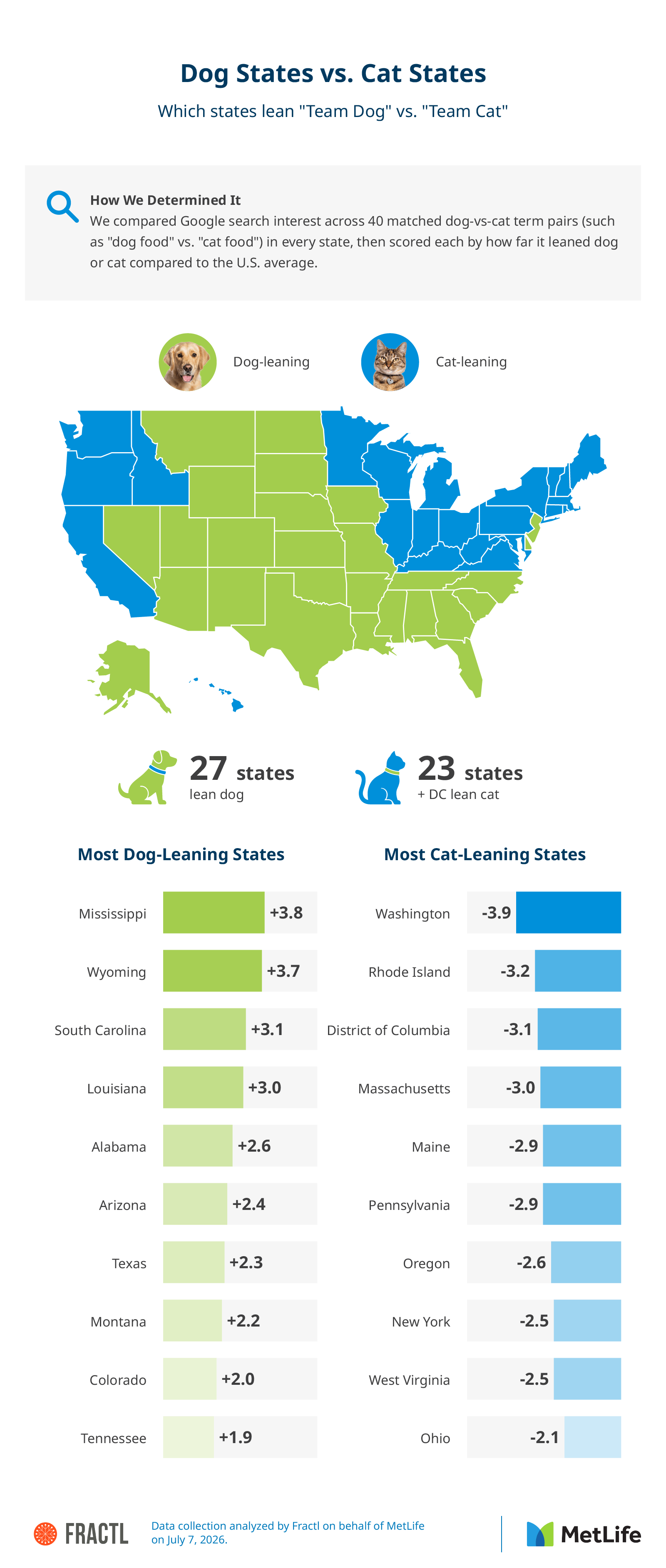
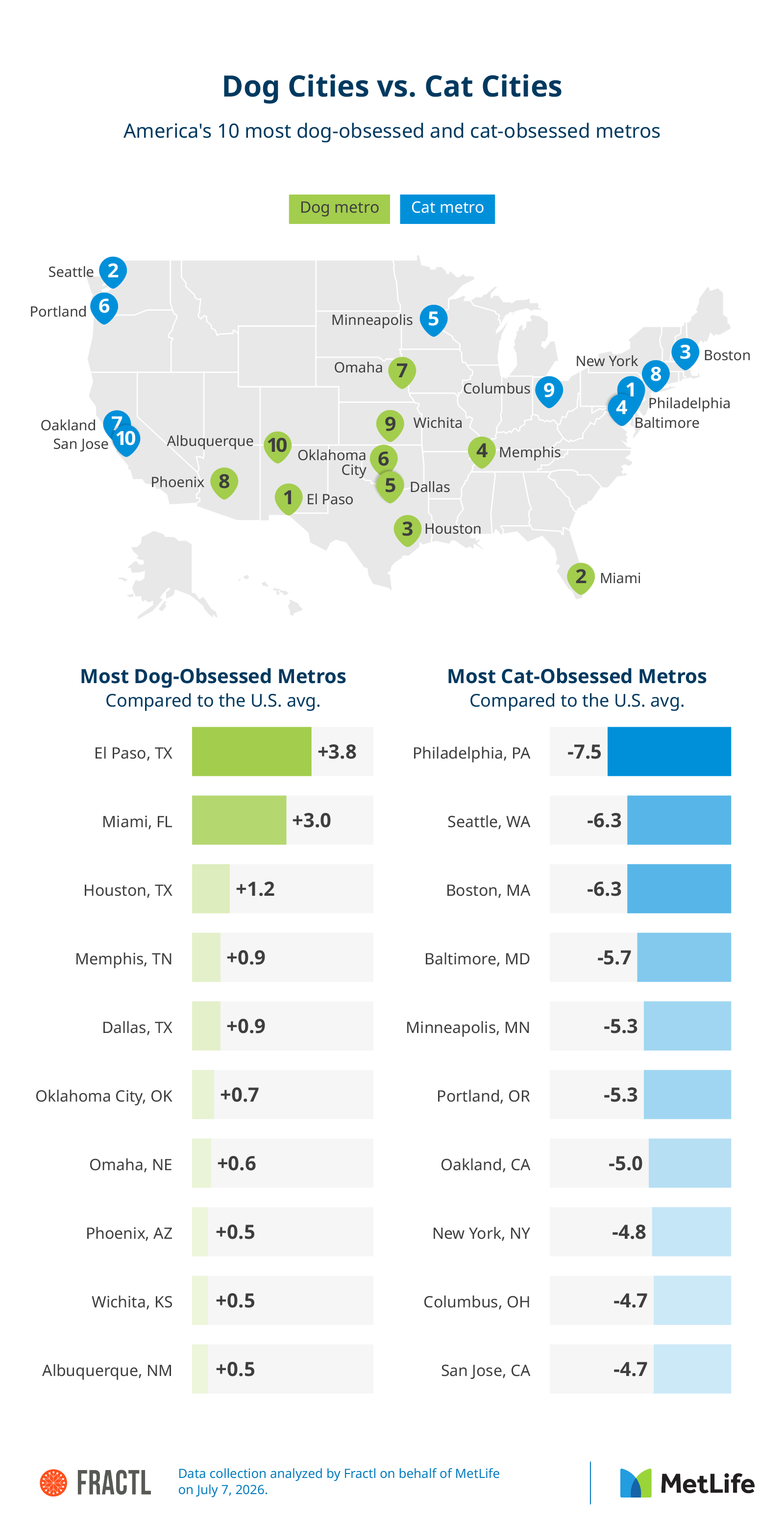
From VGraphs. Yes, populous countries have more cats, but it’s not in strict proportion to their human populations.  for example, China’s population of 1.4 billion is about four times that of the U.S., but the U.S. has 27% more cats.  You can do the math for the rest.

**************************

From the WSJ: a computer whiz managed to infiltrate himself into a serious hacking group to plug the leaks—using a cat meme!

Click to read (if you have a subscription):

An excerpt 9my bolding):

Sitting in his dorm room at the Rochester Institute of Technology, Benjamin Brundage was closing in on a mystery that had even seasoned internet investigators baffled. A cat meme helped him crack the case.

A growing network of hacked devices was launching the biggest cyberattacks ever seen on the internet. It had become the most powerful cyberweapon ever assembled, large enough to knock a state or even a small country offline. Investigators didn’t know exactly who had built it—or how.

Brundage had been following the attacks, too—and, in between classes, was conducting his own investigation. In September, the college senior started messaging online with an anonymous user who seemed to have insider knowledge.

As they chatted on Discord, a platform favored by videogamers, Brundage was eager to get more information, but he didn’t want to come off as too serious and shut down the conversation. So every now and then he’d send a funny GIF to lighten the mood. Brundage was fluent in the memes, jokes and technical jargon popular with young gamers and hackers who are extremely online.

“It was a bit of just asking over and over again and then like being a bit unserious,” said Brundage.

At one point, he asked for some technical details. He followed up with the cat meme: a six-second clip that showed a hand adjusting a necktie on a fluffy gray cat.

Brundage didn’t expect it to work, but he got the information. “It took me by surprise,” he said.

Eventually the leaker hinted there was a new vulnerability on the internet. Brundage, who is 22, would learn it threatened tens of millions of consumers and as much as a quarter of the world’s corporations. As he unraveled the mystery, he impressed veteran researchers with his findings—including federal law enforcement, which took action against the network two weeks ago.

Here’s the cat meme that Brundage used.  It’s a Trojan Kitty!

And the nefarious proxy network he took down:

Three times a year, several hundred of the techies who keep North America’s internet running gather to talk shop. Last June they met at a conference in Denver hosted by the North American Network Operators’ Group.

One major topic was a fast-growing and often legally dubious business known as residential proxy networks. Dozens of companies around the world run such networks, which are made up of consumer devices like phones, computers and video players.

These “res proxy” companies rent out access to internet connections on the devices to customers who want to look like they’re surfing the internet from a genuine home address.

That kind of access is useful for people who want privacy or for companies that want to masquerade as regular people to test out internet features for particular regions or scrape the web for data (say, a shopping price-comparison site). AI companies use the networks to get around blocks on automated traffic so they can gather large amounts of data to train their models.

Then there are the customers who want to hide their identity while engaging in ticket scalping, bank fraud, bomb threats, stalking, child exploitation, hacking or espionage.

Some device owners willingly sign up to be on these networks so they can make a few dollars a month, but most have no idea they’re connected to one.

. . .Brundage had identified 11 of the largest residential proxy companies, including Ipidea, that were vulnerable to the bug, and began drafting emails to them explaining how to fix the problem.

But first, he had to complete his finals.

The day after his last test, on Dec. 17, Brundage sent out the emails. Five days later, he got on a plane to fly to Mexico for Christmas vacation, where he was sick with the flu almost the entire time. Christmas came and went without a DDoS disaster.

On the 26th, Brundage got an email from Ipidea apologizing. His email had gone into a spam folder, but they were fixing the problem.

The Ipidea spokeswoman previously told the Journal the company “once adopted relatively aggressive market expansion strategies,” but later tightened up its business practices.

A week later, security blogger Brian Krebs published a story highlighting Brundage’s research on Kimwolf’s origin. Within hours, Renée Burton, the head of threat intelligence at networking company Infoblox, was texting Brundage. She was astonished to discover that a quarter of her corporate clients had been infected with the Kimwolf software.

The hackers hadn’t only unlocked a back door into millions of home networks—they had also created a way to break into thousands of corporations. A more sophisticated hacker could have stolen corporate secrets, installed ransomware or created a back door to return to the network, Brundage said.

All solved because of a tie-wearing kitty!

*********************

Lagniappe: This is me on vacation (from Cats Doing Cat Stuff):


h/t: Pyers, Gregory

Caturday felid trifecta: Larry the Cat repeatedly causes mischief; cat jumps US/Canada border; Max the cat gets honorary doctors in “litterature” from Vermont university; and lagniappe

April 11, 2026 • 8:30 am

Larry the Cat recently turne 19 (and celebrated his 15th year at 10 Downing Street), but the Senior Cat is still going strong. For example, he recently caught his third mouse, though that was nominally his job as Chief Mouser to the Cabinet Office.  All Brits love him now (save for the miscreants), and he’s still getting into trouble, as this recent YouTube video shows:

********************

Quite a few readers called my attention to this Canadian cat, named Louis Vuitton (!), who lives in a town that straddles the border with the U.S. Despite new restrictions on immigration, Louis, as the CBC article below shows, repeatedly enters the U.S. illegally and then slips back to Canada. Click on the headline to read:

An excerpt:

On Zero Avenue in South Surrey, B.C. lives a cat without a care in the world, and a supercilious name to match.

Louis Vuitton has become a local legend for doing with ease what most humans wouldn’t dare.

Each day, he leaps back and forth across a narrow ditch that sits smack dab on the Canada-U.S. border.

“He hasn’t always been such a rebel, but he is extremely friendly,” Deb Tate, Louis’ owner, told As It Happens host Nil Koksal.

He just loves people, says Tate, and he doesn’t care what side of the border they’re on.

“He will walk up, greet people, get his pats and belly rubs and then continue on when he’s done.”

On one side of the ditch is a row of charming homes, including his own, on Canadian soil. On the other are the green fields of Peace Arch Historical State Park in the United States.

There aren’t any fences, just a street in between and a shallow divide. According to Tate, there are plenty of cameras and hawk-eyed border guards patrolling nearby, ready to pounce on illegal crossers.

But none of that seems to concern Louis, who trapezes across whenever he wants, with the air of someone who knows the rules, and chooses to ignore them.

Louis, who turns six on Canada Day,has been lapping up all the attention from locals since he caught the eye of Instagram user @pnwdaily360, who posted a now viral video about “the border-hopping kitty.”

There’s a cat that doesn’t really give a f–k about borders,” says the user in the video. “And he comes over and hunts in the ditch. There he is. What’s up buddy?”

The video has since garnered over 220,000 likes and three million views on Instagram.

Tate says Louis even has a habit of smuggling things across the border, dropping it ever so thoughtfully on her doorstep.

“He’s been known to bring home a treat or two from his adventures,” said Tate. “We’ve received everything from snakes and mice and squirrels, much to my chagrin.”

As for his name, Tate says it wasn’t given to him because he has a penchant for luxury goods at duty-free prices.

“He’s a rescue kitty, and we decided that coming from humble beginnings, he deserved a designer name,” said Tate. “We just named him Louis and … he has just grown in to fill the personality, and more.”

Click the video below to see a two-minute video of Louis in action.  I wonder if ICE will go after him. After all, he not only enters the U.S. illegally, but commits crimes (murder!) in our country, bringing mice, snakes, and even squirrels back to Canada.


********************

Finally, from 1000 Libraries Magazine we hear about a cat who got an honorary doctorate from a university in Vermont, so he is now known as “Dr. Max Dow.”  Click the screenshot below to get the details:

An excerpt:

That’s Dr. Max Dow, to you. Max Dow, a once feral kitten, has been granted an honorary PhD from Vermont State University Castleton. After making a name for himself around campus for the last five years, Max has become a staple on the grounds and a famously friendly mascot for the school. He is beloved by students and faculty alike — so much so, the university bestowed an honorary doctorate of ‘litter-ature’ to him at this year’s commencement ceremonies.

Much like many other great scholars, Max’s life started with humble beginnings. He was living on the streets of a neighboring city in Vermont as a feral kitten before being adopted by his loving family and owner, Ashley Dow. Dow and her family live in a neighborhood shared with Vermont State University Castleton, and about a year after moving into their new home, Max began to explore the campus for the first time.

In an interview with USA Today, Ashley Dow shares the first memories of Max making his way to campus. She and her family were worried when he hadn’t returned home. They went searching for Max and quickly found that he was exploring the university and was familiarizing himself with curious students and staff.

Max is well taken care of by students, much to the relief of his owner. Students have been responsible for looking out for Max’s well-being and regularly check in with his owners about his health and safety. Many residents on campus have Dow’s number and will send her update texts when Max is seen or is being cared for by a student or faculty member. After a run with some not-so-friendly stray cats in the neighborhood, Max was injured.

In response, Dow asked the school’s faculty and students to be vigilant about returning Max home by 5:00 PM so his family could keep an eye on him during the night. She shared that everyone has complied with her request on numerous occasions and goes out of their way to make sure he is looked out for when he’s around campus.

. . . Max has benefited from the many perks of being a ‘student’ on campus. According to Vermont State University, Max can be seen hitching rides across school grounds in students’ backpacks and has even been the artistic muse and subject of many photography major projects.

. . . After five years of dedication to Vermont State University and its students, the school decided it was time for Max to earn his degree. During the Spring 2024 commencement, Max was celebrated and met with applause when he earned his doctorate in “Litter-ature” alongside over 1,000 other students.

. . . Vermont State University shared their feelings about Max in one quote saying, “We are incredibly proud of Max and deeply grateful for the role he plays within the culture of our University and for his part in elevating VTSU’s reputation for academic excellence and outstanding commitment to animal welfare.”

Here’s Max’x doctoral diploma from the site:

. . . and a short video about Max—I mean Doctor Max.

I hope he’s chipped.

*********************

Lagniappe: From Stacy, a post from the FB Group the National Carousel Association:

Extra lagniappe from Cats Doing Cat Stuff. Safe treats for your moggy:

Caturday felid trifecta: “Crazy cat lady” banned from feeder ferals, gets big support; the cats of Istanbul; why cats make biscuits; and lagniappe

April 4, 2026 • 11:00 am

We have our usual three items plus lagniappe today.  Read on:

First, click below to see a recent Guardian story about how a mean local council tried to ban this British woman from feeding feral cats, and how the neighbors (and a charity) stepped up to help her.

An excerpt:

“Two ladies from York have just been in,” said Collette Boler at the till of her small cafe in Thurnscoe, near Barnsley. Her voice began to choke up.

“They came in with a box of chocolates and a card, a box of cat food, a bag of cat biscuits and just said ‘carry on doing what you’re doing, you’re absolutely fabulous’. And a man’s just given me a tenner for cat food. It’s been incredible.”

The grandmother of seven has become an unlikely icon for cat lovers everywhere after finding herself banned from feeding a colony of feral felines she has looked after for 20 years.

She had been visiting them twice a day, including Christmas Day, even spending her own money on vet bills and having some neutered, which she admitted cost “a fortune”.

But two weeks ago Boler – affectionately known as the “crazy cat lady” – was subject to what some of her supporters see as a heavy-handed and overzealous ban, after a neighbouring business complained to the council over cat faeces on its premises.

Now if Boler continues to feed the cats, she will be issued with a community protection notice – a type of antisocial behaviour order – which could result in a fine of up to £2,500.

But she has been overwhelmed with support after others stepped in to help, including neighbours, strangers and a national cat charity.

. . .The Cat Action Trust 1977 has stepped in by writing to Barnsley council to urge it to repeal Boler’s ban.

“Feeders like Collette actually play a really important role,” said Alice Ostapjuk-Wise, a volunteer for the national charity which advocates for the “invisible issue” of cats that have never had contact with humans. “[Feeders] can alert us when a new cat arrives that might not be neutered.” The charity carries out neutering to control their numbers.

The Cat Action Trust 1977 has collected food for the Barnsley cats, which are frightened of humans and mostly stay out of sight, though the council has not made clear whether it too will face consequences for feeding them.

Ostapjuk-Wise said: “We just want to do what we can because some councils actually choose to exterminate feral cat colonies, and that’s the last thing we want.

“The path they seem to be taking so far appears to be very inhumane, basically starving the cats. That’s not going to solve the problem.”

. . .Barnsley council did not respond to a request for comment but previously told local media it recognised Boler’s “good intentions” but the community protection warning was “an early step to prevent the situation from getting worse”.

“We always aim to protect public health and safety, and we encourage anyone concerned about stray animals to work with recognised animal welfare organisations, so support can be provided safely.”

Boler said she had “never expected” so much attention. “I just wish they’d let me feed my cats,” she said. “That’s all I want. That’s all I’ve ever wanted.”

The Barnsley council sucks. Just because they don’t like feral cat feces, they’re starving the cats to death. There is a change.org petition with nearly 4,000 signatures that you can sign, and I just signed it. Please join me; it costs you nothing and may help save the Barnsley cats from the meanies.

And here’s a FB video with an interview of Boler, who seems very nice.

*********************

This is a wonderful 14-minute video of the cats of Istanbul and how the locals care for them. I love that city–not just for the fact that it harbors “strays” who are effectively pets, but also because it’s beautiful and has lots of attractions.

This is really what it’s like to be in Istanbul. If you want a good commercial movie about Istanbul’s cats, do watch the movie “Kedi” (the Turkis words for cats), made in 2016.  It has a 98% critics’ rating rating on Rotten Tomatoes, a rating that only the very best movies get.

I*********************

The World’s Best Cat Litter site answers a recurring question among cat owners:

There are a variety of answers. Some condensed answers:

It’s in their nature

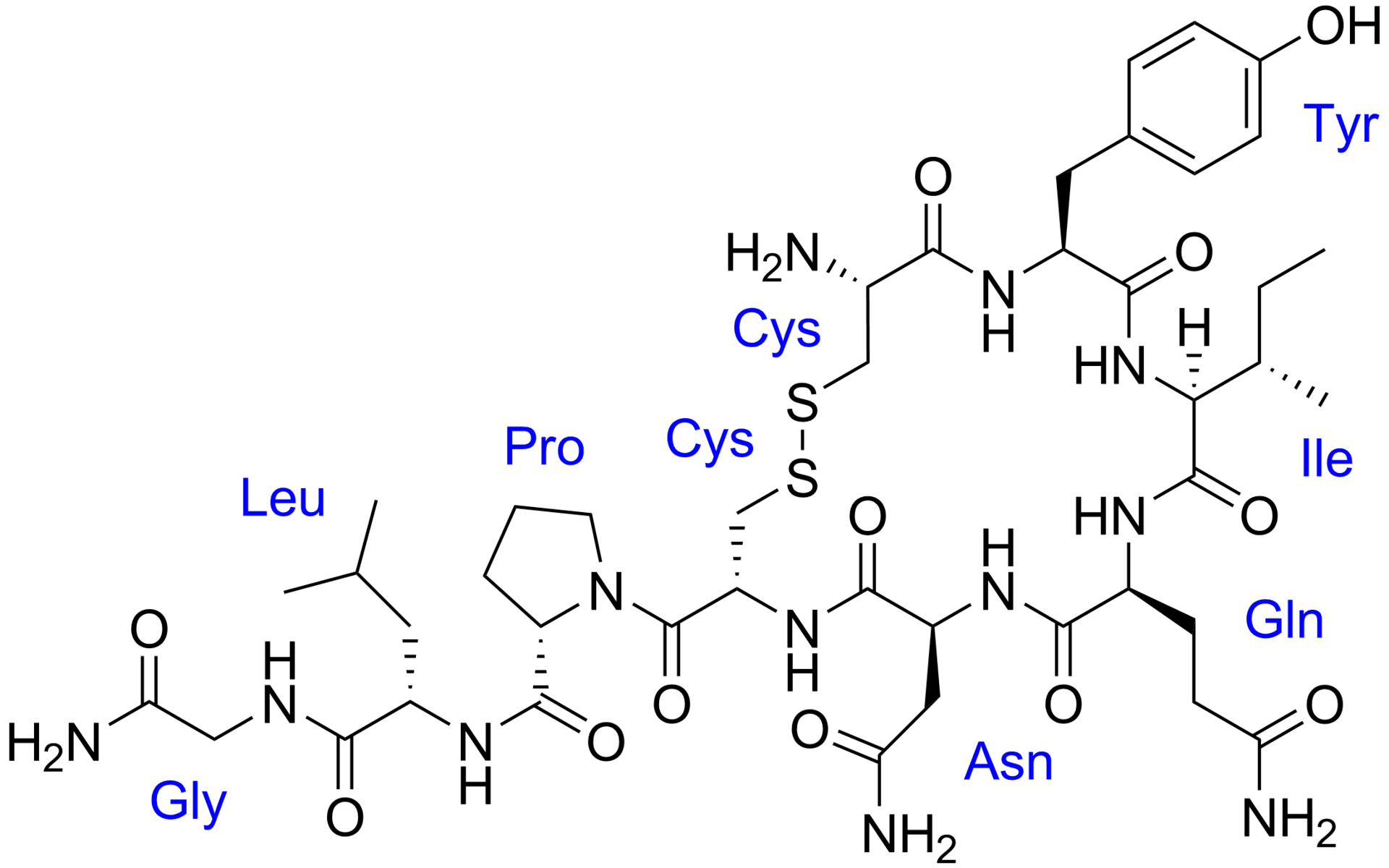
Kneading is an instinctual trait that begins in kittenhood. When kittens are feeding from their mother, they push on her mammary glands with their paws to help stimulate milk flow. For the mother, this releases oxytocin, also known as the bonding hormone.

You might notice your cat dribbling a little when they are kneading. This is natural too! Some cats go into “milking mode” even though they are older and fully weaned. They just get in the zone and subconsciously expect the milk that would have come from their mother.

They’re claiming their territory

Did you know that cats have scent glands in their paw pads? Scent glands are a way for cats (and other animals) to mark their territory, a trait that is especially important in the wild.

Cats tend to make biscuits on their favorite human, other pets in the home, and their favorite blankets. As a cat kneads, they release their scent to mark something as theirs. So if your cat has a habit of kneading on your stomach, congratulations! You are officially their property.

They’re making their bed

In the wild, felines knead tall grass to create a comfortable space for sleeping.

At home, your cat might like to make biscuits on your blankets, clothes, or even your body. This just means they are trying to get cozy and snuggly for a long cat nap.

They love you!

Kneading is typically a behavior that happens when a cat feels happy and secure, but they aren’t necessarily expecting milk from the process.

They’re going into heat

Female, unspayed cats are known to knead their paws before “estrus,” or going into heat. The act of kneading is a sign to male cats that the feline wants and is able to mate.

There’s further information about whether you should prevent them from kneading (no!), and advice to trim their nails so they don’t do damage when they make biscuits.

Or you can watch this explanatory video:

*********************

Lagniappe: An appropriate tweet showing a street sign in Istanbul asking people to be attentive for road cats:

. . . and an educational FB meme from Debra:

h/t: Matthew, Ginger K.

Caturday felid trifecat: Library accepts cat photos in lieu of late fees; the history of Downing Street cats; lost cat reunites with family after five years; and lagniappe

March 28, 2026 • 11:00 am

Yes, I know I’ve misspelled “trifecta” in the title, but that’s deliberate. Today we have the usual three items for Caturday, plus two lagniappes.

First, a heartening story from the 100 Libraries Magazine Click to read.

The Worcester Public Library in Massachusetts is, well, let them announce it:

Photo courtesy of the Worcester Public Library

From the text:

Embracing the spirit of the program, library patrons are encouraged to swap traditional monetary payments for a simple yet delightful alternative—a photo or drawing of a cat. Executive Director Jason Homer extends a warm invitation to all, regardless of feline companionship status.

“Even if you don’t have a cat in your life, you can still draw one,” Mr. Homer expressed to NBC Boston, highlighting the inclusive nature of the initiative. From domestic cats to majestic big cats like tigers and lions, all submissions are welcome with open arms.

Recognizing that accidents happen and fees can sometimes hinder access to library resources, the library hopes to extend a gesture of goodwill and understanding through this unique initiative.

Why March Meowness?

The inspiration behind “March Meowness” stems from a noticeable increase in overdue fines among young patrons, a trend exacerbated by the challenges posed by the pandemic. However, what started as a simple solution to address financial barriers quickly blossomed into something much more profound. Within just the first five days of its launch, the program had already cleared over 400 accounts, underscoring its immediate impact and resonance within the community.

In essence, “March Meowness” transcends the realm of library fines, serving as a testament to the power of creativity, compassion, and community spirit. Through a simple yet meaningful gesture, the Worcester Public Library not only alleviates financial burdens but also reaffirms its role as a cornerstone of the community—a place where everyone is welcome, regardless of their ability to pay. As patrons flock to share their beloved feline companions or imaginative renditions thereof, the library continues to serve as a beacon of hope, connection, and joy in uncertain times.

And here, from TikTok, is a wall o’cats showing how many people donated photos in lieu of fines (sound up):

@worcesterpublib

It was a valiant effort by our staff to try to get a many cat photos as possible up on our cat walls at several of our locations. We ran out of time and staff, but did our best! We hope you enjoyed this a much as we did! #catsoftiktok #catstagram #cats #librarytok #librarytiktok #library #worcesterma #mywpl #MarchMeowness #viral #fyp #fypシ #fypage #foryou #foryoupage #foryourpage

♬ Come Check This (Quickie Edit) – FETISH

And from the NBC Evening News, where we learn  that photos have been sent to the library from all over the world. The response would not be nearly as awesome if they wanted dog pictures, because cats rule the internet. 

********************

In honor of Larry the Cat‘s 15th birthday and 5 years of service as Chief Mouser to the Cabinet Office, Mark Felton Productions has put out a lovely 11-minute video detailing the history of Downing Street Cats beginning on June 3, 1929 when the government authorized the position. Rufus was the first Downing Street cat, replaced by Peter, and so on (one was also called “The Munich Mouser,” who was staffed by Neville “Peace in Our Time” Chamberlain.

It’s a great video, so watch.

Here’s a timeline of all the 10 Downing Street cats (via Wikipedia), and the parthy of the PM’s who staffed them. Click to enlarge.

********************

From the UPI’s “odd news” we have the story of a lost cat who came home after five years:


From the text:

A Maryland family whose pet cat went missing five years ago were reunited with the pet when she turned up in a stranger’s basement.

Melissa and Brooke Garci said Aremis, their indoor/outdoor cat, wandered away from home in Hickory in September 2021 and never came back.

The family canvassed the neighborhood and put up flyers, but there was no trace of Artemis.

The Harford County Humane Society said a woman came to the facility in February with a cat she found in her unfinished basement.

The shelter scanned the feline for a microchip, which identified her as Artemis.

“I was like, I couldn’t cry yet because I was in disbelief, but when I saw her, I was like, ‘OMG, she looks exactly the same,'” Brooke Garci told CBS Baltimore. “It was a beautiful thing.”

The humane society said the reunion was a reminder of the importance of having pets microchipped.

Always get your cat chipped, even if it’s an indoor cat. They can escape, you know, as Artemis did.  40% of lost cats with chips are returned to their owners. (Be sure your chip is updated if you move or change your phone number.)

Here’s a video of the grand reunion (warning, there are d*gs as well):

********************x

Lagniappe: Two cat videos from The Good News girl:

Kiki the School Cat:

Caturday felid trifecta: Cat gets rave bath; Turkish cat ladders; why falling cats land on their feet; and lagniappe

March 21, 2026 • 10:00 am

Today we again have three items plus lagniappe, and I will keep on with Caturday posts for at least a month.

First, we have a four-minute video of Marvin the Cat getting a “rave bath”, whatever that is.  The YouTube notes give a link and a caption:

So I asked Grok what a “rave bath for a cat” is. The AI answer:

A “rave bath” is a fun, creative bath-time setup for a cat (specifically one that actually enjoys water—rare for most cats!) where the owner turns the bathtub into a glowing “party” atmosphere.

It comes from a popular 2024 viral video by The Dodo featuring a cat named Marvin, who is obsessed with baths. His owner came up with the idea to make bath time even more exciting:

  • They turn down the lights in the bathroom to make it dark.
  • They add glow sticks (the kind you crack and shake) floating in the water for Marvin to swat, chase, and play with.
  • Sometimes they include a light layer of pet-safe bubble bath or bath bombs for extra splashing fun.

The result looks like a mini rave or underwater wonderland with colorful glowing lights reflecting in the tub. Marvin goes wild splashing around and clearly loves it.

The term “rave bath” stuck because of how the owner describes it in the video: “We came up with the cutest thing ever. It’s a rave bath… It’s like a Wonderland.” The video has millions of views across YouTube, TikTok, and Facebook, and people now sometimes use the phrase for any glow-stick-enhanced bath for water-loving pets.It’s basically the opposite of a normal stressful cat bath—pure pampering and play for cats like Marvin who beg for water time instead of running away from it. If your cat hates baths, this probably won’t convert them, but it’s adorable to watch! You can find the original video by searching “Woman Throws A ‘Rave Bath’ For Her Cat Who Loves Bath Time | The Dodo.” [JAC: note the disco music during the rave bath.]

This is a woman who loves her cats!

**********************

You should all know by now that Turkey is probably the most cat-loving country in the world. I’ve seen it for myself on several visits: one of the notable aspects is the groups of cats that congregate in outdoor restaurants, with the customers occasionally feeding them. Here’s a photo I took in March, 2008 in Istanbul:

From the Facebook site Fact Fuel: we learn that some Turks erect minature ladders to keep cats dry (and note the cat houses):

Winter in parts of Turkey can blanket cities in heavy snow, leaving stray cats searching for warmth along icy streets. In response, some apartment residents have installed small, cat-sized ladders leading from the ground up to their balconies. These narrow wooden or metal pathways are carefully secured against building walls, giving outdoor cats a safe route upward instead of forcing them to remain exposed to freezing temperatures below.

Once on the balcony, many residents place insulated boxes, blankets, or small shelters where the cats can curl up and rest. The ladders act as bridges between street life and temporary refuge, especially during storms. For animals accustomed to navigating rooftops and alleyways, the climb becomes a familiar path to safety.

The gesture reflects a cultural affection for street cats that runs deep in many Turkish communities. Rather than ignoring their presence, neighbors adapt their living spaces to include them. In the quiet snowfall of winter nights, these modest ladders stand as vertical lifelines — proving that compassion can be built step by step, right alongside everyday homes.

The ladders:

And if you click on the screenshot below you’ll go to an Instagram video:

***********************

And we return to the perennial problem described in this NYT column, which refers to a paper in the Anatomical Record by a team of Japanese authors (second secreenshot). You can access both sites by clicking on the titles (the NYT goes to an archived link).  The key is the way a cat’s spine is configured.

From the NYT article:

In a paper, published last month in the journal The Anatomical Record, researchers offered a novel take on falling felines. Their evidence suggests new insights into the so-called falling cat problem, particularly that cats have a very flexible segment of their spines that allows them to correct their orientation midair.

Greg Gbur, a physicist and cat-falling expert at the University of North Carolina at Charlotte who was not involved with the paper, said the study was the first he knew of that explored “what the structure of the cat’s spine tells us about how a cat turns over while falling.” He added that the research uncovered many remarkable details about how cats maneuver while falling.

People have been curious about falling cats perhaps as long as the animals have been living with humans, but the method to their acrobatic abilities remains enigmatic. Part of the difficulty is that the anatomy of the cat has not been studied in detail, explains Yasuo Higurashi, a physiologist at Yamaguchi University in Japan and lead author of the study.

“Physicists have tried to model the behavior in relatively simple equations,” said Ruslan Belyaev, a zoologist at the Severtsov Institute of Ecology and Evolution in Moscow who was not involved in the study. But, he added, “the real cat” is anything but simple.

Modern research has split the falling cat problem into two competing models.

The first, “legs in, legs out,” suggests that cats correct their falling trajectory by first extending their hind limbs before retracting them, using a sequential twist of their upper and then lower trunk to gain the proper posture while in free fall.

The second model, “tuck and turn,” suggests that cats turn their upper and lower bodies in simultaneous juxtaposed movements.

In the new study, Dr. Higurashi and his colleagues scrutinized different segments of cat spines using donated cadavers. They also conducted dropping experiments on a pair of live cats, from about three feet up.

But wait! There’s more:

The researchers found that the feline spine was extremely flexible in the upper thoracic vertebrae, but stiffer and heavier in the lower lumbar vertebrae. The discovery matches video evidence showing the cats first turn their front legs, and then their lower legs. The results suggest the cat quickly spins its flexible upper torso to face the ground, allowing it to see so that it can correctly twist the rest of its body to match.

They measured the spinal flexion in cat cadavers whose spines had been removed, and they twisted the removed spines until they “failed”. Here’s a figure from the paper:

(from the paper): (a) Schematic diagram of the testing apparatus used to twist a spinal region until failure. The rotary table was operated manually to rotate the caudal end of the spinal region counterclockwise relative to the immobilized cranial end at a quasi-static loading rate. Torque was measured using the transducer between the table and specimen. The rotation of both the table and specimen was filmed using a digital camcorder. (b) Torque-angular displacement curves obtained for Cat A, illustrating the mechanical properties measured in this study. Torque was recorded at every 5° of angular displacement. The neutral zone (NZ) was defined as the part of the curve with minimal resistance to vertebral rotation. The lumbar spine had no NZ. Stiffness was measured as the ratio of the change in torque to the change in angular displacement in the linear part of the curve. Max, maximum torque; ROM, range of motion.

“The thoracic spine of the cat can rotate like our neck,” Dr. Higurashi said.

Experiments on the spine show the upper vertebrae can twist an astounding 360 degrees, he says, which helps cats make these correcting movements with ease. The results are consistent with the “legs in, legs out” model, but definitively determining which model is correct will take more work, Dr. Higurashi says.

The results also yielded another discovery: Cats, like many animals, appear to have a right-side bias. One of the dropped cats corrected itself by turning to the right eight out of eight times, while the other turned right six out of eight times.

Here’s a figure from the paper showing the cats being dropped (onto soft pillows, mind you). Note that in (b) the anterior part of the cat rotates faster than the rear part,  This cat looks scared, with its tongue sticking out. The caption tells you what’s going on.

From the paper: (a) A representative frame sequence illustrating sequential rotation of the anterior and posterior trunk without counterrotation during air-righting. In this sequence, a cat rotates to the right. (1) The dorsal sides of both the anterior and posterior trunk are initially oriented downwards. (2) Upon release, the anterior trunk becomes oriented laterally, while the posterior trunk remains oriented downwards. (3) The anterior trunk is oriented upwards, indicating that its rotation has been completed, whereas the posterior trunk is oriented laterally. (4) The anterior and posterior trunk are both oriented upwards, indicating the completion of posterior trunk rotation. (b) Bar charts with individual data points showing the time required to complete anterior and posterior trunk rotation during air-righting for each of the two cats (Cats H and I). Error bars represent ±1 SD from the mean. The start of free fall was defined as time zero. Significant differences were assessed using paired Student’s t-tests. **p < 0.01.

If you want to see the paper, click below:

Here’s an enlightening video of how cats spin their bodies (front first) to land on their feet. It’s clearly instinctive, i.e., reflecting a behavioral-genetic program molded by natural selection:

********************

Lagniappe: Larry the 10 Downing Street cat has put out a video about what’s going on in his block. Most important, the Brits have decided to replace historical figures on their banknotes (they once included Darwin), with wildlife. Larry makes a strong case that he’s both wildlife and a historic figure!


Extra lagniappe: A CBS news report on the rescue of Biscuit, a stranded moggy:

And a third lagniappe item. This photo and caption arrived just half an hour ago from Robert Lang. His caption:

Yesterday I and some friends did a hike to a little-visited waterfall in the San Gabriels. At the trailhead, which is shared with some other popular trails, we met this person who was bringing his moggie along for their hike:’

h/t: Carl, Robert

Caturday felid trifecta: Eighteen celebrities who love cats; a cat that steals bras; cat with an emotional support potato; and lagniappe

March 14, 2026 • 9:45 am

We have three items today, all with videos. First is a video compilation of 18 celebrities who are cat lovers. You’ll have heard of some of these ailurophiles, like Taylor Swift and Rickey Gervais (owner of Pickle), while others, like Martha Stewart, Roberty Downey, Jr. and Nicole Kidman, were surprises.  Sit back and enjoy the videos, which show both entitled moggies and their famous staff:

***********************

This article about a bra-swiping cat comes from IHeartCats, and there’s a video below.

An excerpt. The cat is named Anna:

At first, no one realized a pattern was forming. Small things began to appear around the house without explanation. A plastic bag left neatly in the hallway. A random object resting near the couch. Anna would sit nearby, calm and observant, as if waiting for someone to notice. Over time, her behavior evolved into something far more specific and unforgettable.

Anna developed a habit of bringing bras from all over the house and placing them in the most unexpected locations. The middle of the living room. Right outside a bedroom door. Sometimes beside someone who was still fast asleep. Each item was carefully carried, never dragged or abandoned. To Anna, these were not stolen objects. They were gifts.

Her timing is part of the charm. Anna does not limit her deliveries to convenient hours. She prefers moments when the house is quiet and still. Early mornings. Late nights. That is when she seems most focused, padding softly across the floor with her prize, completely committed to the task at hand.

She also appears to enjoy keeping everyone guessing. The bras are rarely the same. They do not belong to Sarah most of the time, which only adds to the confusion and laughter. Anna seems delighted by the reaction she gets, even if she pretends not to notice. Her bright eyes and relaxed posture suggest she feels proud of her work.

One night, Sarah woke suddenly in the darkness and found Anna in the middle of a delivery. The house was silent. The moment felt surreal. Anna had brought not one, but two bras. She placed them carefully, then paused as if to admire her effort. Neither item belonged to Sarah. That detail somehow made the experience even more amusing.

Anna was adopted from a shelter in 2016, and from the very beginning, she stood out. Sarah had never encountered a cat quite like her. Anna was expressive, curious, and full of tiny habits that made her feel almost human in her determination. Every quirk seemed to reveal a little more of her personality.

It is hard not to wonder what goes through Anna’s mind during these deliveries. Perhaps she feels a sense of purpose. Perhaps she believes she is contributing to the household in her own meaningful way. Her body language suggests confidence and satisfaction, as if she knows she is doing something important.

Over time, Anna’s strange routine has become a source of comfort and joy. Her gifts are a reminder of how deeply animals connect with their humans, even when their methods are unconventional. What began as a mystery has turned into a beloved part of daily life.

Appaently Anna is an outdoor cat, as some of the bras she delivers to her staff don’t belong to the female member. Also, the fact that Anna’s a girl cat keeps her from being labeled a pervert.

Here’s a two-minute video of Anna delivering bras to her staff. They are apparently “presents.”  They could prevent this by simply keeping the bras out of reach of the cat.  As for why Anna prefers bras above other objects, that will remain a mystery. Perhaps science can tackle the question.

***********************

Speaking of weird cats, here’s Nugget, who is no longer with us, but while alive required emotional support potatoes.  He seems to like yams as well. Nugget’s story goes up to 1:13, and then unfortunately segues into the story of a nosey dg named Nola, who likes to climb trees and then, at 2:24, to another dg named Mojo who required emotional support tennis balls. The videos are from Jenn, a well-known figure on Facebook, also known as “The Good News Girl,” who is famous for “posting something positive every day.”


***********************

Lagniappe: We have a 3-minute video showing the doings of Larry, the Chief Mouser to the Cabinet Office at 10 Downing Street.  Larry is a senior cat, 19 years old, and he’s been in his job since 2011, so this is his fifteenth anniversary at the Prime Minister’s residence. Here Larry addresses the recent arrest of Peter Mandelson, former UK ambassador to the US, now accused of micsonduct in office. It also shows all the attention Larry gets from those lucky enough to enter Downing Street.

As you’ll see, Larry has a dry sense of humor.

h/t: Ginger K

Caturday felid trifecta: What not to do to your cat; Jock(s) the Chartwell cat(s); missing cat in England found in Paris, more than 8 years later; and lagniappe

March 7, 2026 • 9:15 am

We have three cat items and lagniappe today.

This first video was made by Meowtopia, the same people who made the informative video on cat psychology that I posted recently.  Here we have 18 minutes of advice about what not to do to your cats: nine human behaviors that adversely affect cats based on their evolved natures.

The list: failure to greet the cats when you come home; using a laser pointer or other toy that a cat cannot catch (this is a no-no as it violates the predatory sequence that ends with a kill), petting in the wrong places, invasion of a cat’s territory, punishment of trangressing cats by squirting, yelling, or striking them (this conditions them to fear you; the solution is to prioritize a better option), afflicting them with loud noises (their hearing is absurdly sensitive), failure to understand their communications and to respond to it (feral cats don’t meow), picking them up and thrusting them into the hands of a stranger), and, finally, assailing their sensitive vomerine scent-detection system with strange smells like heavy perfumes or air freshener and, worst of all, scented cat litter.

This is a very good and educational effort, not simply a cute cat video. Even if you have a cat, do watch it.

*********************

Winston Churchill was a huge fan of cats, as you can see from this National Trust post below about the lineage of orange (“marmalade”) cats that still roam the grounds of Churchill’s old home, now given to the country. As Wikipedia says in its article about Winston Churchill’s pets (my bolding):

Churchill had many cats in his life, both at Chartwell and in government service. At Chartwell, these included a tabby, Mickey, and a “marmalade colored” cat named Tango. Tango was there in the 1930s and 1940s and appears in anecdotes about those years. But Churchill’s most famous wartime cat was Nelson who was initially a mouser at the Admiralty when Churchill was First Lord. Churchill named him Nelson after the great admiral after seeing the cat chase a large dog away. He then took the cat with him to 10 Downing Street when he became prime minister, where it also chased Chamberlain‘s cat, the Munich Mouser.

In later life, he was given a cat by Jock Colville for his 88th birthday. This was a ginger cat with white markings that he called Jock too. This cat became a favourite in his final years. When he died and Chartwell was donated to the National Trust, the family asked that a marmalade cat with white bib and socks called Jock should always be maintained there. This tradition has continued and Jock VII became the current holder of this position in 2020.

Chartwell was Churchill’s country home in Kent to which he retreated again and again, even when he moved 10 Downing Street as Prime Minister.  Click to read about the two living Jocks:

. . . Generations of ginger cats have lived at Chartwell over the years. Since the National Trust opened the house to the public in 1966, the family of Sir Winston Churchill requested that there always be ‘a marmalade cat named Jock, with a white bib and four white socks, in comfortable residence at Chartwell’.

Here are the last two Jocks that are still alive, though Jock VI retired and, nearly blind, lives with a staff member (see short video below).

Jock VII

In May 2020 Chartwell welcomed Jock VII, a six-month-old rescue kitten, to take up this unique role.

Along with his white bib and white paws, Jock VII has a very mischievous character. His favourite pastimes are investigating what the gardeners are up to and playing down in the long grasses of the orchard. He also likes lots of cuddles on the sofa after an eventful day.

Keep an eye out for him as you tour the property.

Rescued

Jock VII, previously known as Sunshine, was rescued by the RSPCA before being adopted by one of the team at Chartwell.
He was rescued along with 30 other cats from squalid conditions. The kittens were very weak and undernourished but were young enough to be brought back to health quickly. Jock was the most confident of the whole group and was already playful and full of fun.

Jock VI

Jock VII’s predecessor, Jock VI, came to Chartwell in 2014. Sadly, he became almost completely blind and was finding life at Chartwell difficult. After his six years of service, he retired and is now enjoying a much quieter and more peaceful life with a member of staff in a garden of his own.

Here’s Jock VI with his staff; she seems quite loving:

*********************

Finally, from an author called Sean, we have a Medium story about his cat Moon Unit (you may remember that this was the name of  Frank Zappa’s daughter, born in 1967).

Click on the link below to go to the story of a latter-day Moon Unit, a cat who went missing from London and turned up in France, toothless but otherwise okay, 8½ years later!

An excerpt:

A few years passed and we had a new year’s party. The next morning we discovered we had one cat missing. Moon Unit had somehow got out during the party and disappeared. We went out looking, printed out posters, told the local cat rescue places, but no luck. People told us about lots of little black and white cats they’d seen, but none of them had MU’s distinctive white nose or big whiskers. So no luck. And we were very sad.

But about a month ago, out of the blue, I got an email from the Kennel Club saying that a cat with a matching microchip had been found. IN PARIS. Now if that isn’t boggling enough, that party was EIGHT AND A HALF YEARS AGO. We exchanged photos with the French rescue place, and it was definitely Moon Unit. Distinctive nose and whiskers as I said. And she has that fur that is dark on top but white underneath.

She had been found wandering around outside a train station in a French suburb, and taken to a cat rescue place, who checked her chip and got in touch. Well, the chip contact details were a bit out of date (did I mention EIGHT YEARS missing?), but the French people were very stubborn and eventually the KC used newfangled email to get in touch with me.

So this weekend we went over to Paris. In the past few weeks, Moon Unit had been checked at the vet, and given rabies shots and worming tablets, and a Pet Passport organised for her. Two lovely ladies came over to our hotel with her on Saturday (we gave them some chocolates and flowers), and we took her to Calais by train (telling her story to the people around us), and our friends met us at the station and drove us onto the car ferry, and back to London. (There aren’t many foot passenger services that take pets).

.. . .Back in London we closed all the doors and let Moon Unit out into the hallway. She had a look around, and seemed perfectly fine. I spent the rest of the evening in the hallway with her, and she’s been following me around all day. She’s not been doing that “OMG new place I must HIDE” thing that cats often do — in fact she’s curled up next to me on the sofa as I write this. (Remember she only got back yesterday).

So there we have it. A tale of European cooperation and perseverance and international mystery. How did Moon Unit get to PARIS? How has she survived for over EIGHT YEARS? How did she lose all her teeth? Has no vet checked her chip in all that time? Answers we will never get, until she writes her mewmoirs.

. . . And the moral of the story — always get your pets microchipped and keep the contact details up to date, even if they are indoor pets. Moon Unit was an indoor cat while she was with us. Hope you enjoyed reading this.

Here’s a photo labeled “Moon Unit back in the day,” presumably taken by Sean.

********************

Lagniappe:  Here’s a two-minute cat version of Indiana Jones: “Indiana Jonesy” in “Raiders of the lost treat.” You will remember some of the scenes. No cats were injured in the making of this film.

h/t: Matthew Cobb,