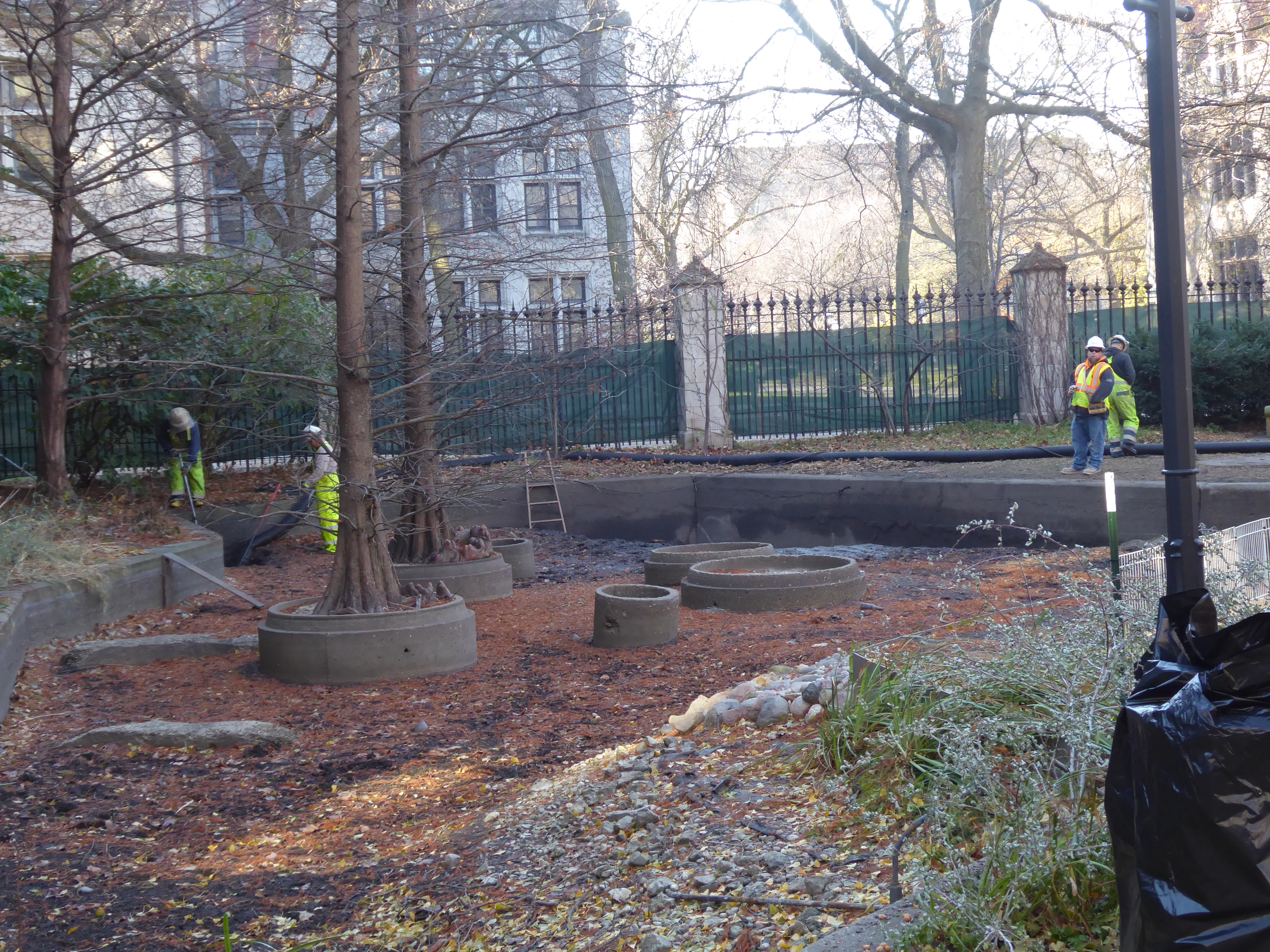
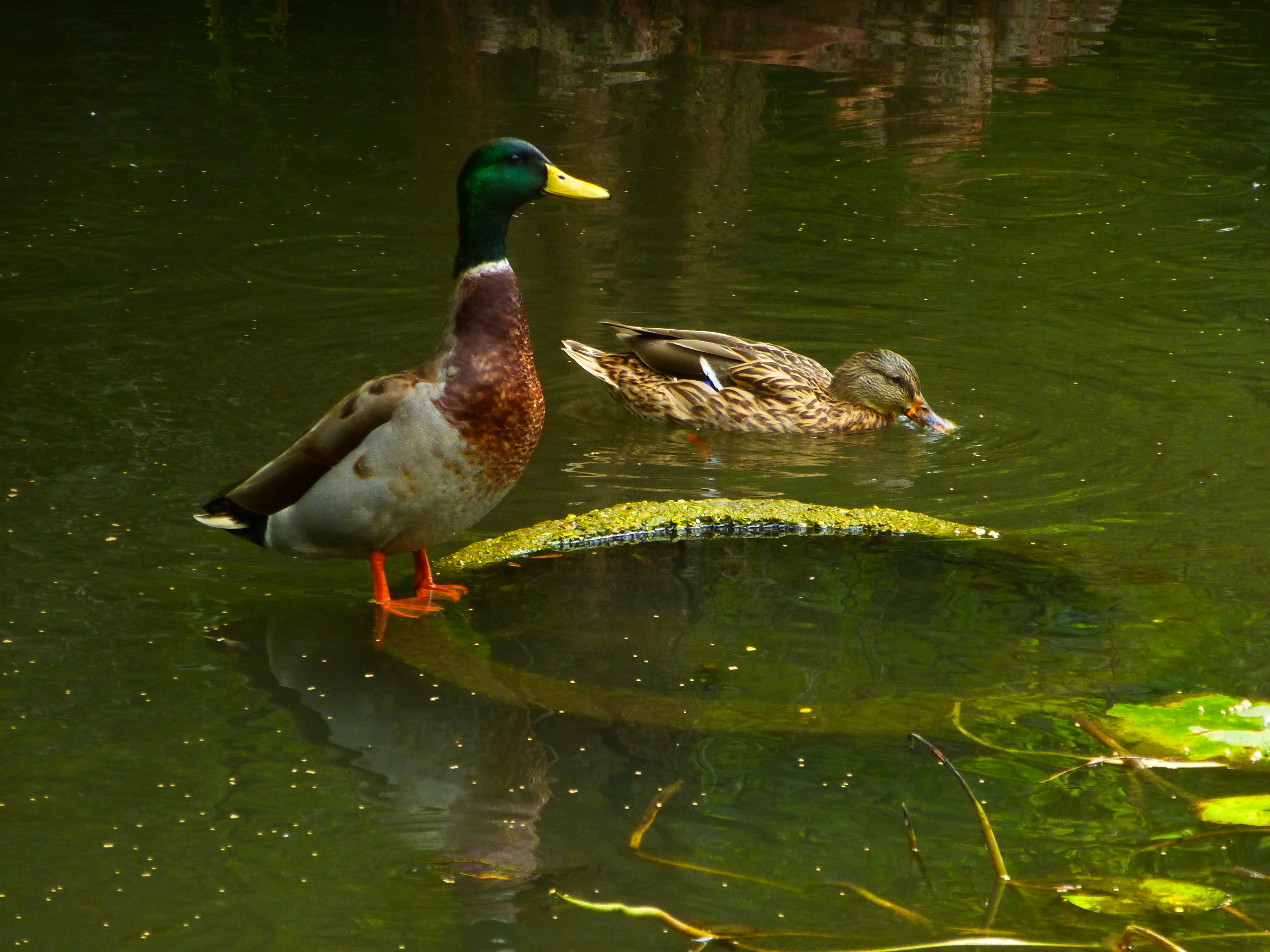
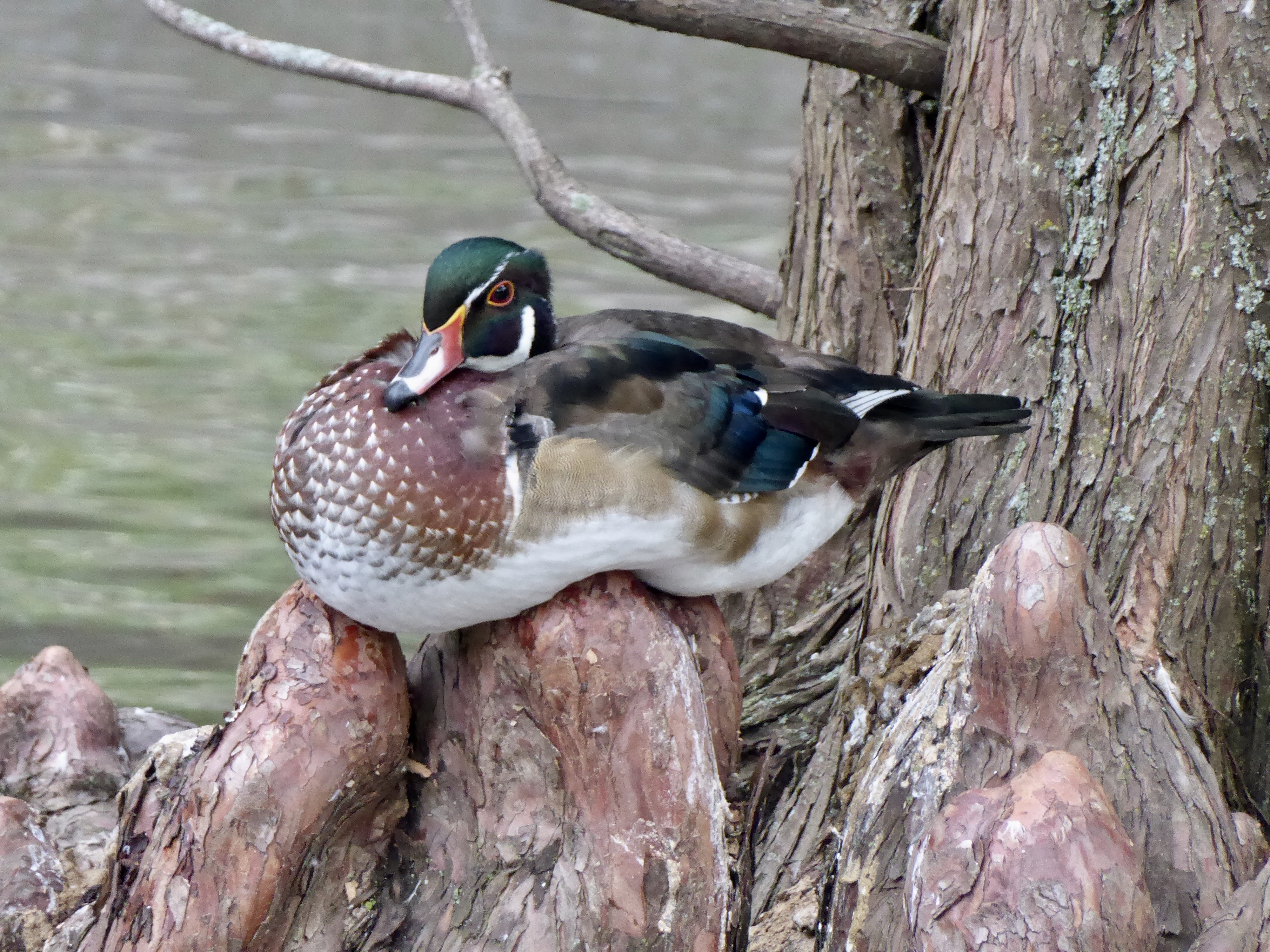
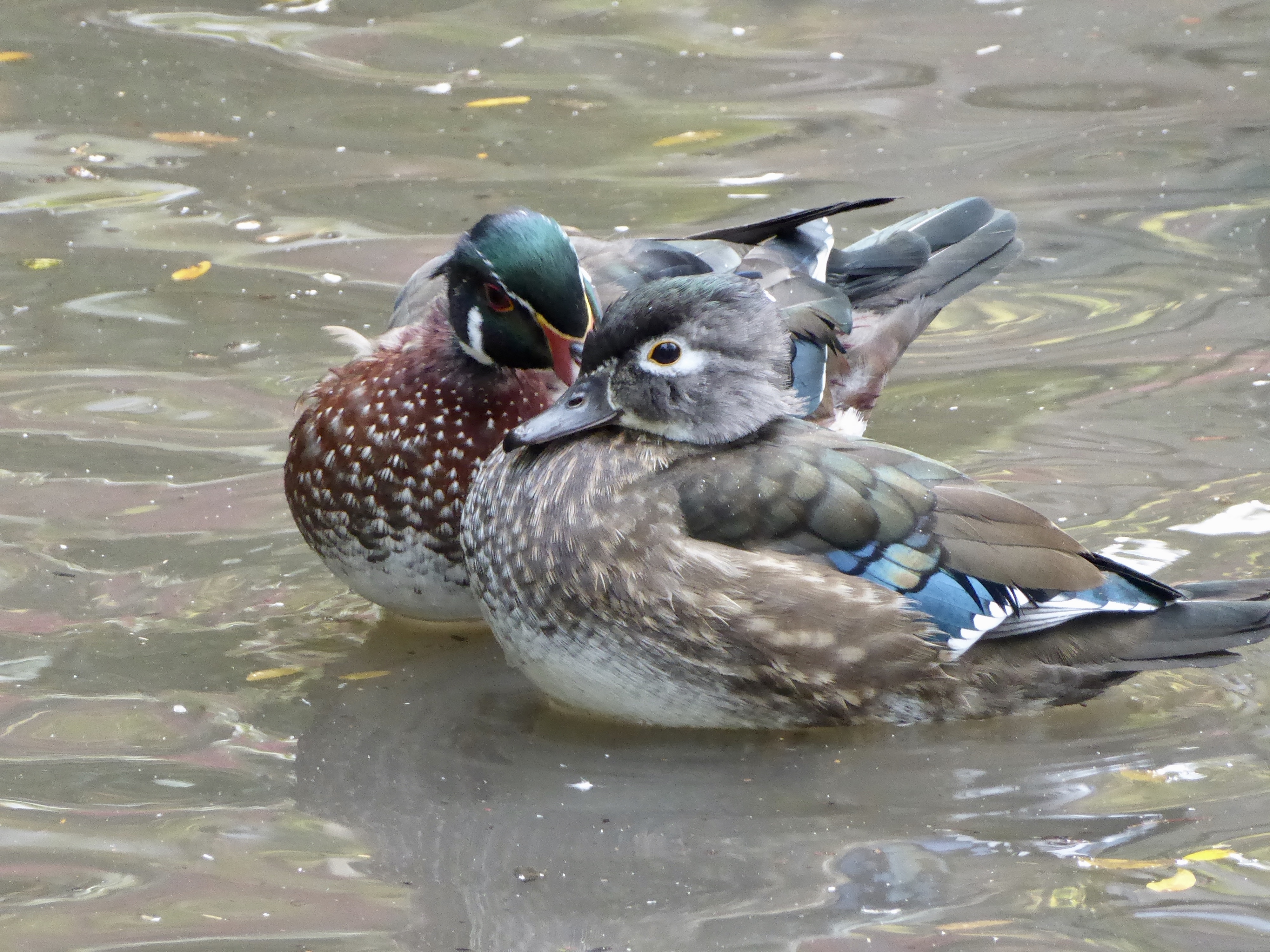
After two years of closure, and two seasons without ducks, they opened Botany Pond this morning, taking down the fence that had kept us from our beloved body of water. The pond has been re-lined, made shallower, landscaped, and with an area fenced off for ducks. There’s a new filtration system, too. It looks good, though I’ve had two duckless years.
Here are some photos I just took:
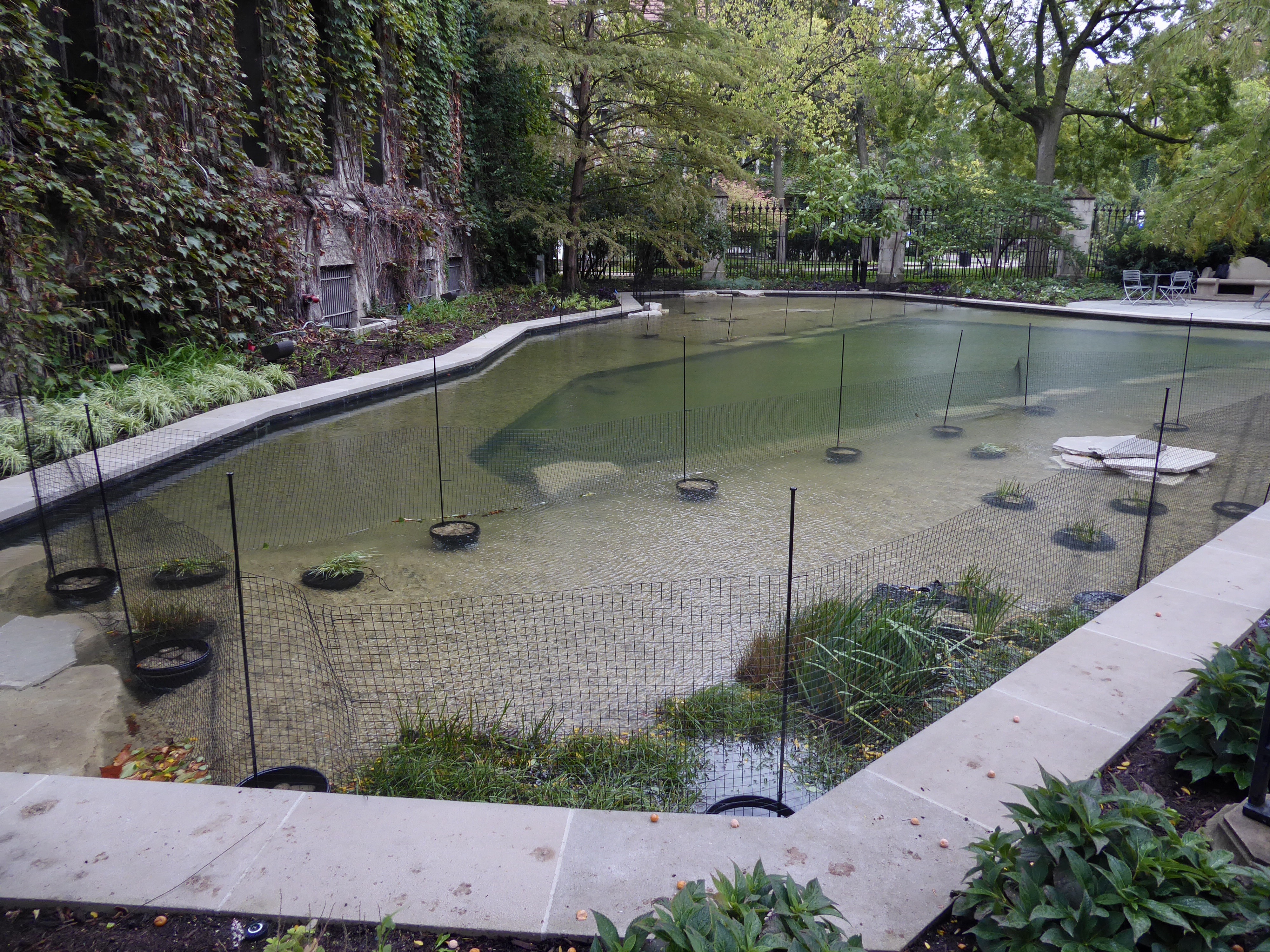
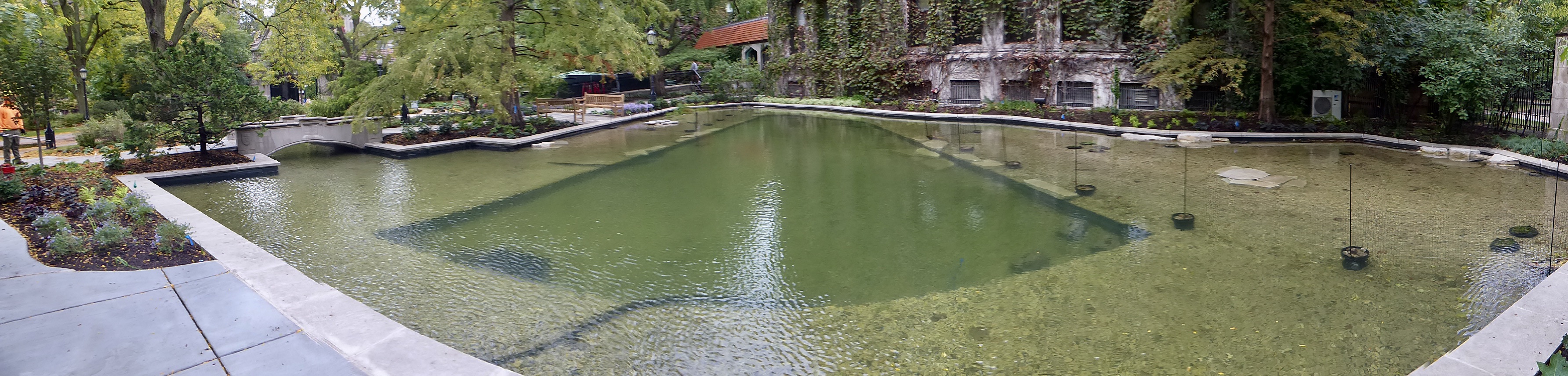
First, main pond, with temporary fencing in the water to allow the water plants to start growing undisturbed. You can see that the two large bald cypresses have been removed, and that the pond is quite shallow.
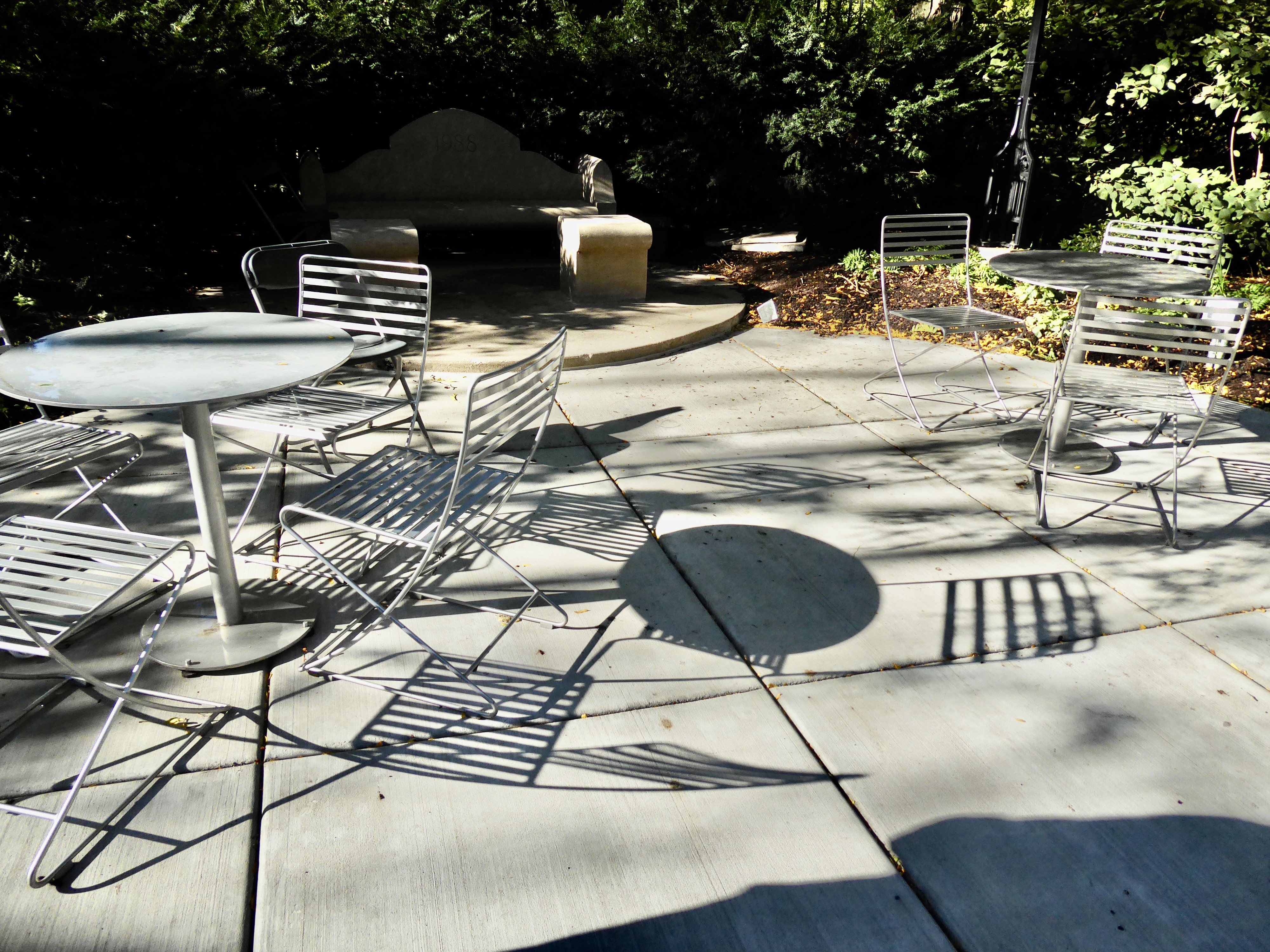
There are large pebbles (or small rocks) in the shallow part, and then a geometrical design of levels. The pond gets deeper (but still below my chest) in the center. Note, at upper right, that the cement bench is still there, along with some tables and chairs that have been put on the cement patio. The building to the left is Erman Hall, on whose windowsills the mallards nest.
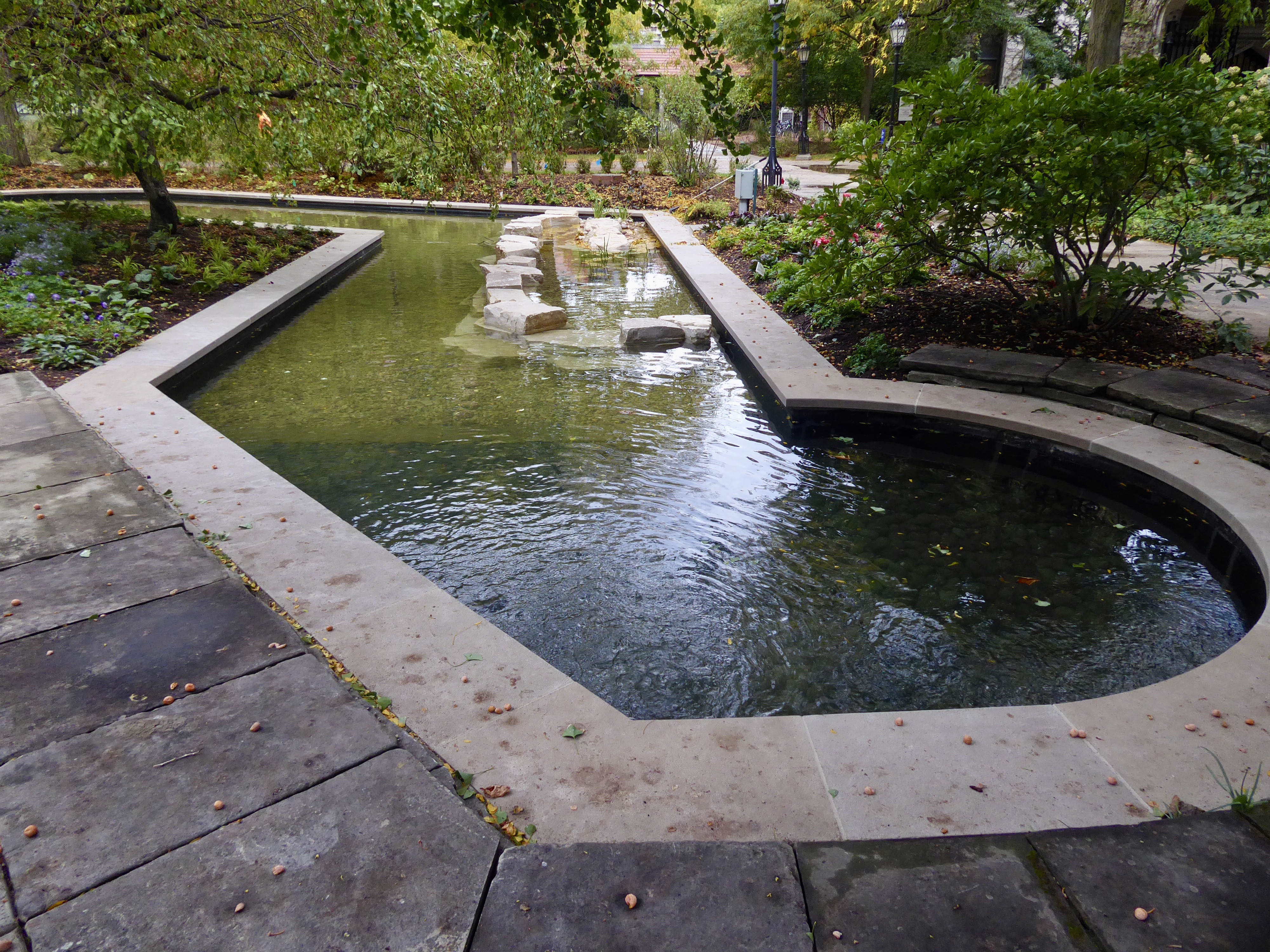
The channel, which contains the filtration system (no new water is piped in as in days of yore; rather, the water is filtered and recirculated). The water bill for the old pond was exorbitant, and there were constant leaks, which have been fixed. The end of the channel is designed as a “reflecting pool,” though it’s hard to see what’s reflected. The boulders in the pond are designed to entrap debris which is removed by the filtration system:
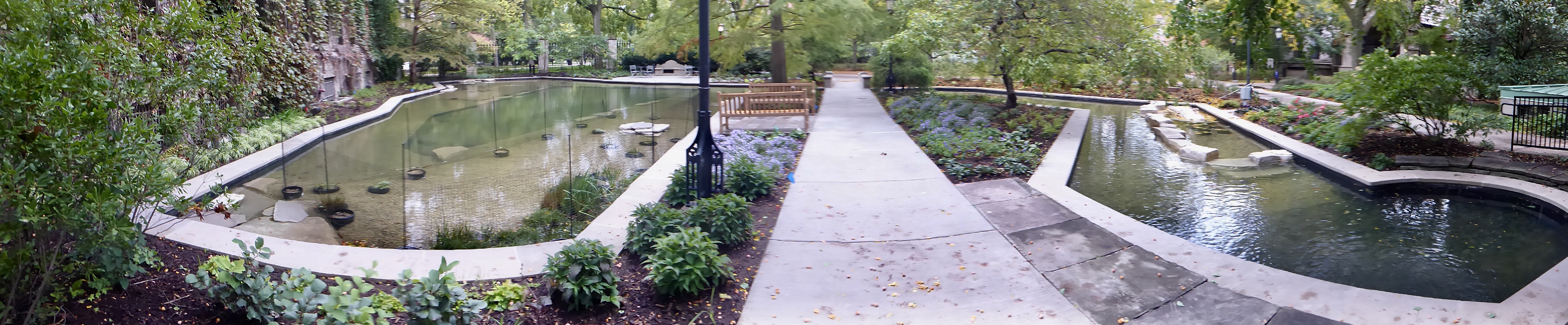
A panorama of the whole pond, with the main pond to the north (left) and channel to the south. Click the photo for a full view:
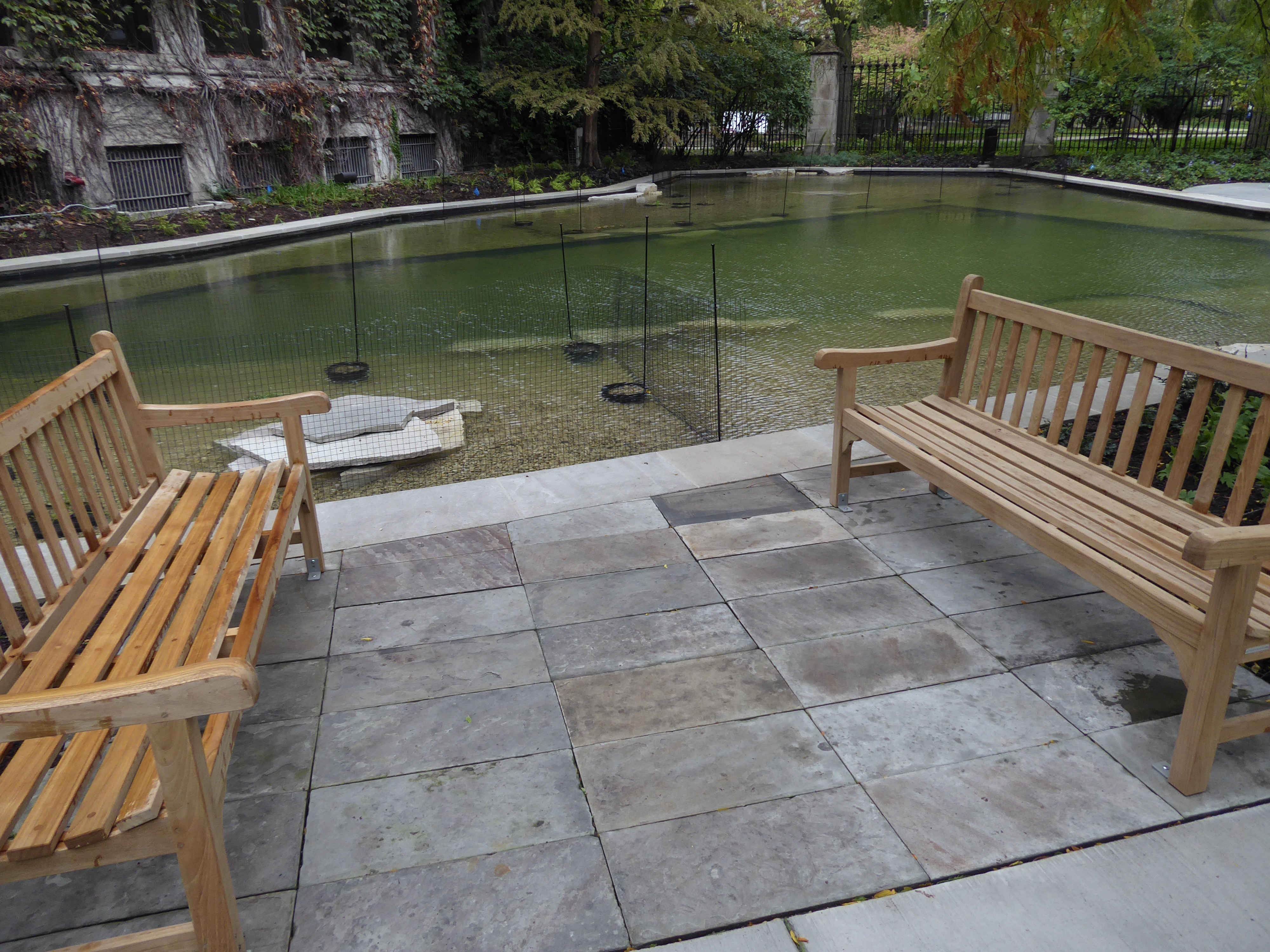
There are two benches at the north end of the pond to facilitate duck- and turtle-watching:
The old cement bench, good for duckwatching, is now supplemented with some tables and chairs:
A panorama of the main pond:
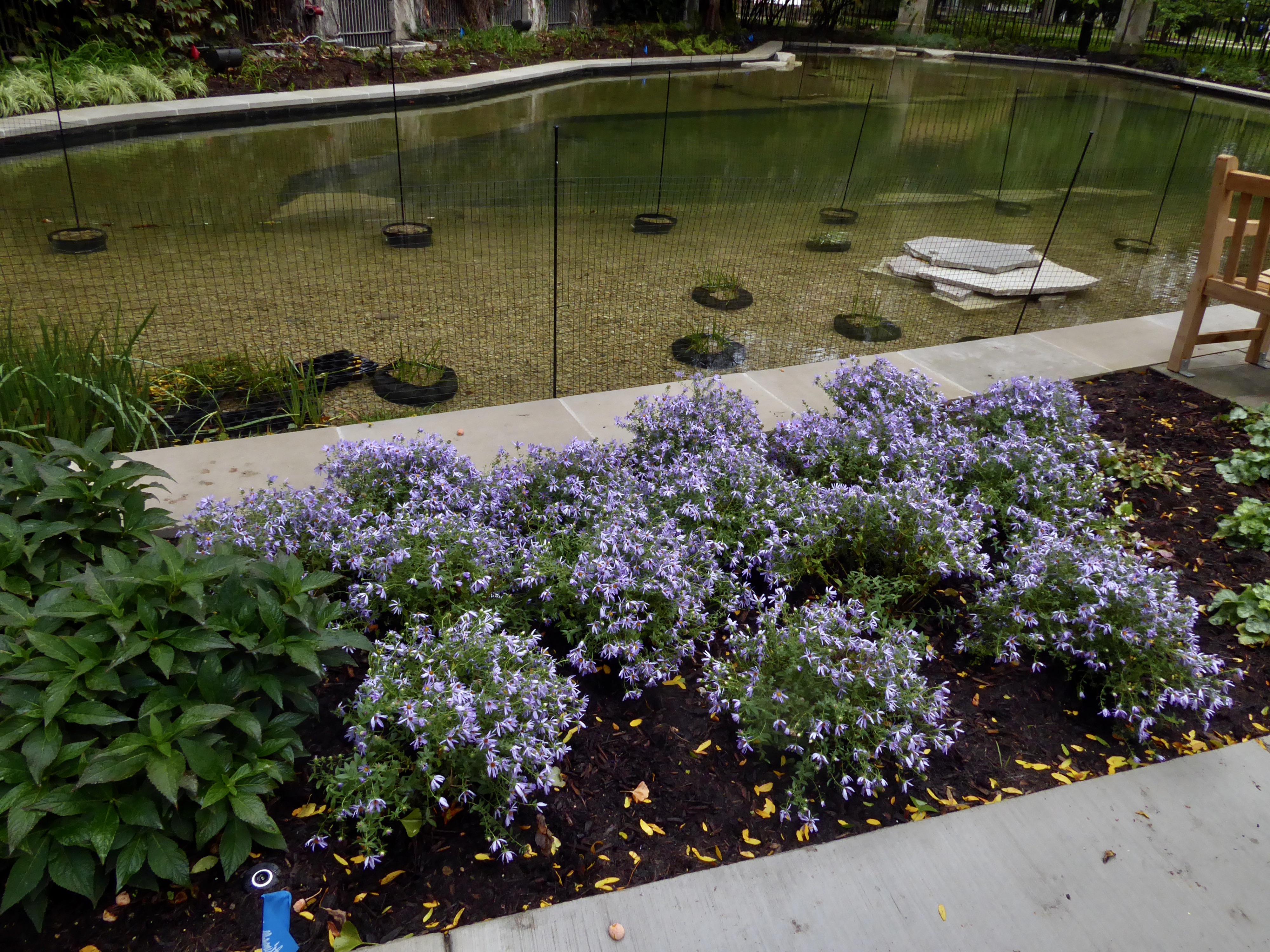
There is lovely landscaping; I’m told that they chose plants that, by and large, are native to the area. The water plants, which include the requisite water lilies, have just been installed (there are tall grasses, too). You can see the pots with the young plants in the foreground.
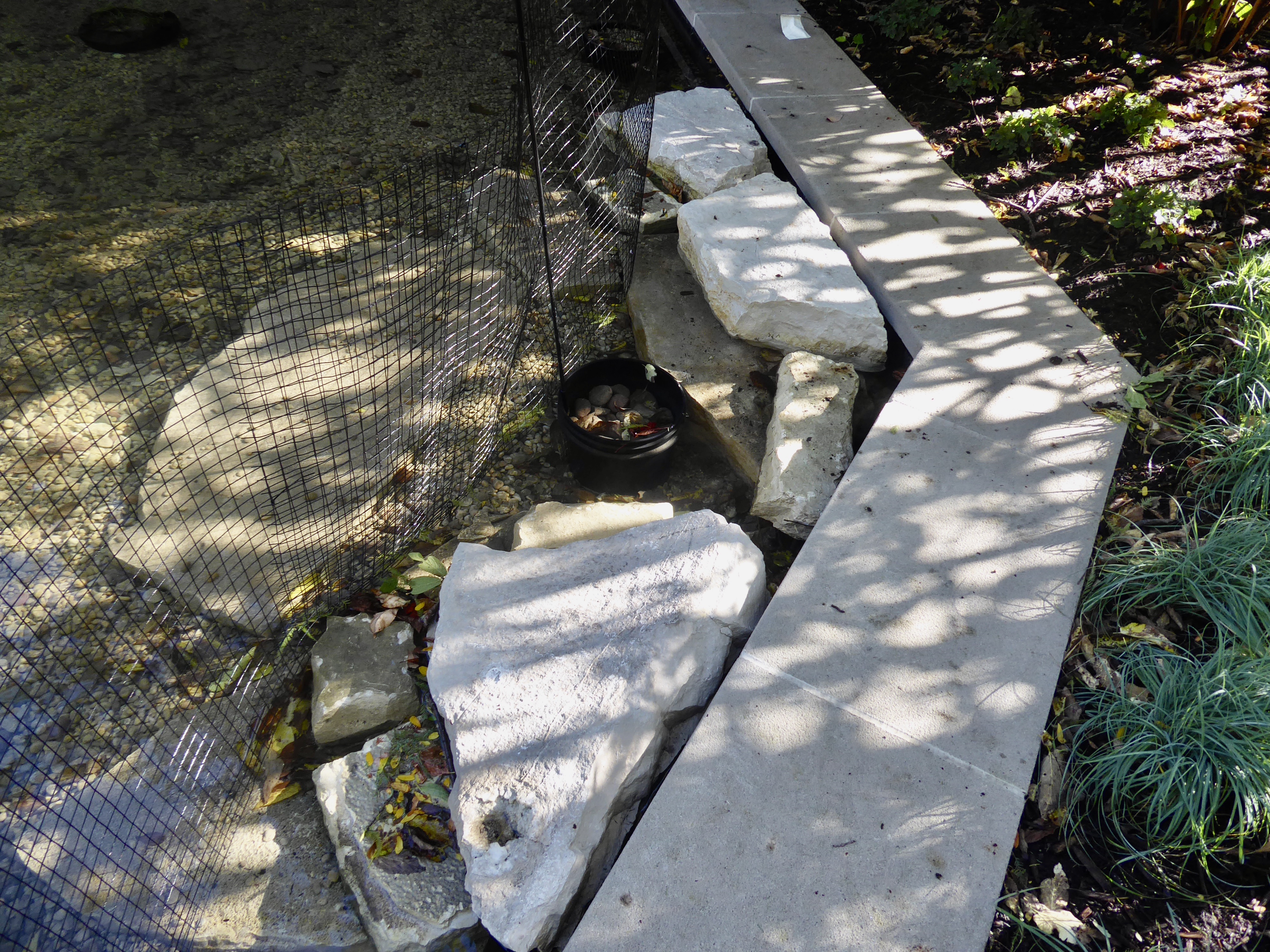
And, thoughtfully, they have reserved the south end of the pond as a refuge for ducks and ducklings. It’s fenced off from the main area of access by a sturdy metal fence (right) anchored in concrete. The rocks to the left are designed to allow egress for young and old mallards from the pond. I hope people stay out of this area. One thing that worries me is that now that the pond is shallow, miscreants will be tempted to jump in and swim.

Where the ducklings will climb out. I hope the stones are low enough to allow an easy exit (the fence will be gone by next spring):
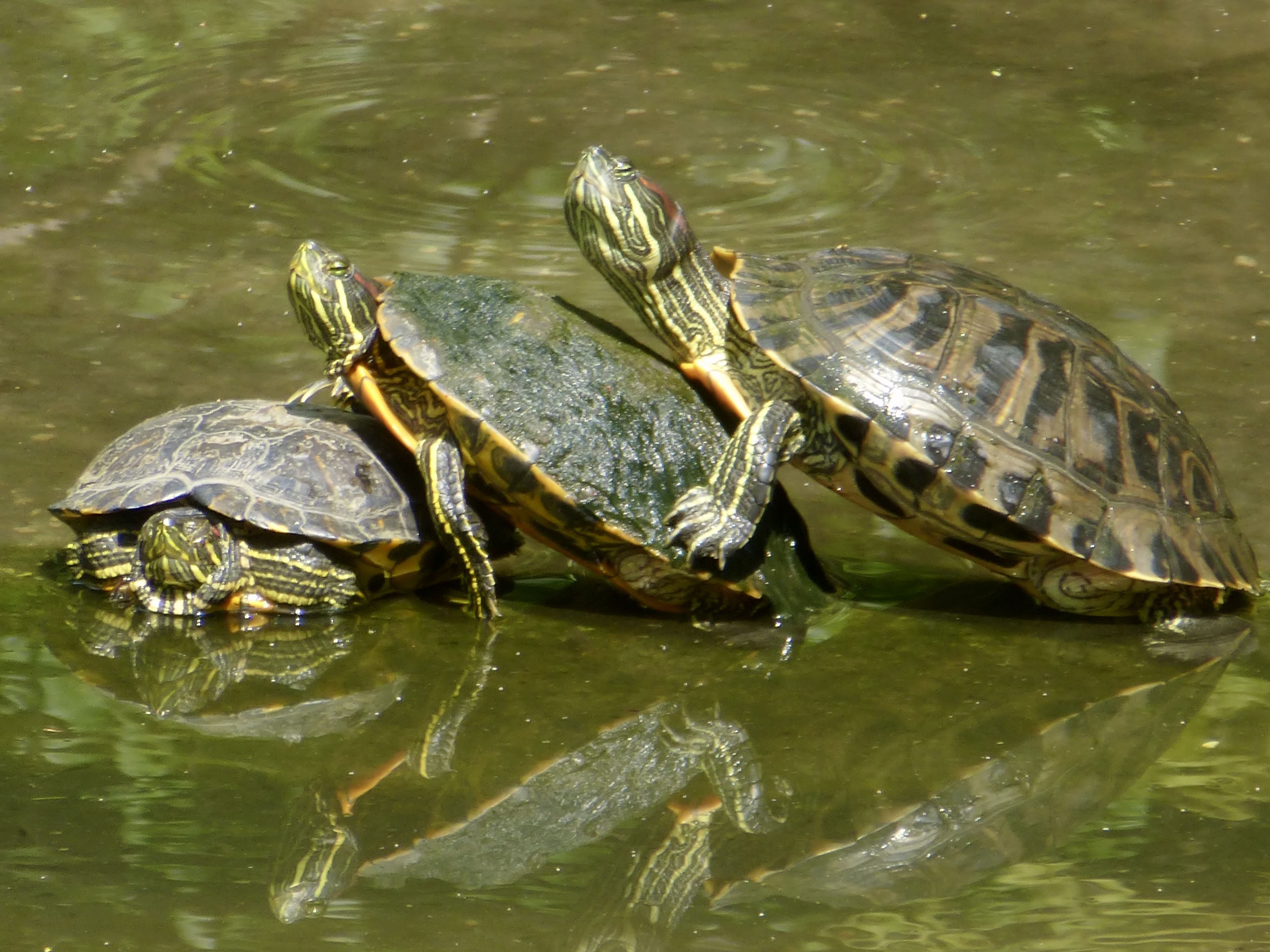
Microfauna (snails, microbes, worms, etc.) have been added to the pond as seeds to allow it to develop, and to provide food for turtles and ducks. I think they’ll put the turtles back next spring.
Let’s hope that all goes well and we get some nesting ducks in the spring!
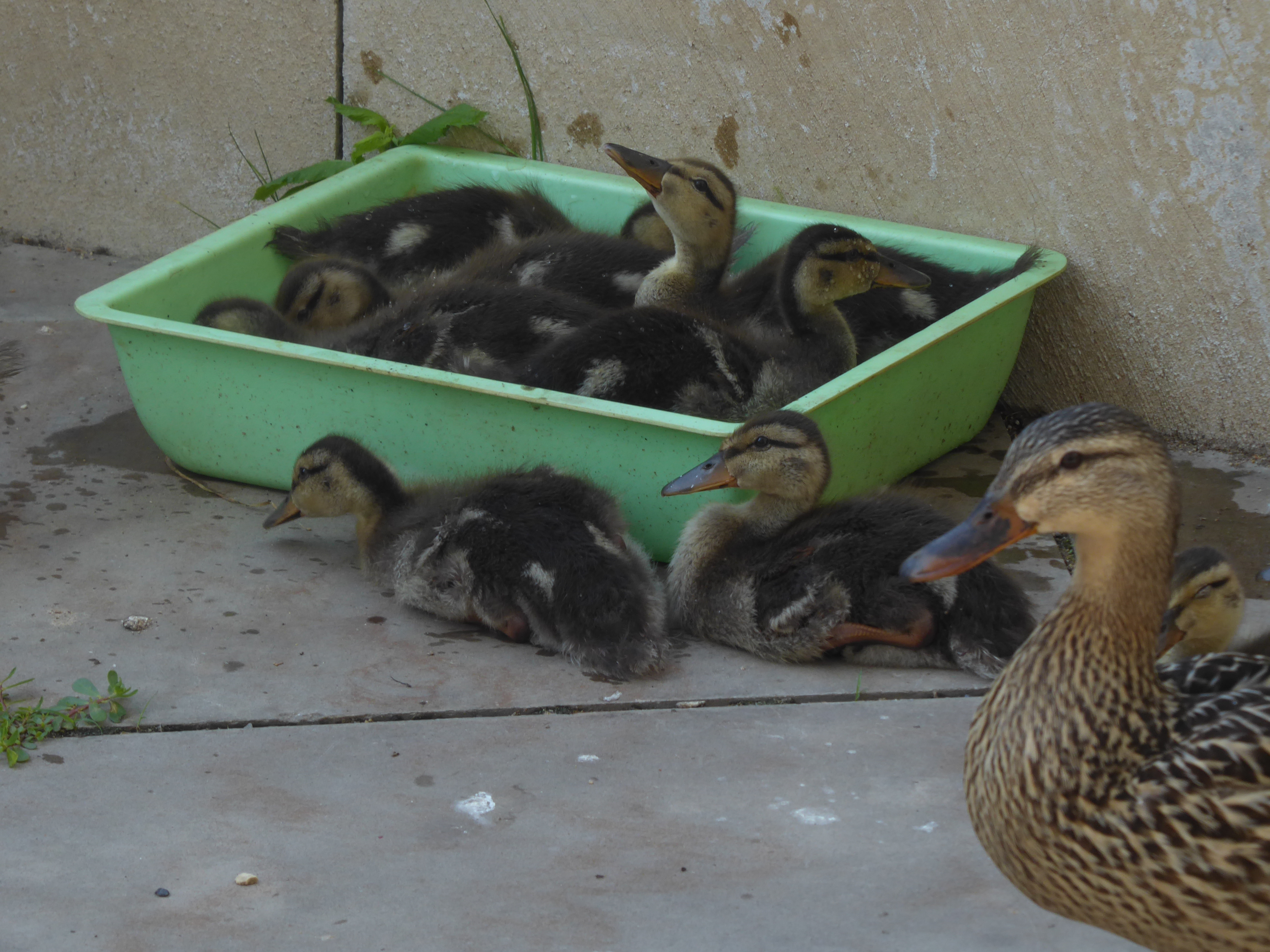
Finally, here’s a memoriam to Honey, who is surely in Duck Heaven by now. I had six years with this wonderful female, and she reared over thirty ducklings. Goodnight, sweet duck, wherever you are:


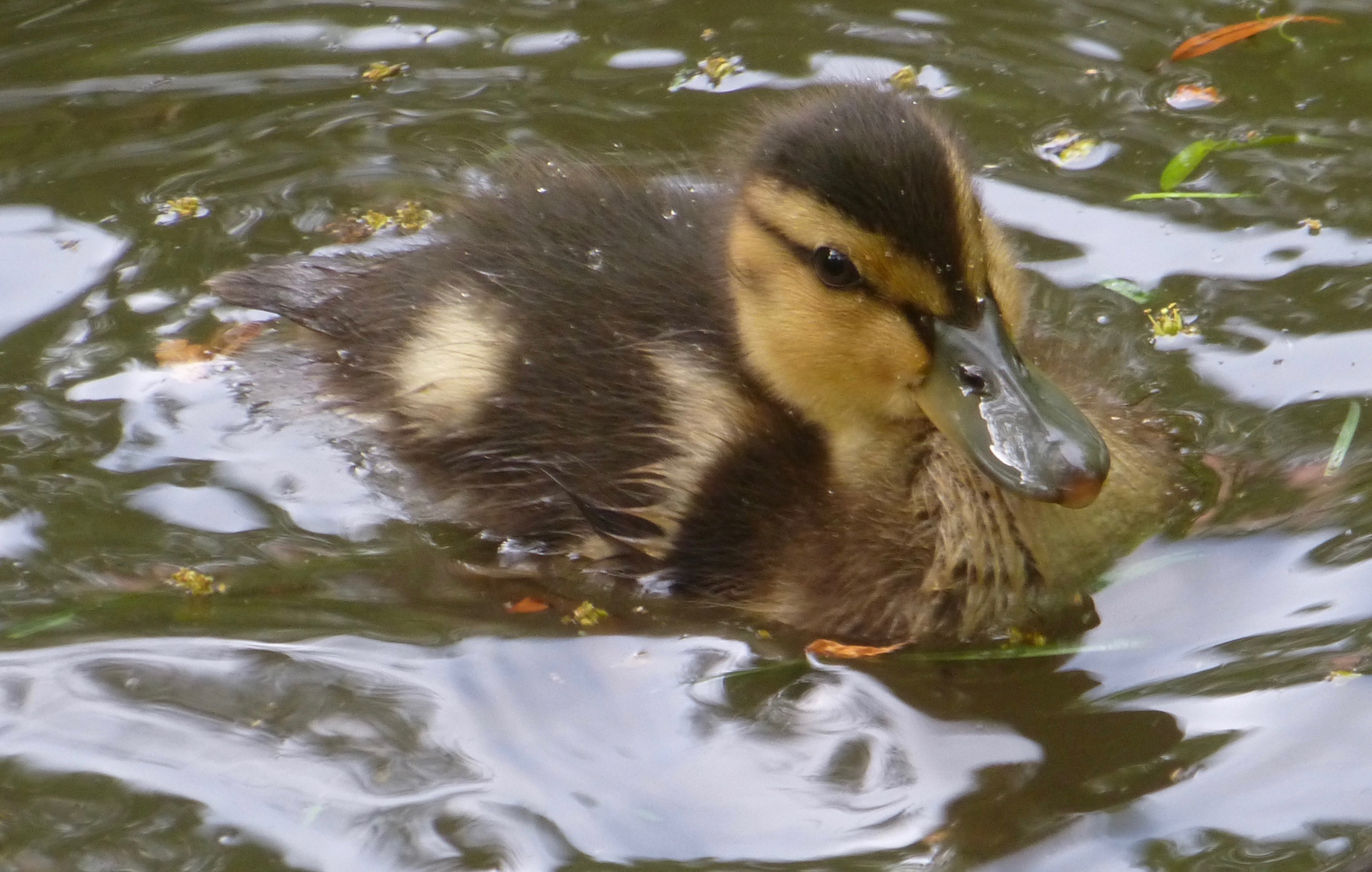
With her adolescent brood:

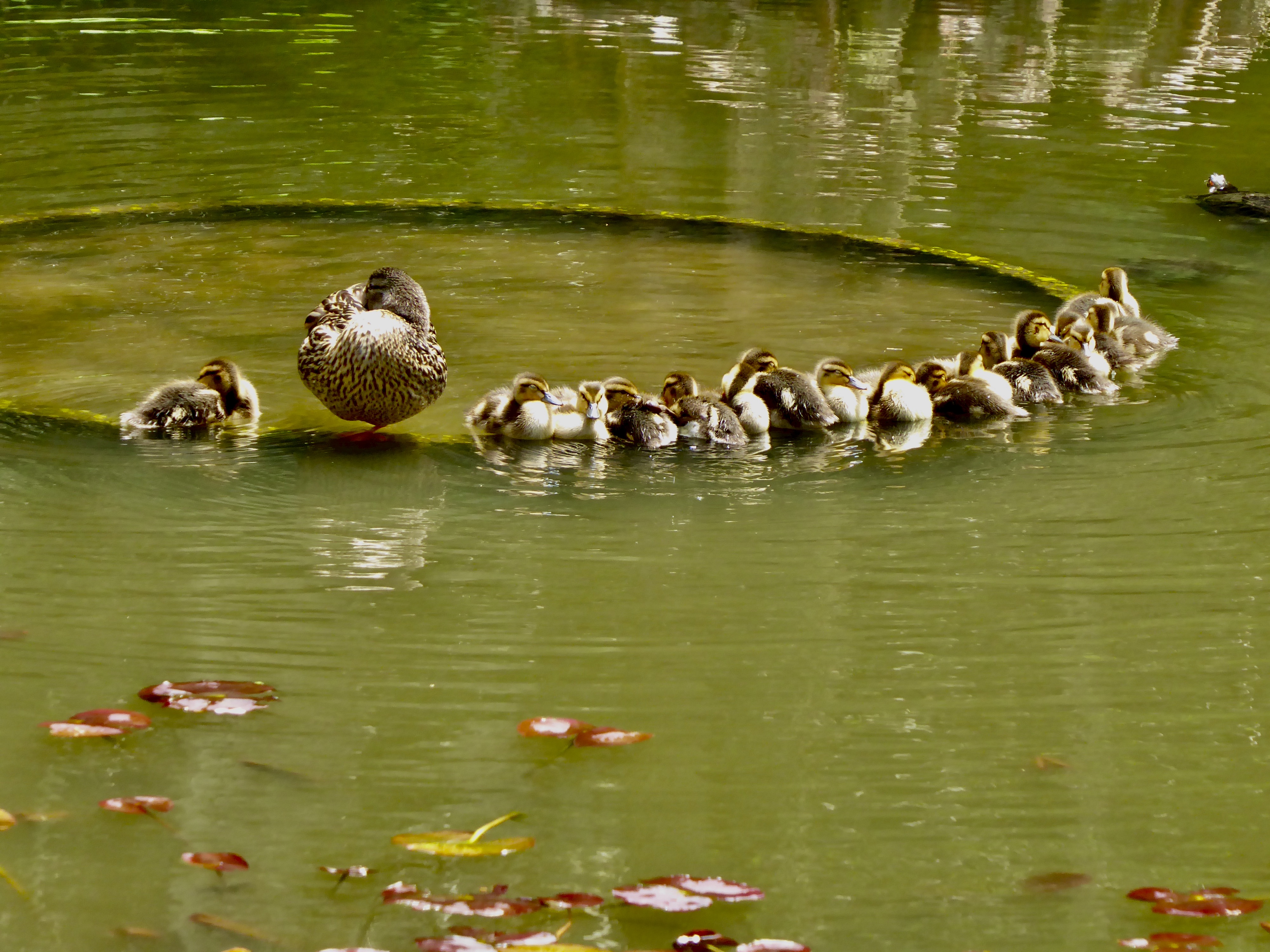
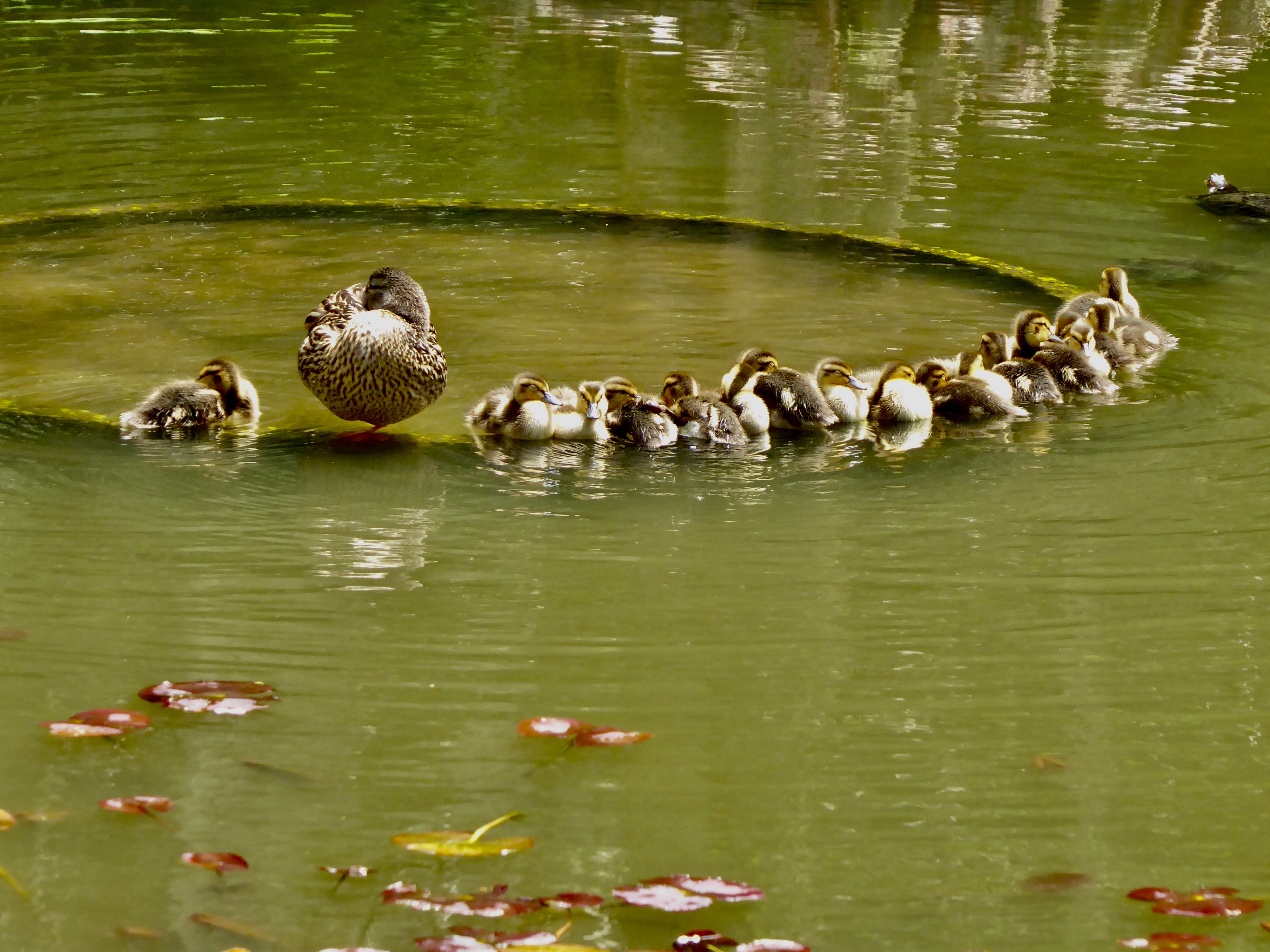
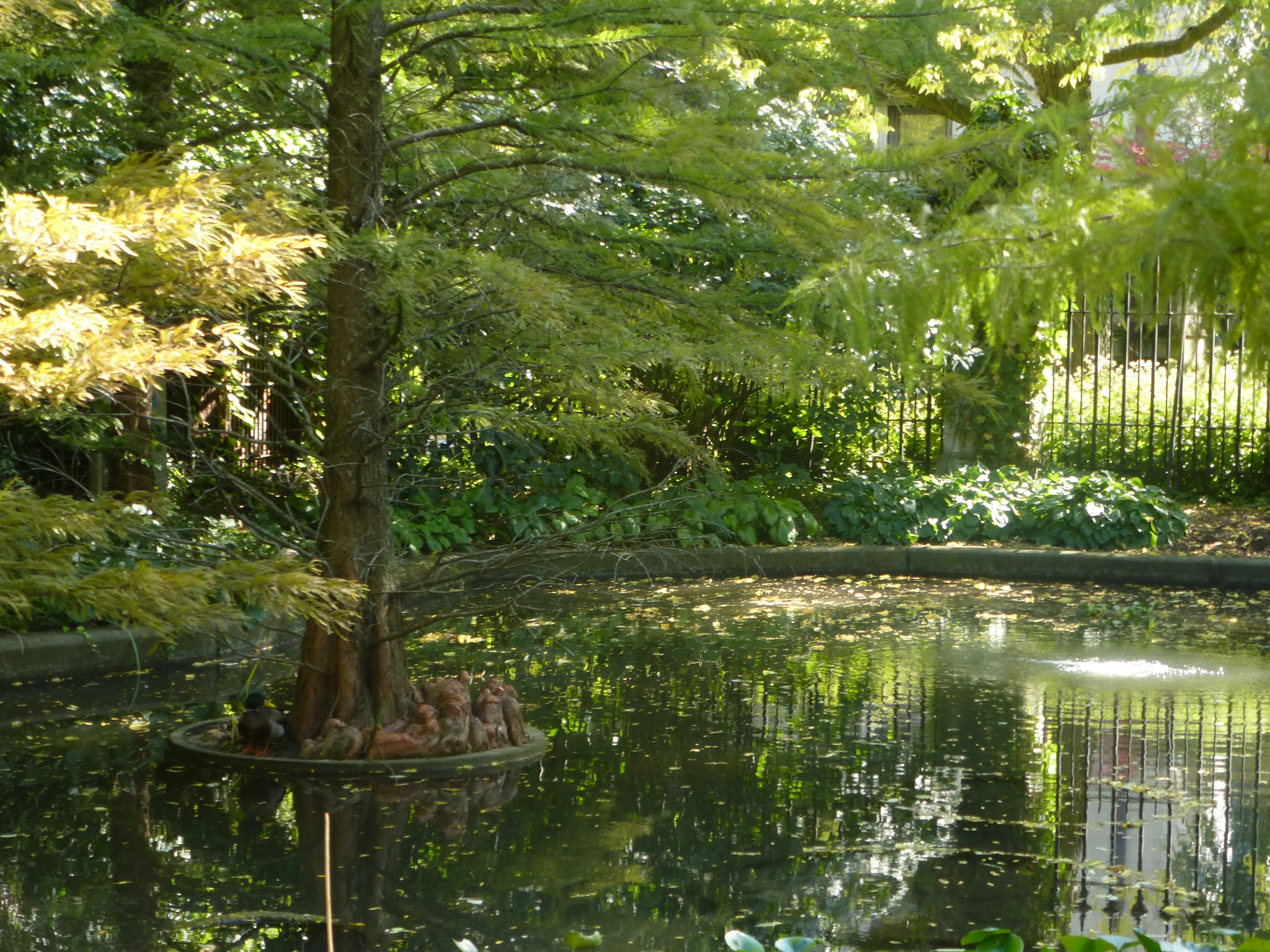
And the year she kidnapped Dorothy’s brood, winding up with 17 ducklings. All of them fledged! Here they are resting on the central ring, which is no longer there.