
Yep, three people sent photos during the weekend, and today we have the second batch, arthropod photos contributed by regular Mark Sturtevant. Mark’s captions and IDs are indented, and you can enlarge the photos by clicking on them.
Here are more pictures that were taken two summers ago. A surprise development here and in the next few posts is that I did a lot of traveling that summer, and of course the cameras came with me.
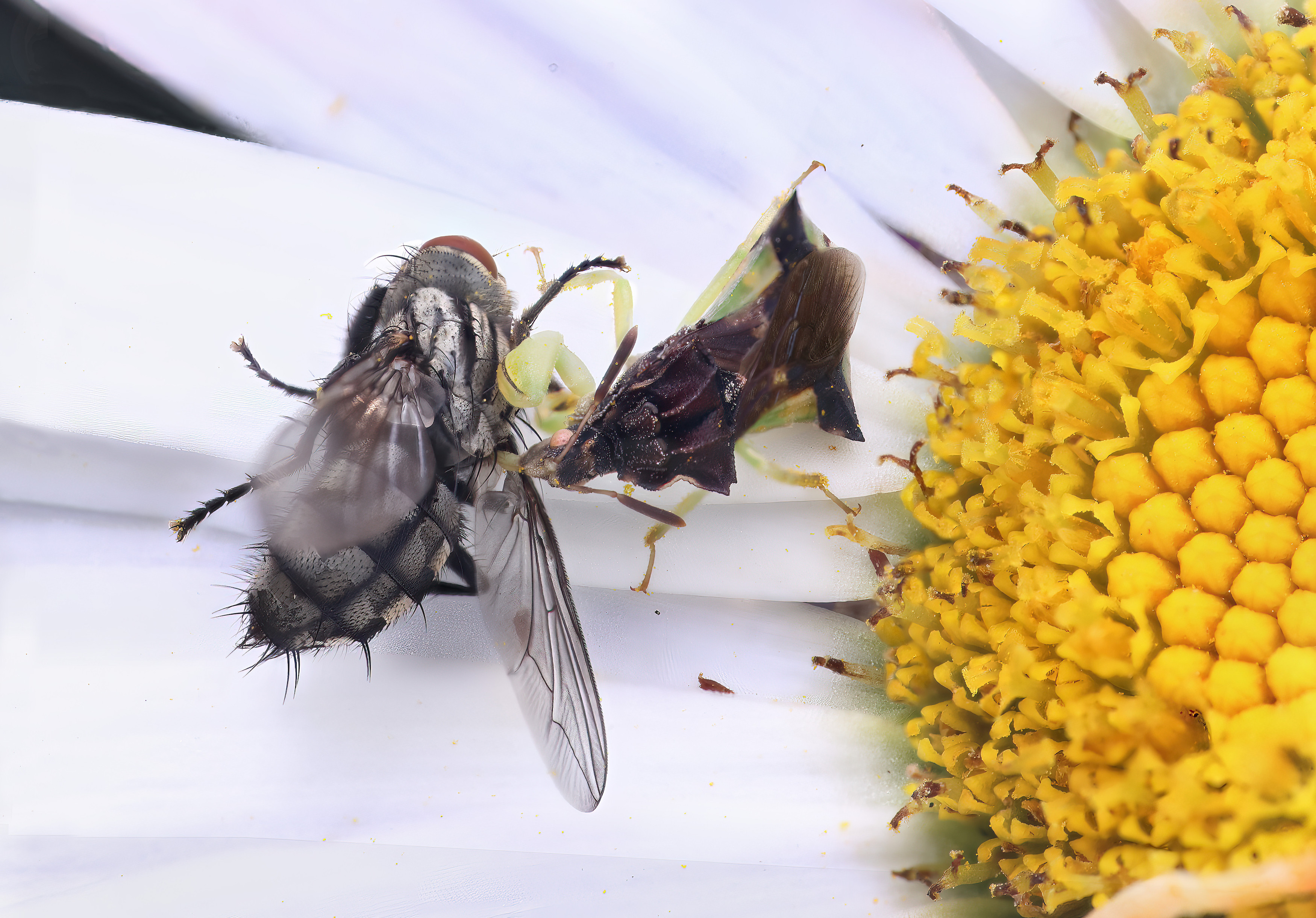
First, here are a few pictures from where I live: eastern Michigan. We start with a Jagged Ambush Bug (Phymata pennsylvanica). Ambush bugs are a specialized kind of assassin bug that sits on flowers in order to catch pollinating insects. Their prey can include insects that are far larger than they are. I was surprised to recently learn that there is a second species in my area, called P. americana (Tr*mp had nothing to do with that), but this one identifies as the first species:
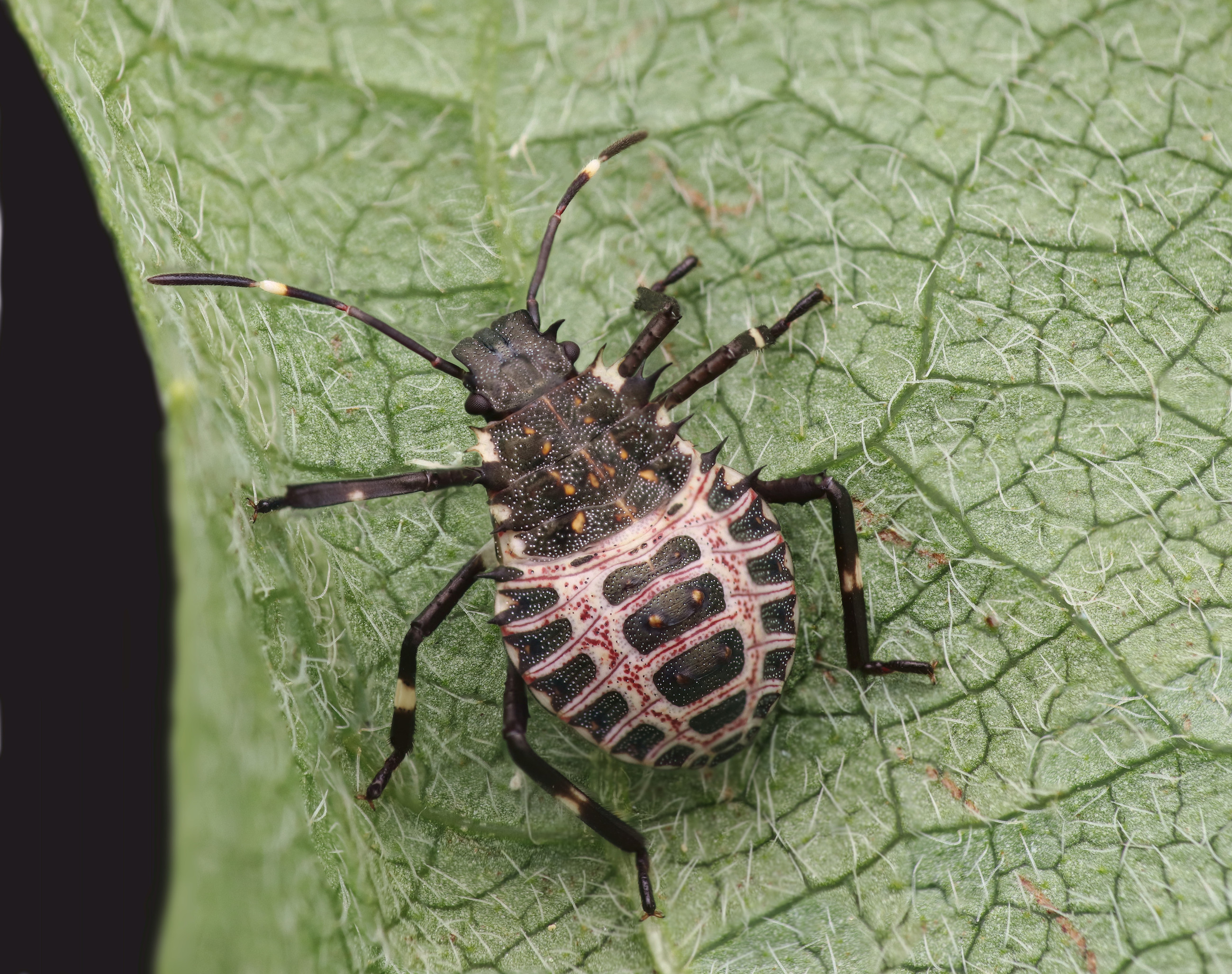
Next up is a nymph of the ubiquitous Marmorated Stink Bug (Halyomorpha halys). These introduced insects are NOT a favorite of anyone since they tend to gather on and inside peoples’ houses for the winter, but the nymphs change their appearance with every molt and this particular instar is simply adorable. I mean, c’mon, this little guy reminds me of an awkward teenager trying to figure out if they should go for a punk rock look, with spikes and gold studs, or the glam rock look, with pink and white accents:
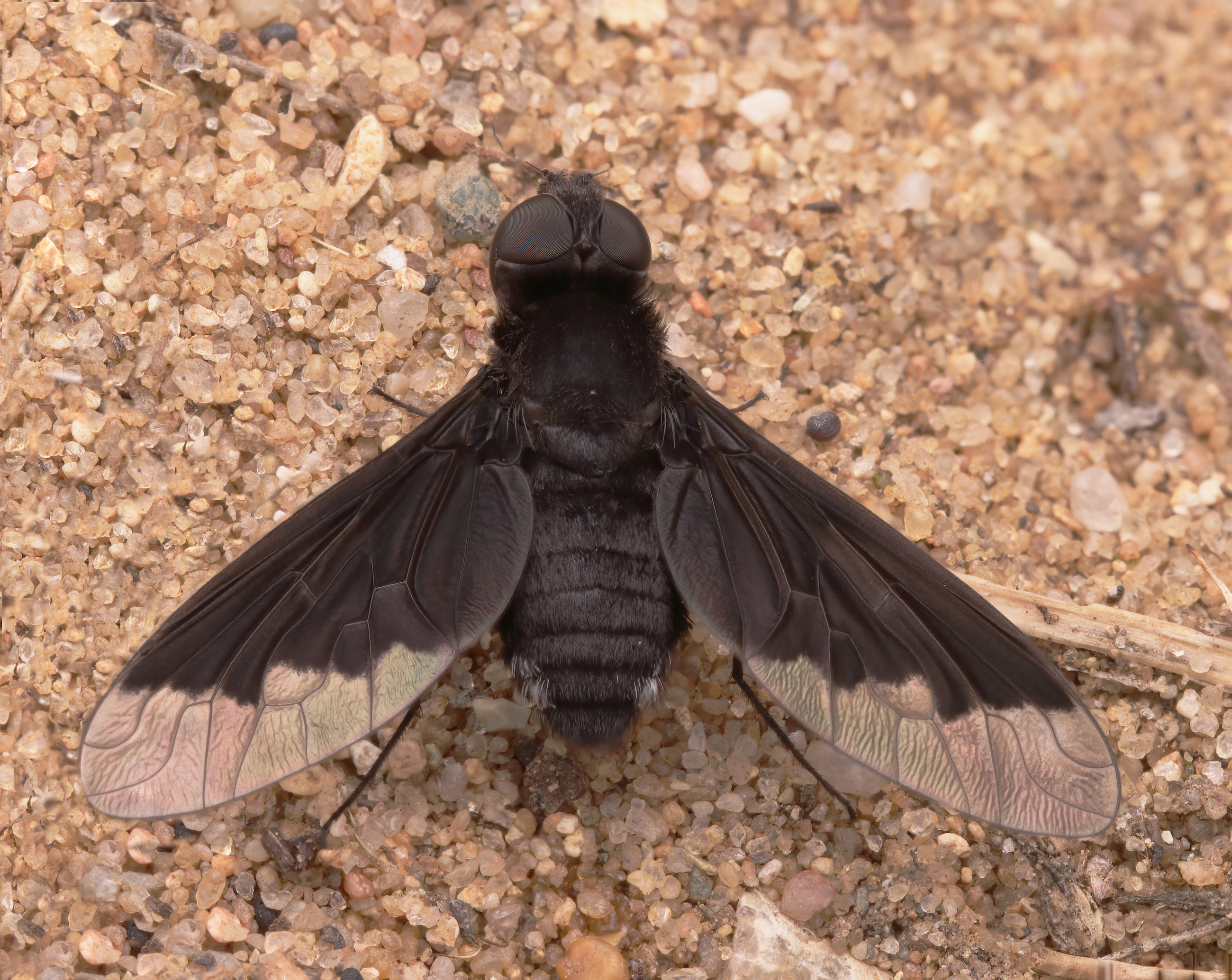
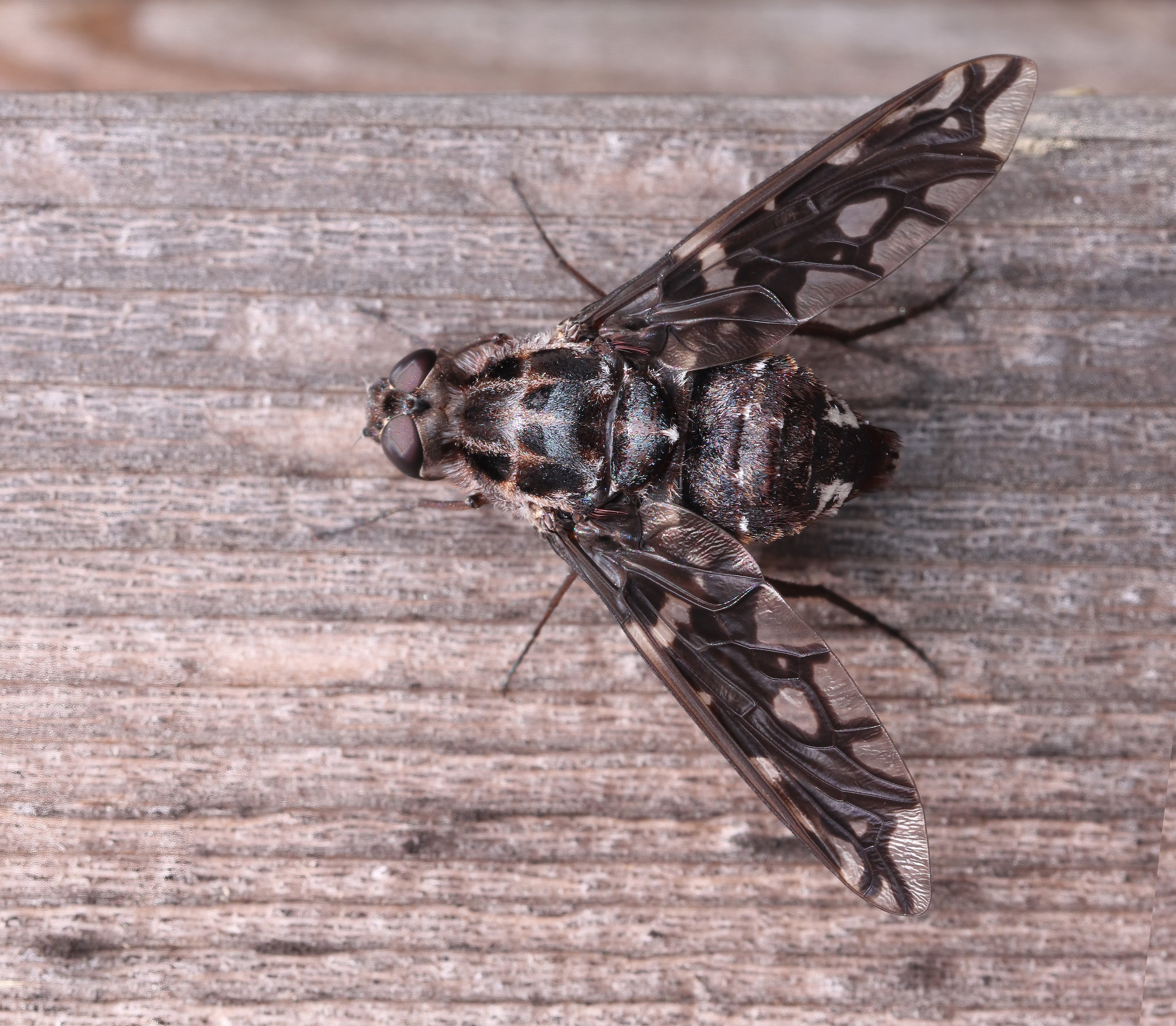
Bee flies are a family of flies that parasitize other insects. Here are two local species. The first is Anthrax georgicus,which parasitizes tiger beetles, and the second is our largest bee fly, the Tiger Bee Fly (Xenox tigrinus). They parasitize our large Eastern Carpenter Bees:
The next two pictures are of a Giant Swallowtail Butterfly (Papilio cresphontes), but they are also the result of early experiments of mine in the more artistic sides of photography. I have been experimenting with multiple exposure, intentional camera movement, and some other techniques. These are early attempts at what is called the Pep Ventosa technique. Pep Ventosa is an artist from Spain who uses what are called “blending modes” to combine pictures to yield a more impressionistic kind of picture. He does landscapes and architecture, and you can see examples of what he does from here. My efforts are laughable by comparison, but it is a start and they were fun to do!:


During that summer the entire family flew to Italy, and this was my first time in Europe! We had a great time where we mainly stayed with in-laws in Lucca, a gorgeous historic walled city, but we also stayed for a time in Venice, and had a day trip out to Florence. The sites and food were amazing, of course, but what about the arthropods?? Well, of course Mark brought a stripped-down camera kit and spent a lot of time exploring local parks and botanical gardens.
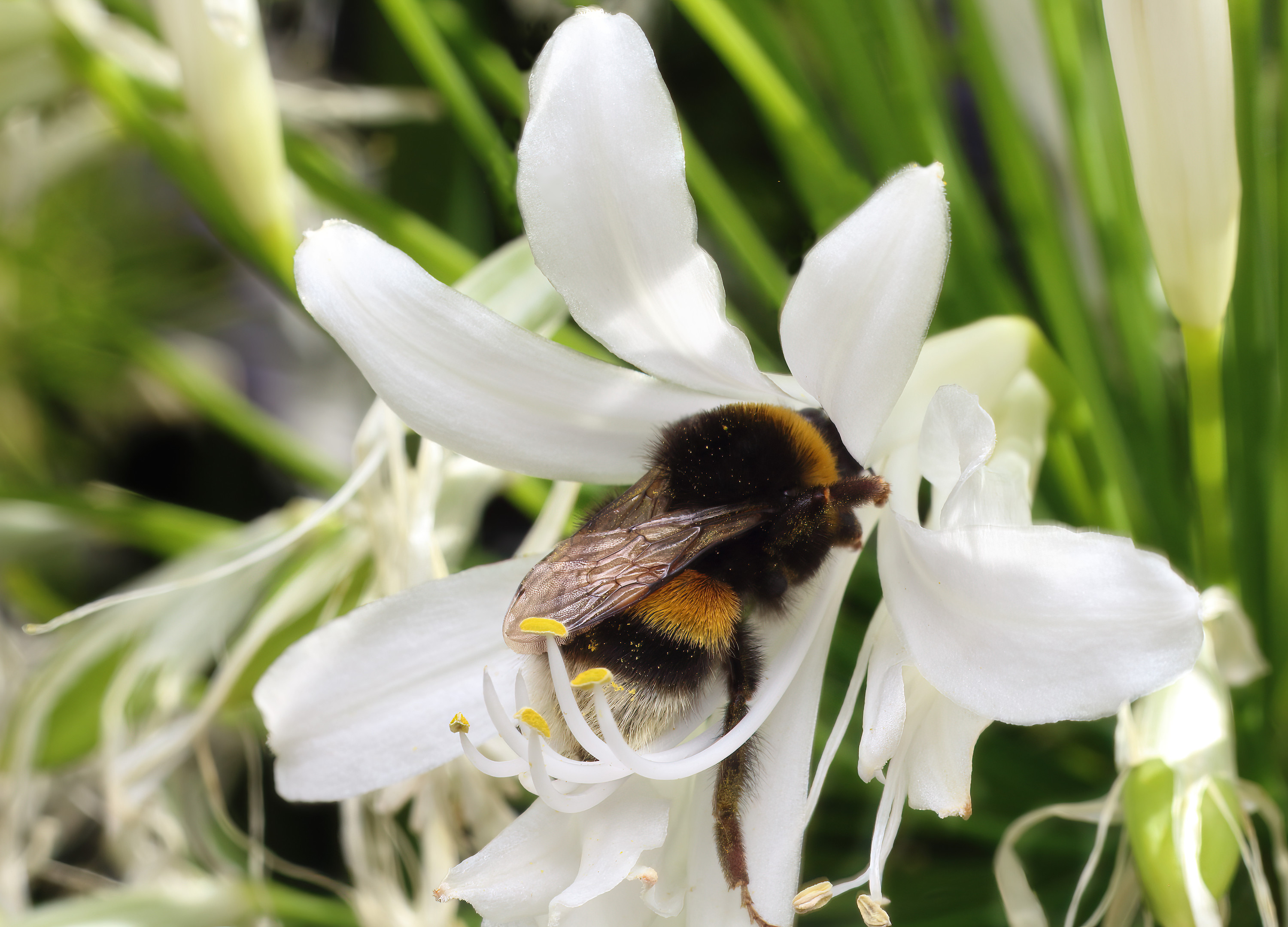
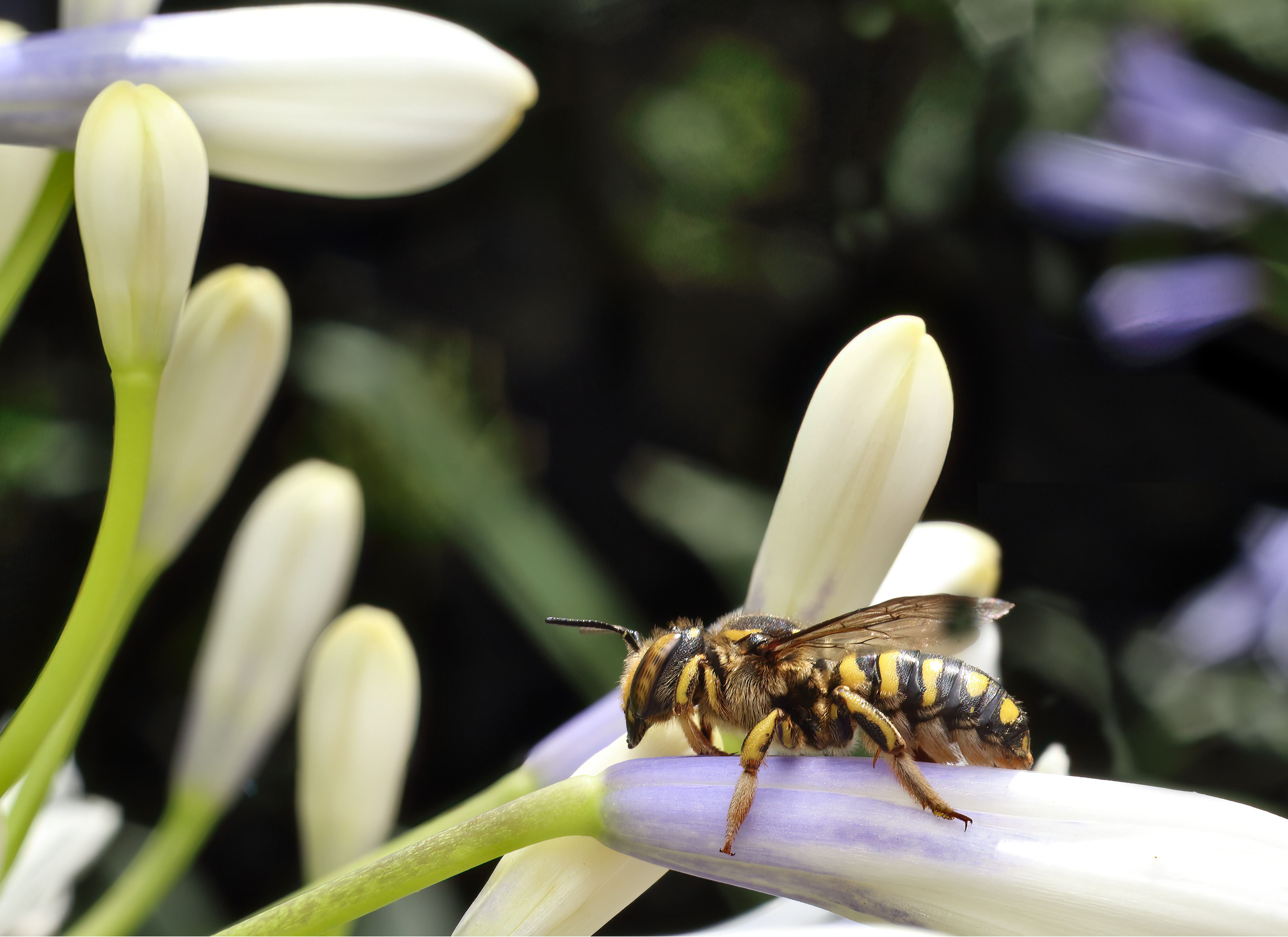
First up are bees. Here is a Buff-tailed Bumble Bee, Bombus terrestris, followed by one of the Woolcarder Bees, Anthidium sp. The latter are a solitary species, and they are so-named because females gather hairs from fuzzy plants to line their nests:
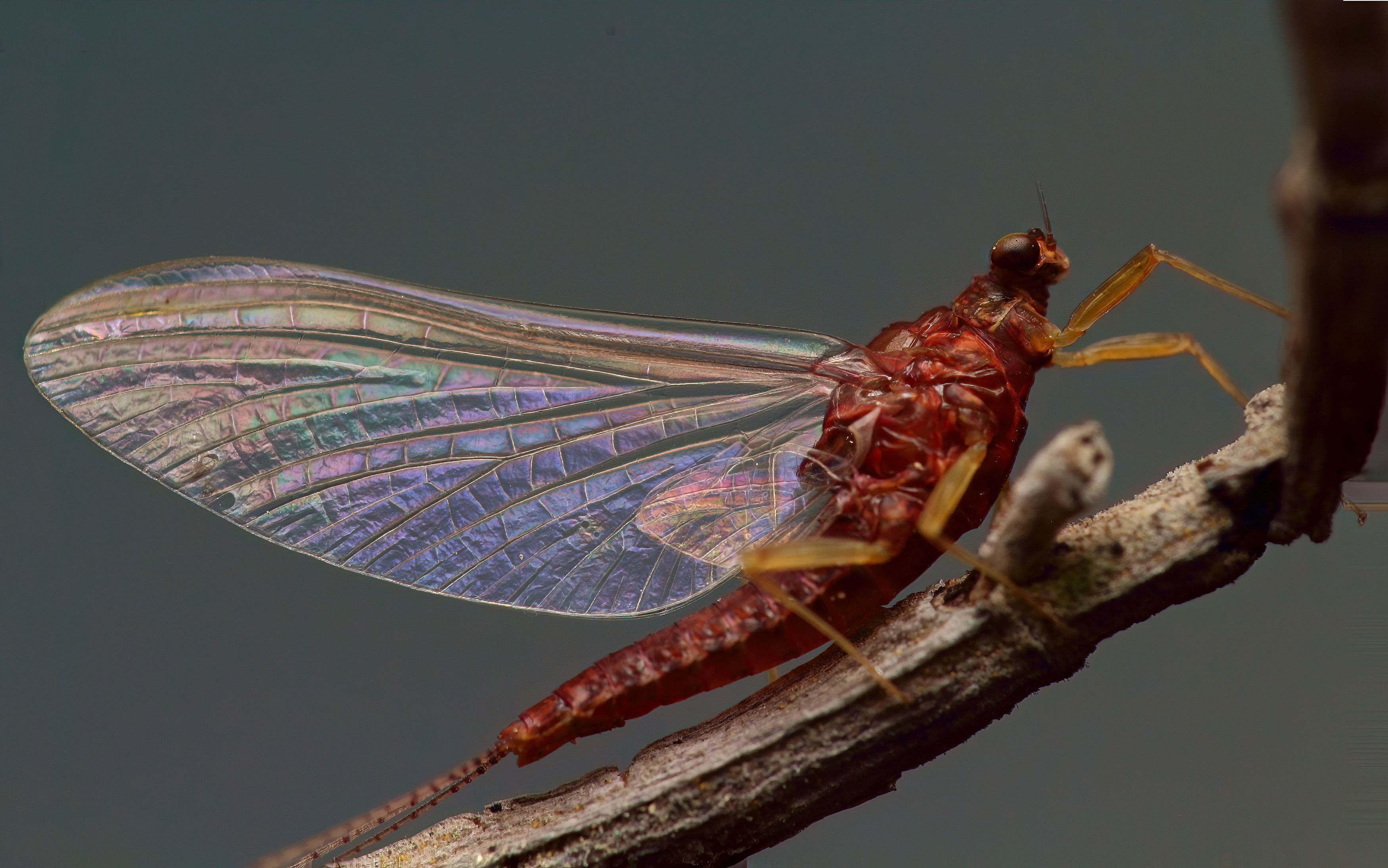
Next up is an unidentified mayfly (Ephemeroptera), but I like how the jury-rigged diffuser on the flash gave an iridescent look to the wings:
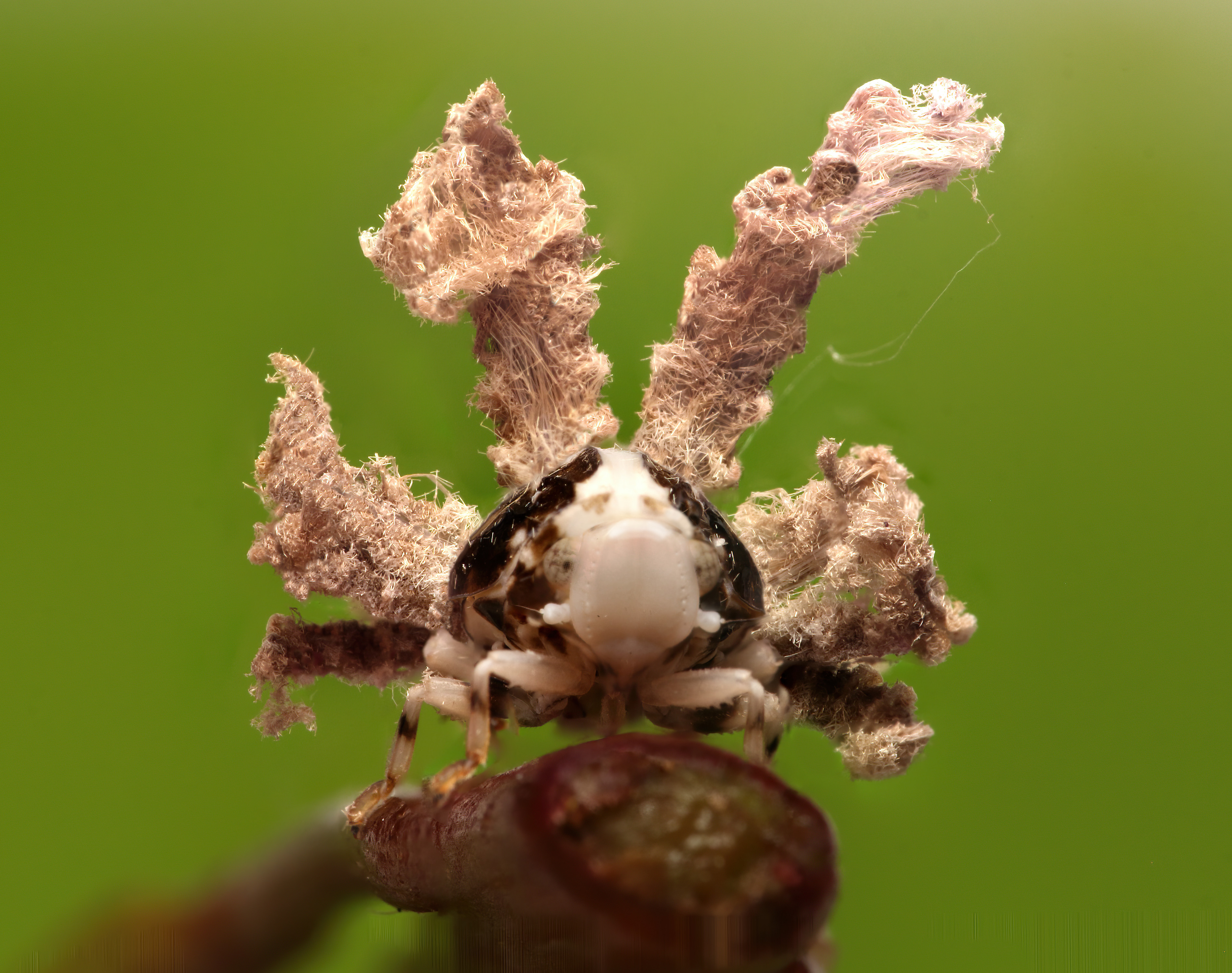
The last insect here is a weird little planthopper nymph called the Black planthopper, Ricania speculum. The waxy ornaments on its rear are a deterrent that many planthopper nymphs do to ward off exploratory bites from predators. I had learned that this species was introduced from Asia, and that it’s an economic pest. I was sorry to not see an adult, though, since they look really interesting, but you can see that in the link:
Moving on to Italian spiders, here is a Cucumber Spider, Araniella sp. Much like a related species that I often see here, they typically build their small orb web across the concave surface of a slightly curled tree leaf:

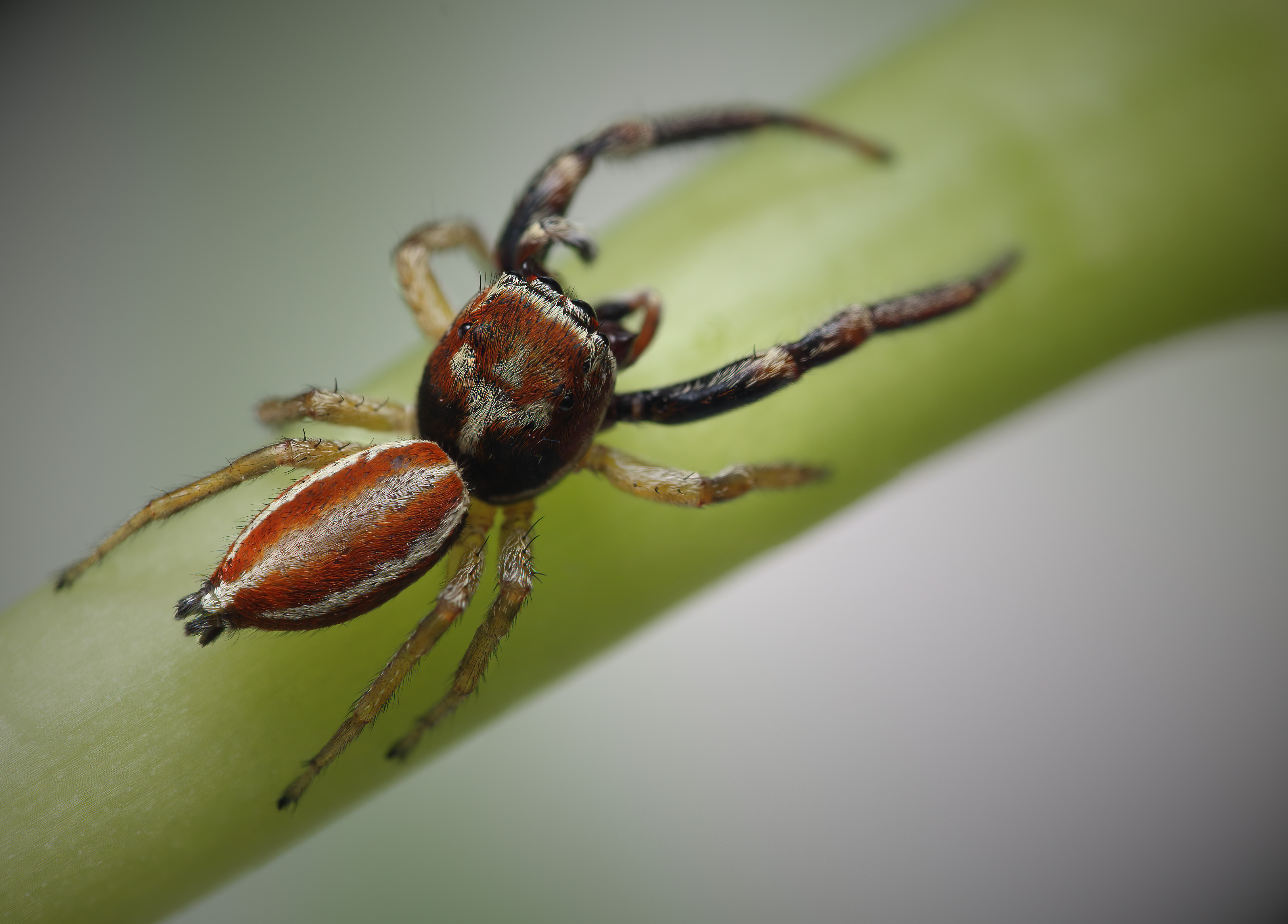
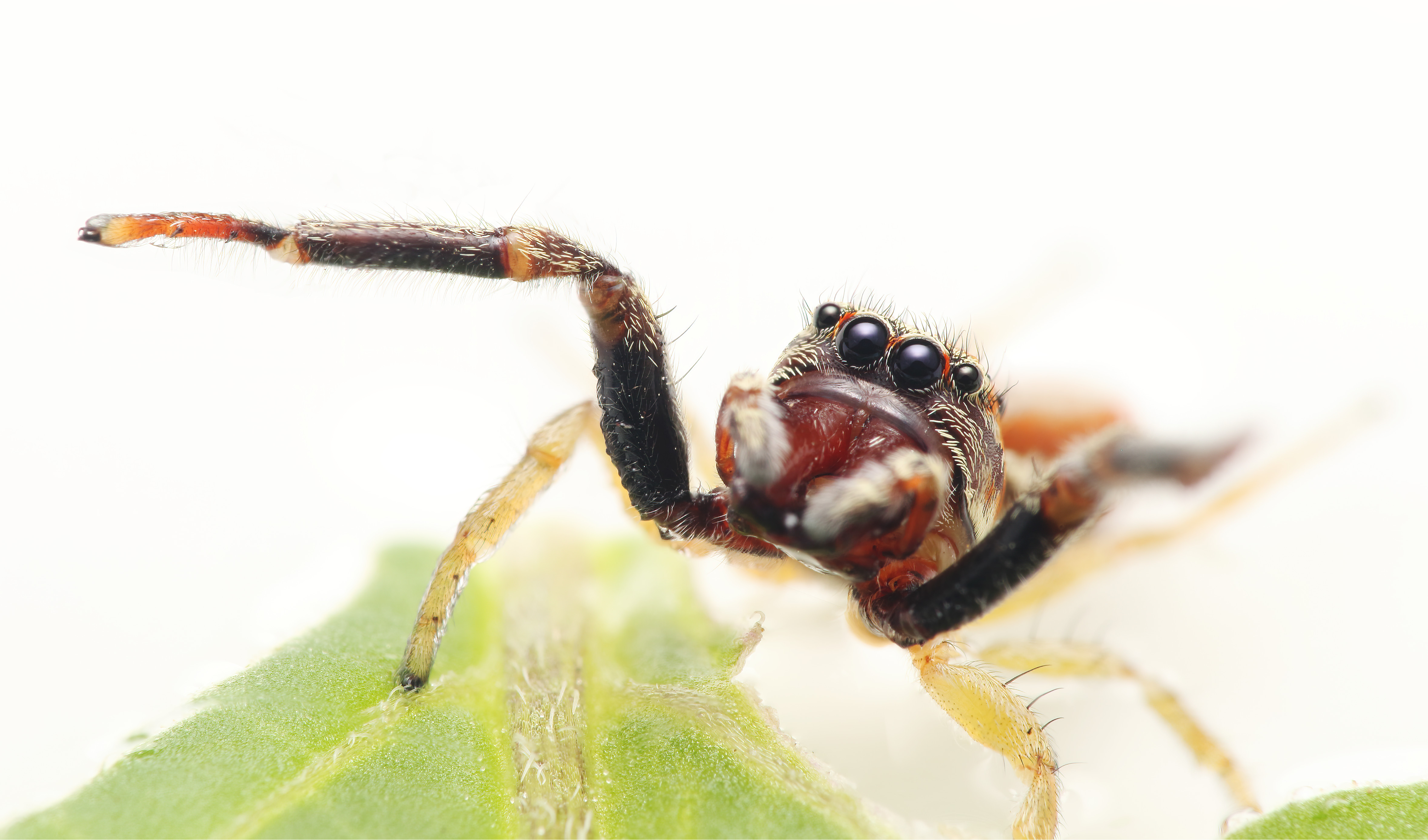
As ever, jumping spiders earned a lot of attention, and I found two species. First is a female Half-edged Wall Jumping Spider, Menemerus semilimbatus. Following that is this really cool Hooked Striking Jumping Spider, Icius hamatus. This is clearly a male, and it will use its enlarged front legs and coloration during courtship displays:

Great photos!
Wonderful photos as usual, Mark!