
Reader Thomas sent some photos from a recent trip to Iceland. His captions and IDs are indented, and you can enlarge the photos by clicking on them. Be sure to see the spectacular ducks, especially the King Eider! (And don’t miss the horned grebe and the fluffy-tailed Arctic fox.)
I took these photos with my Sony RX10 IV on vacation in Iceland in May/June this year. A truly beautiful country with many bird species that are hard or impossible to see back home in Europe, especially up close, in large numbers and in breeding plumage:
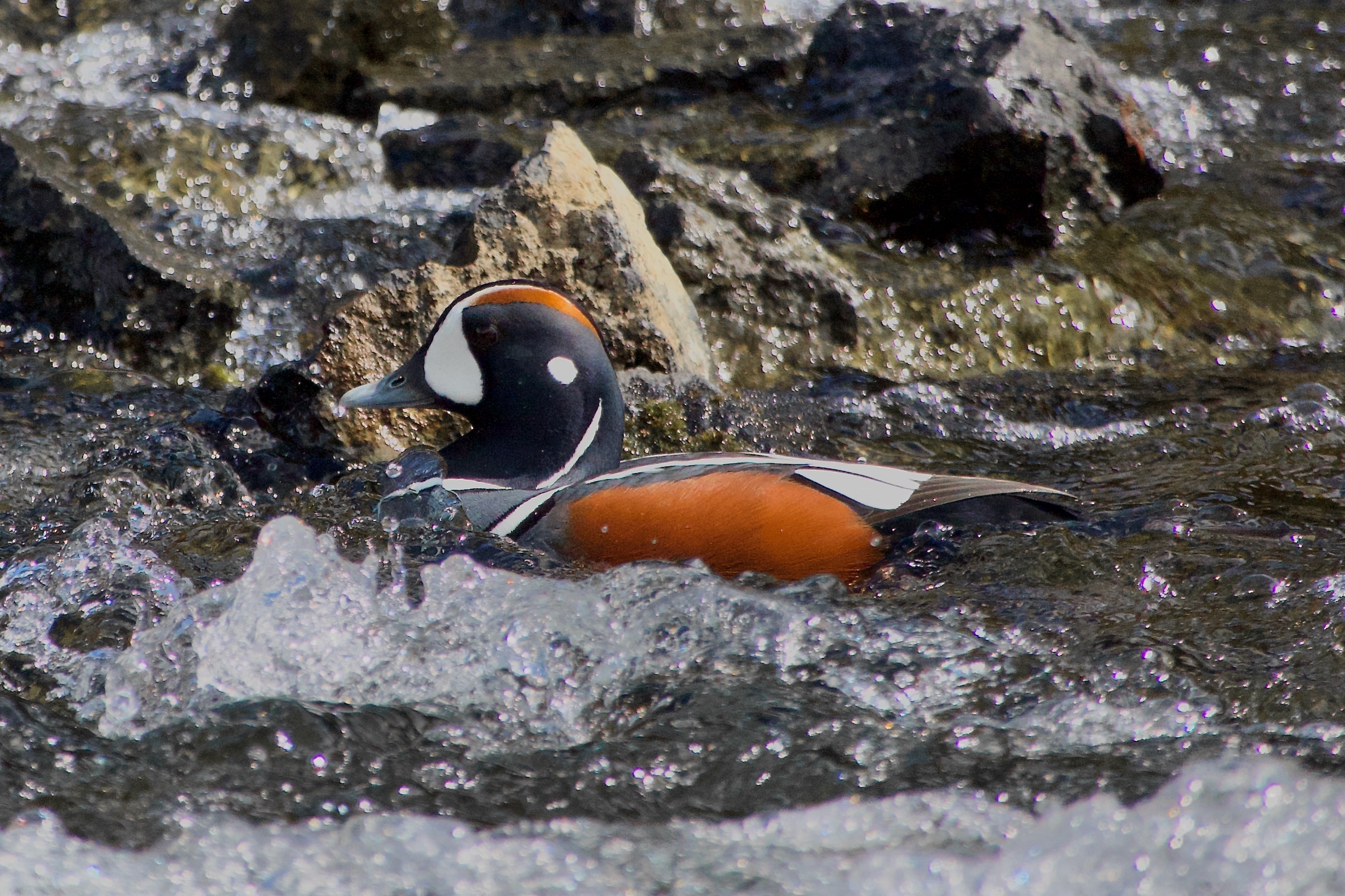
This male Harlequin duck (Histrionicus histrionicus) is an expert in foraging in fast-flowing, rocky streams:
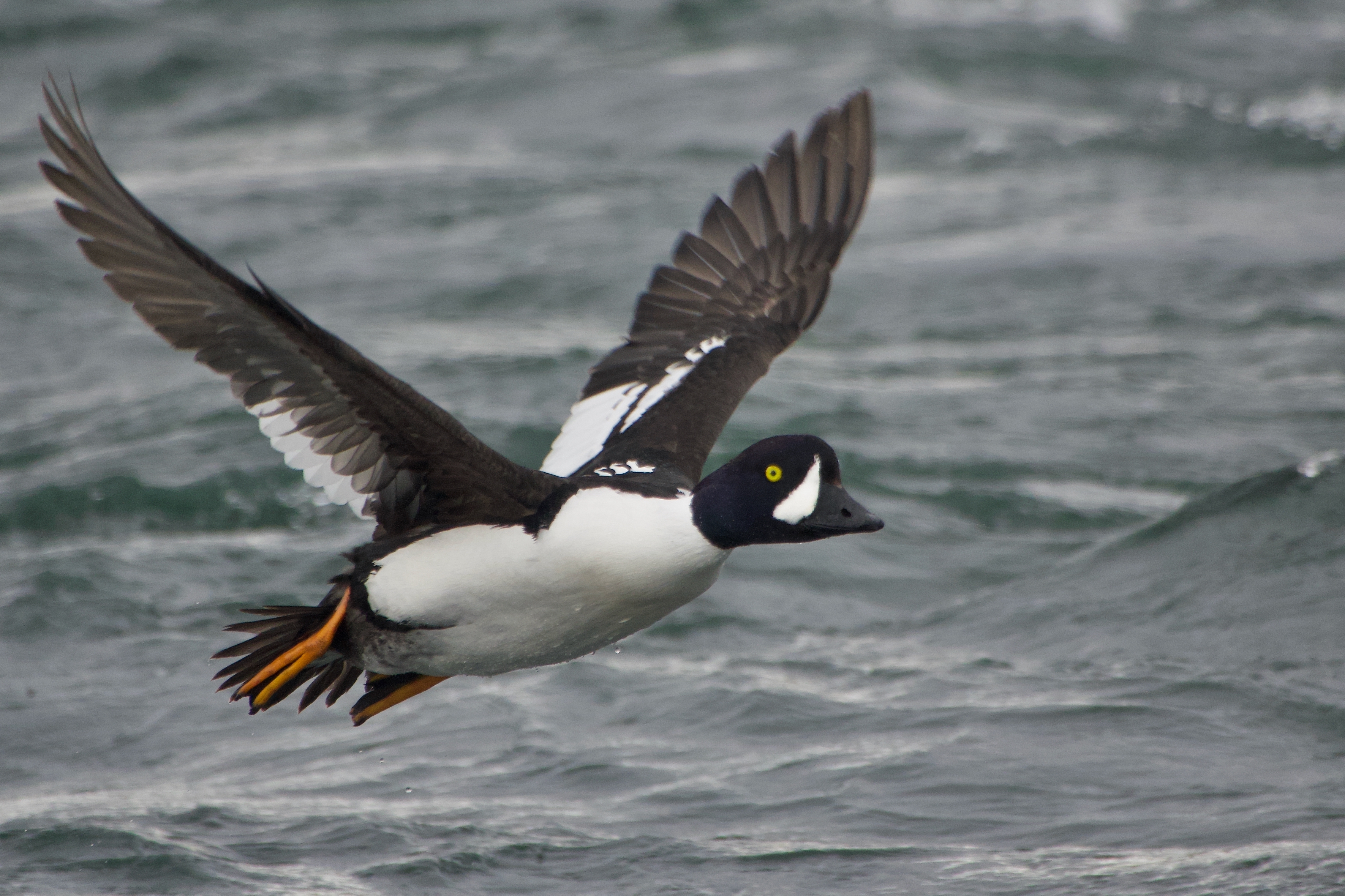
Male Barrow’s goldeneye (Bucephala islandica). It also favors fast-flowing streams, though seemingly slightly calmer ones than the Harlequin duck. Within Europe, these two duck species occur only in Iceland and are two of the three or four bird species that have colonized Iceland from America (rather than Europe):
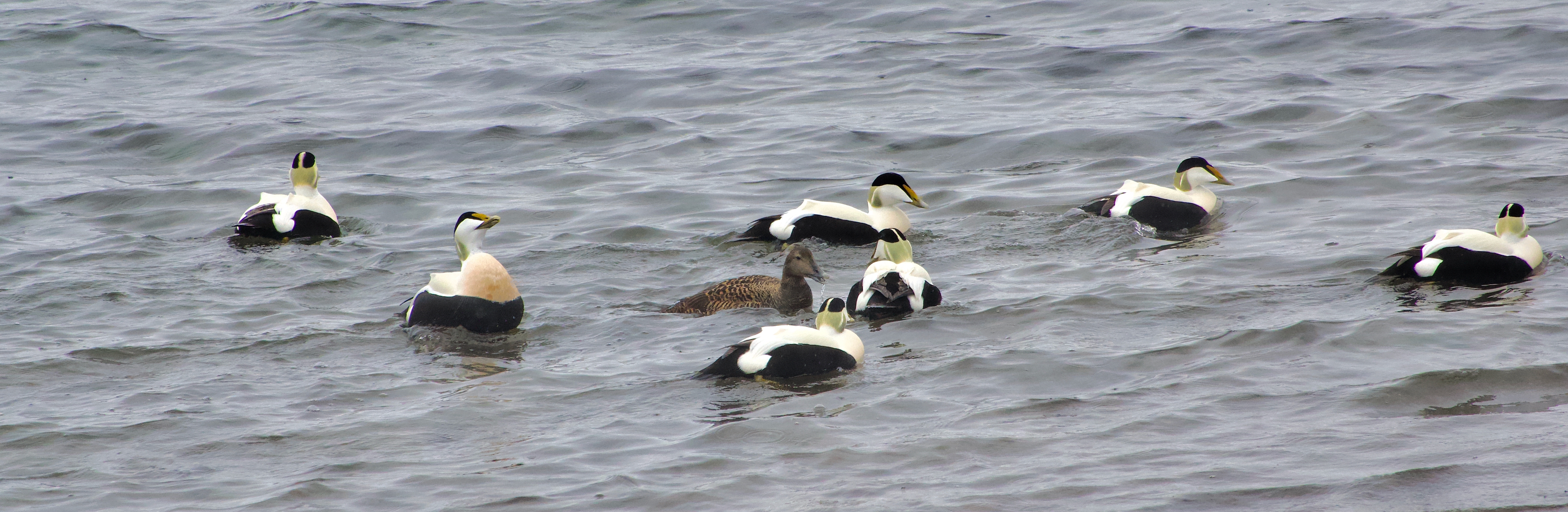
Seven male Common eiders (Somateria mollissima), and even more out of frame, hoping to curry favor with a single female. She seemed to want to be left alone, but that was not in the cards. The males followed her around, constantly making amusing ‘a-ooh-oh’ calls:
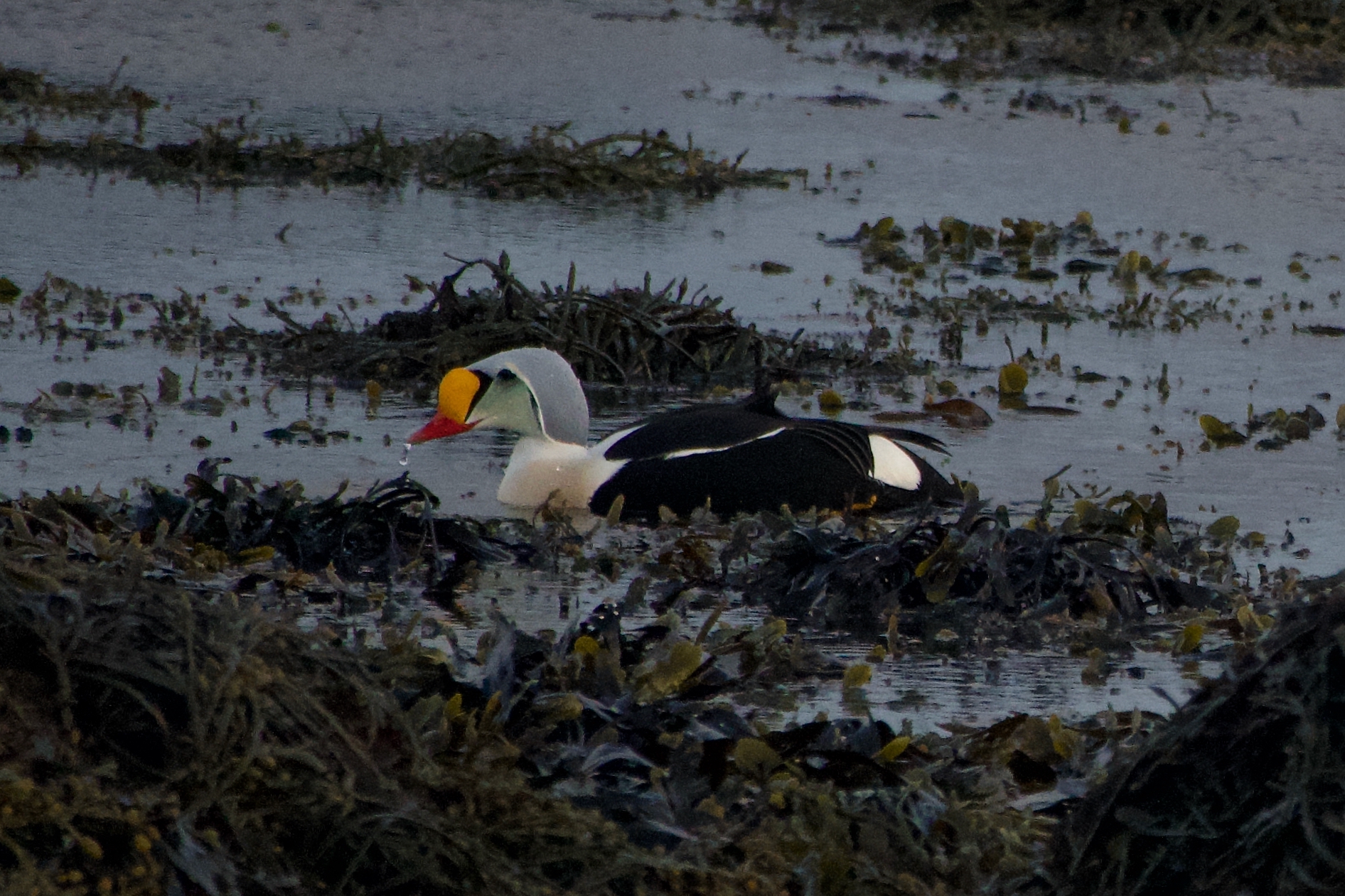
A spectacular male King eider (Somateria spectabilis). I believe it does not regularly breed on Iceland, but some of them hang around in the coastal areas, sometimes hybridizing with Common eiders (Somateria mollissima):
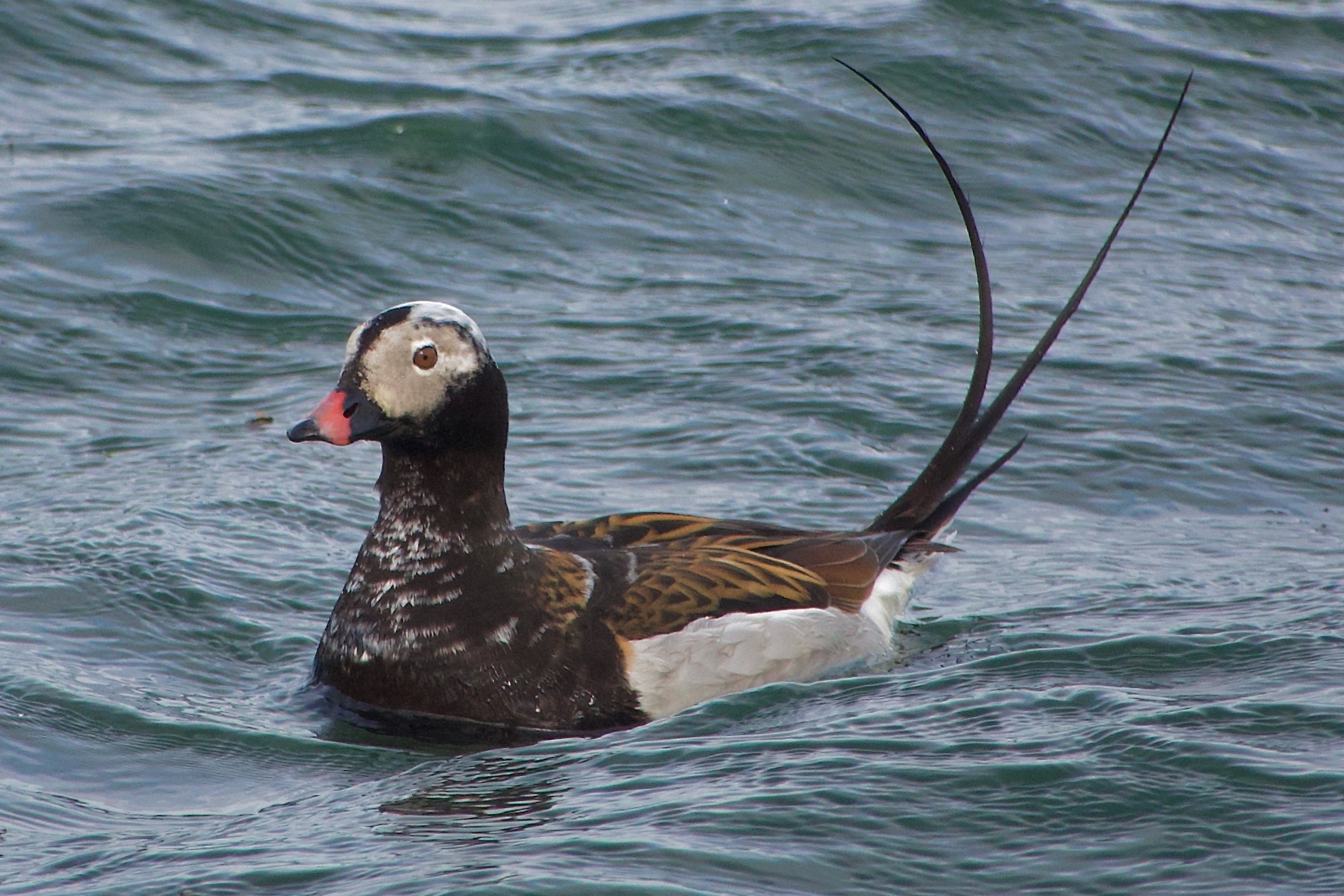
A male Long-tailed duck (Clangula hyemalis). Not quite in full breeding plumage as shown by the white on its breast and crown, but handsome nonetheless:
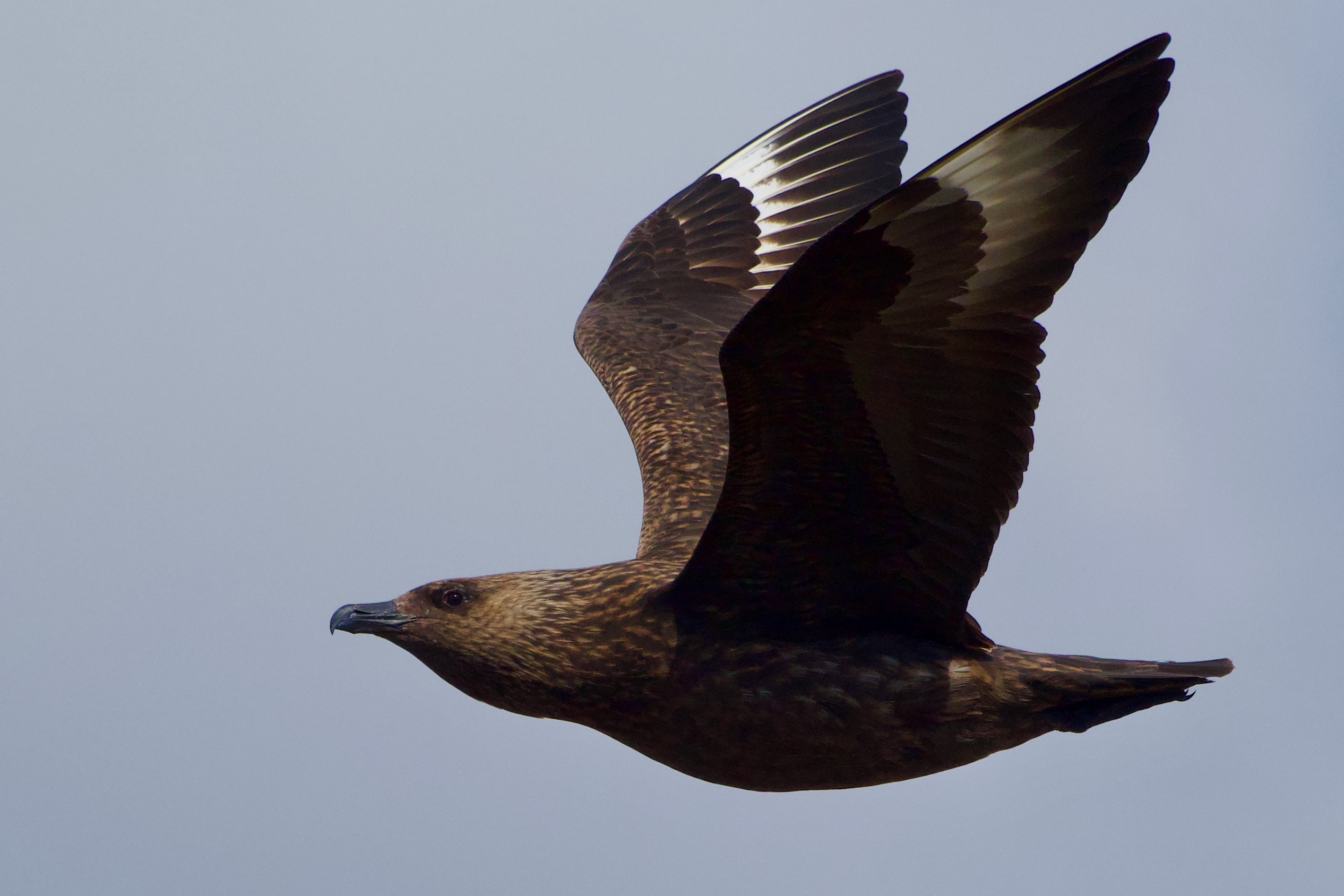
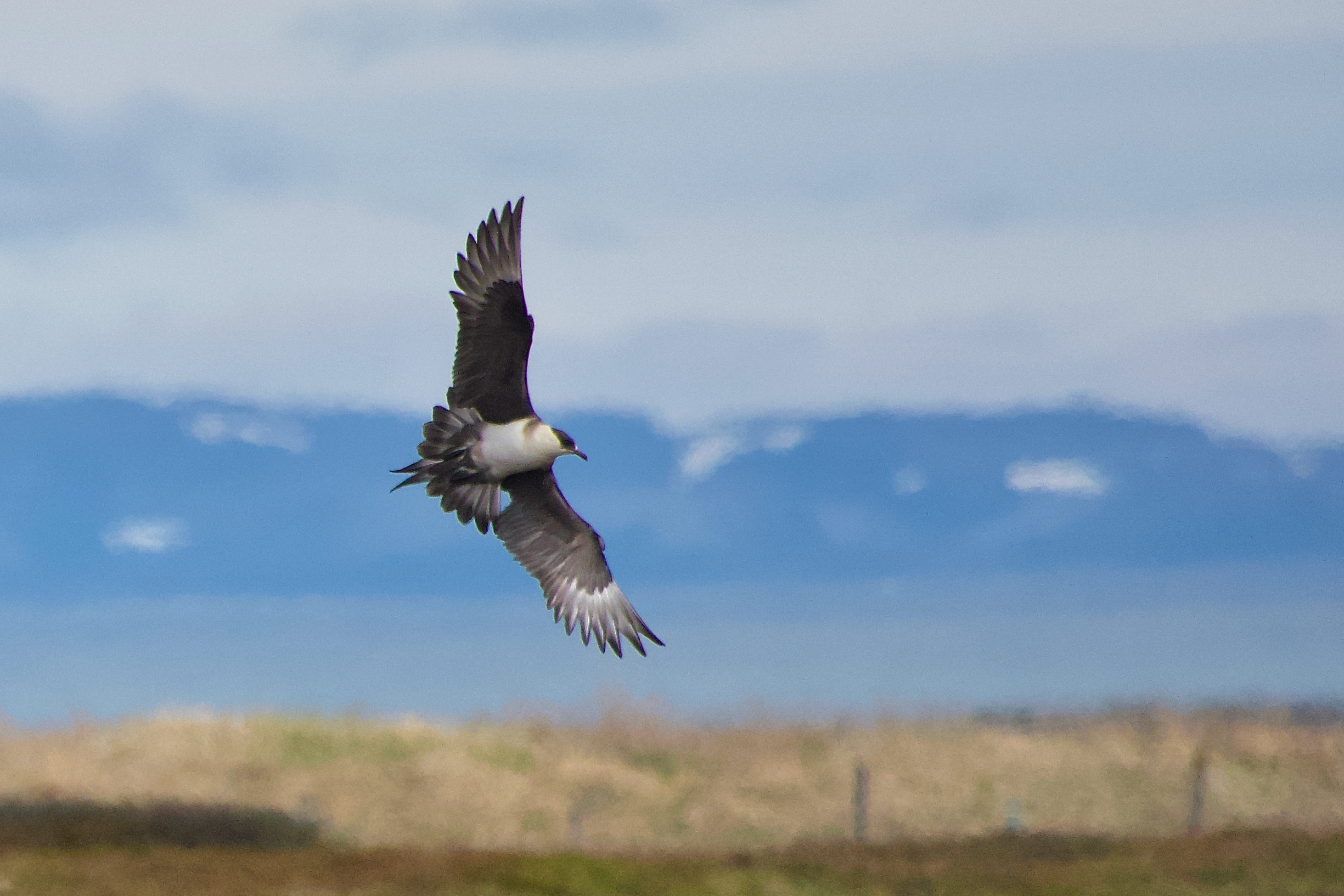
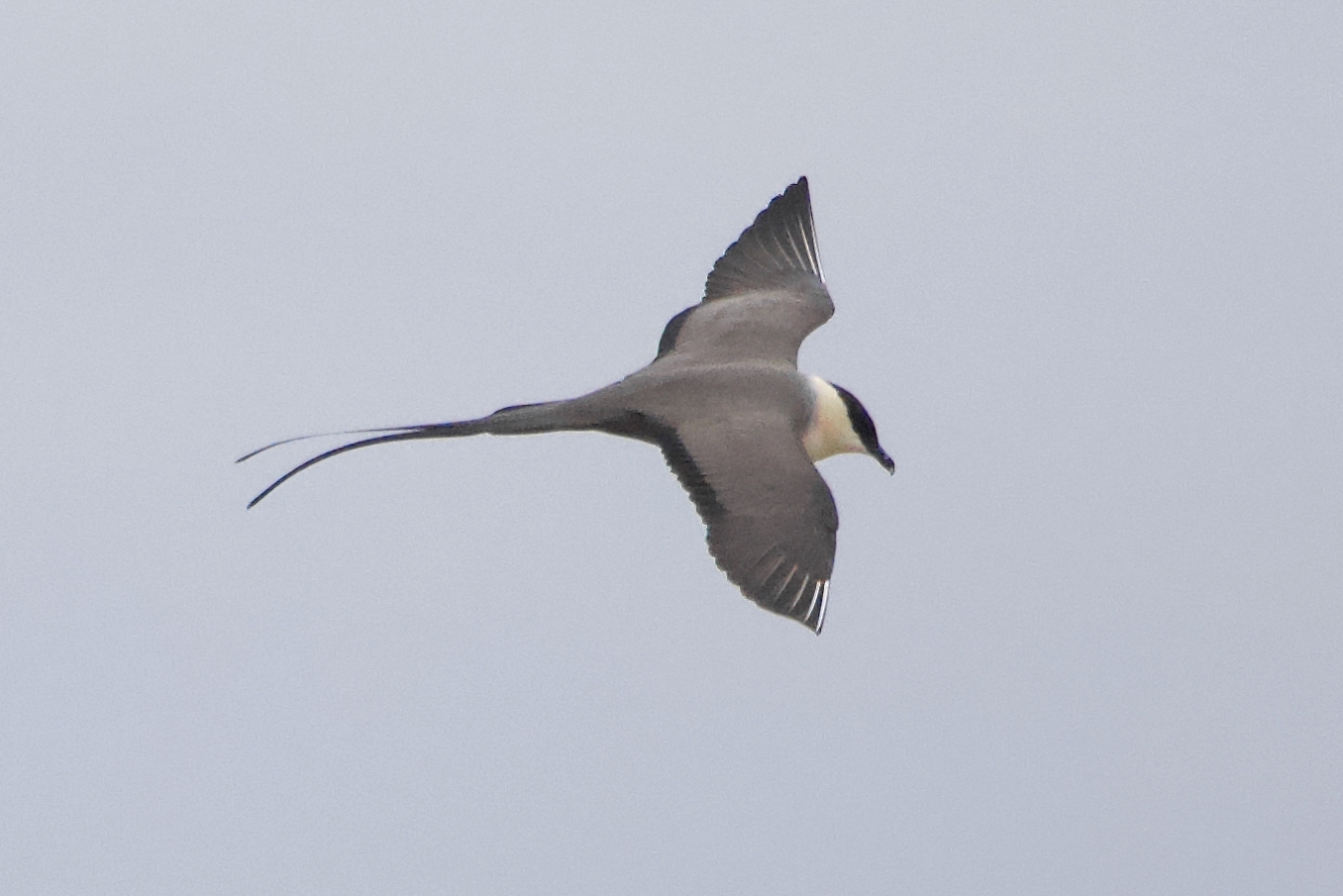
Next up the three species of jaeger (or skua) that breed on Iceland. In the order of the photos: Great skua (Stercorarius skua), Parasitic jaeger (Stercorarius parasiticus), and Long-tailed jaeger (Stercorarius longicaudus). I had never seen any of them before, so these were among the highlights of the trip. The Great skua and Parasitic jaeger behaved like a mix of a gull and a falcon. The Long-tailed jaeger on the other hand reminded me more of the Swallow-tailed kite (Elanoides forficatus) of the Americas, with its long, forked tail and elegant, relaxed wingbeats. They are rare breeders in Iceland, which made finding and observing them all the more rewarding:
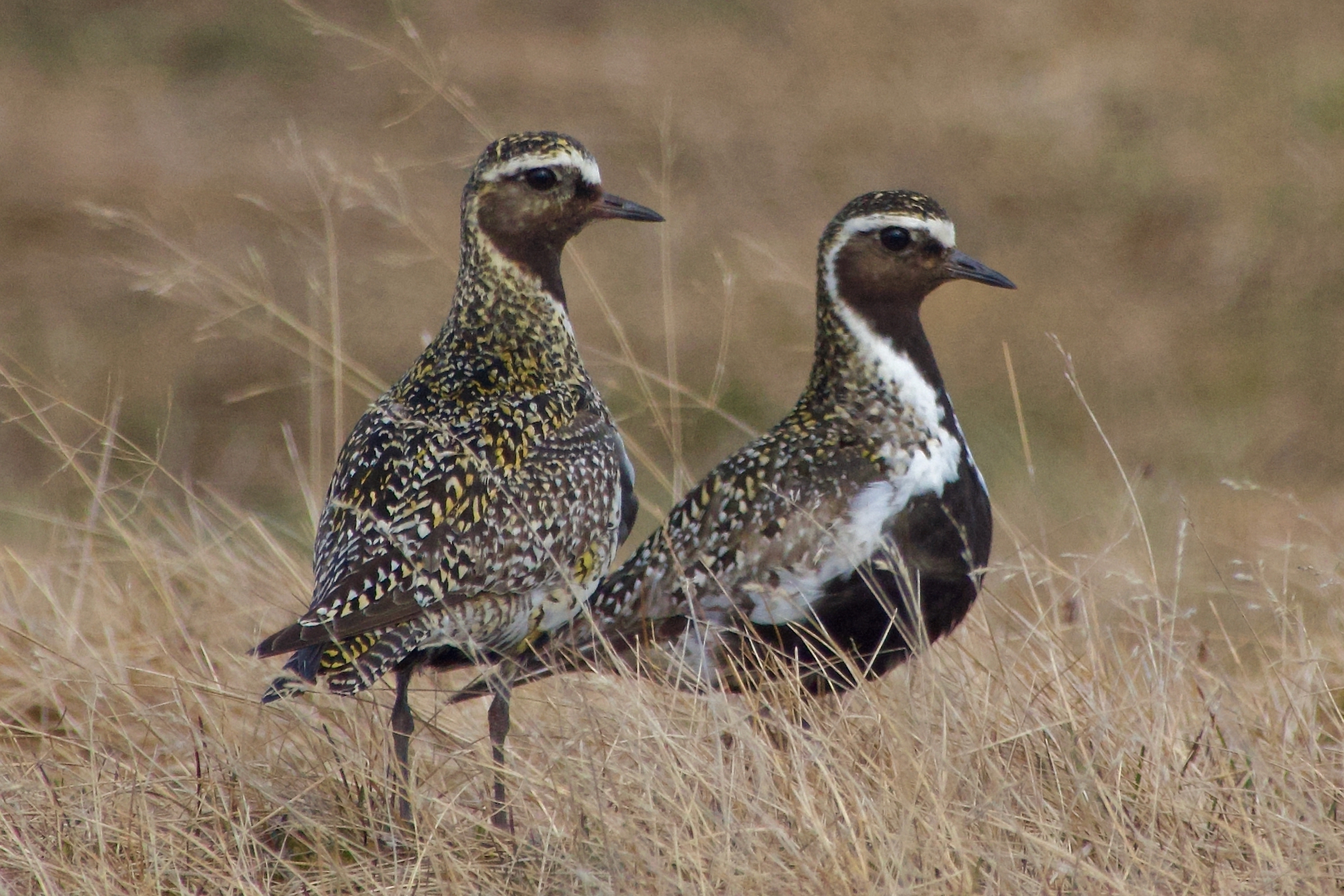
A pair of European golden plovers (Pluvialis apricaria), a joy to behold. Very common on just about any field in the country, together with Black-tailed godwit (Limosa limosa), Common redshank (Tringa totanus), Common snipe (Gallinago gallinago), and Eurasian whimbrel (Numenius phaeopus):
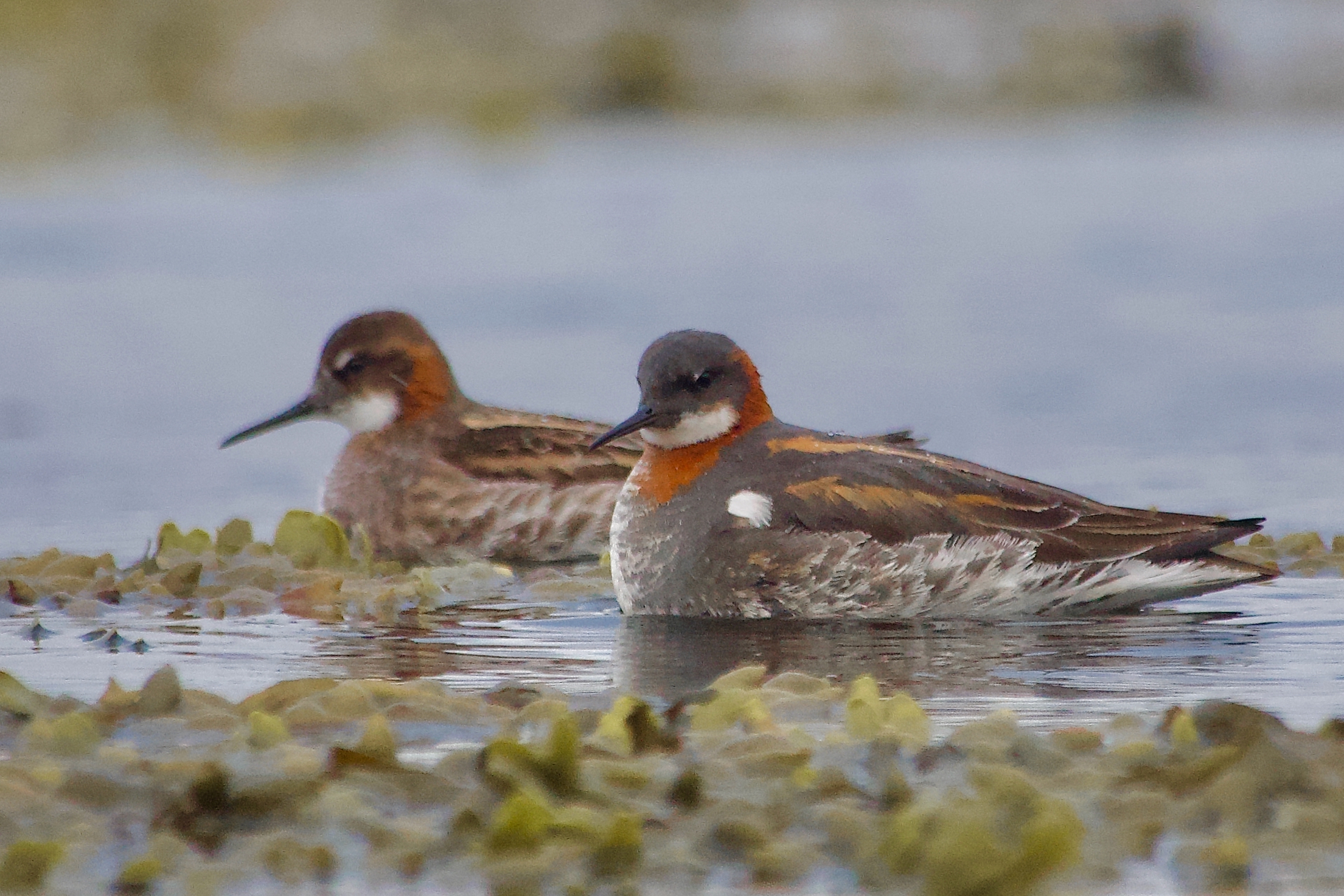
A pair of Red-necked phalaropes (Phalaropus lobatus), with the male left and the female right. Charming little birds, often foraging literally within arm’s reach. Phalaropes have reversed sex roles. The females are slightly more brightly colored, and the males hatch the eggs and raise the young:
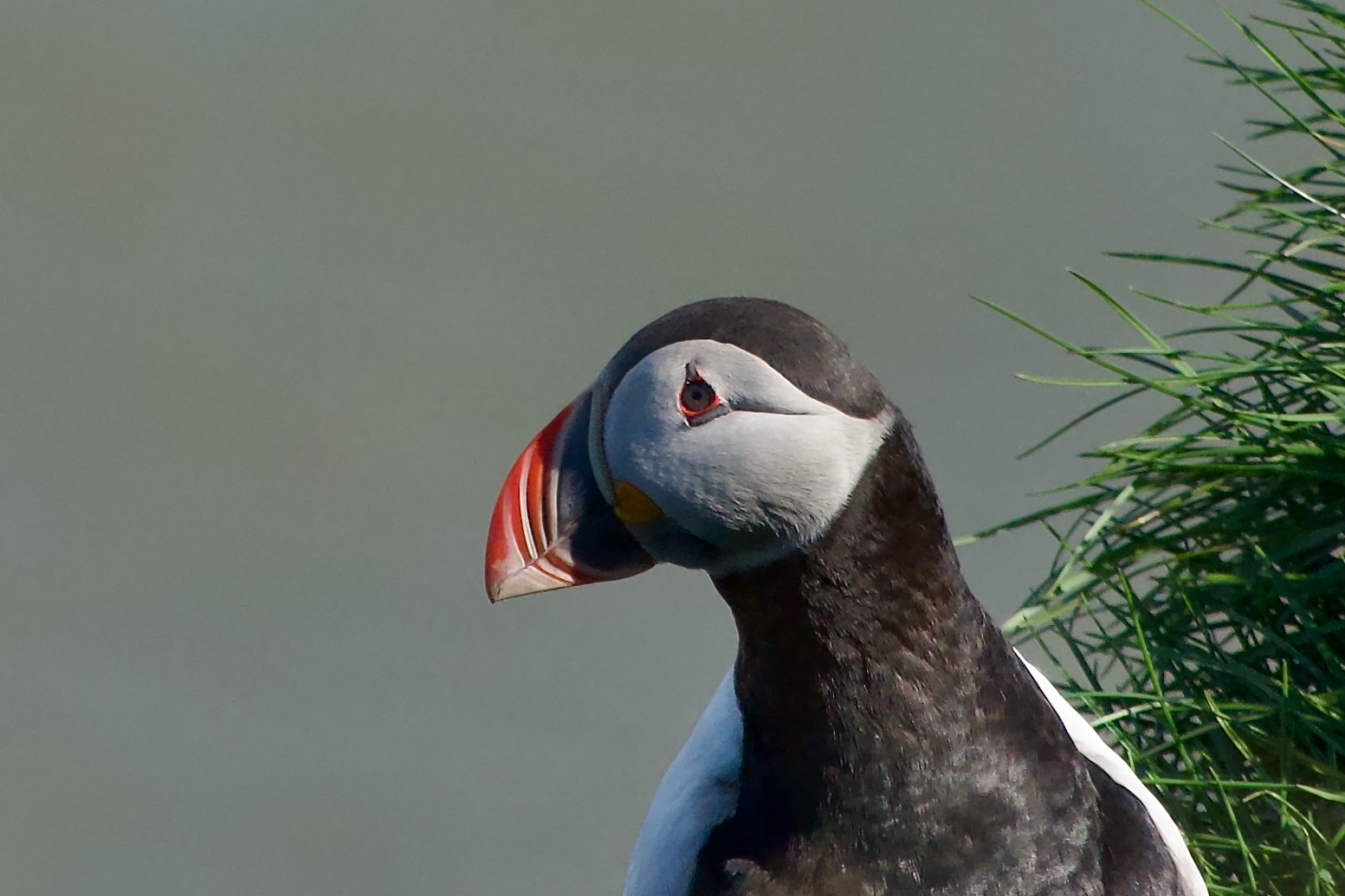
The Atlantic puffin (Fratercula arctica). Iceland’s iconic bird for tourist merchandise, though not its national bird, which is the Gyrfalcon (Falco rusticolus) and which has unfortunately become quite scarce and was not seen by me:
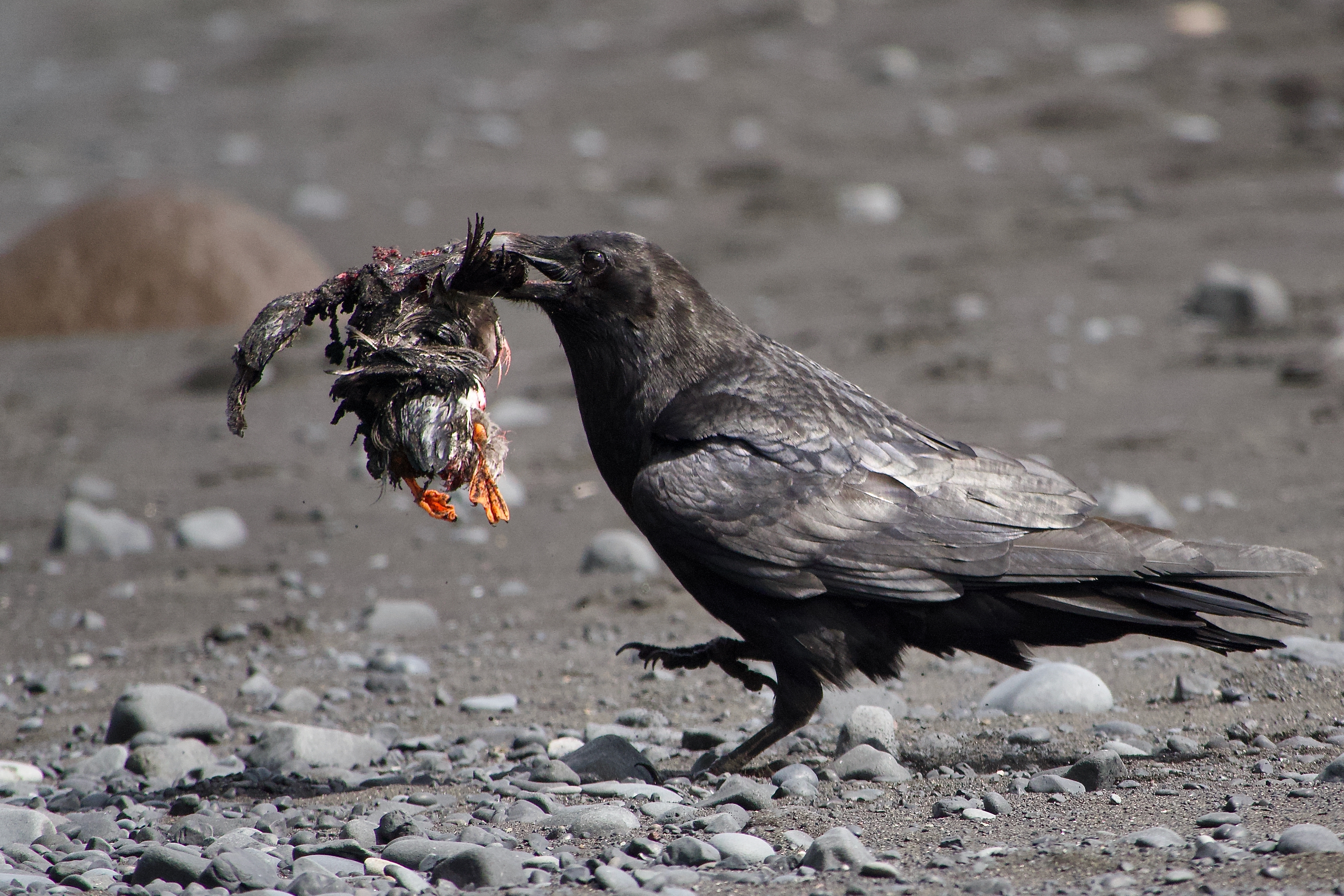
Another puffin, this one dead in the beak of a Common raven (Corvus corax). The corvid clean-up crew had found a few lying dead on the beach at the bottom of a breeding site atop a cliff:
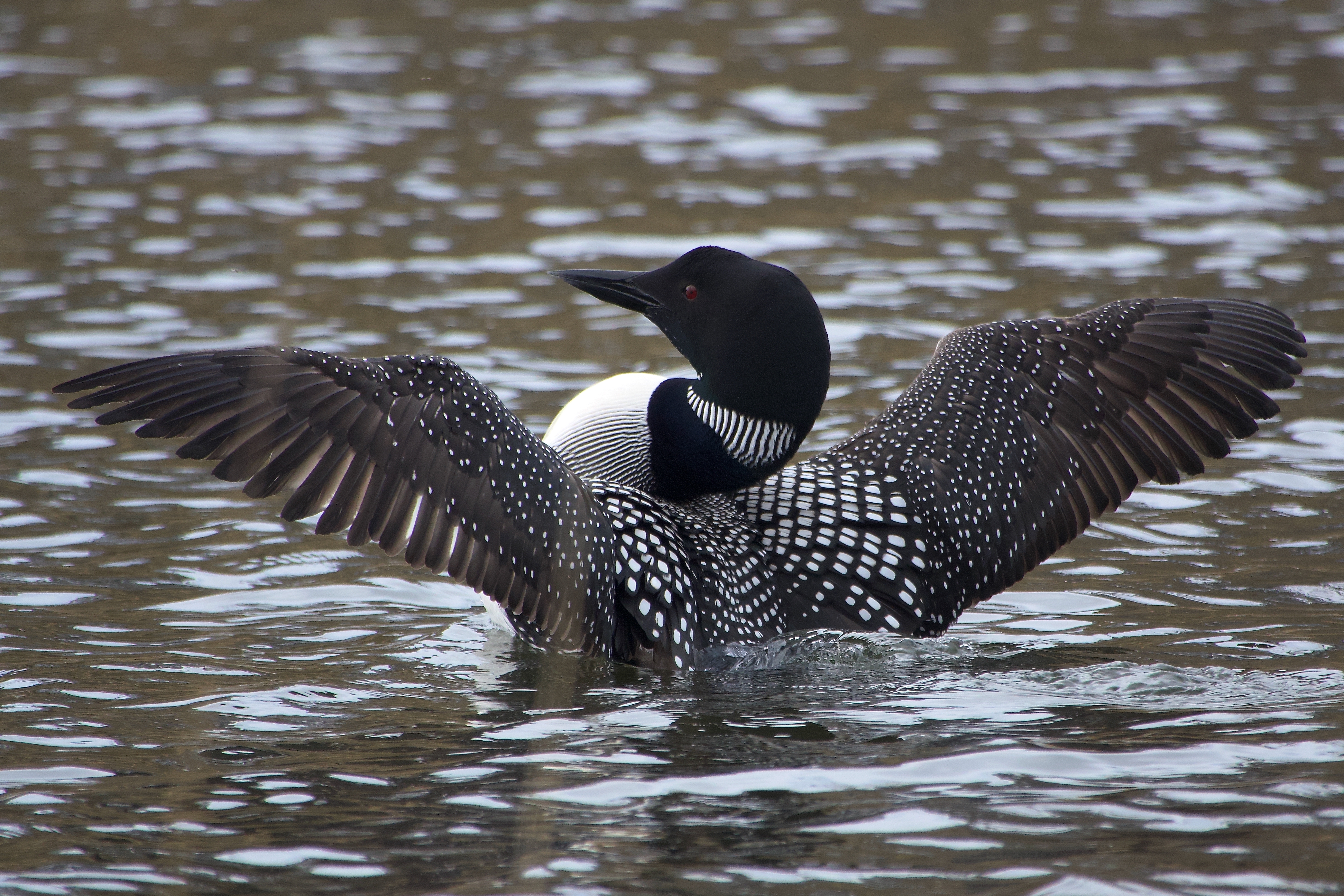
Common loon (Gavia Immer), showing off how beautiful black-and-white (with a hint of green) plumage can be:
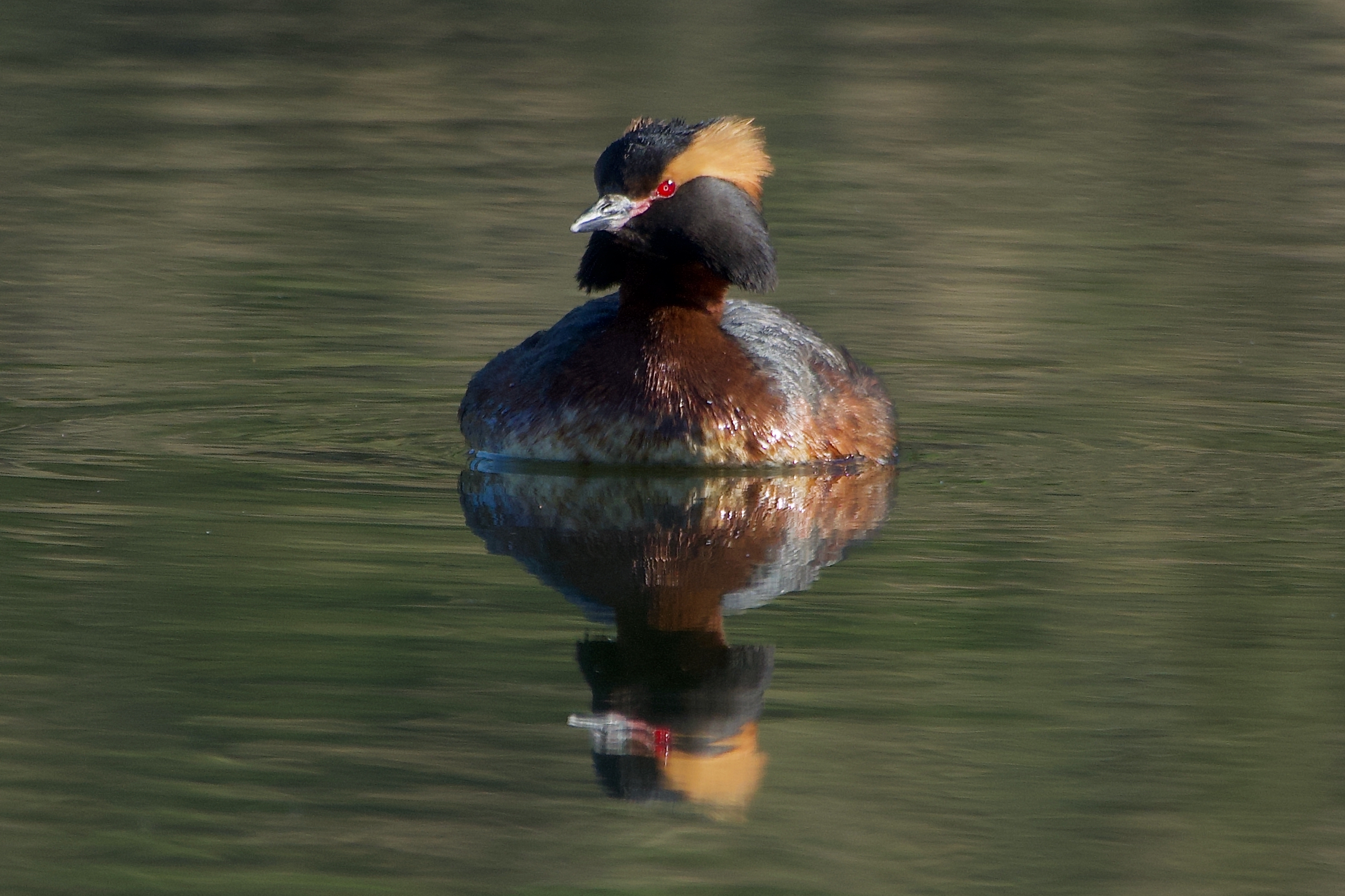
Horned grebe (Podiceps auritus). Together with its partner it was doing its typical grebe-like courtship dance with head and neck movements. Any grebe in spring is a delight:
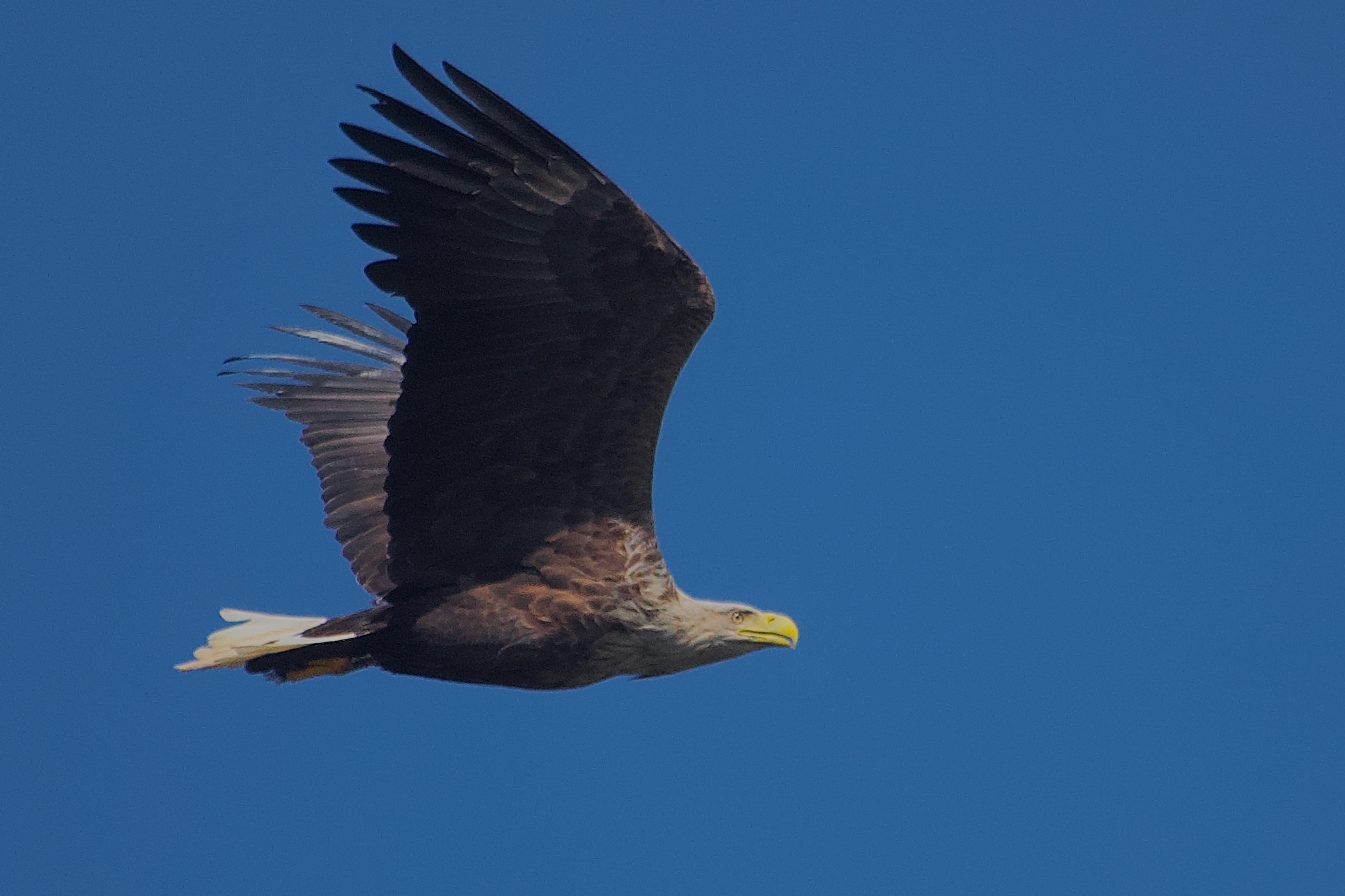
White-tailed eagle (Haliaeetus albicilla). They caused severe panic among all the other birds everywhere they showed up:
Arctic fox (Vulpes lagopus) at dusk, still largely in its white winter coat:

What a trip! You saw some gorgeous birds, and your photos are very nice. Thank you.
Do you know how long it will take the Artic Fox to shed the white coat in favor of the black and is the shedding usually this haphazard or is it more regular, like legs first, then the back…?
Do you know how long it will take the Artic Fox to shed the white coat in favor of the black and is the shedding usually this haphazard or is it more regular, like legs first, then the back…? (I’ve never seen a photo of shedding, just the Before & After versions.)
A very impressive set!
Wow. These photos are just a joy to see.
Wonderful photos, thank you! — Skuas are piratical, known for stealing food from other birds, which they chase to make them release any food they have already got hold of. They also attack people by hitting them hard with a wing, if they venture close to breeding grounds.
These are interesting. I’m going to be in three different places in Iceland in August during a trip to see the total solar eclipse off the coast near Ittoqqortoormiit in Greenland. I’ve heard that there’s a lot of interesting bird life in Iceland and I’m looking forward to seeing some in real life. I’m not much good at capturing birds in flight, though.
Beautiful! Loved the counterpoint of the (less beautiful but still amazing) Raven doing ravenous things.
I never cease to be amazed at the variety of patterns and brilliant colours evolution managed to deliver in these dinosaurs!
Excellent photos – and my favourite is the Common Loon. Those black and white patterns are simply stunning – straight out of the annual Avian fashion show… 🙂
The male harlequin duck is truly handsome. Thanks for all these great photos.