Why Evolution is True is a blog written by Jerry Coyne, centered on evolution and biology but also dealing with diverse topics like politics, culture, and cats.
Here we have an 83-minute interview of Matthew Crick by Michael Shermer; the topic is Francis Crick as described in Matthew’s new book Crick: A Mind in Motion. Talking to a friend last night, I realized that the two best biographies of scientists I’ve read are Matthew’s book and Janet Browne’s magisterial two-volumebiography of Darwin (the two-book set is a must-read, and I recommend both, though Princeton will issue in June a one-volume condensation).
At any rate, if you want to get an 83-minute summary of Matthew’s book, or see if you want to read the book, as you should, have a listen to Matthew’s exposition at the link below. I have recommended his and Browne’s books because they’re not only comprehensive, but eminently readable, and you can get a sense of Matthew’s eloquence by his off-the-cuff discussion with Shermer.
Click below to listen.
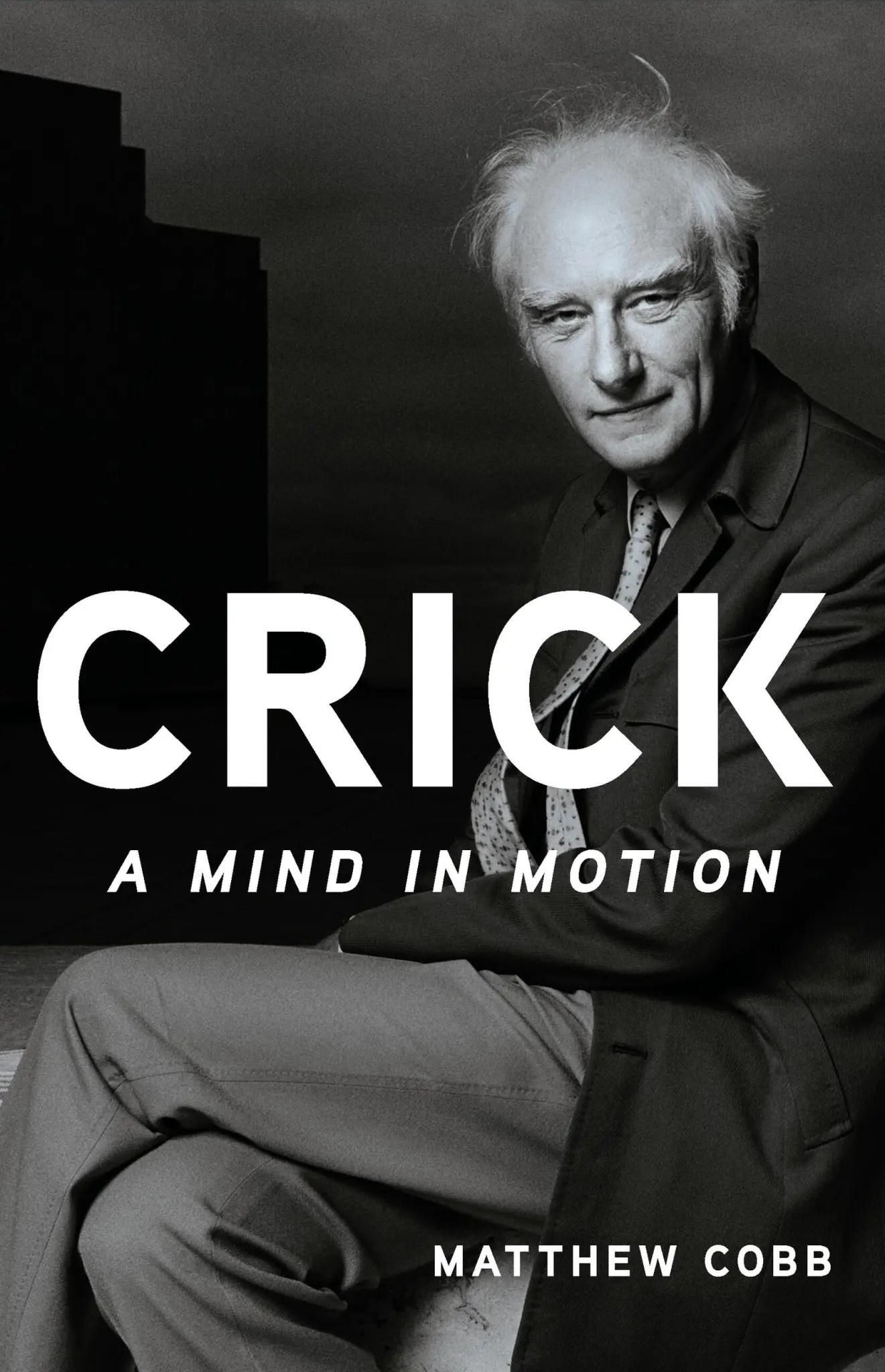
I’ve put the cover below because Shermer mentions it at the outset of the discussion:
Many animals are venomous, but in most cases the exact proteins involved in causing pain or death are unknown, and even in those cases the genes producing them have not been identified, counted or mapped. If you’re interested in the evolution of venom, what its precursors are, and how venomous animals avoid poisoning themselves, you have to know this kind of stuff.
A new paper in Proc. Nat. Acad. Sciences (click screenshot below to read for free, or find the pdf here) answered several of these questions in the venomous caterpillar of the mottled cup moth (Doratifera vulnerans), shown below. It’s from Australia, and is described in Wikipedia this way:
It is known for its caterpillar having unique stinging spines or hairs that contain toxins, for which the scientific name is given that means “bearer of gifts of wounds”. Chemical and genetic analysis in 2021 show that its caterpillar contains 151 toxins, some of which have medicinal properties
That earlier paper, from 2021 and including some of the same authors as the one we discuss today, did indeed identify 151 proteins (peptide are bits of proteins or short chains of amino acids) that were in the toxins, but did not know which genes produced them, how the genes were arranged, what the closest relatives of the genes were, and how many of the 151 “toxins” were really toxic (the word “toxin” there and in the present paper do not mean that the substances were toxic, but that they were simply a component of the extracted toxins). However, the authors, some on the paper I’m highlighting today, did identify two genuine toxins that caused pain: the peptides Dv12 and Dv11.
Look at this thing! It’s clearly aposematic, meaning that it has bright warning coloration that predators can recognize and learn to avoid. And you can see those nasty spines. In the earlier paper they extracted toxins from related species and tested them by injecting them into mice tails, guinea pigs, and human volunteers. That earlier paper also adds this about the species name:
This species, whose binomial name etymologically means “bearer of painful gifts,” is a common culprit of caterpillar envenomations in Australia.
That means that many Aussies get stung by these things, probably inadvertently. Would you touch an animal that looks like this?:
On to the new paper, and I’ll try to be brief as it’s long and complicated.
1.) First, the authors sequenced the entire caterpillar genome (remember, it’s the same as the adult moth genome).
2.) Then, knowing the sequences of the proteins known from previous work on toxins, they could find the genes producing them by matching the protein sequence to the DNA sequence that could produce these proteins. Of the 151 proteins in caterpillar venom known from the prvious work, they mapped 149 of them to 115 sites in the genome
3.) Of the 115 sites, 35 were products of single genes, while 80 (70%) of the total, were members of gene families consisting of two or more similar genes (sometimes many genes) with similar sequences. Here’s a map of the “toxin gene” locations on the insect’s 13 chromosomes. The blue dots are the genes existing in single copies, orange dots are clusters of genes previously grouped together by protein-sequence similarity, and pink dots are genes that were newly identified, surely as part of gene families, in the present study. This conclusion comes from their sequence similarity and they physical grouping on two chromosomes.(The size of the dots indicates the number of genes that are part of a contiguous group. Click to enlarge:
So we know that genes found in venom are very often the product of gene duplications, either of single genes becoming two (this can happen via unequal crossing-over during meiosis or by other methods), producing two initially identical genes side by side or whole groups of them (“tandem duplications”). Once a gene has been duplicated, the original copy can then keep its original function, while the other copies, not being “needed,” are free to evolve other functions. Many genes we’re familiar with, like our own globins and immunoglobulins, evolved by gene duplication followed by divergence of the duplicated copies.
Where did the genes making venom proteins come from? This is the key evolutionary question answered here and, to some extent, in the previous paper. They evolved from ancestral genes in the moth’s immune system that evolved to attack microbes, the so-called “antimicrobial peptides” (AMPs), also known as cecropins. The ancestral AMP proteins, nearly identical to their original form and function, kill bacteria (prokaryotes) by disrupting the bacterial membranes. Insects still need to kill microbes!
Clearly, the proteins in venom have evolved by natural selection modifying ancestral genes used to kill bacteria. Now they are used to repel predators. Natural selection causing this divergence was implicated by looking at sequence differences, as there are ways of showing what sequence differences evolve faster than expected under either the slower processes of genetic drift or “purifying” selection that conserves structure. They found that most of the venom-adapted proteins that evolved from cecropins did evolve under natural selection, while the descendants of cecropins that retained their original anti-microbial proteins were under purifying selection to retain their sequence. It’s clear, then, that the insect still needs genes to attack bacteria. It’s just that some of them have been repurposed, often through gene duplication and divergence, to repel predators. (The authors have a way of assessing “pain” by measuring the increase in calcium concentration in cells grown in vitro and exposed to venom. This happens when the two investigated proteins are used.)
Here is a complicated family tree of cecropin genes in black used to kill microbes. The genes found in venom are in the red box (“venom adapted”). You can see that they are related to cecropin genes but branched off fairly recently (probably four or five million years ago). The venom genes are in the red box that I’ve added, and their relationship as being derived from ancestral AMP genes is very clear. (The “canonical” genes in green are antimicrobial proteins closely related in sequence to the venom genes.
So, now we know where the genes in venom come from. What we do not know is how many of those genes are essential in venom, either causing pain or doing other stuff that venom needs to do. At least two of them cause pain, but there are probably more, for they haven’t all been tested. And some of the other genes are probably involved in dismantling cell walls in potential predators. The authors tested several of the venom proteins and also found that, as in their AMP ancestors, they disrupt cell covering, in this case eukaryotic cell membranes.
Finally, the big question: If the caterpillar makes venom, why doesn’t it poison itself? Here’s how the authors answer that question (I’ve put the answer for this species is in bold).
Animals that produce toxins, either for innate immunity or as venom toxins, must employ strategies to protect themselves from toxicity. Such protective mechanisms include production of toxin inhibitors, storage in inactive form, mutations in their own ion channels that confer resistance, alteration of lipid bilayer compositions, and compartmentalization of toxins separate from body tissues. In the case of limacodid venom peptides, the venom is compartmentalized into the cuticle-lined venom reservoir inside venom spines, preventing the toxin from coming into contact with cells other than the secretory cells that produce them. Thus, compared to canonical cecropins, venom-adapted cecropins may also be released from pressure to avoid activity against animal cells.
There are other findings in the paper that will be of interest primarily to those studying genomic evolution. For example, many of the venom proteins still retain some weak antimicrobial activity, so the idea that genes completely lose their ancestral function when they gain a new one doesn’t hold in this case.
Below you can see the adult moth because, remember, they studied caterpillar venoms, and many of those genes are probably turned off in the adult. But adult and caterpillar carry the exact same genes, of course; their different bodies, physiology, and behavior rest on the differential turning on and off of these genes at different life stages. And that remains a big mystery: how do such different life stages evolve, with each step of the evolution being adaptive?
From The Australian Museum, photo credits at bottom (click to enlarge), image by Lyn Craggs.
How much genetic difference separates us from our closest relatives? The conventional wisdom about humans and our closest ape relatives (chimps and bonobos) is that we share 98% of our DNA. That’s a big similarity, and implies that if we lined up our genomes side by side, only about 2 out of 100 DNA bases would differ. This figure is often used to show that we have only a tiny genetic difference from our closest relatives. To quote W. S. Gilbert of Gilbert and Sullivan, “Darwinian man, though well-behaved, at best is only a monkey shaved.” Well, the differences go farther than mere shaving.
The “98% similarity figure” is wrong. And it’s wrong for several reasons. First, most ape genomes (chimps, gorillas, orangs, etc.) have not been as thoroughly sequenced as was the human genome. A lot of the data that went into the 98% figure was missing. Second, you can’t just compare genomes by lining them up and looking for differences in base pairs at similar sequences.
Why not? Because the notion of “similar sequences” is ambiguous and, sometimes, meaningless. Since we diverged from our ape ancestors, there have been a lot of changes in every species’ DNA that prohibit us from simply “lining up the genomes”. Transposable elements have invaded some species but not others, bits of the DNA have been duplicated, so there are species that have sequences that are not homologous. Bits of the genome have been inverted (turned around and reinserted), causing big differences in sequence in previously similar sequences. Further, pieces of the DNA have been moved from one chromosome to another, so DNA sequences previously in the same place are now in another place, leading to a difference in total sequence.
All this leads to a substantially greater DNA divergence between humans and chimps than the 98% figure. These extra genomic differences were sussed out by Yoo et al. in a Nature paper from April of last year that you can read by clicking below (or find the pdf here).They did a much improved job in sequencing six of our ape relatives: the chimp (Pan troglodytes), bonobo (Pan paniscus), Western gorilla (Gorilla gorilla), Bornean orangutan (Pongo pygmaeus), Sumatran orangutan (Pongo abelii), and the siamang (Symphalangus syndactylus), an endangered species of gibbon from SE Asia.
First, the authors give a revised set of divergence times based on DNA differences between living species. The human vs. chimp/bonobo species, for example, split from their common ancestor about 5.5-6.3 million years ago (mya), roughly in line with previous estimates. The divergence between humans and other African apes (gorillas) occurred between 10.6 and 10.9 mya, and that between humans and orangutans about 18.2-19.6 mya.
There is a ton of genomic information in the paper, including a lessening of the similarity between humans and chimps, but also specific information about what genes and regulatory bits of DNA differ among species. These differences suggest some some intriguing future research. I’ll mention just a couple, but will refer you instead to a long tweet below which shows why the human-chimp differences have increased. It’s an excellent tweet that you can read pretty quickly, though it doesn’t detail all the many differences that the researchers describe in the Nature paper, which is exhausting for those outside the field. There are also genes whose sequences changed very rapidly, suggesting that they were acted on by natural selection.
There are a gazillion sequence and structural differences revealed among the species, including 229 bits of ape DNA (all species) that have evolved rapidly and are thus candidates for natural selection. The paper also reveals parts of the DNA that have evolved especially rapidly in the human lineage since we split from chimps/bonobos. These regions are called HAQERS, and could be candidates for the Holy Grail of such work: seeing “what makes us human”. But that question is a bit misguided.
Nevertheless, the authors found one gene, ADCYAP1, that “is differentially regulated in speech circuits.” The implication is that the changes may have something to do with why humans are the only ape with syntactic spoken language, but that gene does a lot of other stuff, too, so I don’t take that implication seriously. The FOXP2 gene, which evolved rapidly in the modern human genome relative to other species, has mutations that impede people’s ability to speak, and I well remember when it was touted as “the language gene” that enabled humans to speak. But further research showed that the accelerated human evolution of the gene was an artifact, and that the normal function of the gene is manyfold, so nobody these days takes FOXP2 seriously as the “speech gene”. All claims should be regarded as caveat emptor.
There are also several genes that are not only unique to humans, but are “associated with human evolution of the frontal cortex”, suggesting these account for our big brains. The photo below comes from the tweet shown next, and its caption comes from that tweet. (The average chimp brain is about 400 g in mass—less than a third the mass of the human brain, which weighs in at 1300-1400 g in adults.) Again, caveat emptor with regard to the two specified genes.
Figure 3. Radiograph illustrating cranial expansion in the human lineage, which is associated with increased neocortical growth – Chimpanzee skull (left), Modern Human skull (right).
Other genes that differ strongly among ape species involve those producing immunoglobulin, major histocompatibility products (MCH) and T-cell receptors, but especially immunoglobulin genes—involved in production of antibodies. Why have these evolved so rapidly within apes? Your guess is as good as mine, but suggests that reaction to antigens was an important element of ape evolution.
Here is the authors’ summary, and most of the paper will be of interest only to geneticists familiar with the argot (not necessarily me):
The complete sequencing of the ape genomes analysed in this study significantly refines previous analyses and provides a valuable resource for all future evolutionary comparisons. These include an improved and more nuanced understanding of species divergence, human-specific ancestral alleles, incomplete lineage sorting, gene annotation, repeat content, divergent regulatory DNA and complex genic regions as well as species-specific epigenetic differences involving methylation. These preliminary analyses revealed hundreds of new candidate genes and regions to account for phenotypic differences among the apes. For example, we observed an excess of HAQERS corresponding to bivalent promoters thought to contain gene-regulatory elements that exhibit precise spatiotemporal activity patterns in the context of development and environmental response99. Bivalent chromatin-state enrichments have not yet been observed in fast-evolving regions from other great apes, which may reflect limited cross-species transferability of epigenomic annotations from humans. The finding of a HAQER-enriched gene, ADCYAP1, that is differentially regulated in speech circuits and methylated in the layer 5 projection neurons that make the more specialized direct projections to brainstem motor neurons in humans shows the promise of T2T genomes to identify hard to sequence regions important for complex traits. Perhaps most notably, we provide an evolutionary framework for understanding the about 10–15% of highly divergent, previously inaccessible regions of ape genomes. In this regard, we highlight a few noteworthy findings.
The importance of the paper for now seems to be the presentation of the sequences and their differences rather than explaining the differences or their significance in ape adaptations—especially in humans—for studying adaptive hypotheses involves a lot of work for each single region that differs among species or evolved quickly. Nevertheless, useful questions have been raised—like why genes involved in the immune response changed so rapidly—that will be subject to future work.
I am not sure who runs the Origins Unveiled site dealing with evolutionary anthropology, but based on the clarity of the tweet below from that site (click on screenshot to see the tweet in situ), it deserves more followers. It’s only about a year old, which may explain the follower issue.
This tweet from September of this year explains why the 98% similarity between humans and chimps drops to 84.7% when you take translocations, inversion, duplications, insertions, and other genomic rearrangements into account. And these rearrangements are not necessarily trivial, for duplications can lead to divergent gene families, and insertions can act to regulate genes in a new way.
Again, click below and read; it’s short and lucid:
I’ve shown one figure from the tweet above: the brain differences. Below is another figure showing how the 99% similarity between humans and chimps has traditionally been calculated, requiring alignment of nearly identical but perhaps slightly different bits of DNA. All captions come from the tweet. This figure shows how they line up chimp and human sequences (you see the gross similarity), but also that here there’s been a single nucleotide substitution in one of the two lineages, rendering this sequence 92.3% similar. (This is a made-up sequence for purposes of illustration.) When you did that with the whole genome comparison based on earlier data, you got about a 2% difference. The problem, as I said, is that we didn’t have great chimp (or any ape) sequences and there are parts that you simply couldn’t line up this way. And those parts, when compared among species, increase the genetic difference between us and our closest relatives.
Figure 1 — Simplified Mock Alignment Illustrating Nucleotide Sequence Similarity Between Chimpanzee and Human Genomes. Out of 13 positions, one substitution (single-nucleotide variant, circled in red) results in ~92.3% DNA similarity. This example demonstrates the methodology behind the misleading 98–99% human-chimpanzee DNA similarity figures.
Below is another figure showing how various rearrangements, insertions, deletions, and translocations reduce similarity, but I’ll show only four of the six parts of the figure, giving the captions for a-d. You can see how these changes make humans and chimps less genetically similar than previously thought (again, captions come from the tweet; click to enlarge). These are also “mock alignments” meant for purposes of illustration, but they do show the kind of thing seen in the Yoo et al. paper:
Figure 2 — Simplified Mock Alignments Illustrating Structural Variation Between Chimpanzee and Human Genomes. Note: Structural variants are not taken into account when calculating the 98–99% Chimpanzee-Human DNA similarity figures. ( a) Insertions and deletions contributing to sequence divergence. Out of 34 positions, 3 indels (insertions circled in orange; deletions in yellow) result in ~91.2% DNA similarity. Note: These indels are relative, as without a suitable outgroup (i.e. gorilla), an insertion in one genome appears as a deletion in the other. (b) Duplication contributing to sequence divergence. Out of 34 positions, a duplication of 12 bases (duplicated segment encircled in blue; original in purple) results in ~64.7% DNA similarity. (c) Inversion contributing to sequence divergence. Out of 34 positions, an inversion of 11 bases (encircled in green) results in ~67.6% DNA similarity. Note: Although bases may match within the inverted region, they do not contribute to sequence similarity due to misalignment. Without a suitable outgroup (i.e. gorilla), it is unknown whether the inversion occurred on the chimpanzee or human genome. (d) Translocation contributing to sequence divergence. Out of 34 positions, a translocation of 20 bases (encircled in brown) results in ~41.2% DNA similarity. Note: A translocation is a DNA segment that has been “copy and pasted” or “cut and pasted” from another part of the genome.
So, when you hear that we’re nearly genetically identical to our closest relatives, just say, “Wait a tick. Not all that identical.” We have about 15% difference in sequence, which is not trivial.
UPDATE: I’m aware now that creationists and IDers have been using this 85% to cast doubt on human evolution, our place in the ape family tree, and whether evolutionists are honest. This is bogus: the 85% vs. 98% depends on two different methods of calculating similarity. Which ever method you choose (alignment vs. total genomic similarity), the same family tree of the great apes appears, with chimps/bonobos our closest ancestors, then gorillas a bit more distance, and then orangutans, and then other apes. The point of this post is not to cast doubt on human or ape evolution, but to show different ways of calculating genetic similarity.
Matthew’s biography of Francis Crick just came out, and I’m delighted, as I’m sure he is, with the spate of glowing reviews. I haven’t seen a bad one yet, and some of them rate the book as superlative. It is certainly one of the best science biographies going, and I hope it wins the Royal Society Science book prize.
I’ll finish up my endorsements of the book (the reviews will keep coming, though) by highlighting two more: one in Science and the other in the Times of London. But first you can listen to Matthew talking about J. D. Watson, who just died, on this BBC show (Matthew’s bit, which is the only discussion of biology, goes from the beginning to 9:35). As Matthew says, “This is the most important discovery in biology since Darwin’s theory of evolution by natural selection. It transforms our understanding of heredity, of evolution–of everything to do with biology.”
The American you hear in the interview is from an old interview with Watson himself.
The moderator then wants to discuss the sexism and racism of Watson, and Matthew eventually gets to it. First, though, Matthew discusses the involvement of Maurice Wilkins and Rosalind Franklin in the DNA structure, and says, as he always does, that the history was complicated, that the discovery was more collaborative than people think, but also that Crick and Watson failed to ask Franklin for permission to use her data, which was a scientific boo-boo. Watson’s further accomplishments are discussed (the Human Genome Project, the upgrading of Cold Spring Harbor Laboratories). The mention of Watson’s personal arrogance, sexism, and racism starts at 6:50, and Matthew manages to decry it (calling it a “terrible legacy”) while not seeming nasty, something he’s good at.
Next, two reviews, the first in Science. It’s very positive, and I’ll give the exerpts (access should be free by clicking on the headline below).
In October 1958, Francis Crick and his wife, Odile, hosted a party at their house in Cambridge to celebrate Fred Sanger’s Nobel Prize in Chemistry. During the festivities, a rocket was launched from the roof terrace, which landed on the roof of a nearby church and necessitated the services of the local fire brigade (1). This otherwise inconsequential event is an apt metaphor for the scientific assault on mysticism and vitalism that the atheist Crick and his contemporaries helped pioneer through their pursuit of a new “chemical physics” of biology—an endeavor that would eventually help describe the nature of life itself. In his magnificent and expansive new biography, Crick: A Mind in Motion, Matthew Cobb forensically explores and electrifies this important chapter in the history of science through the exploits of one of its key protagonists.
Magnificent and expansive! You’ll be seeing those words on the cover. And some of these, too:
Another intriguing theme Cobb explores is Crick’s friendship with the psychedelic beat poet Michael McClure (6). Crick was so taken by the charismatic poet, in particular, a stanza in McClure’s “Peyote Poem”—“THIS IS THE POWERFUL KNOWLEDGE / we smile with it”—that he pinned it onto a wall in his home. For Crick, the beauty inherent in the solution of a complex scientific problem and the aesthetic euphoria and sense of revelation it created were reminiscent of the perceptual effects of consuming a hallucinogenic compound, such as peyote.
Cobb also touches on Crick’s eugenicist proclamations and details some of his other disastrous forays into the social implications of science, which ultimately led him to permanently abstain from such activities. Crick’s notable lack of engagement with the 1975 Asilomar meeting, which sought to address the potential biohazards and ethics of recombinant DNA technology, was in stark contrast to Watson and biologist Sydney Brenner. Crick never explained his silence on the topic of genetic engineering (7).
Complex, energetic, freethinking, dazzling, and bohemian, Crick was also ruthless, immature, misogynistic, arrogant, and careless. The phage biologist Seymour Benzer noted that Crick was not a “shrinking violet.” Maurice Wilkins described Watson and Crick as “a couple of old rogues,” and Lawrence Bragg more politely observed that Crick was “the sort of chap who was always doing someone else’s crossword.” Cobb, however, has arrived at a somewhat more benign and nuanced interpretation of the events surrounding the discovery of the double helix, the collaborative nature of which, he asserts, was obfuscated by the fictional narrative drama of Watson’s bestseller The Double Helix.
Crick is set to become the definitive account of this polymath’s life and work. We must now wait patiently for historian Nathaniel Comfort’s upcoming biography of James Watson to complement it.
In my view, the phrase “definite account of this polymath’s life and work” is really the most powerful approbation the book could get.
You can see the review from the Times of London by clicking below, or find it archived here:
If the age of the lone scientific genius has passed, was Francis Crick among its last great specimens? His name will for ever be bound to that of James Watson and their discovery in 1953 of the double-helix structure of DNA. Yet it is a measure of Crick’s influence that this breakthrough, transformative as it was, is done and dusted barely 80 pages into Matthew Cobb’s absorbing new biography.
Cobb, a zoologist and historian of science, presents Crick (1916-2004) as the hub round which a mid-century scientific revolution revolved — a researcher and theorist of unstoppable curiosity, who unravelled the secret code behind heredity before helping to reinvent the study of the mind and consciousness. More than 70 years on, it is easy to forget how penetrating Crick’s insights were — how, before he came along, we did not know how life copies itself and the molecular mechanism behind evolution was a mystery.
But Cobb’s book is no hagiography. Briskly paced, it concentrates on Crick’s scientific life, but also offers glimpses, some unflattering, of the man behind the lab bench. The picture it builds is of a brilliant, garrulous and often exasperating individual.
. . . Cobb writes with clarity and a touch of affection for his subject. His Crick is radical in science and conservative in temperament; deeply irreligious yet moved by poetry; a philanderer who adored his wife. Above all he is insatiably curious — a mind in motion, indeed. And yes, he may also represent something that may now be lost: the era when a single intellect could sit at the centre of a scientific revolution. Crick might be best known for his collaboration with Watson and his notorious debt to Franklin. However, in the crowded, collaborative landscape of 21st-century research, where knowledge advances by increments, achieved by vast teams who work with ever growing volumes of data, it is hard to imagine another individual whose ideas will so completely redefine the life sciences.
I’d call that a good review as well. Kudos to Dr. Cobb. I told him he should celebrate by going off on a nice vacation, but I’m betting he won’t.
A blood sample from—of all people—Adolf Hitler has been procured, authenticated, and sequenced. Apparently the sample came from Hitler’s bunker, in the room where he shot himself after Eva Braun had poisoned herself. A. U.S. soldier collected a piece of the couch’s fabric stained by Hitler’s blood, and it wound up in a U.S. military museum. Investigators then used a relative’s blood taken several years earlier showing that the relative’s Y chromosome perfectly matched Hitler’s Y, as it should have given their relatedness. This authenticates the blood as Hitler’s, and from there one can do DNA analysis, even if the sample is somewhat degraded. This was done, and results of the test are in a two-part documentary to be aired Channel 4 in the UK. There’s a lot of hype about the results, exemplified by this breathy article from the Jerusalem Post (click to read):
The brouhaha centering on Hitler’s micropenis and sexuality has got people worked up because they think that these conditions may have explained Hitler’s behavior. It seems pretty clear that der Füher was not a highly sexed man, but beyond that it’s hard to analyze his psychology, except that he was arrogant, ambitious, and nuts But that we can get from contemporary accounts of his behavior, not from genetics. And speculations that he had one undescended testicle come not from this genetic study (though the study supports it), but from a doctor’s report made when Hitler was in Landberg Prison.
As for the possibility that Hitler’s b ehavior was compensation for a micropenis, we have no idea whether he actually had a microphallus. And “likely” is not the right word. In a good article in the Guardian, Philip Oltermann sets out the results of Hitler’s DNA test quite clearly. Click below to read:
A few excerpts about what the researchers found (the paper has been written, but not yet published). These conclusion are reliable as they come from the excellent evolutionary geneticist Professor Turi King, who made her reputation by sequencing the genome of Richard III, found under a car park in Leicester. Oltermann gives the results:
Some of the insights are scientifically sound and will contribute to historical debate. For one, the programme finally puts to bed an old rumour that Hitler had Jewish ancestry. Its source is the fact that Hitler’s father Alois was an illegitimate child and the identity of his paternal grandfather was unknown. It was only ever speculation, but the fact that it was repeated by Russia’s foreign minister Sergei Lavrov as recently as 2022 shows how persistent such rumours can be.
The Y chromosome of Jews is pretty distinctive, as I found when I had my own Y sequenced. 23andMe concluded that I was certainly an Ashkenazi Jew. More:
The researchers also found robust evidence – the deletion of a letter from a gene called PROK2 – that Hitler had some form of a well-known but rare genetic disorder known as Kallmann syndrome [JAC: see here], which prevents a person from starting or fully completing puberty. This chimes with medical records from Landsberg prison, where Hitler was held after the failed Munich beer hall putsch in 1923, unearthed by German researchers in 2010. In them, an examining doctor certified Hitler with a “right-side cryptorchidism” – not quite the missing ball of the British second world war song, but an undescended right testicle. Up to 10% of people with Kallmann syndrome also have a “micropenis”; more prevalent symptoms are low or fluctuating testosterone levels.
A 10% probability is not a “likely,” for crying out loud!
Oltermann has apparently seen the show, and is critical about its creep into psychological territory, for this is based not on single mutations but on probabilities obtained from multiple sequence differences that can’t really tell us anything dispositive about Hitler’s psychology:
If Hitler’s DNA: Blueprint of a Dictator had stopped here, it may have made a solid programme: sensational but also credible. Instead, the makers also set out to “assess [Hitler’s] genetic propensity for psychiatric and neurodevelopmental conditions”, by carrying out polygenic risk score (PRS) tests. From the results, they assert that Hitler had “higher-than-likely average likelihood of ADHD”, a “high probability” of some autistic behaviours, a “propensity for antisocial behaviour” and “a high probability of developing schizophrenia”.
. . . Many scientists fear this to be part of an insidious creep towards genetic determinism that is not backed by evidence. “Polygenic risk scores tell you something about population at large, not about individuals,” says David Curtis, an honorary professor at the UCL Genetics Institute. “If a test shows you to be in the upper percentile of polygenic risk, the actual risk of acquiring a condition may still be very low, even for conditions that are strongly influenced by genetic factors”. A psychological test may determine whether you have a “propensity” for schizophrenia – a PRS test, many scientists say, cannot indicate a propensity in the same sense of the word.
. . . . “One of the things that we as geneticists are really, really trying to get across is that genetic determinism is wrong,” Turi King tells me in an interview. “We cannot say for certain that Hitler had any of these conditions, only that he was in the highest percentile in terms of genetic load for some conditions.”
It’s a word of warning that the film’s editors have not fully taken to heart. When a psychiatric geneticist from Aarhus University presents Hitler’s polygenic risk score for ADHD in the programme, it is shown to be merely “higher than average”, yet in the voiceover a few seconds later, this becomes a “propensity for ADHD”. Within two minutes talking head Michael Fitzgerald, who specialises in diagnosing historical figures with autism, says: “People with ADHD, like Hitler”. When I raise the ADHD claims with King, she seems to express surprise that so much has been made of the findings for the condition in the final cut, since they were only “moderately elevated”.
Again, the top half of people in the risk category for ADHD does not mean that Hitler definitely had ADHD, as anybody with brains knows. We’ll have to wait until King’s paper on Hitler, which is under review at a “reputable scientific journal,” comes out to see the situation. It looks as if Channel 4 clearly jumped the gun. They should have waited until King’s final paper was accepted so that what the program presented would be science that had passed peer review.
Adam Rutherford, in a piece on his substack, as well as a pile o’ tweets (see below), iis also upset about the distortion of what King found. Click headline to read:
A couple of excerpts, which second the conclusions of the Guardian piece.
There is also a scientific paper in the works, but this is the gist. It is quite possible that Hitler had a significant disorder of sexual development. The DNA bears a mutation which is strongly associated with a condition called Kallman Syndrome and Congenital Hypogonadotropic Hypogonadism. This is a complex disorder of sexual development, and as is often the case with this type of condition, the physical characteristics are varied. One consistent expression of Kallman Syndrome in males is incomplete or delayed puberty and infertility, cryptorchidism and microphallus – an undescended testicle and an unusually small penis. It is impossible to know what Adolf Hitler’s genitals were like, and there is one medical report from his time in Landsberg Prison in 1923 that says he had right-sided cryptorchidism. I have no particular desire to spend anything other than the minimum amount of time thinking about them. But the new genetic evidence – and I choose my words very carefully here – is consistent with Adolf Hitler only having one visible testicle. I expect some of you of a certain age are now humming a particular tune.
Most important of all, aside from the salaciousness of the main claims about his genitals, is that the polygenic risk analysis categorically does NOT and CANNOT be used to ascribe complex psychiatric or psychological traits to an individual. Genetics plays no role in the diagnosis of schizophrenia or ADHD or bipolar. Hitler did not have ‘the gene for schizophrenia’ because there is no such thing. He did not have schizophrenia cos he was not diagnosed as such, and posthumous or remote diagnosis are not possible. We should express extreme caution in discussing this with regards to any individual, let alone one of such historical significance. The Daily Mail seem to have missed this.
. . . None of this new genetic provides any deterministic evidence that his evil was rooted in his genes. It does not give any weight to the ill-conceived notion that evil is somehow biologically encoded. It does, however, potentially add a new level of complexity to a psychologically unusual man, whose actions and beliefs are of profound historical significance, and therefore should be added to the body of evidence. We cannot know much more than this, but the new genetic evidence strongly suggests, at least, that Adolf Hitler’s sexual biology and anatomy was atypical, and possibly significantly disordered. How this might have affected his behaviours, his views, his relationship with women and his overall temperament is entirely in the realm of speculation.
There’s more to read, including the number of Germans who were executed for mental disorders, and about Kallman himself, a Jew who fled Germany, but you can read the article above. In the meantime, here is a bunch of posts by Rutherford tamping down the excitement about this discovery (click to go to thread):
QED.
Finally, I can’t help but present this British WWII marching song that alludes to the “junk” of various Nazi leaders, including Hitler’s possession of only one ball. There’s even a long Wikipedia article about this song! I learned it as a kid.
Some last-minute news from Greg: J. D. Watson has crossed the rainbow bridge to join Francis Crick. He had long innings, though. Click on NYT screenshot below, or find the article archived here for free.
I hardly need to say much about Watson, as I think most readers know about his achievements, his book The Double Helix, and his late-in-life cancellation for racism. I’ll have a few words to say about him tomorrow, along with a cute story recounting what happened when he visited our department on Alumni Day. Here’s a photo of me chatting with him in our seminar room twelve years ago:
Matthew’s new biography of Francis Crick is the third one published, but, according to this glowing review in Nature, is by far the best of the lot. I’ve read a lot of it in draft and, while I can’t compare it to the other two, I can tell you that Matthew’s is worth buying and reading, and you don’t have to be a biologist to understand it. Just have a gander at the final assessment of reviewer Georgina Ferry:
Of Crick’s three biographers, Cobb comes closest to making the case that Crick belongs in the scientific pantheon alongside Isaac Newton, Charles Darwin and Albert Einstein, arguing that “Crick’s thinking changed how the rest of us see the world”. Ridley’s book (Francis Crick: Discoverer of the Genetic Code, 2006) is an entertaining primer but brief, unreferenced and unindexed. In his authorized biography Francis Crick: Hunter of Life’s Secrets (2009), Olby is as thorough as Cobb but perhaps more reverent, glancing coyly at Crick’s preoccupations with drugs and sex, whereas Cobb makes them essential accessories to his intellectual pursuits.
Ferry’s review (click on headline below to read, or find it archived here) occupies nearly three pages of the journal—the longest book review I’ve seen in Nature. That alone tells you of the book’s importance. Matthew must be chuffed (in fact, he told me so), and the only other review he needs now is a good one in the New York Times. I hope they’re reviewing it, for Crick was one of the greatest scientists of our era, and the NYT often pays scant attention to science books.
Click to read the review. And yes, there are drugs and sex.
Crick is best known to the layperson as the co-discoverer of the structure of DNA with J. D. Watson, but he did far more, including hypothesizing the existence of a three-base code for amino acids, of messenger RNA to carry the code into the cytoplasm to make proteins, and formulizing the “central dogma,” best characterized as “information can go from DNA to protein, but information cannot get from the protein back to the genetic material.”
Now Crick, like his contemporary polymath J. D. “Sage” Bernal, was no saint, at least if you expect Crick to be a saint. He was a complex human being and that complexity, including affairs and drug-laced parties, is part of Crick’s life. But it can also be seen as instantiating the same tendencies that helped make his career: his need to interact with others and his desire to open the “doors of perception” when he worked on consciousness at the end of his career.
Let me give just a few quotes from the review. I tell you, had I written this book I’d be popping champagne corks today:
In a magisterial new biography, Crick, zoologist and historian Matthew Cobb revisits the double-helix breakthrough, a discovery he discussed in forensic detail in his book Life’s Greatest Secret (2015). Yet, this time, the publication of the structure and the immediate aftermath of the discovery occupy just 41 pages. Instead, Cobb explores how Crick’s thinking, writing and interactions with others transcended that brilliant, yet contested, episode, revolutionizing molecular biology and influencing evolutionary and developmental biology, visual neuroscience and ideas about consciousness.
At the same time, he makes a more sustained attempt than either of Crick’s previous biographers (Matt Ridley and Robert Olby) to answer several questions. Who was Crick? What kind of person was he? What did he care about?
Crick was notoriously reluctant to divulge personal information or even have his photograph taken. Combing through a remarkably comprehensive set of personal and professional archives with meticulous attention to detail, Cobb has reconstructed Crick’s relationships with those who were essential crew mates on his intellectual odyssey.
People will of course be curious about the Rosalind Franklin episode in the elucidation of DNA’s structure, though the whole DNA-structure narrative occupies only about 40 pages in the book. Matthew’s view is outlined below, and I believe he’s written on this site that Franklin should have gotten the Chemistry Nobel Prize with Wilkins, but she died of ovarian cancer before the Prize was awarded (they’re not given posthumously).
The elucidation of the triplet code and the mechanism for translating it into proteins was done by Crick in association with Sydney Brenner, who won his own Nobel Prize much later: 2002. And this collaboration brings up some of the “unsaintly” behavior of Crick. From the review:
These landmark findings involved numerous experiments overseen by Brenner’s highly skilled research assistant, Leslie Barnett; Crick himself was notoriously clumsy in the laboratory. Cobb acknowledges her “vital” role but we learn nothing about her as a person. Various long-suffering secretaries also appear fleetingly: they formed part of Crick’s essential support system, some became close friends, and it would have been good to hear more of their voices (and perhaps less of Kreisel’s). As for the lovers, they drift by like ghosts: noted, occasionally quoted, but not identified. “Not our business”, says Cobb.
After this period, Crick was fruitlessly distracted by problems of development and the origin of life, going “off the rails” according to the reviewer. But then he found his footing again when he moved to the Salk Institute in 1977 and began working on consciousness.
. . for the rest of his life focused mainly on tackling the second of the two problems that he had identified at the outset of his career: the basis of human consciousness. Homing in on the question of how humans experience the visual world, he once again became a brilliant influencer and synthesizer of ideas from both neuroscience and machine learning. His 1994 book The Astonishing Hypothesis argued that all conscious experience stems from brain activity and nothing else; however, it fell short of explaining how. Although this theory was not particularly astonishing to most neuroscientists, it made an enormous public impact.
Well, Crick was certainly right about that: where else could consciousness come from unless it’s some supernatural phenomenon that is outside the ambit of physics. Yet the neurological basis of consciousness is still contested by both scientists (included the deluded “panpsychists” who think that everything in the Universe is conscious) and by laypeople who haven’t thought about the problem. The problem, of course, is connected with determinism, and Crick was certainly a determinist. As I’ve written elsewhere, J. D. Watson told me that he and Crick were motivated to find the structure of DNA partly to demonstrate that the “secret of life” had a purely chemical and materialistic basis.
Here’s the final paragraph of the review: the cherry on the sundae:
Cobb is reliably excellent in maintaining the narrative momentum of a life in science that was anything but mundane. His gripping and accessible account is generous while calling out flaws as he sees them, and discreet when that could hurt the feelings of living friends and relatives. What made Crick Crick, he argues, was his lifelong attempt to “chase the intellectual high” produced by flashes of unique insight. Crick was not, he concludes, a saint or a hero but “an extraordinarily clever man with limits to his interests and perception”.
Are you ready to read the book now? I hope so, and note that I get nothing out of blurbing it here. I do get an autographed copy, though, for having helped Matthew find a fact about baseball in the book (box scores are forever).
You can order the Crick bio from the UK by clicking on the screenshot of the British version below, or here if you’re in the US. And of course there’s always Amazon. The book comes out in three days in the UK and on November 11 in the U.S. (The UK cover is much better, but the contents are identical.)