
Well, this is our last batch until some generous reader/photographer provides a new one. Don’t make me beg!
The photos are from Ephraim Heller, the last in his series of photo’s from the Pantanal, and featuring mammals. Ephraim’s captions and IDs are indented, and you can enlarge the images by clicking on them.
These photos are from my July 2025 trip to Brazil’s Pantanal, the world’s largest tropical wetland area and the world’s largest flooded grasslands. Today I focus on some of the mammals we saw.
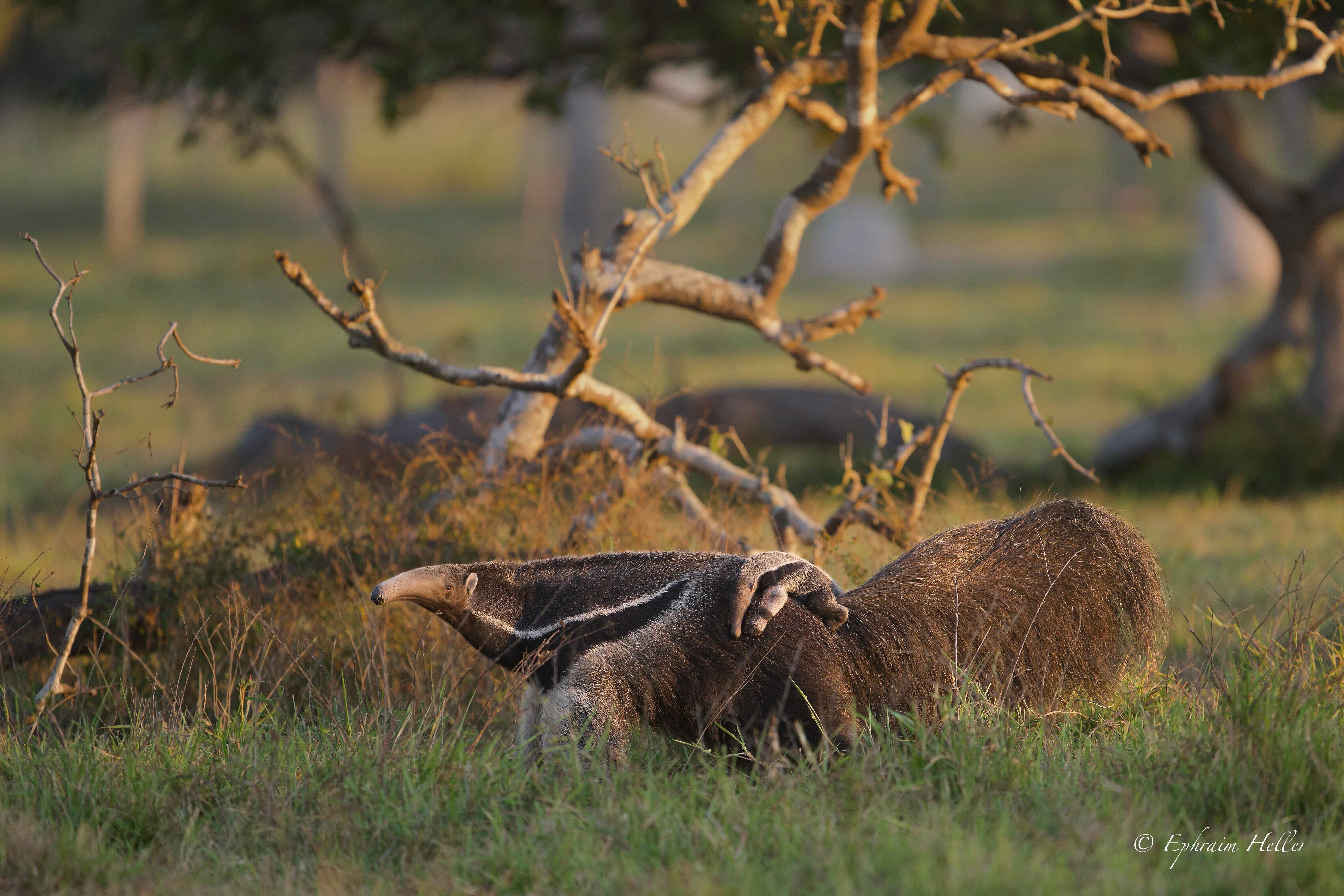
Giant Anteater (Myrmecophaga tridactyla). As you can see, moms carry their babies on their backs. Their tongues measure over 60 centimeters and can extend 45 centimeters beyond the snout. This tongue can flick in and out 150-160 times per minute and is anchored directly to the sternum. Having poor eyesight and hearing, they rely on an acute sense of smell. They feed at each ant nest for only about a minute to avoid soldier ants’ defensive attacks:
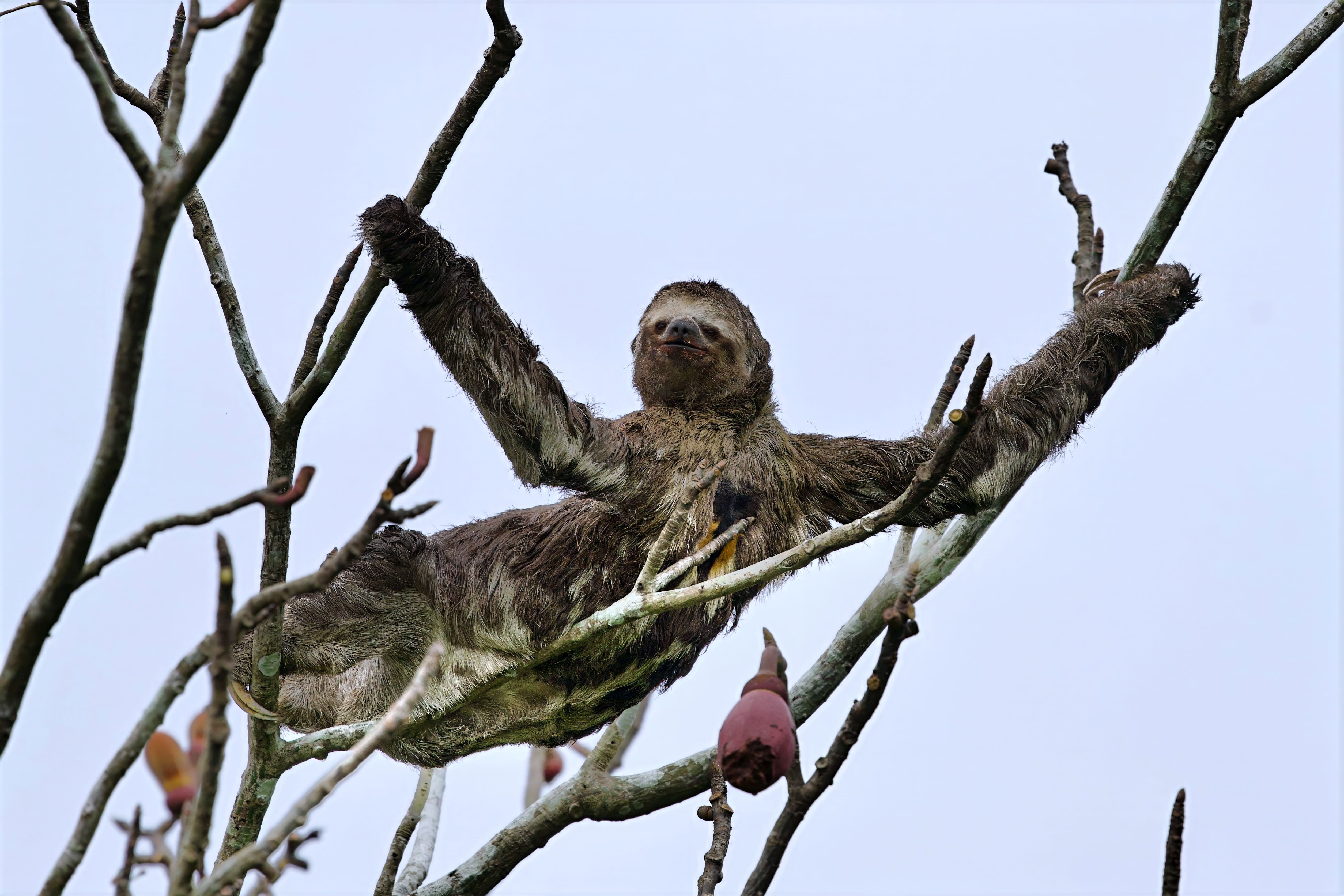
Brown-throated sloth (Bradypus variegatus). You can tell just by looking at them that they are odd critters. Their fur grows in the opposite direction from most mammals – it flows from their belly toward their back to allow rainwater to run off efficiently when they hang upside down, which is their normal position for most of their 15-18 hour daily sleep cycles. They have evolved a four-chambered stomach filled with specialized bacteria to digest tough leaves, similar to ruminants. Defecating only once every ~8 days, feces and urine can account for up to a third of their body weight. To defecate, they descend from the canopy in a behavior whose origin or function is debated. Unlike most mammals who have seven cervical vertebrae, brown-throated sloths possess nine neck vertebrae, allowing them to rotate their heads up to 300 degrees and scan for predators without moving their bodies:
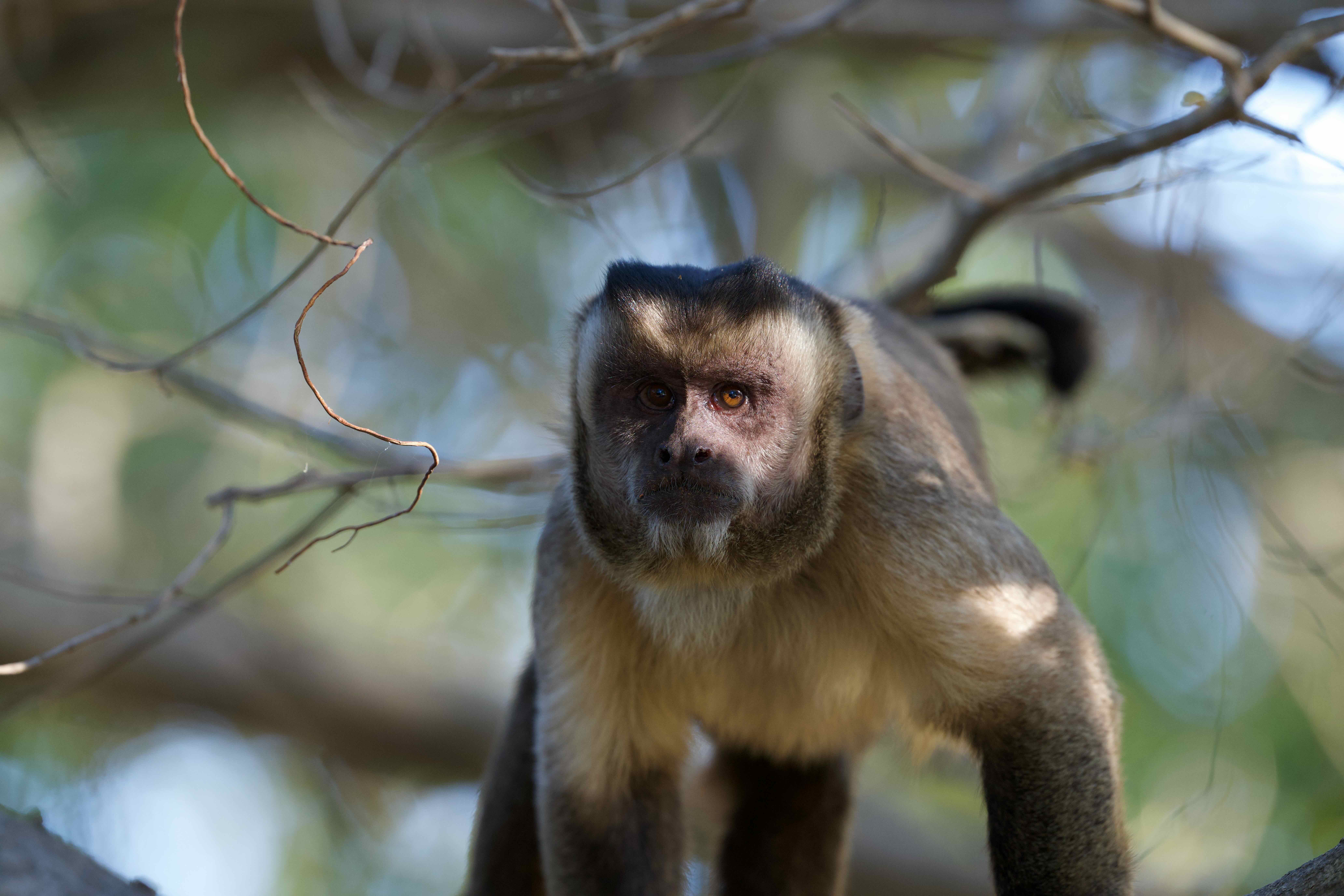
Azara’s Capuchin (Sapajus cay). Female Azara’s capuchins reach sexual maturity around 4-5 years of age, while males don’t mature until approximately 8 years old:
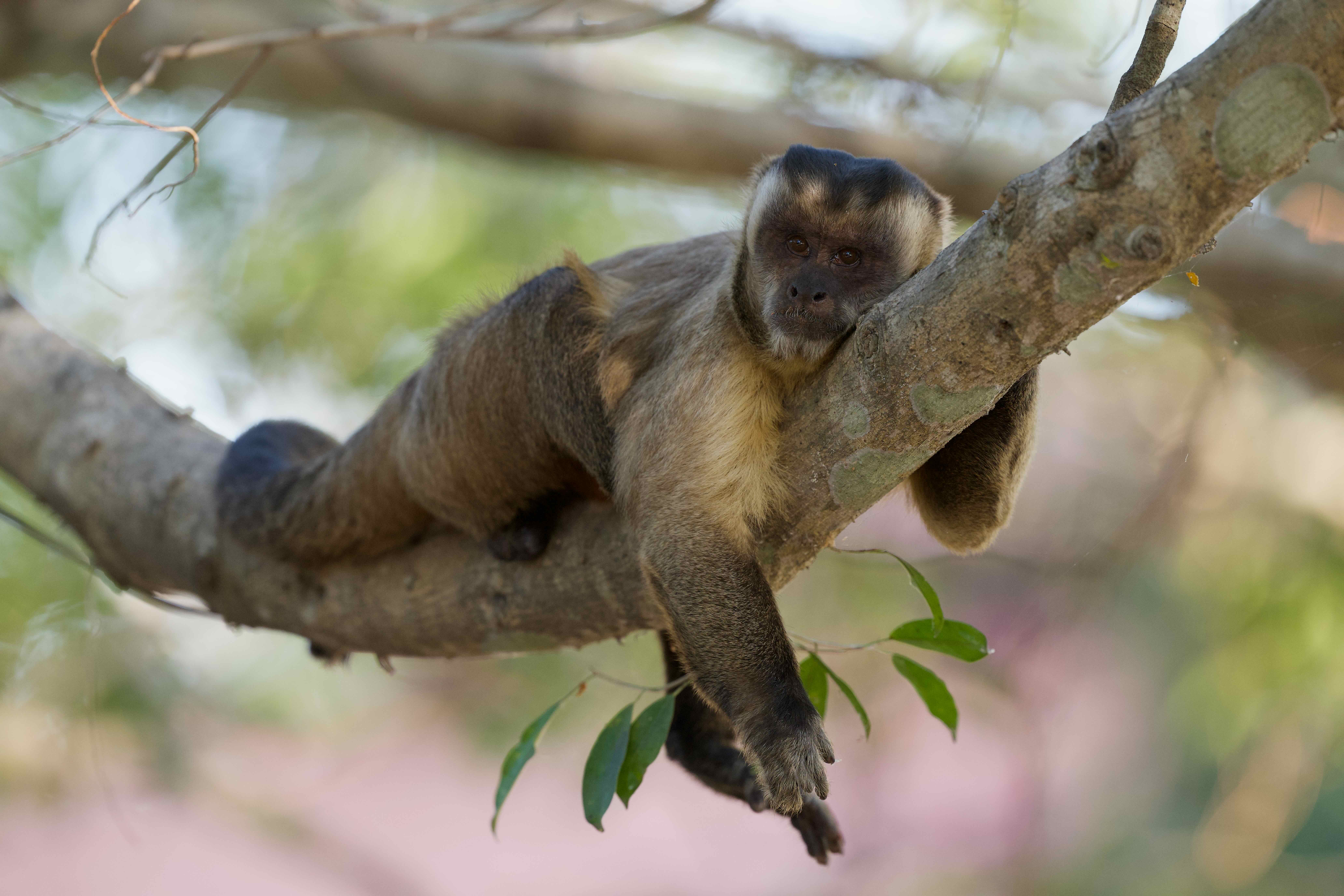
Humboldt’s White-Fronted Capuchin (Cebus albifrons) are sophisticated tool users. For example, troops have been observed using leaves as cups to retrieve water from tree cavities and stones to crack crab shells:


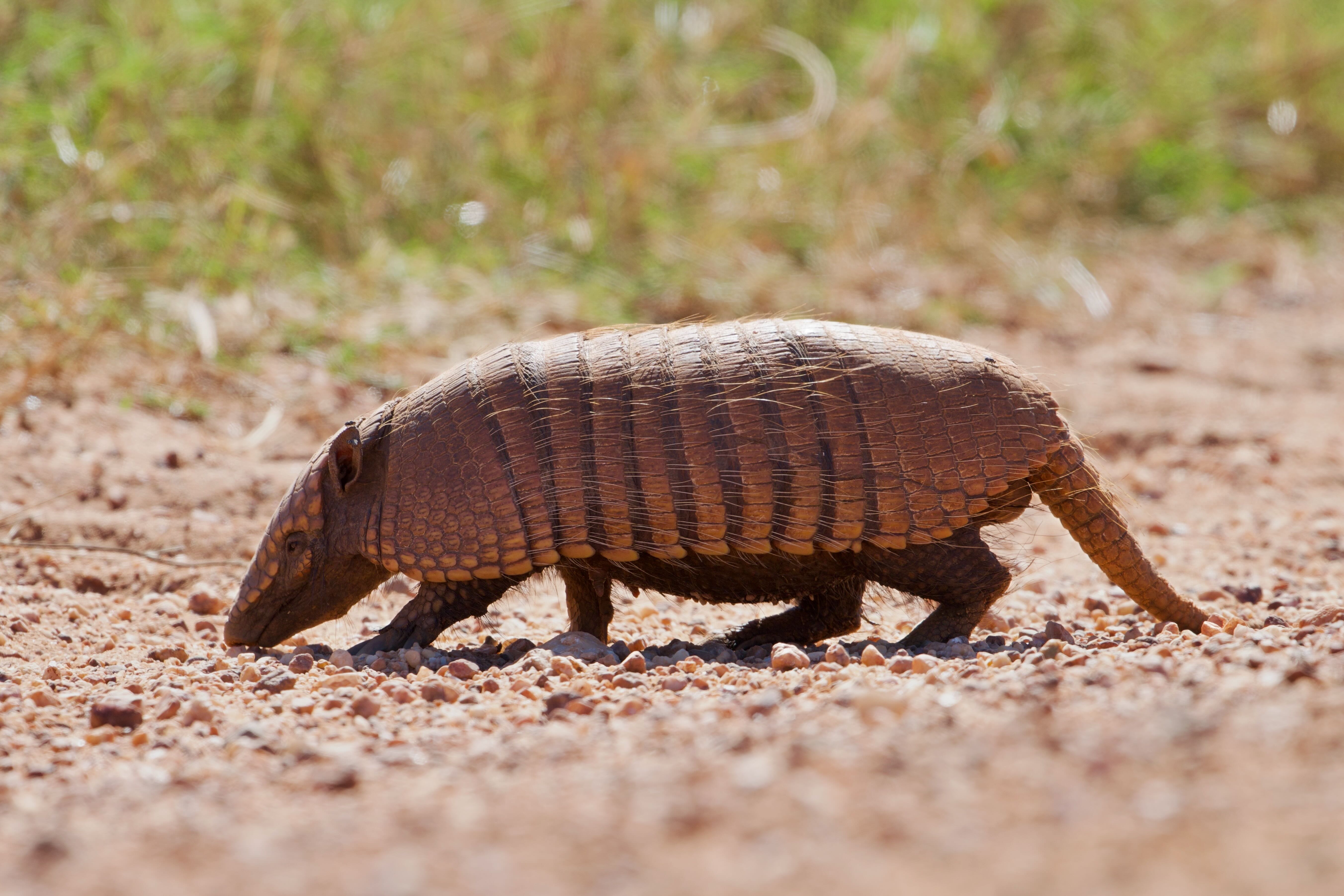
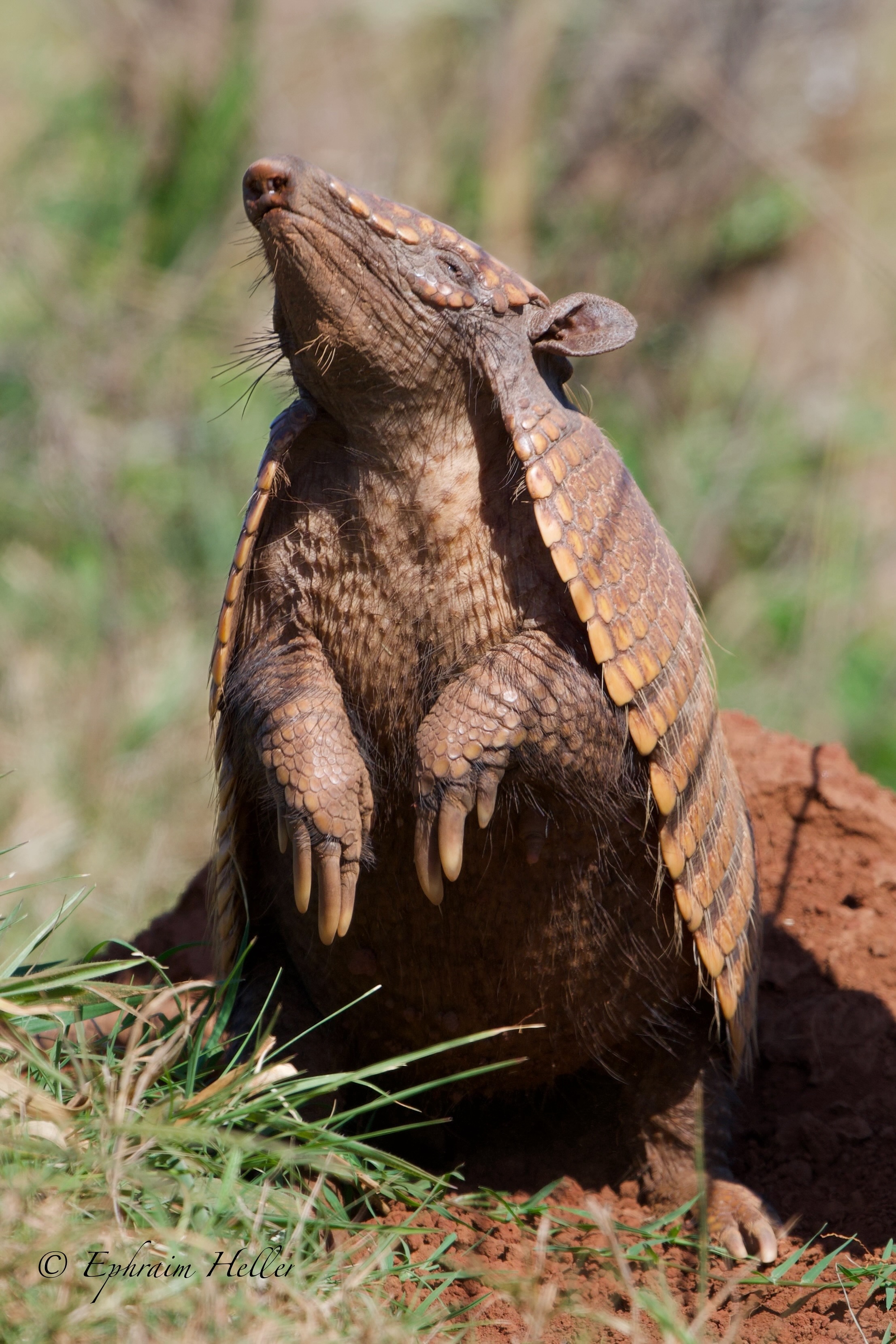
Six-Banded Armadillo (Euphractus sexcinctus). Unlike the three-banded armadillo that can roll into a ball, six-banded armadillos can curl up only slightly. They are good swimmers, stay afloat by swallowing air, and can hold their breath for up to six minutes underwater:
South American tapir (Tapirus terrestris) mother and child. The tapir family is ancient: the oldest known members of the family Tapiridae are over 20 million years old. Tapirs are excellent swimmers and divers, using their prehensile trunk as a snorkel while submerged and diving underwater to feed. Tapirs have one of the longest gestation periods among mammals, carrying young for 13-14 months. They produce only one offspring per pregnancy and babies stay with mothers for 12-18 months, making population recovery extremely slow when numbers decline:

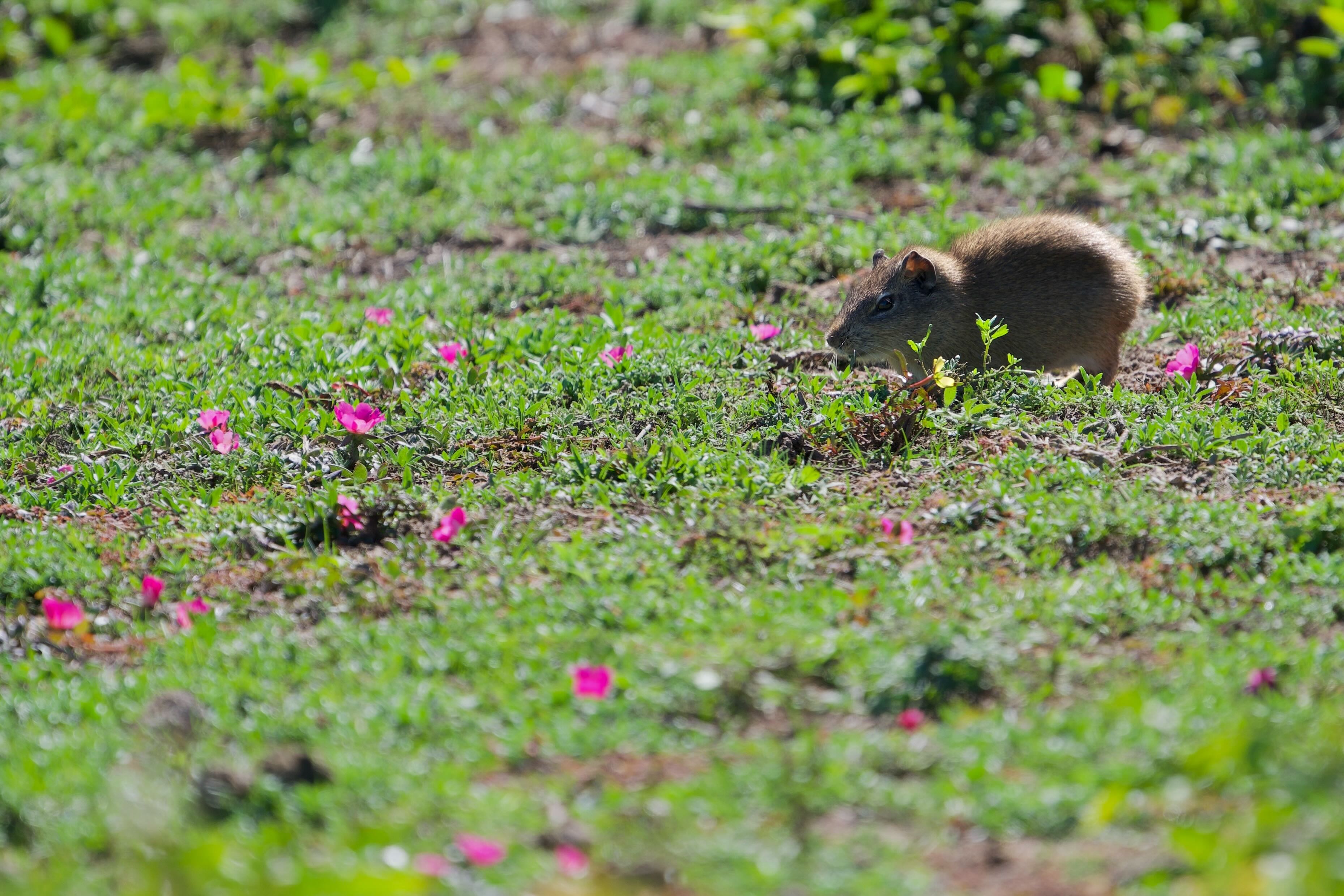
Brazilian Guinea Pig (Cavia aperea). Brazilian guinea pigs are born fully furred, with eyes open, and able to run within hours of birth. By three days old, they begin eating solid food, and by day five can survive independently of their mothers. They are prolific breeders, producing up to five litters per year with an average of 2.5 offspring per litter. Females reach sexual maturity at just 30 days:
Thanks for the Pantanal series – such a great overall signature from these – at once some familiar animals, yet, a geographic location I never knew about.
Magical. Thank you. The anteaters are my favorites.
Great set of pictures! The anteater is beautiful, with its baby along for a ride, and the tail is spectacular!
Great photo of the baby anteater and mother. I’ve never seen such a tiny baby hanging on to its mom.
Fantastic photos. The Armadillo sitting up taking in the sun is a prize.
That future Giant Anteater baby is so tiny.
I wonder how long it will take to be the size of the mom. A lot of ants need to be consumed to become her size.
Thank you. Always great photos!
Great series and interesting commentary! Thank you!
Uncommon creatures (to me) enjoyed that mix. Thanks 👍.
Thank you!
Excellent photos–thank you!
What a great set! And focusing on many of the weird mammals, if I may say.
Great photos! Thank you Ephraim!
The capuchin shot with the flowers and the second armadillo shot are each particularly nice.