
Thanks to the people who sent in photos when our tank was almost empty. (I could use more, though. . . )
One of them was reader Ephraim Heller, who sends in part 11 of his installment “Brazil virtual safari.” Ephraim’s captions and IDs are indented, and you can enlarge the pictures by clicking on them:
Here are my photos, please don’t shoot the cute duck!
These photos are from my July 2025 trip to Brazil’s Pantanal, the world’s largest tropical wetland area and the world’s largest flooded grasslands. Today I have photos of birds in the tyrant flycatcher family as well as a few miscellaneous birds.
In Brazil, “flycatchers” and “tyrants” refer to the same family – Tyrannidae. It is the world’s largest family of birds, with more than 400 species in North and South America, including 28 species in Brazil. Tyrannidae belong to the suborder Tyranni (suboscines), a primitive passerine lineage that lacks the complex vocal learning abilities of songbirds. This places them in an entirely different major evolutionary branch from that yielding the Old World flycatchers (Muscicapidae), which are oscines (advanced songbirds).
Boat-billed Flycatcher (Megarynchus pitangua):

Fork-tailed Flycatcher (Tyrannus savana). The elaborate tail serves both aerodynamic and display functions:


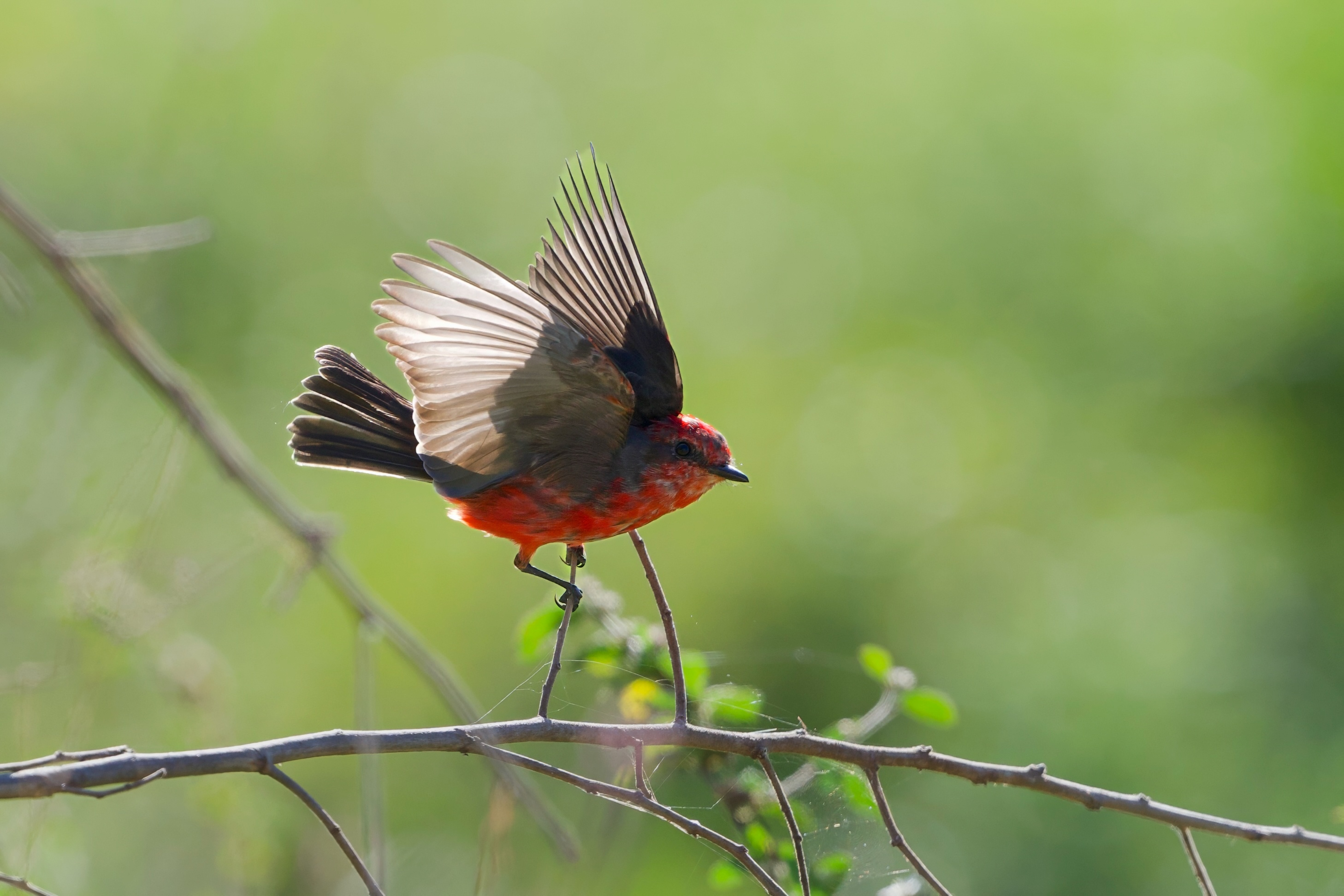
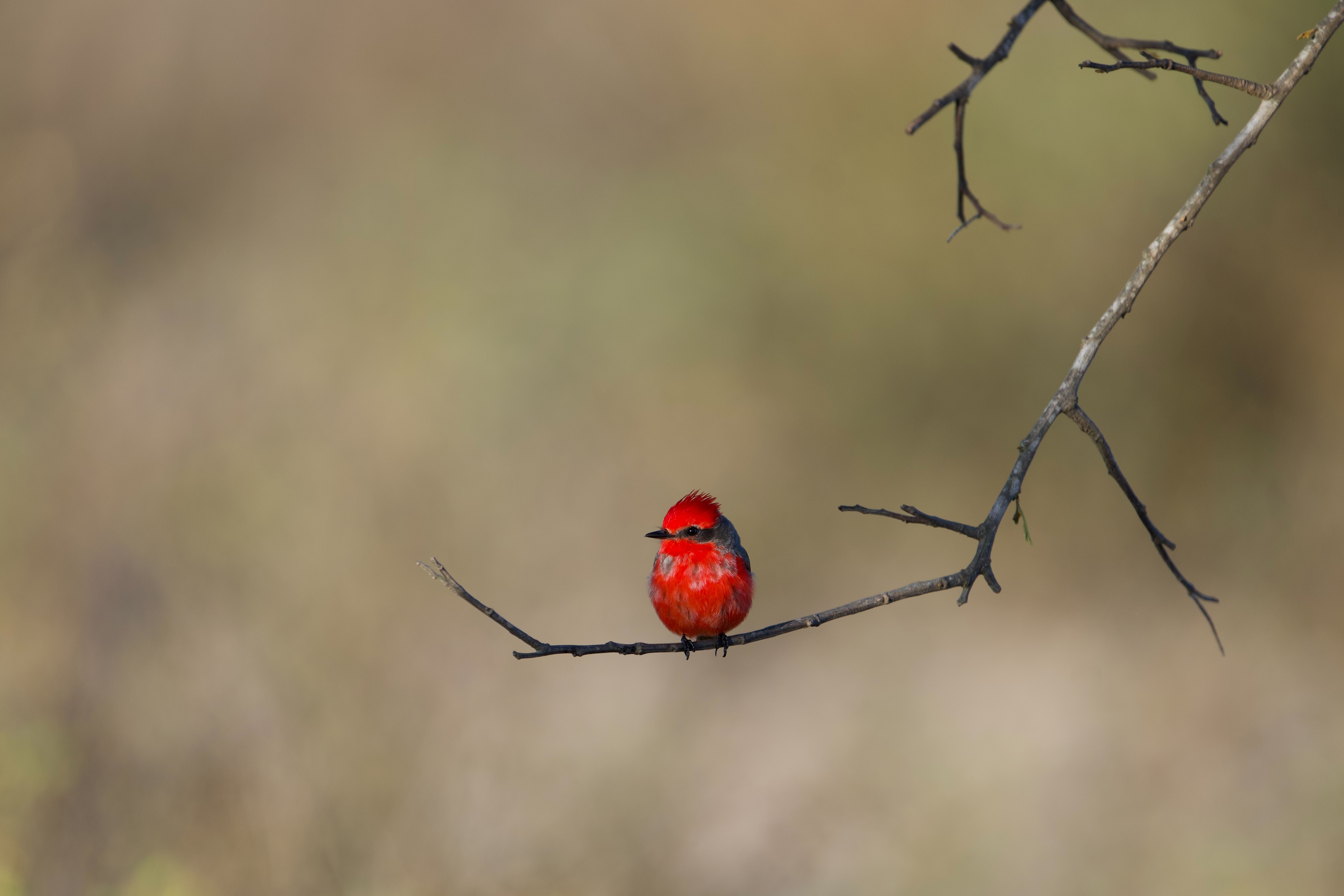
Vermilion Flycatcher (Pyrocephalus obscurus). A real beauty:
White Monjita (Xolmis irupero):


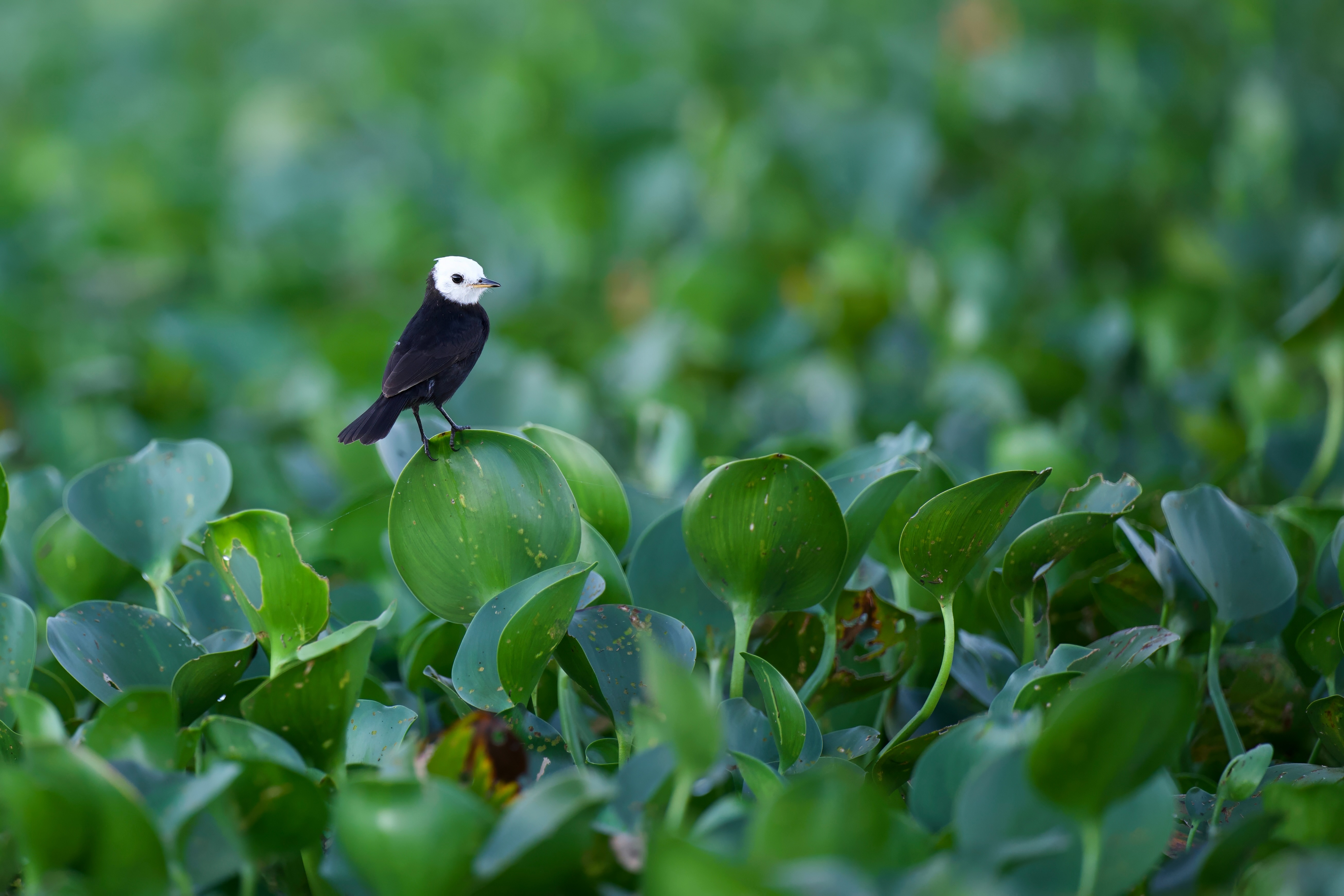
White-headed Marsh Tyrant (Arundinicola leucocephala):
Black-tailed Tityra (Tityra cayana). Tityras were formerly in the tyrant flycatcher family, but have been split into their own family:

Now for some miscellaneous birds:
Black-capped Donacobius (Donacobius atricapilla). This pair kept up their singing as I photographed them:

Chotoy Spinetail (Schoeniophylax phryganophilus):
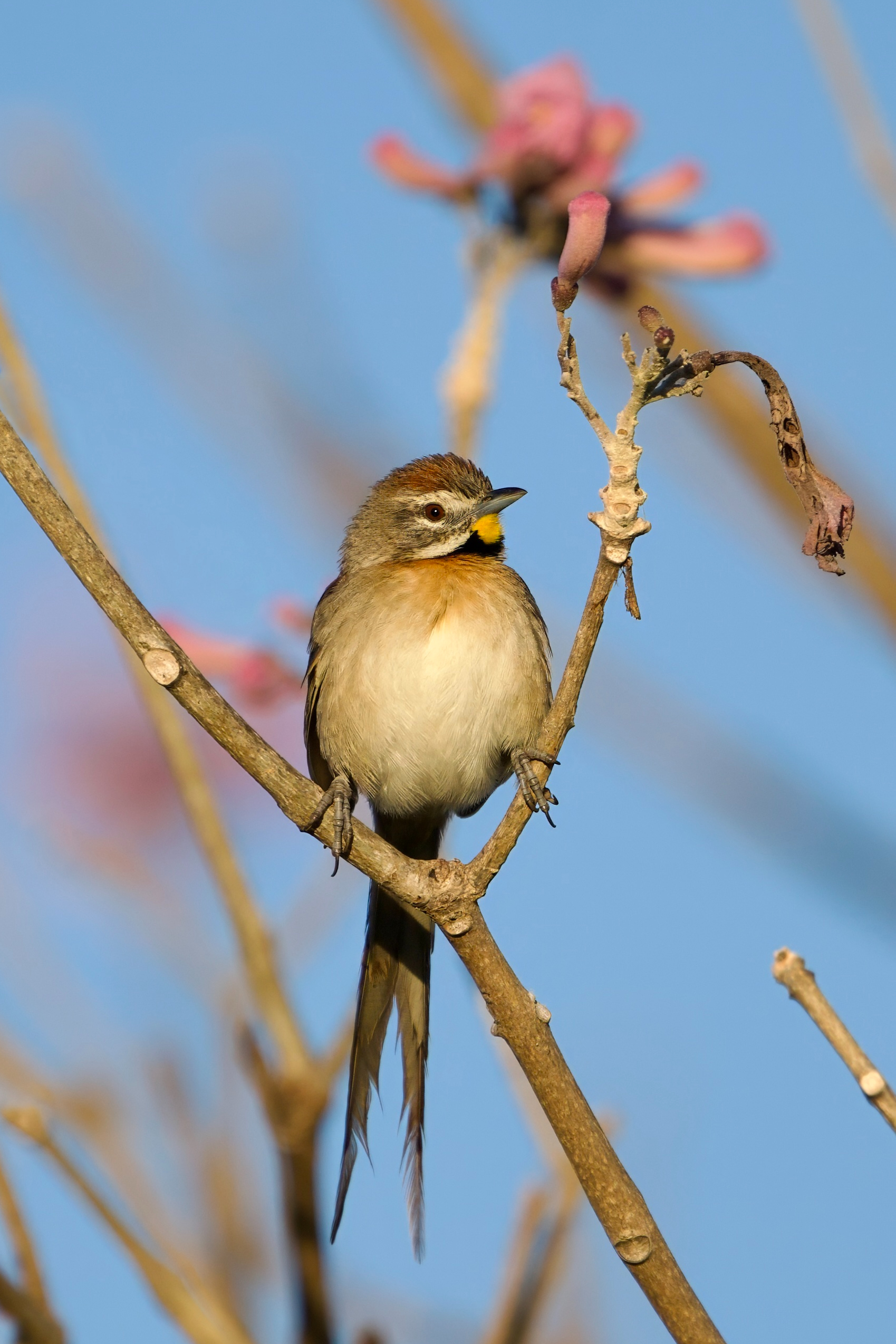
Rufous Hornero (Furnarius rufus). Argentina’s national bird, famous for constructing elaborate clay nests resembling traditional mud ovens, with complex internal chambers and entrance tunnels. This master builder creates new nests annually, with old nests often used by other bird species. The clay construction provides excellent thermal insulation and protection.


What lovely photos from a fascinating part of the world! The hornero nest must offer the young exceptional protection from both weather and predators. How large are those nests? They must be fairly good size if there are tunnels, etc.
They are relatively large — I’d estimate about 8 inches tall.
Great pictures. Love the Marsh Tyrant!
Me also! How did such a cute little guy get labeled with the name “tyrant”?
Such nice photos. The Fork-tailed Flycatcher is especially nice.
Great photos, thanks!
A lot (but not all) of the flycatchers seem to have bristles around the base of the beak. Do these aid in catching insects on the wing?
That’s a great question, but I don’t know the answer. Maybe another reader can help?
Thank you for the great pictures and a view of far-away (for me) nature.
I often wonder how birds get their names. The marsh tyrant, for example. Wikipedia didn’t supply any explanation for why such a handsome, harmless looking little bird was given a name that suggests that it tyrannizes marshes…
Excellent Mr. Heller. Thank you.
D.A.
NYC
I especially like the very long tail of the fork-tailed flycatcher. I sometimes wonder if birds or other creatures with long appendages feel them as odd, but I’m sure they don’t.
This reference might provide a partial answer to your question:
https://genius.com/Malte-andersson-female-choice-selects-for-extreme-tail-length-in-a-widowbird-annotated
Beauty birds and photos, thank you!
Superb photos. Thanks!